

Closed Trail: When the Bicycle Path Act Requires Compensation
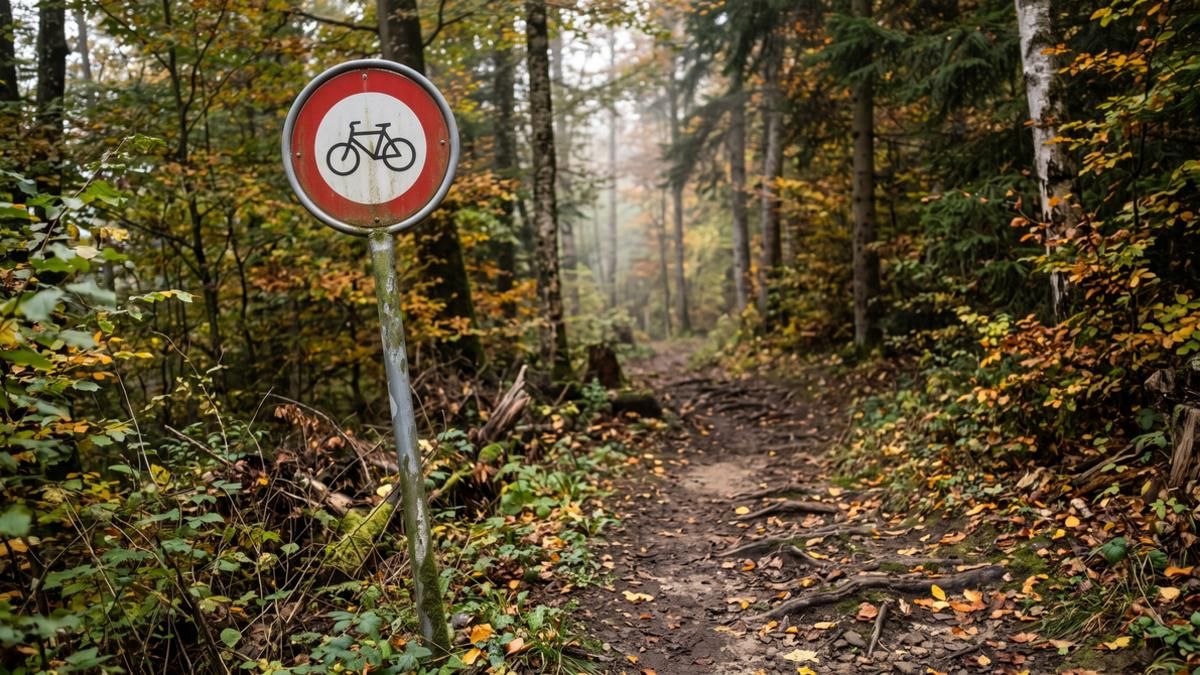
A route that has been legally closed is no longer freely accessible, writes Silvio Zala, a specialist in bicycle traffic and the official responsible for mountain biking at the Federal Roads Office (Astra). The law then requires “appropriate replacement with existing or newly created trails.” The law does not specify whether a closed singletrack must be replaced with another singletrack. A replacement may also be required if a route is upgraded to a forest road or paved. According to Zala, this could be considered a significant reduction in its appeal. Cantonal courts decide on this on a case-by-case basis. In addition, the cantons may provide for exceptions to the obligation to provide a replacement. As far as ASTRA is aware, no canton has done so yet.
No Plan, No Replacement
The timing is crucial. According to Zala, mountain bike routes are protected under the Bicycle Path Act only once a plan has been adopted. By the end of 2027, cantons and municipalities in Switzerland must set forth their bicycle path networks for daily commuting and recreation in plans. This is required by the Bicycle Path Act, which has been in effect since January 1, 2023. However, cantons are not required to include mountain bike routes in these plans. Although the law explicitly mentions them, the list is merely illustrative, writes Zala. As early as a report from July 2025, the Federal Office of Roads and Transportation (ASTRA) noted that the law does not require “any explicit network planning for mountain biking.” According to a survey in the same report, most cantons nevertheless plan to include such provisions.
Status/Schedule: Mountain Biking Trail Network Planning
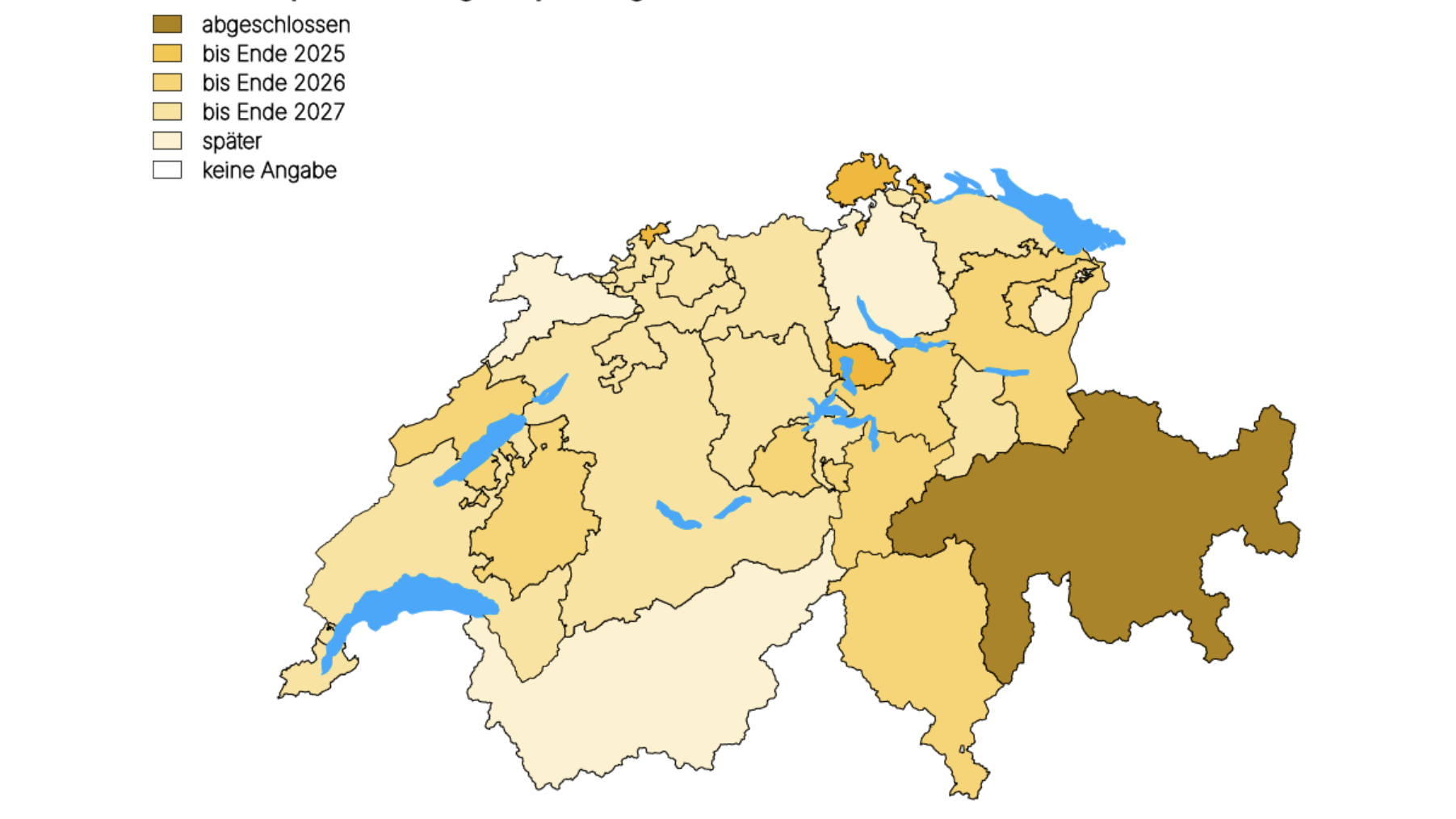
In the federal survey, only Graubünden had completed its mountain biking planning; some cantons do not expect approval until after 2027. Data provided by the cantons, winter 2024/25. Graphic: Astra/SchweizMobil
What’s Not Included in the Plan
For trails not included in the plan, the Bicycle Path Act does not require compensation. The canton of Fribourg goes even further. In September, it made a plan featuring approximately 1,700 kilometers of mountain bike routes available for public review. Once approved, the plan will be “binding on both public authorities and private individuals,” according to the plan report. The goal is “to return the routes not included in the plan to nature or, where necessary, to restore them to their natural state.” The canton has yet to define in a strategy how it will identify these routes. According to the Bicycle Path Act, those affected and interested organizations must be involved in the planning process.

About the author: Men Danuser
Note: This content has been automatically translated from German. Please report any incorrect translations.