

Test - Shimano XT Disc with four pistons: What a Feeling!

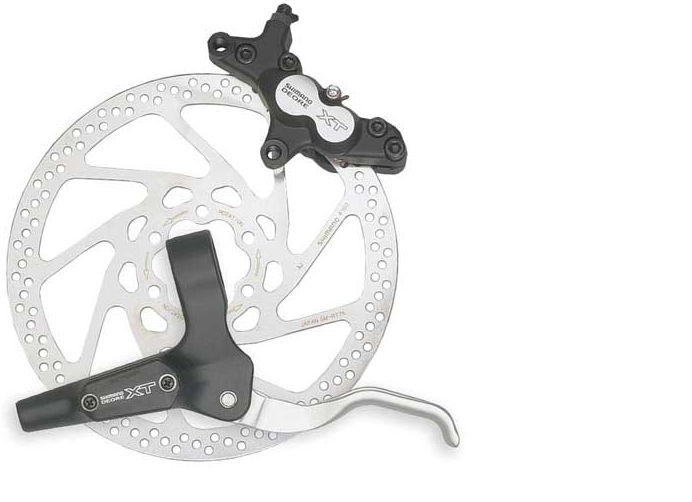
Around the turn of the century, Shimano already had a four-piston stopper in its portfolio with the BR-M755, and now the time has come again: with the BR-M8020, the Japanese company is launching an alternative to the well-known and widely used XT brake (the one with the designation BR-M8000). This is a very welcome alternative: mountain bikes with modern geometries, stiff frames and wide rims and tires allow downhill speed orgies, even on technically difficult routes. And the e-mountainbike usually weighs well over 20 kilos in total, which is very potent downhill. However, it is rather rare for enduro bikes or e-fullies to be fitted with adequately powerful brakes - probably for reasons of price or weight. As a result, the decelerators fade, the manual forces are high or the braking force is not sufficient to be able to ride as the chassis would actually allow.
The (simple) assembly
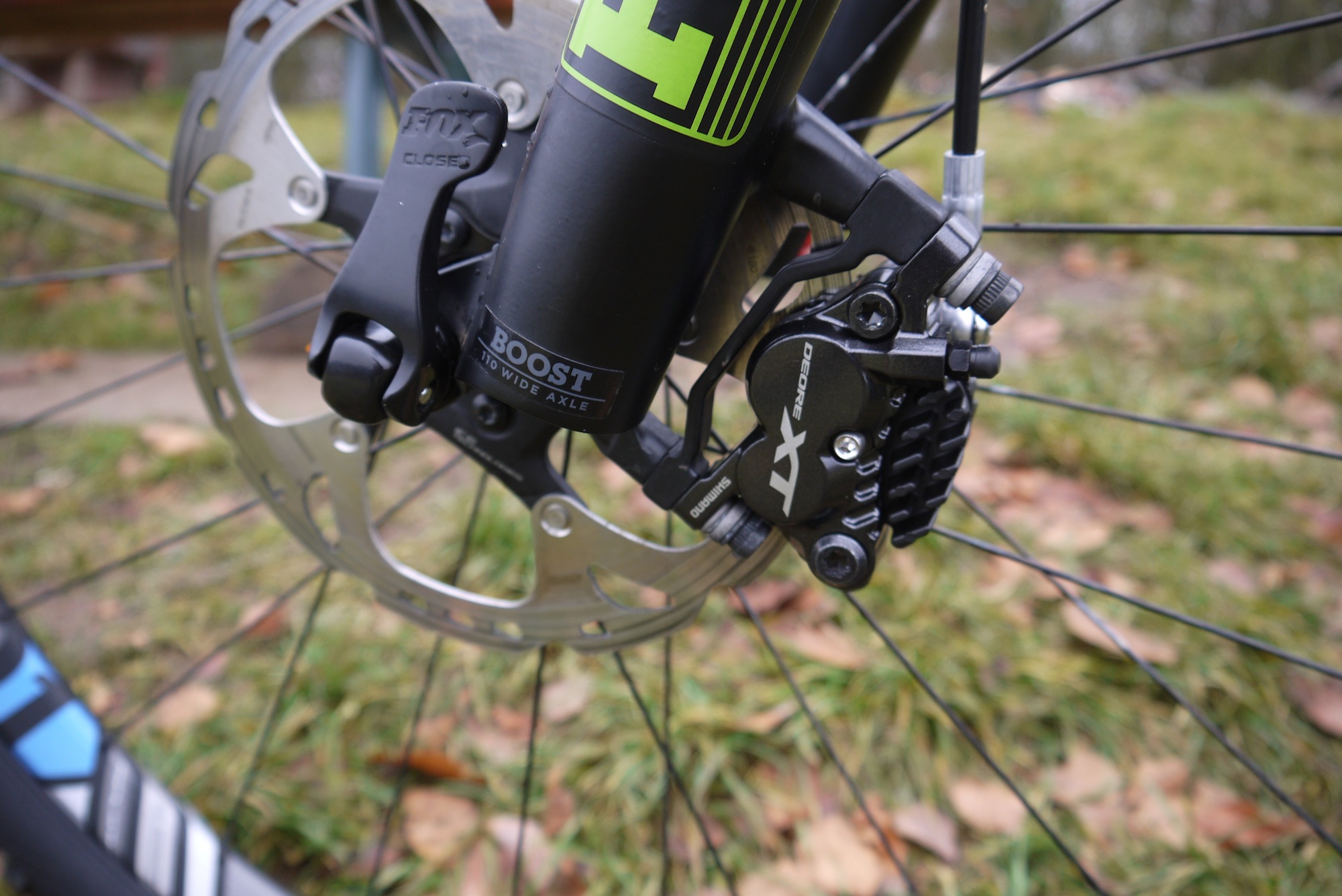
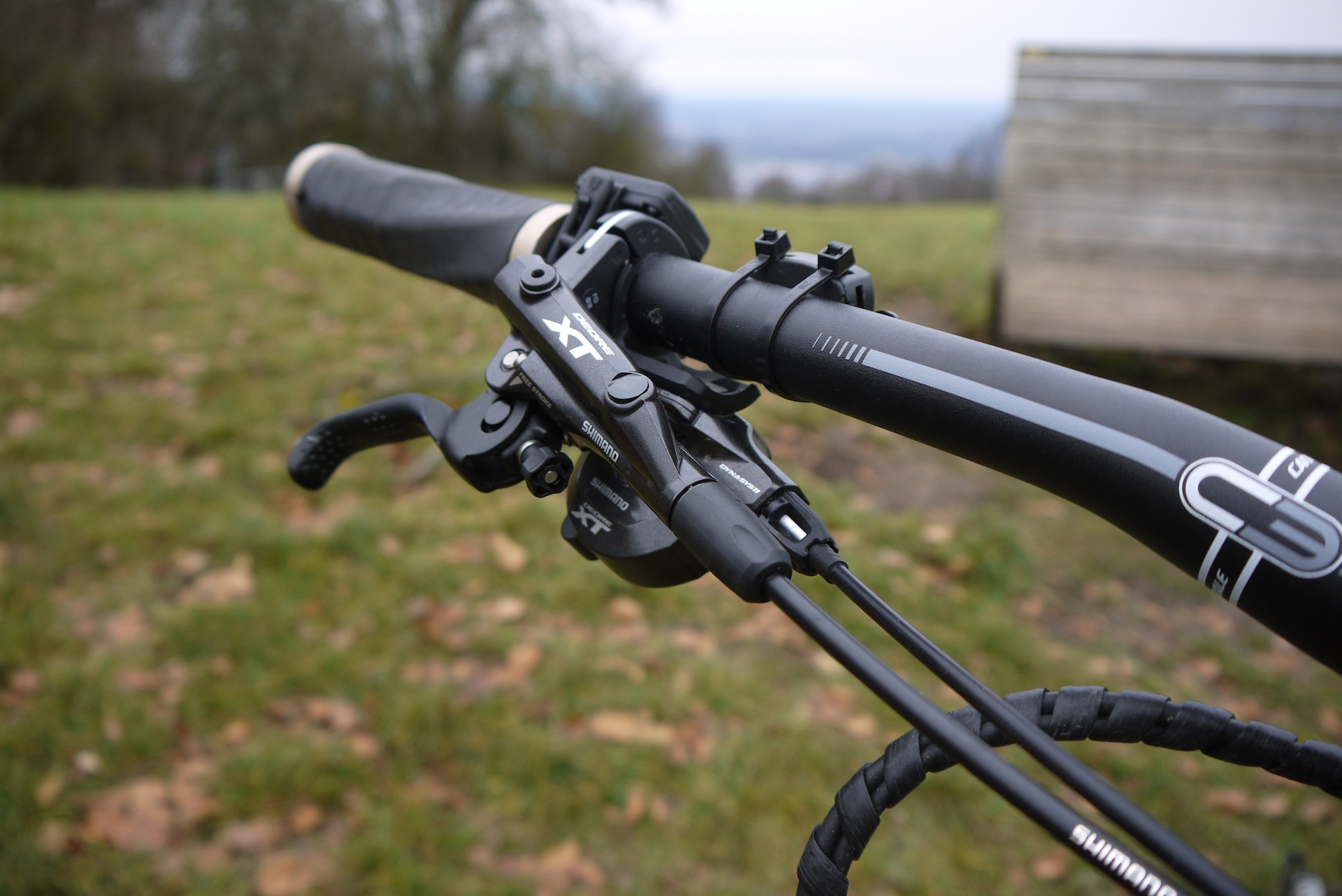
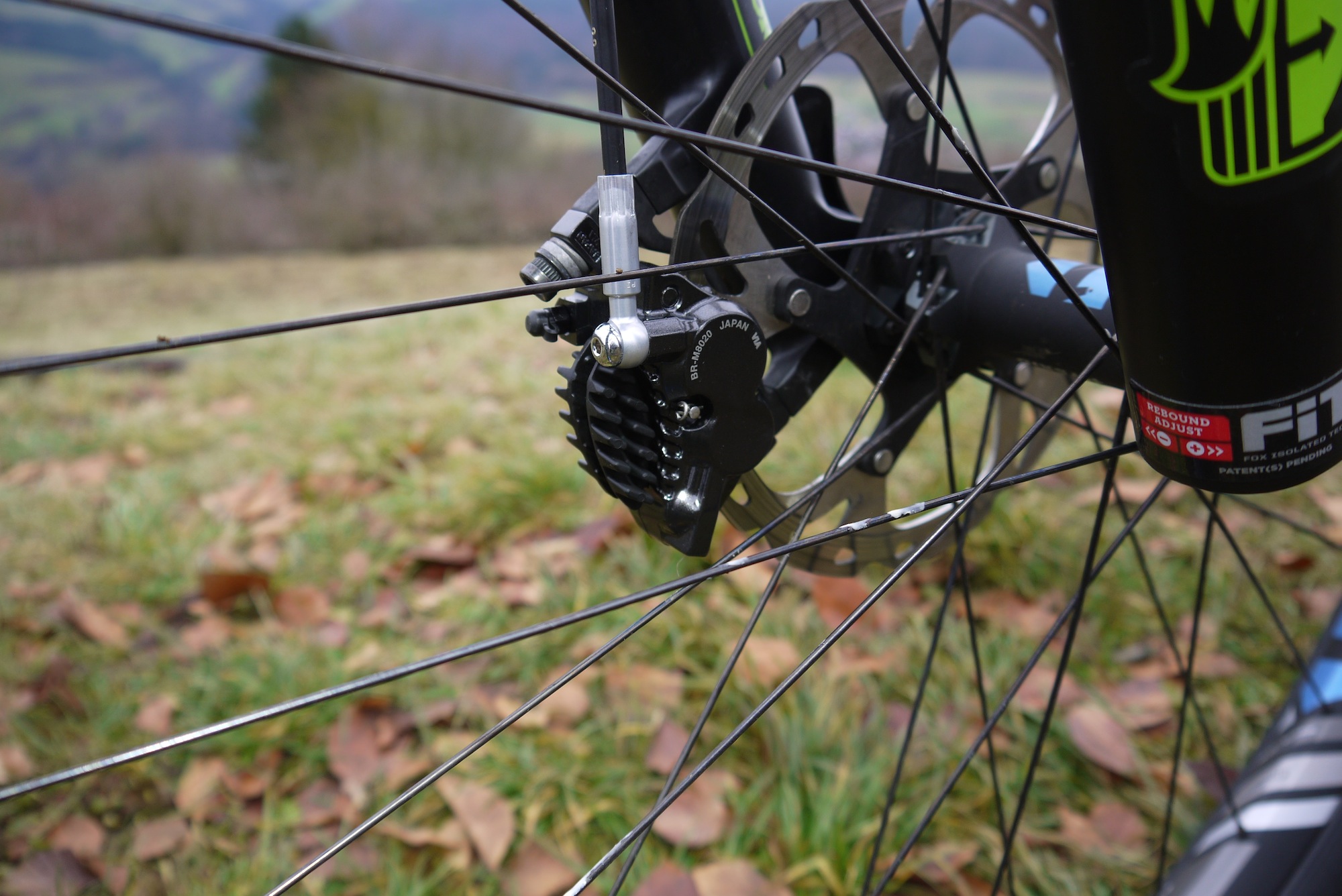
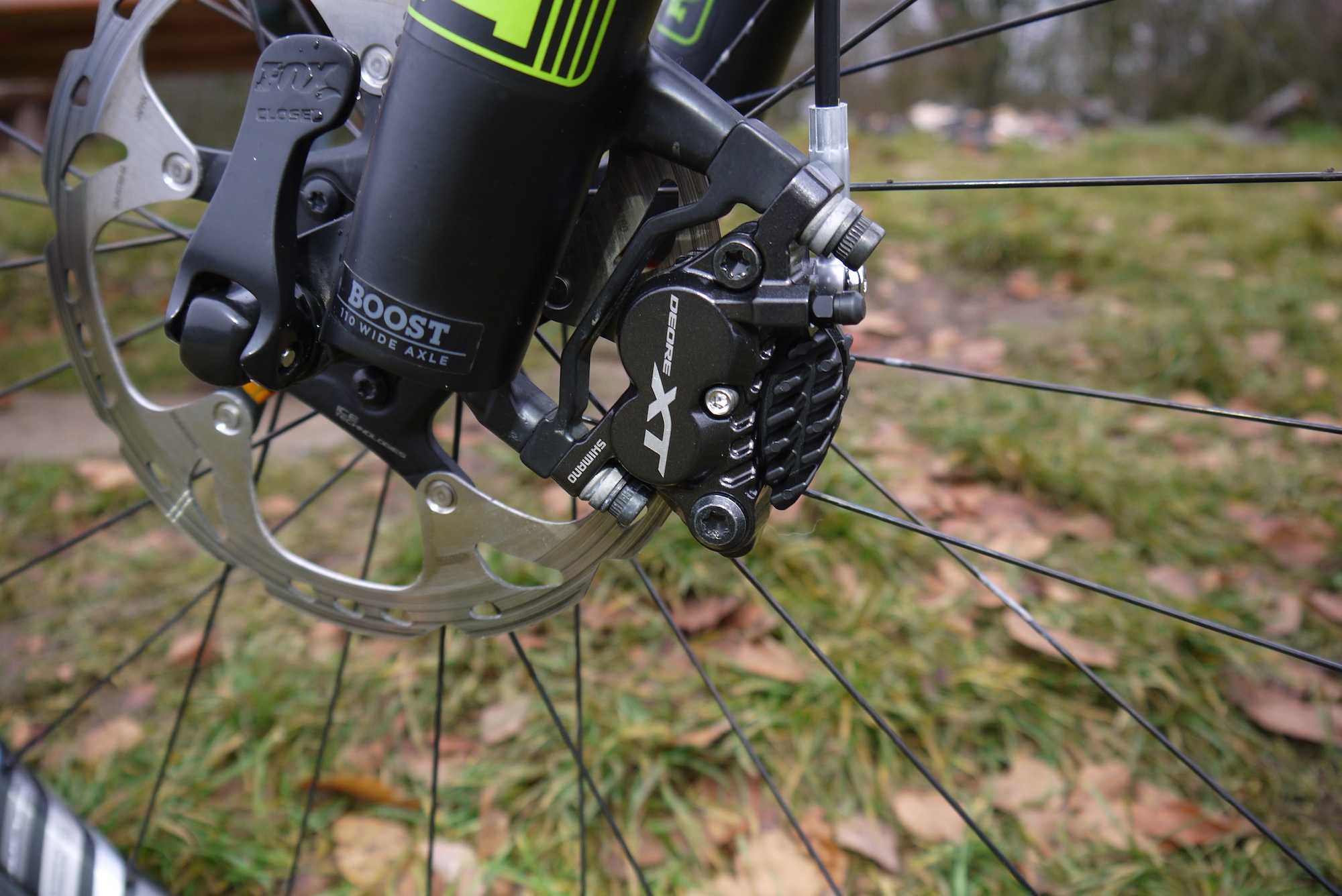
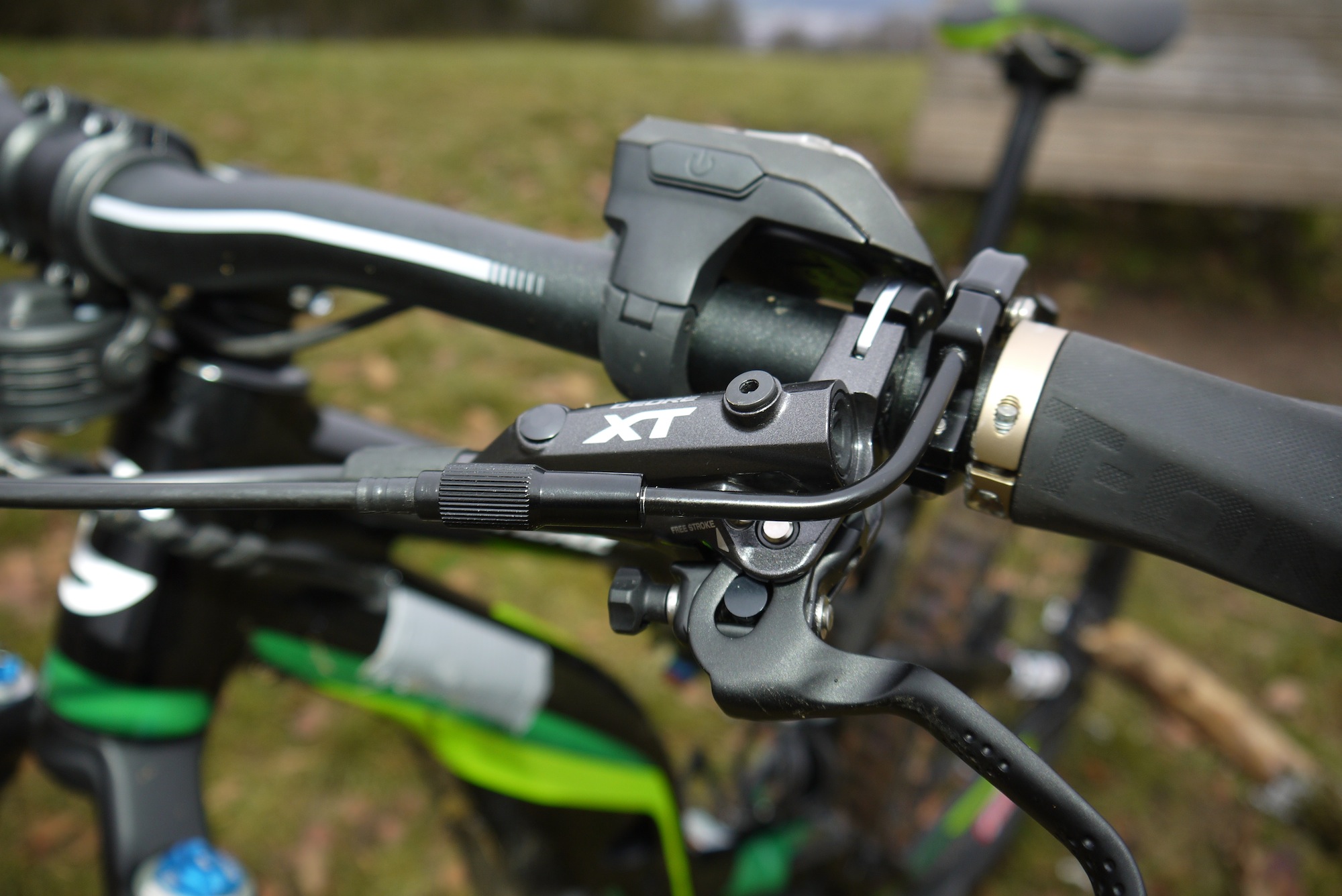
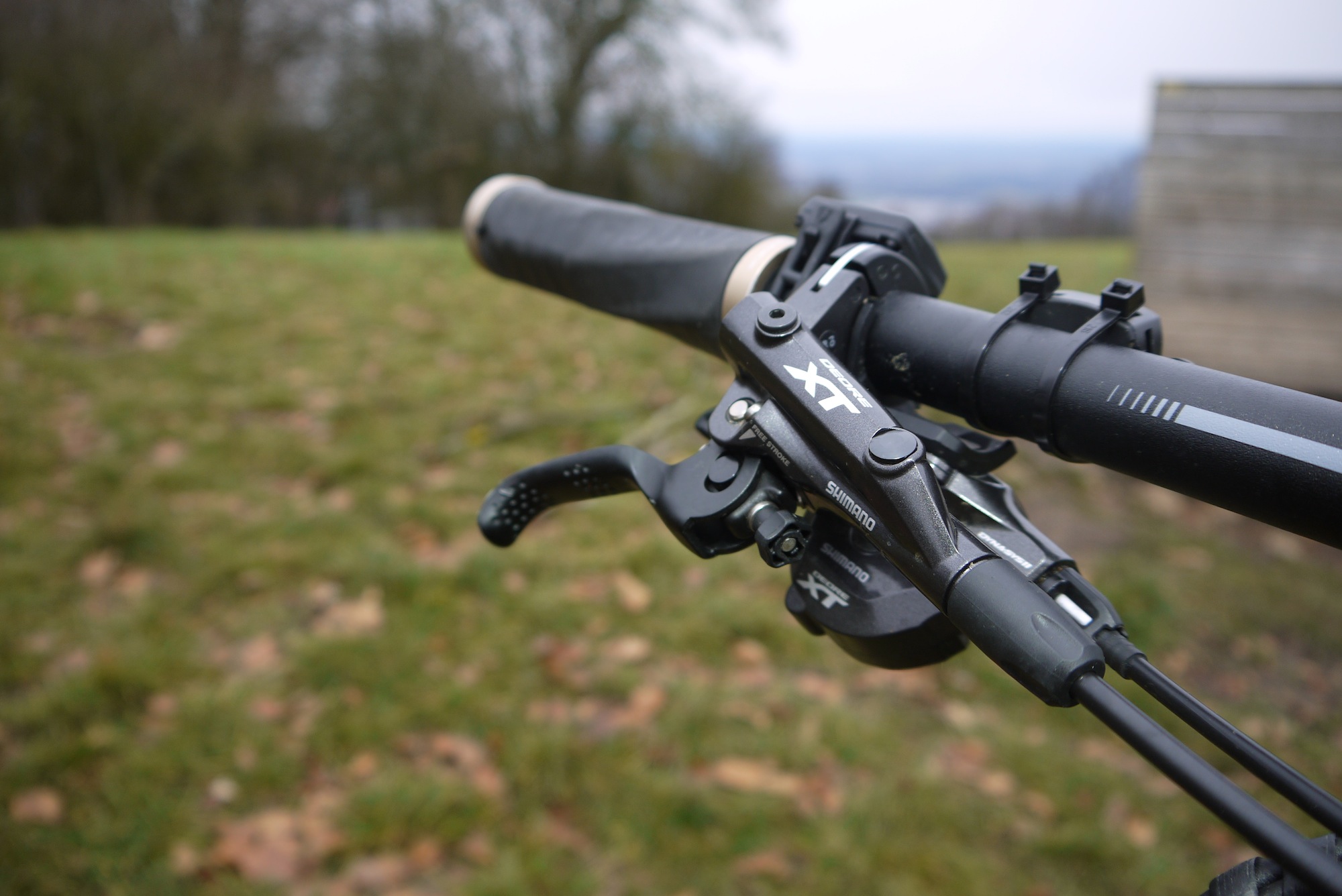
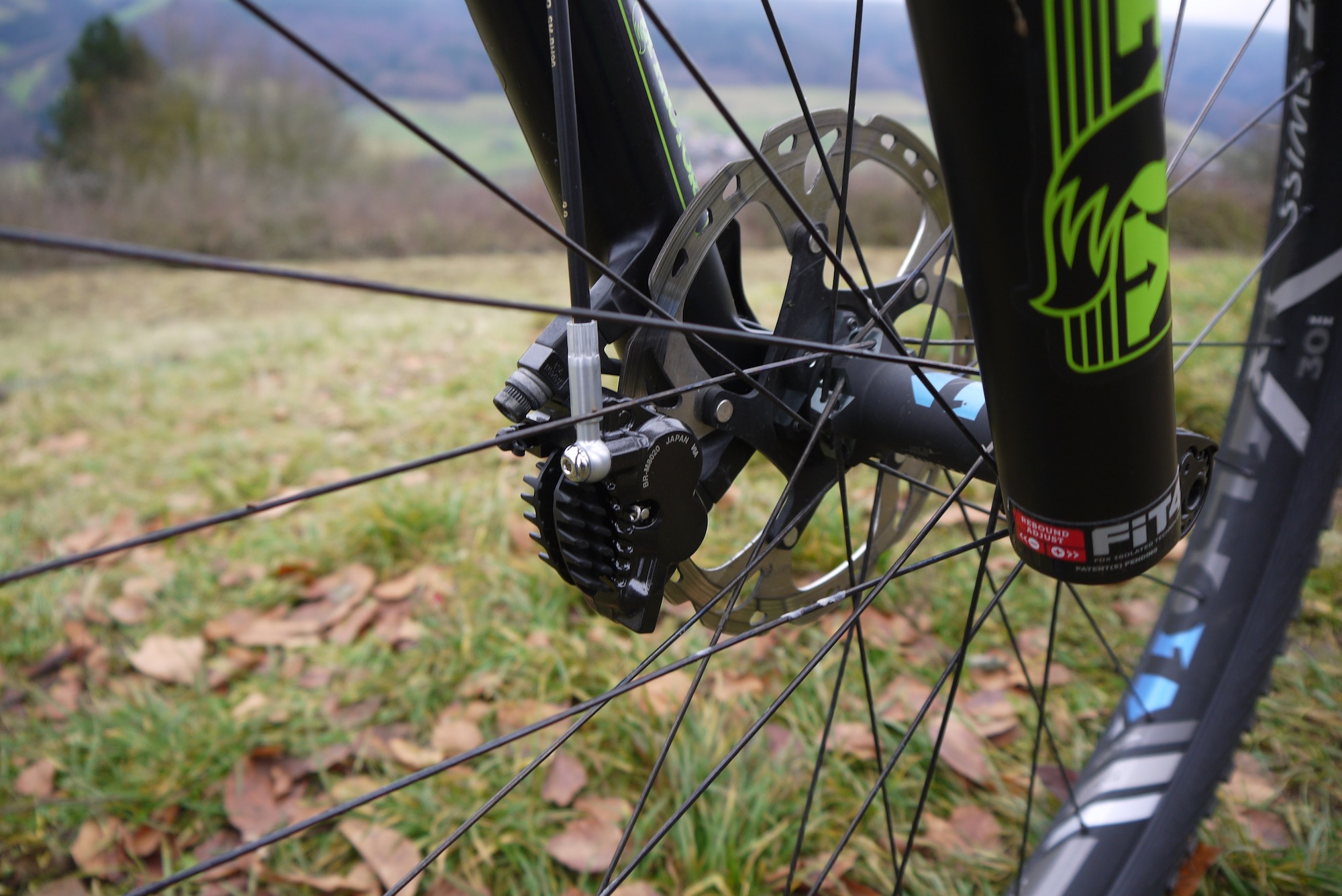
This is where Shimano steps into the breach with the four-piston XT brakes. The BR-M8020 has all the technologies - and the identical, pleasantly ergonomic lever - of its smaller counterpart: the (uncomplicated) adjustment of the lever width and (the rather poorly functioning adjustment of the) pressure point. Bleeding is done as usual with the so-called one-way bleeding with a funnel on the lever and a syringe on the brake calliper. Speaking of bleeding: Fortunately, this was not necessary at all. Shimano supplied a complete BR-M8020 for front and rear. The front brake was fitted quickly. However, it was not possible to change the brakes quickly on the rear wheel on the test bike, as the brake housing is routed internally and changing it would have required time-consuming removal and installation of the mid-motor. The other internal routing of the brake housing with a few tricky bends in the down tube of the frame and the chain stay on the left would also have meant a lot of fiddling and special tools to change the housing.
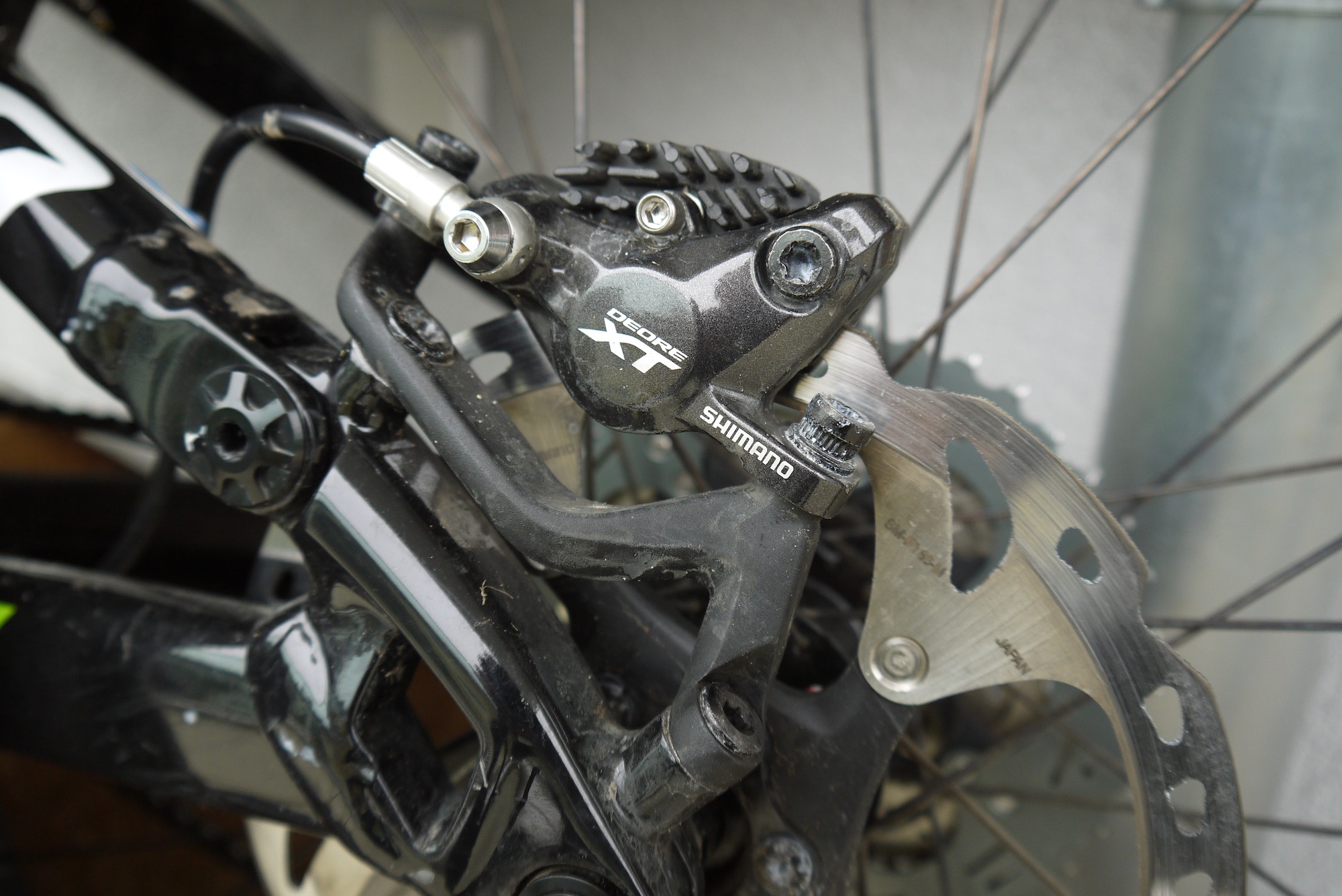
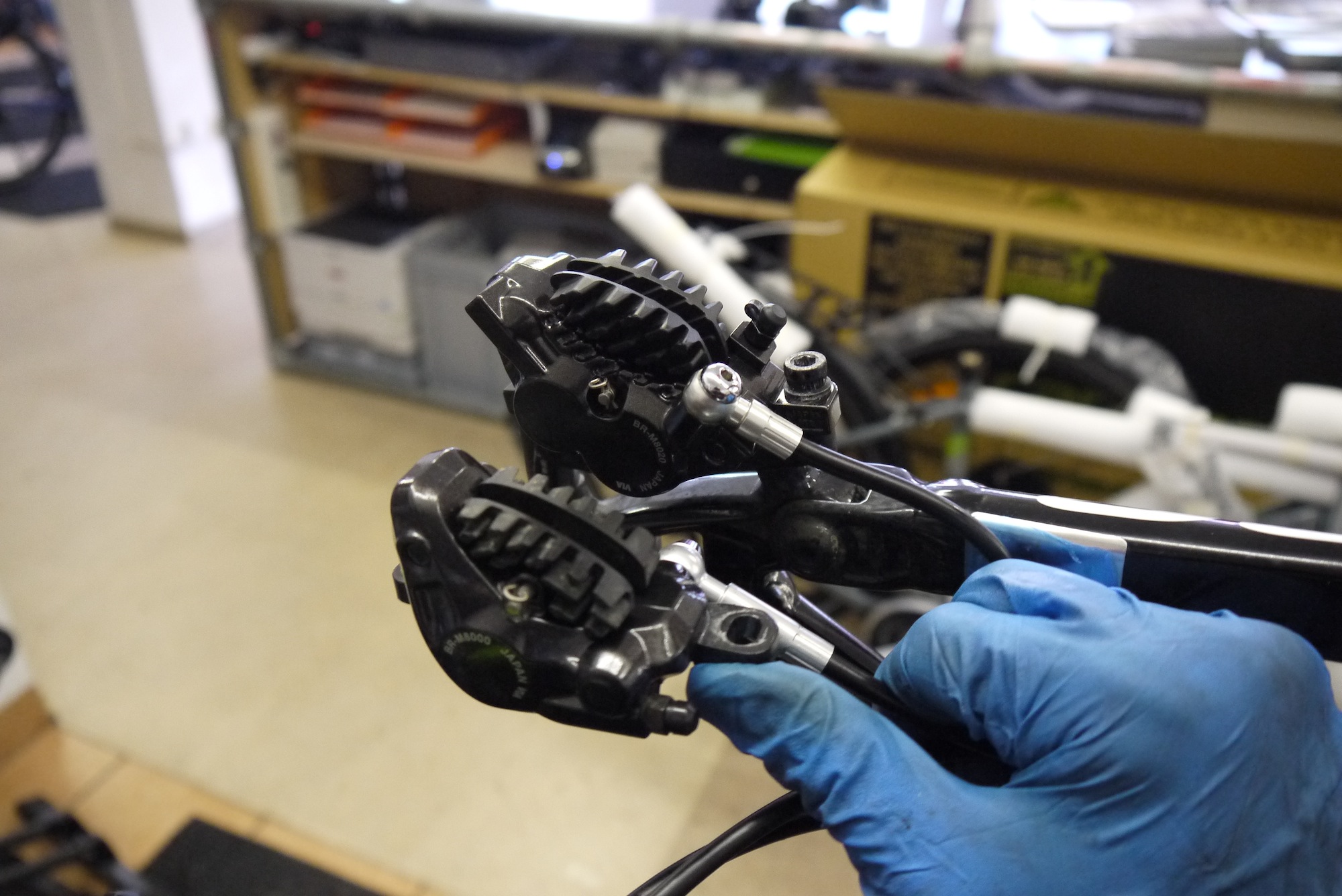
Luckily, it is possible to remove the brake caliper on the BR-M8000 (two-piston XT) and fit the brake caliper of the BR-M8020 (four-piston XT) with the outer brake cover of the BR-M8000 (although Shimano does not provide any official information as to whether this brake caliper change is permitted). If you work quickly, you can simply swap the brake calipers with two bled systems and the brakes filled with mineral oil will work without further bleeding. It's fun, less messy and a lot less work, especially if the rear brake is wired internally.
A new braking sensation
This is how the four-piston XT rides: The increased braking force - Shimano spoke of around 20 percent when announcing the stopper in August 2017 - is easy to feel. You can also feel it better when the pads are in contact with the rotor. The braking point on the brake lever feels harder and this braking point is noticeably less spongy after prolonged grinding braking, the braking point on the lever does not move. In other words, the new XT shows significantly less fading, as the heat can presumably be dissipated better due to "more meat on the bone" in the brake body and the pads. With the HO1A resin pads, the XT remains true to its familiar temperament even with four pistons: The BR-M8020 is not a brute brake anchor, like its two-piston counterpart it is unobtrusively reliable and easy to modulate. On long descents, where the brake is always in grinding mode, the braking force feels only slightly stronger, but without any fading. This boosts confidence in the stopper. Gone is the feeling of the M8000 on steep sections, where you want to pull the brake lever even more, but even if you do, you can't release any more braking force.
The comparison to the Saint
The BR-M8020 is not a Saint or a Zee, however. Even though these models share the same design with four ceramic pistons with two different diameters and, on closer inspection, the 8020 looks very similar to the Saint at the caliper in terms of its shape. A Saint, or Zee, offers much more on/off feel: these gravity/freeride stoppers are also easy to modulate, but you can hit the bars with more force. If you have a somewhat inexperienced braking finger with a Saint, you may be challenged by the high braking force to keep it in check. If you carelessly apply the front brake, you run the risk of losing your footing; the XT is tamer. The stronger temperament of the Gravity models is mainly due to the original metal pads, the new XT is probably deliberately supplied with resin pads.
Conclusion:
With the resin pads tested, the new four-piston XT brake is an extremely loyal, confidence-inspiring, reliable and easy-to-install stopper. This BR-M8020 is not a brute brake anchor, but provides well-dosed braking power that is sufficient even in hair-raising situations. A wandering pressure point is never an issue, unlike its two-piston counterpart. With the M8020, Shimano presents a kind of popular decelerator for many riding styles and areas of use, which is positioned between the two-piston XT and the Zee in terms of braking power. The M8020 is so easy to modulate and stable that Shimano-affine product managers should almost be obliged to specify this brake on modern bikes from a mid-range price level upwards. And anyone who gets the brake on board as a retrofit will not regret it.
The brake is expected to be available from specialist dealers in February or March 2018. Individual brake callipers (at an RRP of CHF 140) and complete brake kits (at an RRP of CHF 210 for the front and CHF 215 for the rear brake) will be available.

Note: This content has been automatically translated from German. Please report any incorrect translations.