

Without a crank: how Skoda sees the future of the e-bike
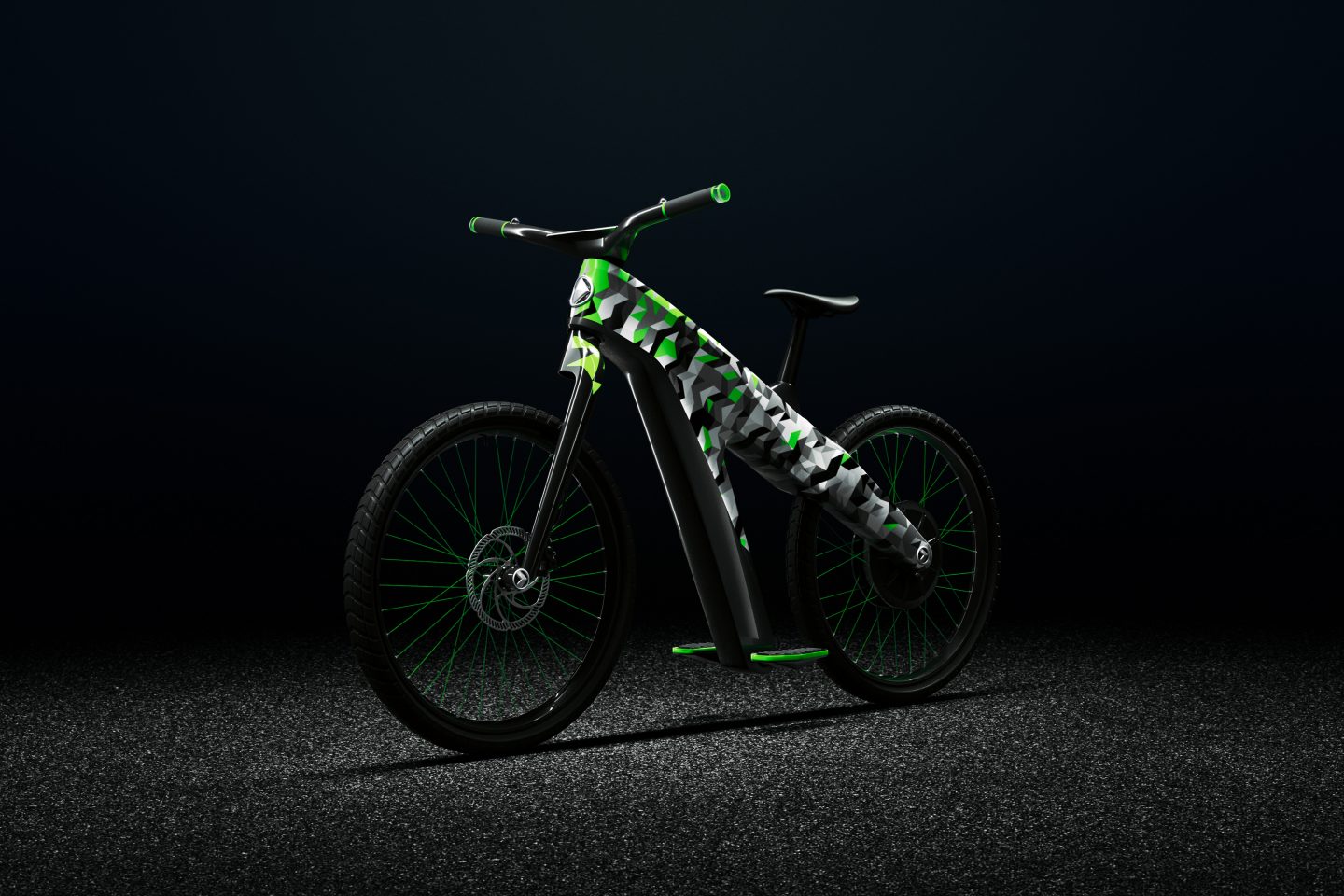
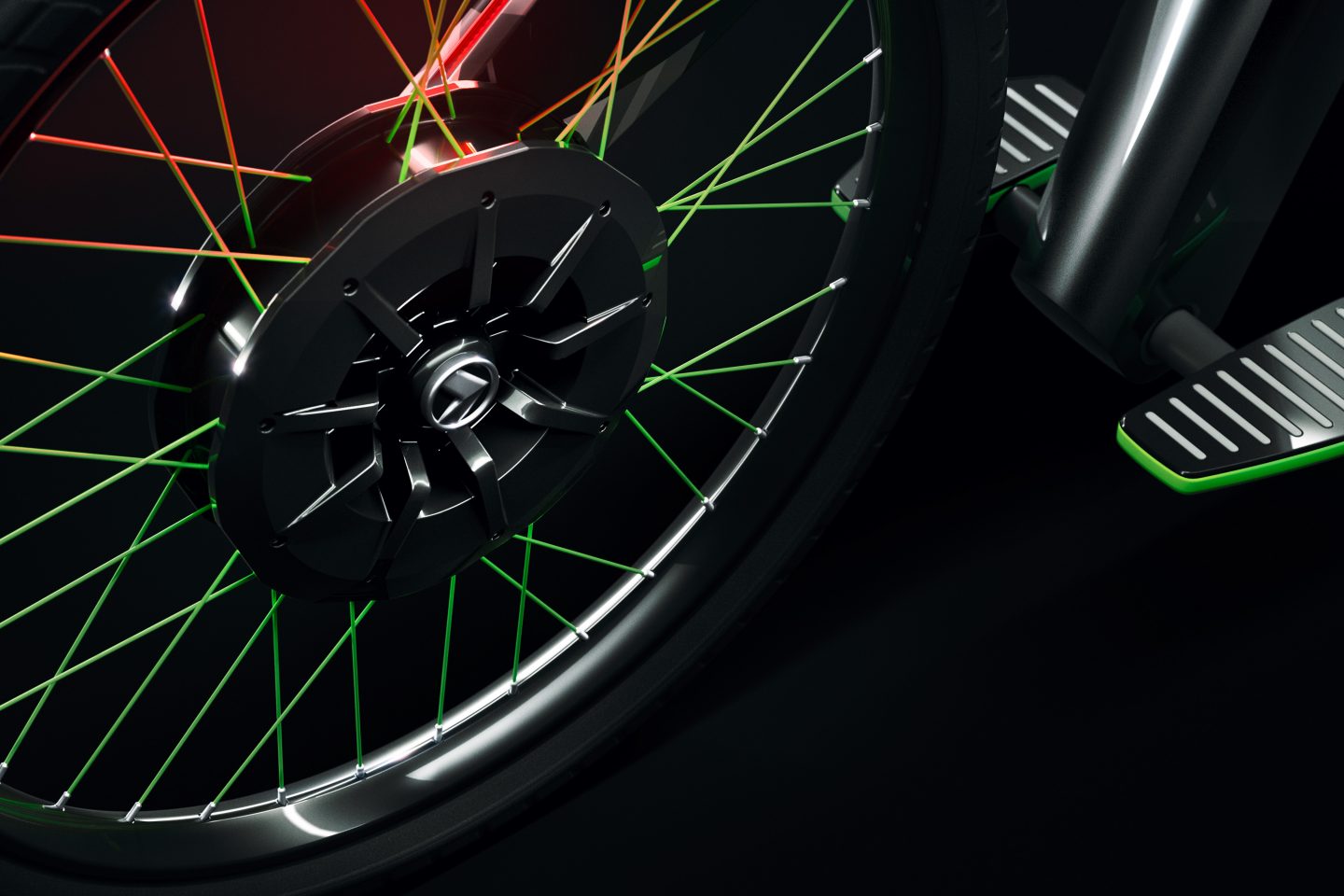
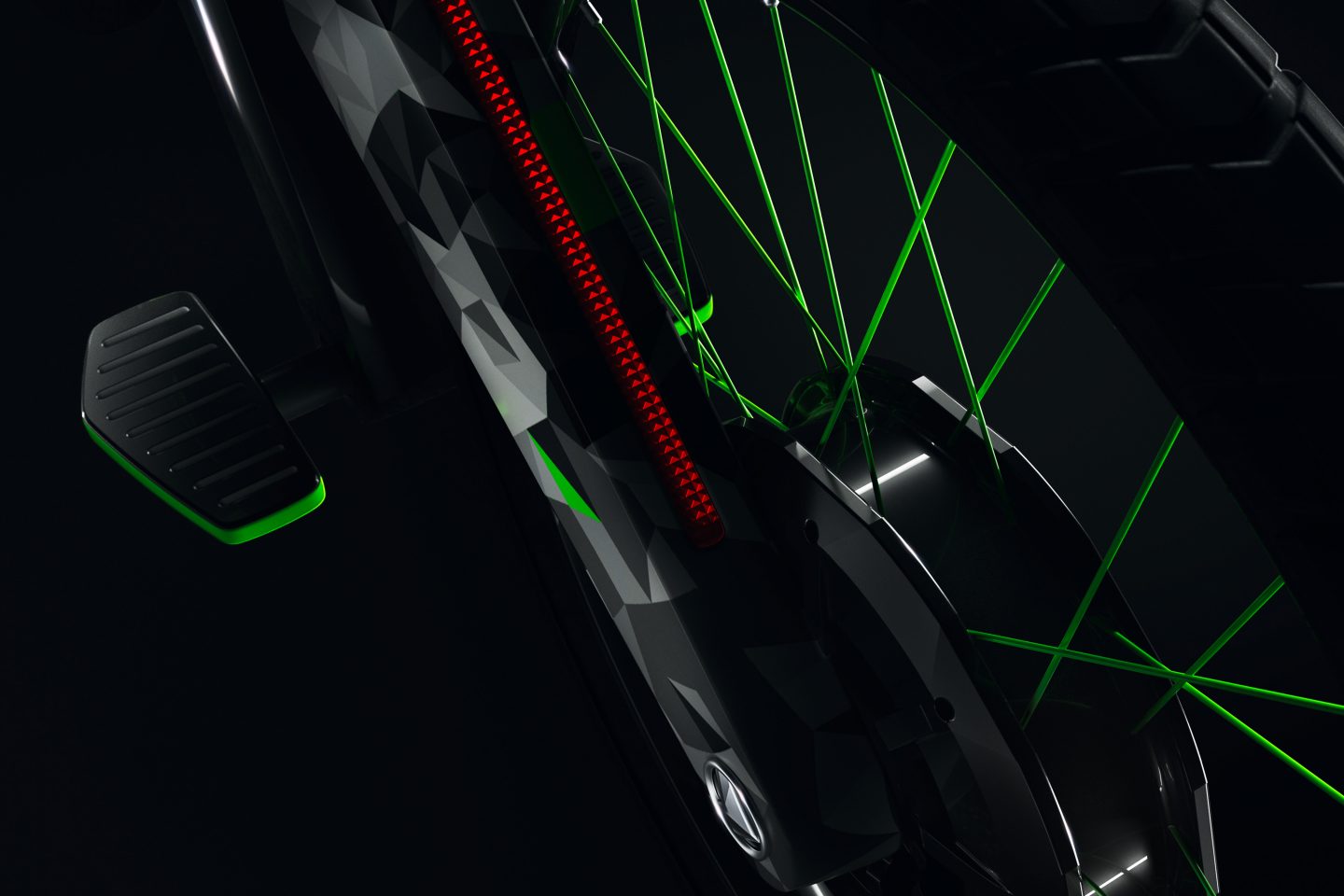
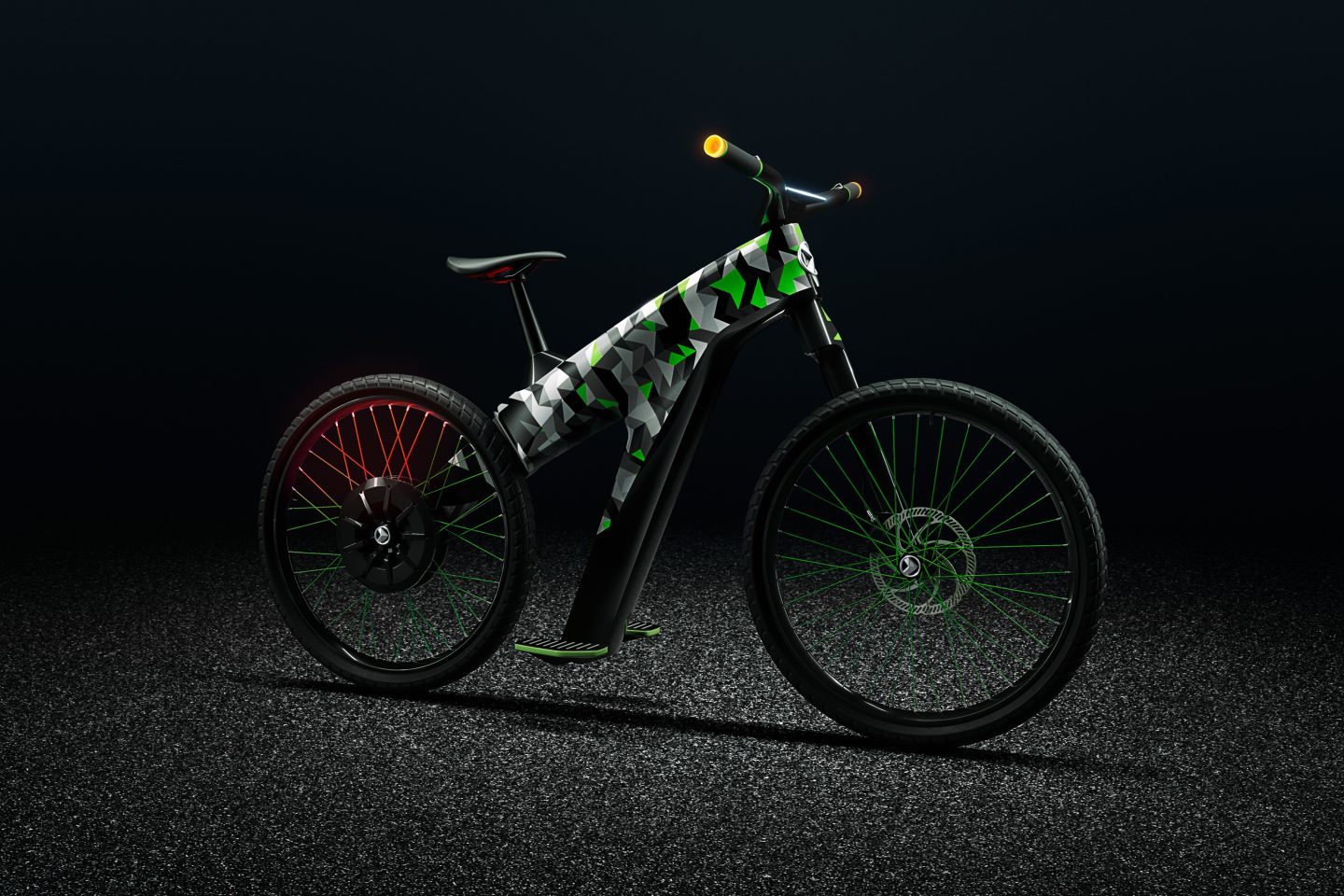
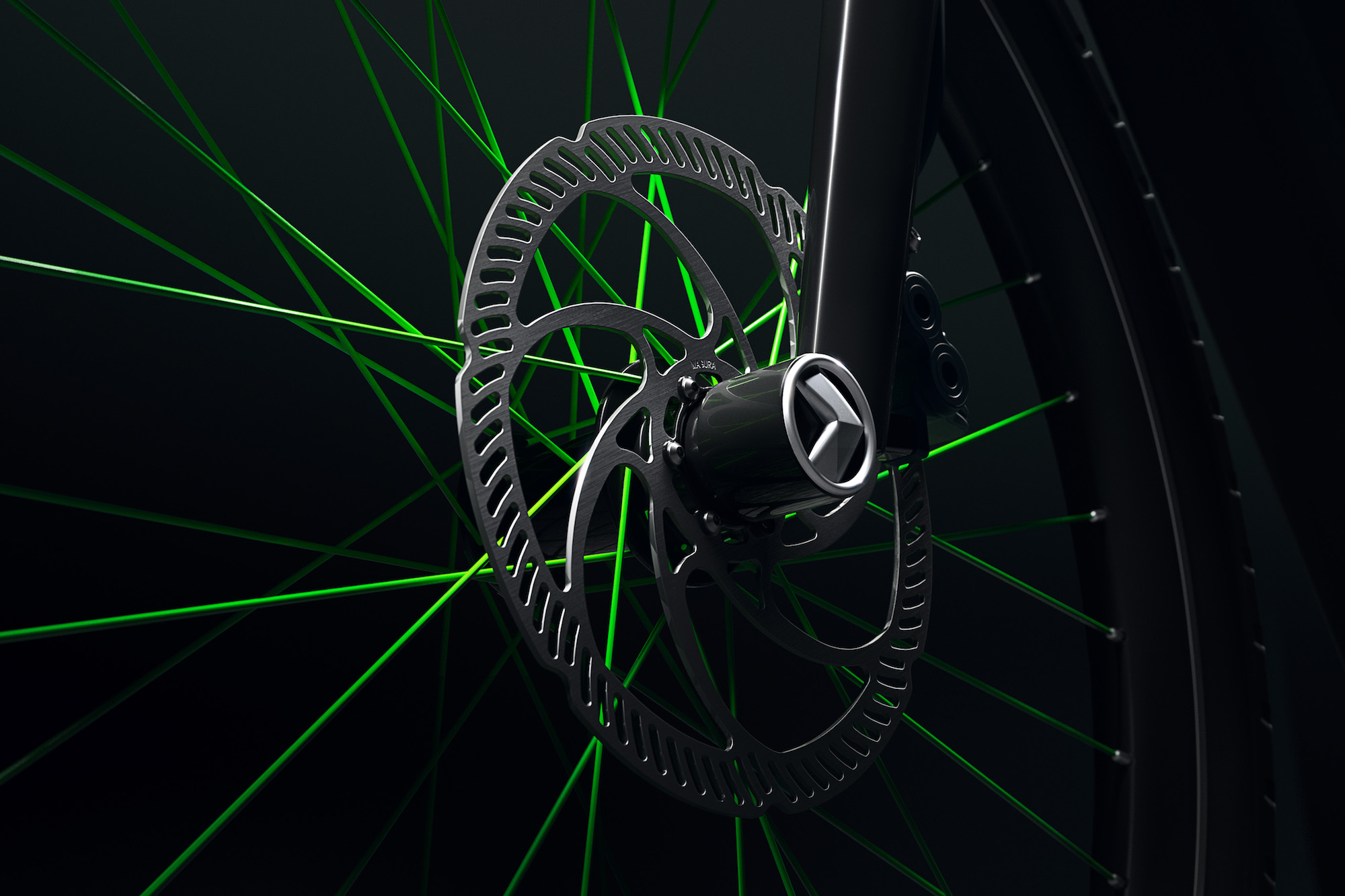
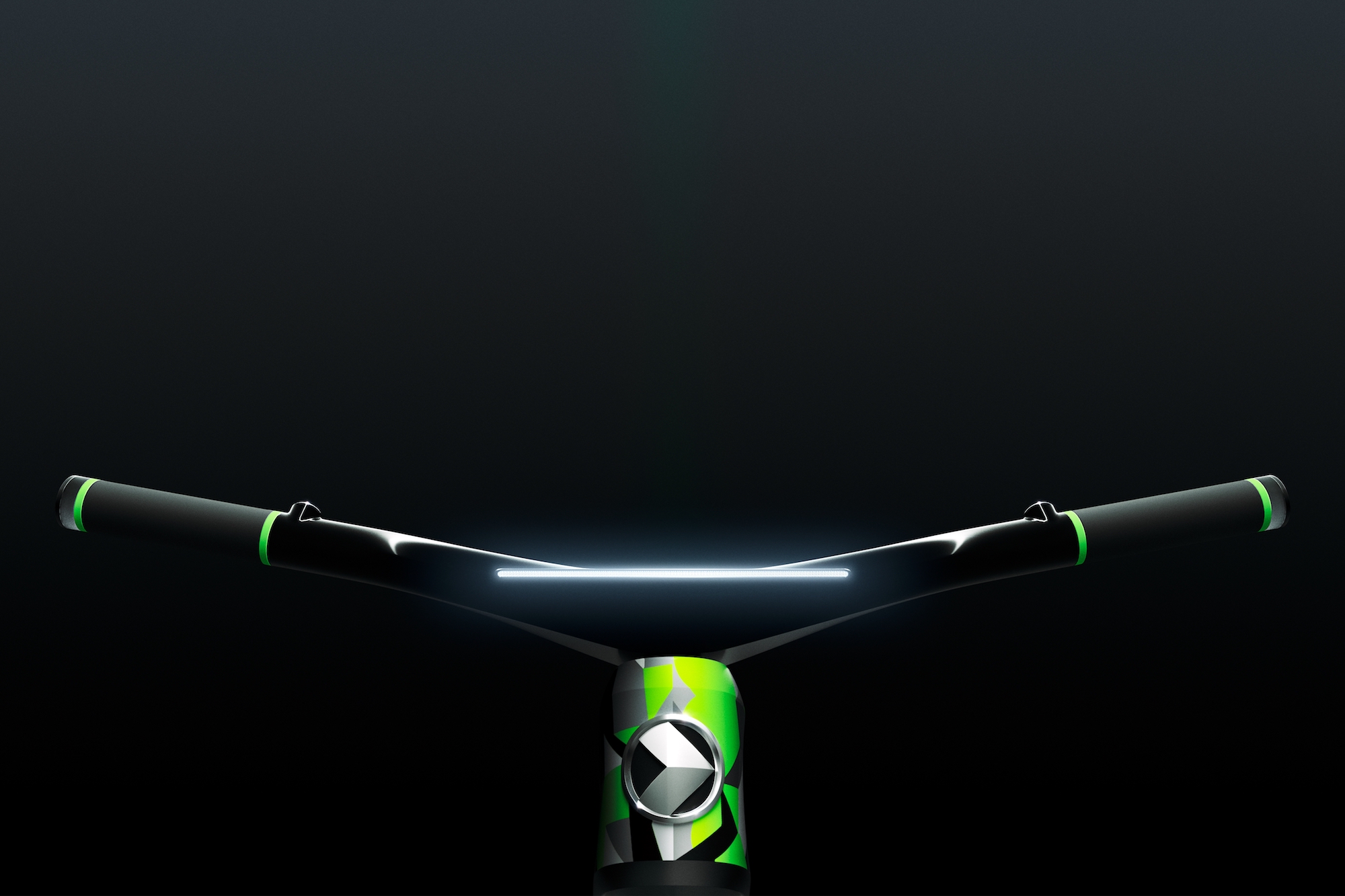
Rear wheel motor with recuperation, disc brakes with ABS, a brake light, a single-arm fork and one-sided rear suspension: These are not revolutionary approaches that Skoda is presenting with the Klement concept bike, but solutions that the bicycle industry has already implemented.
The idea of building the Skoda two-wheeler without cranks and with conventional pedals is completely new. The idea is to use a type of pedal that is not attached to cranks. Acceleration is therefore not achieved by pedaling with additional motor support, but by tilting the foot pedals, as is known from hoverboards. When the user shifts their weight forward on the pedals, the Klement's hub motor accelerates. When the pedals tilt backwards, a hydraulic disc brake at the front with ABS is activated, as well as a regenerative brake on the rear wheel.According to Skoda, this two-wheeler concept was developed for young people who are looking for a sustainable alternative to a car and expect it to be easy to use, fun, faster and more comfortable than a conventional bicycle. Skoda is also looking into the maps for future developments: Owners should also be able to program a restricted area of use via geofencing. And in the future, a series version could include many additional features such as assistance systems, function on demand or special mousse tires, which are made of a shock-absorbing foam that is also used in running shoes and thus ensure a comfortable and quiet ride.
Note: This content has been automatically translated from German. Please report any incorrect translations.