

Joe Broder and Andreas Kurmann - two pioneers of young Swiss talent
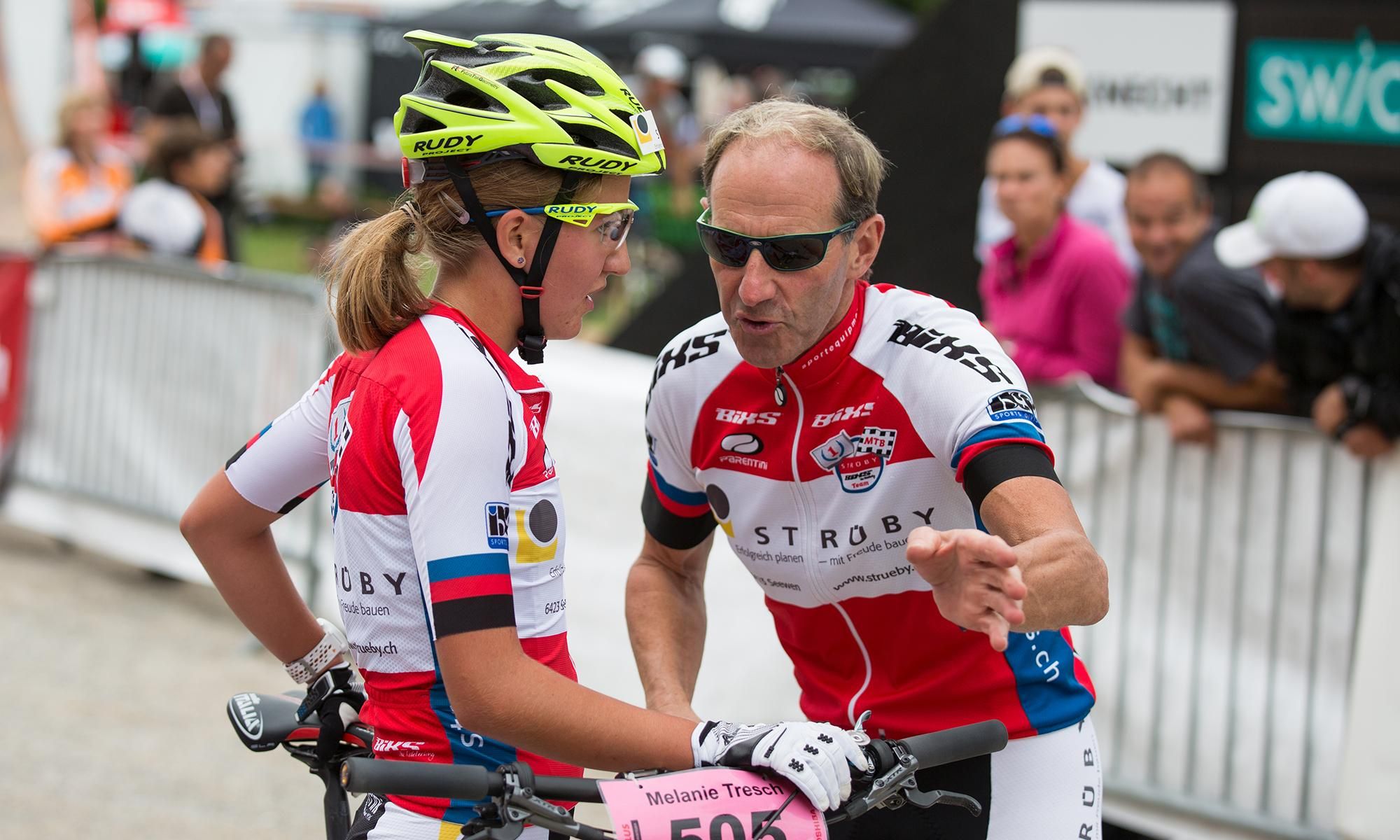
You have been committed to helping young people for many years. What drives you to do such important work, which you do alongside your professional activities?
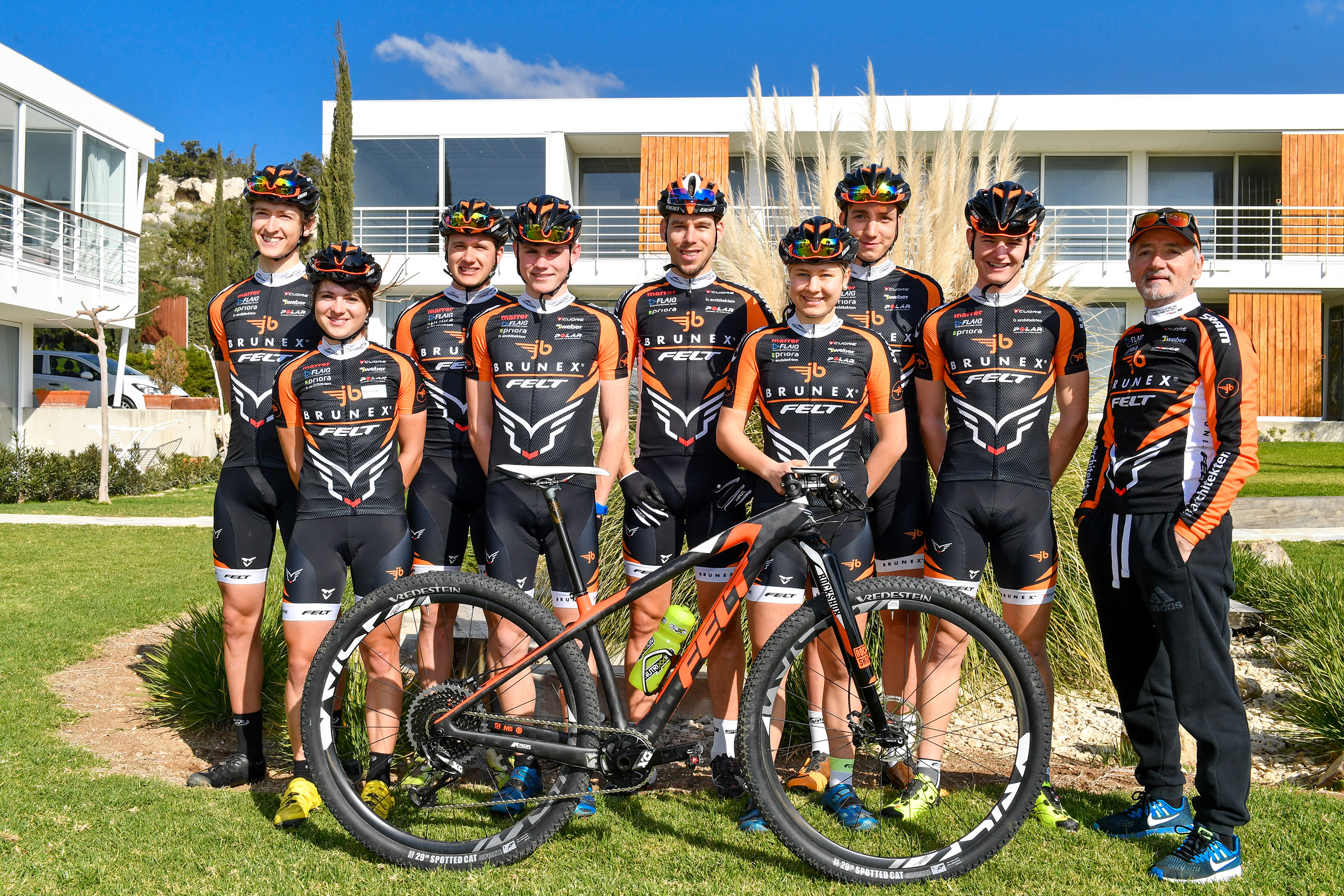
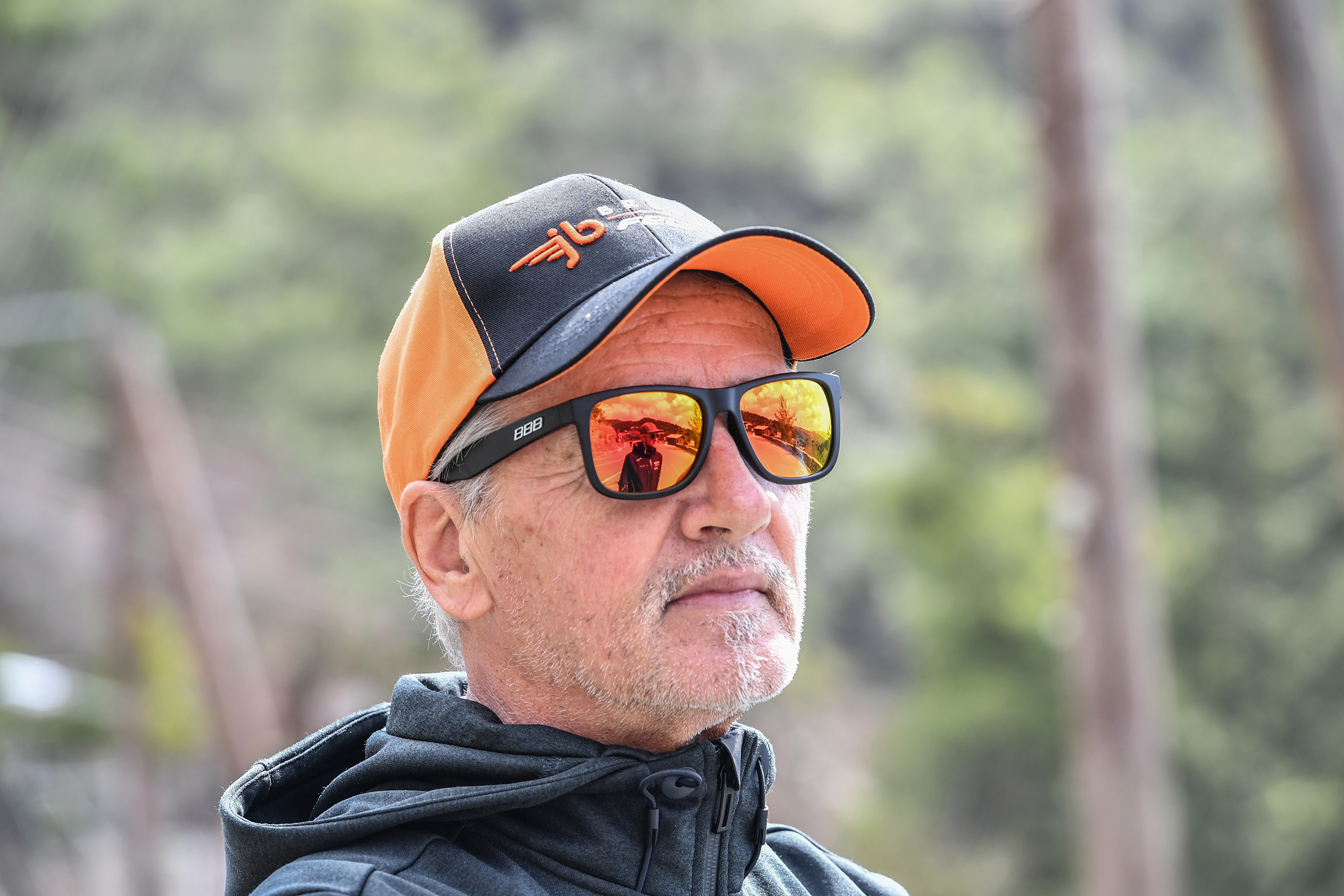
Joe Broder: I really enjoy working with young people. It's great to see how they develop. The great trust that many of our drivers place in me is an additional source of motivation. The young people achieve a lot, which always commands my respect.
Andreas Kurmann: For me, it's exciting to work with young people who are motivated to get involved in a sport and achieve something extraordinary. That's my motivation for doing this for 17 years now.
Can you quantify how much of your free time you spend managing your teams?
JB: Apart from a week's private vacation, the rest of my time goes straight into the team - out of great joy, as it's my hobby. I'm lucky that my wife Lisa is fully involved and does it together with me.
AK: I spend around 90 days a year with my team at training camps, World Cups and national races.
You both keep producing great talent, especially among the women. Where does that come from?
JB: From my time at Ghost, which was already an all-female team at the time, it became clear that I like working with women and that it's relatively easy for me to work with them.
AK: Not only that, Reto Indergand grew up in my team. He still trains according to my plans today. There are three main reasons for my success with the women: In terms of riding technique, I am still able to ride all the routes in the world myself and can support the women better on difficult passages. I feel the emotions and vibrations of the female riders well. There are also around three times as many riders in the men's category, which is why it's a bit easier in the women's categories.
Andreas, three of your most successful athletes are riding in international teams today. Isn't it frustrating when riders mature into world-class athletes, partly thanks to your work, and then they leave?
AK: Yes, it is. In football there are huge transfer fees - in mountain biking sometimes a thank you.
Joe, with Thomas Litscher you are currently experiencing the opposite trend - a world-class rider is coming to you. What does that mean for a team like JB-BRUNEX®-Felt?
JB: Actually, Thomas Litscher's company does not correspond to our team philosophy. However, as I have been following Thomas Litscher for many years and he has also grown out of a junior team and won a world championship title in the juniors and U23 categories, he is a model athlete for our team, so to speak. When Thomas approached me after the dissolution of Merida, I gave it a lot of thought. But because I always want to continue working on projects, I thought that this could be the way to take the next step. The effort certainly won't get any less. I've had lots of conversations with sponsors, as we're not in a position to pay Thom a salary, but we've found a temporary solution for a year so that we can perhaps launch a new project in 2018. We can cover his expenses for the racing season. Financially, it's a balancing act for us, as the collaboration came about quite late in the fall of 2016, when our budget and structure were already planned. Nevertheless, we see a great opportunity for our young athletes to measure themselves against Thomas Litscher and develop further. This is already harmonizing very well and gives everyone additional motivation.
Apart from Litscher, you have a huge talent in your team in Sina Frei, who could also join a bigger team at some point. Do you expect that to happen, or will there perhaps come a point where you even advise her to do so?
JB: At the end of 2016, she would have had the chance to move up to several professional teams. We are all the more proud that we can work with Sina for another year and offer her the chance to successfully complete her apprenticeship and have a stress-free season.
Finding sponsors is always a big issue. Are you in a comfortable position here, or is the budget rather tight?
JB: We are well positioned in terms of sponsorship, but the budget is always completely exhausted at the end of the year and it can happen that Lisa and I have to contribute something from our own pockets. The whole thing would of course be easy to solve with fewer young riders in the team, but that shouldn't be the goal.
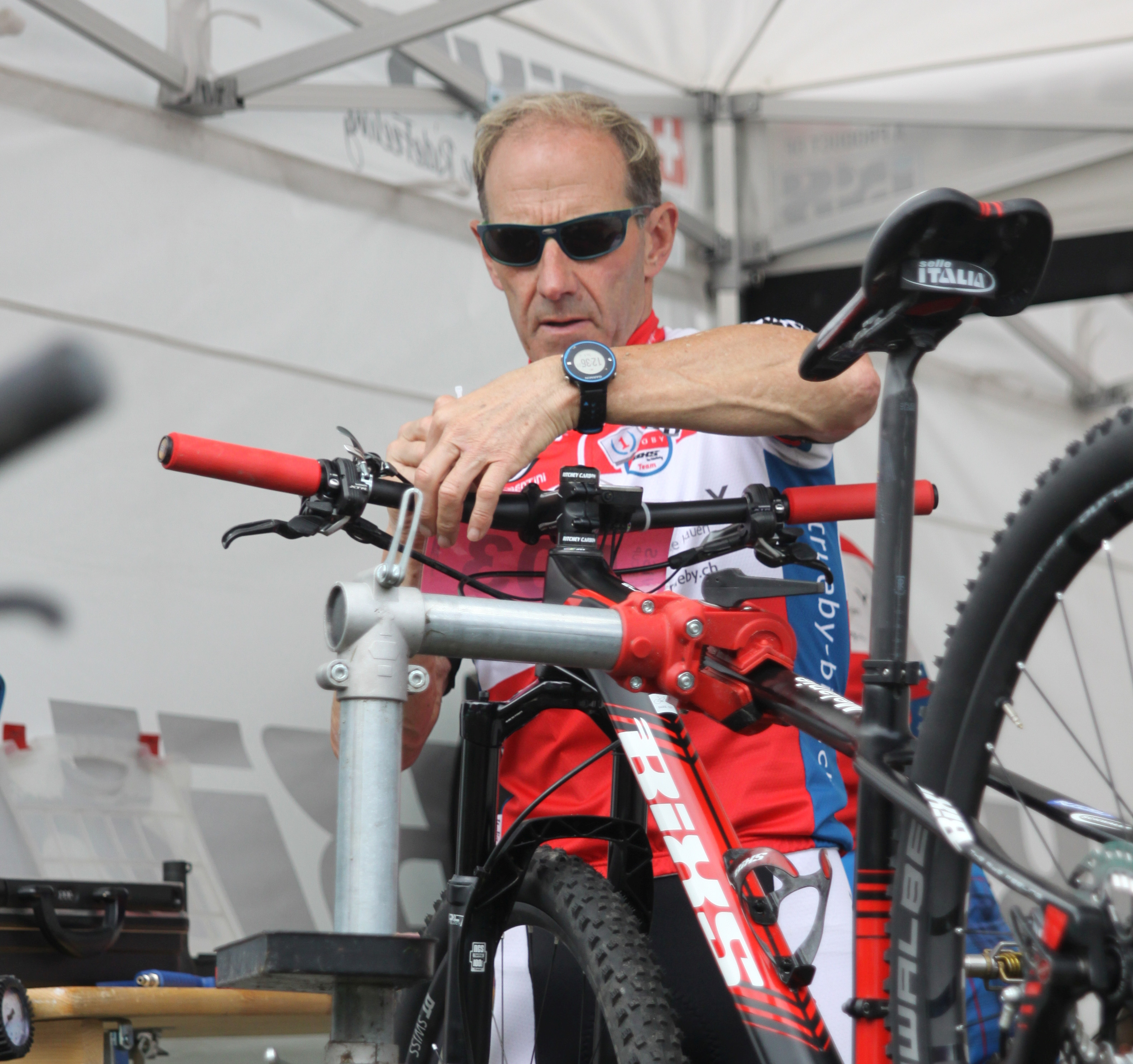
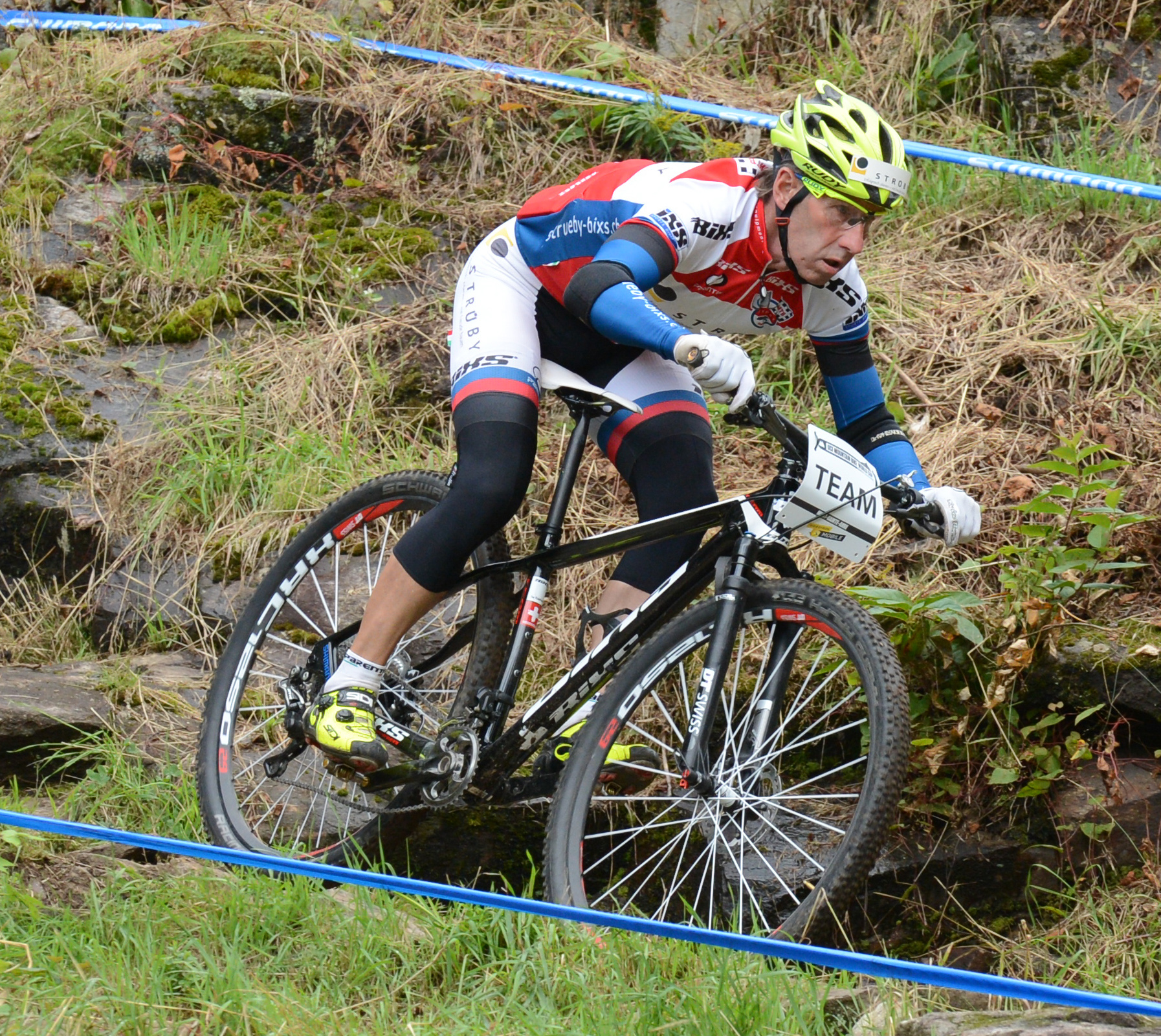
AK: With my main sponsors, Strüby Bau AG and BiXS - Intercyle, I am lucky to have two long-term sponsors. As I don't receive a salary, pay in a little myself and take on the tasks of team boss, coach and, for the most part, mechanic, I can make ends meet.
Andreas, after three world championship titles, is your team in a better financial position than before?
AK: Yes, that helps. On the other hand, keeping a world champion - Ramona Forchini - in the team also costs more money.
If you were to receive the financial resources from your or additional partners, would you aim for top teams like Scott, BMC or Radon or would you continue to focus on young talent?
JB: Our focus will always remain on young talent. But that doesn't exclude the others.
AK: My priority would be to promote the youngsters when they are world champions, pay them well and keep them in the team. Because I don't like doing the bidon stretcher or the bike cleaner for other riders.
In general, do you actually estimate what you do for young Swiss riders?
JB: In Switzerland, people don't talk about it so openly, but I really hope that the work of young talent in mountain biking is appreciated.
AK: The parents and the riders really appreciate my work, which gives me the energy and the joy to keep going. The association - well.
Where do you see Swiss mountain biking in four years' time? Will there be enough strong young talent to take on the great legacy of Neff and Schurter?
JB: I believe in young Swiss talent. There will certainly be talents coming up from the bottom again, but the teams, clubs and Swiss Cycling must also make their contribution.
AK: I am convinced that we can hold our own for a while yet. Unfortunately, a talent like Nino Schurter only comes along every 100 years or so. We must also never forget that the strength of Swiss mountain bikers is that they are individual lone fighters, even if they ride in teams. So we must continue to promote individuals. There is enough uniformity in other countries.
Note: This content has been automatically translated from German. Please report any incorrect translations.