

Workshop Crisis: Who Will Repair Our E-Bikes Tomorrow?
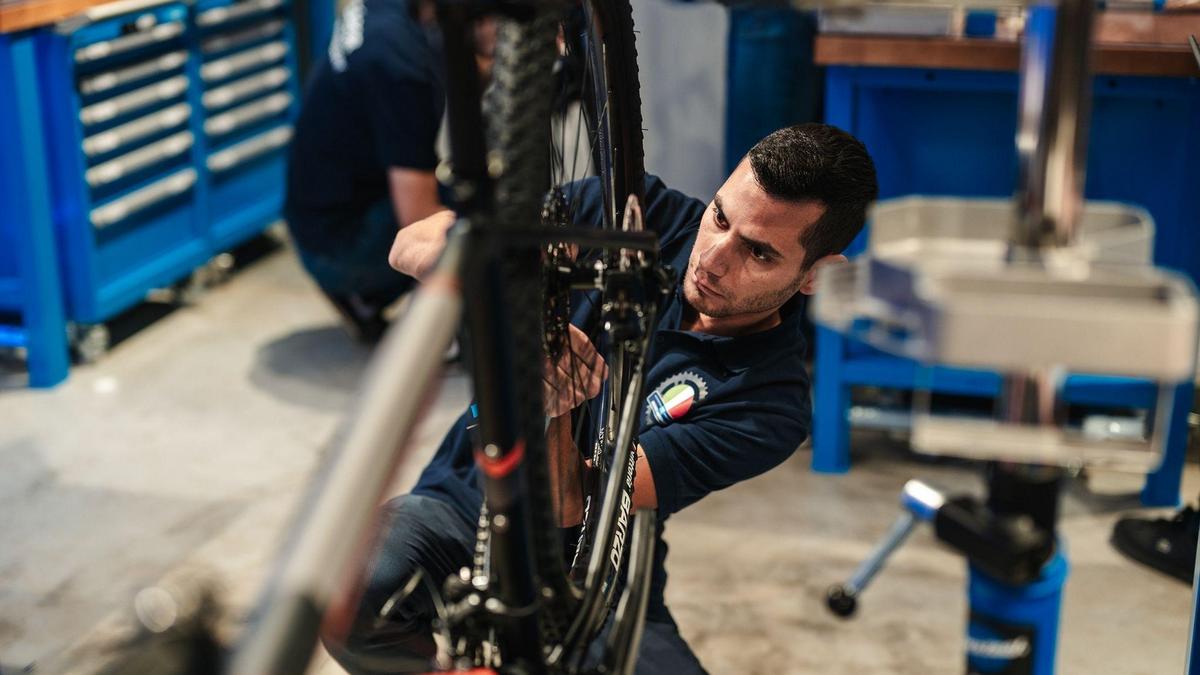
According to the new NextGen Mechanics Report, Europe’s bicycle repair shops are already short about 45,000 skilled workers. By 2032, the industry will need to recruit a total of about 105,000 new bicycle mechanics. This figure includes both new positions and replacements for employees leaving the profession.
Currently, an estimated 175,000 people work as bicycle mechanics across Europe. In six years, that number will need to reach nearly 250,000. The analysis is based on employment data from specialty retailers as well as more than 600 responses from 30 European countries.
The shortage is hitting the industry at an inopportune moment. For modern bikes, diagnostic software, firmware, batteries, and electronic drivetrains have long been part of everyday work alongside wrenches and torque wrenches. However, training, recognition, and pay have not kept pace with this development.
Ties Van Dijk of Shimano sums up the problem: “From conversations with bike shops, we know that the repair shop is becoming more important to their business every year, but they can’t find people.”
Riders are also feeling the consequences. A separate Shimano survey of 25,000 people cites high costs, long wait times, a lack of repair shops, and limited hours of operation as barriers to maintenance. As a result, an estimated 121 million Europeans are cycling less; 7.6 million are said to have given up cycling altogether.
The European industry association ECI is now establishing a permanent expert group. Among other things, it aims to develop more standardized training programs, attract new skilled workers, and ensure that the profession becomes more economically attractive.
Read the full NextGen Mechanics Report
Further content on this article


Note: This content has been automatically translated from German. Please report any incorrect translations.