

Tuning? The e-bike industry wants to shut down
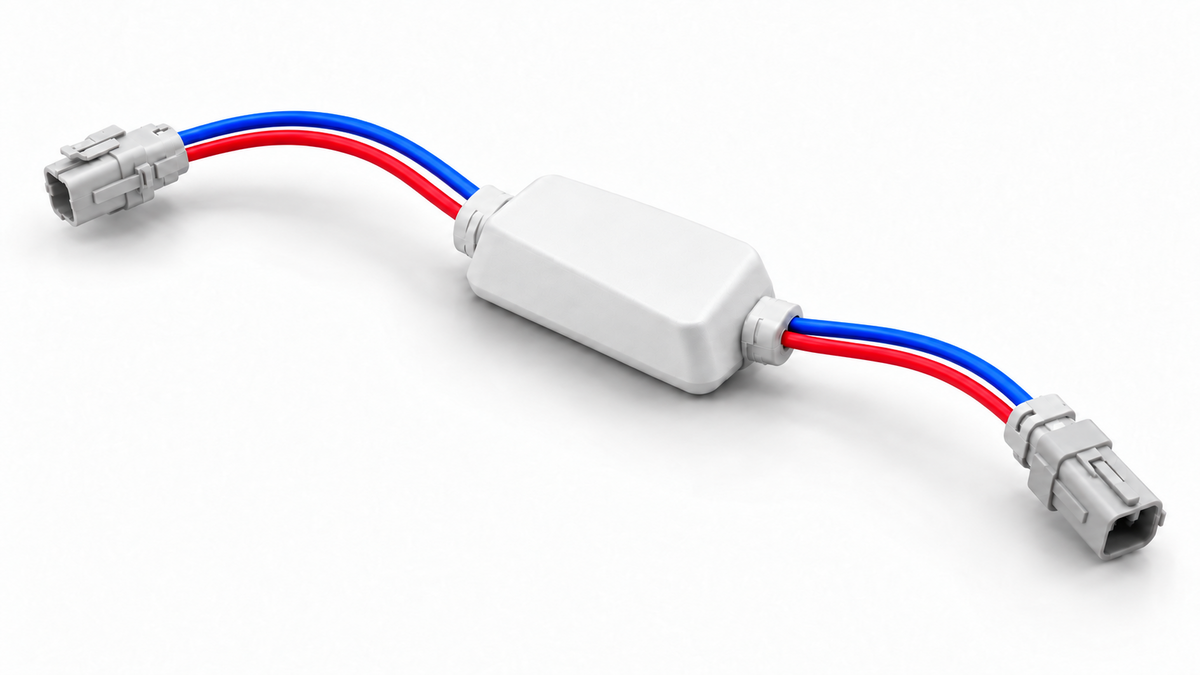
A dongle on the sensor, a software modification—and the motor provides assistance beyond the intended limits. European Cycling Industries (ECI) aims to make such manipulations significantly more difficult. In a position paper, the industry association specifies what it considers to be state-of-the-art protection for modern e-bike systems.
From the association’s perspective, it is not enough to simply secure the speed sensor. The software should cross-check its readings with additional information such as cadence and motor speed. Updates and important settings should be protected against unauthorized changes. Simple PINs, hidden menus, or easily accessible unlock codes are considered insufficient for this purpose.
If a drive system detects suspicious tampering, ECI lists possible responses: an error message, reduced motor assistance, or a required workshop inspection. Tamper-proof logs should make changes traceable. Legitimate maintenance, diagnostics, and repairs must remain possible.
Pressure is also expected to increase outside of development departments. ECI is calling for better testing tools for authorities and a more consistent approach to combating online tuning offers as well as related services in retail. According to Heise, the German associations ZIV and Zukunft Fahrrad also signed a European voluntary commitment against tuning on September 30. They are calling for stricter inspections and greater accountability from online marketplaces.
However, it remains unclear just how widespread tuning actually is. Heise points to a lack of official figures and studies on the link to accidents. Furthermore, the position paper is not a new law. It does, however, show the direction the industry is heading: modifications are to become technically more difficult to perform and easier to detect during inspections.
Note: This content has been automatically translated from German. Please report any incorrect translations.