

So that the World Cup doesn't go down the drain: UCI organizes the entire World Cup in the Caribbean
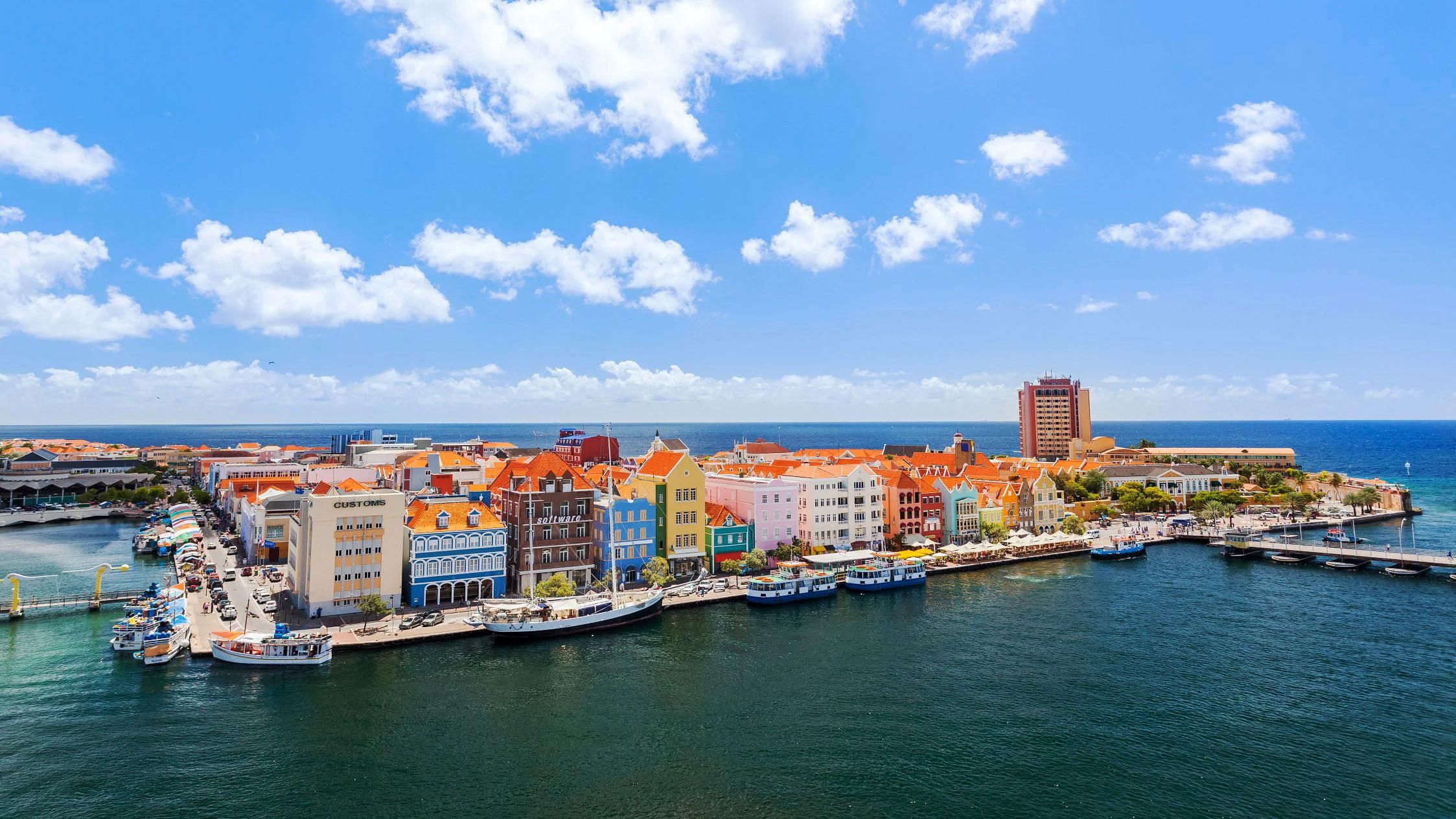
The hearts of mountain bike World Cup fans are bleeding. Due to the coronavirus pandemic, UCI Mountain Bike World Cup races are constantly being canceled or postponed to unspecified dates. "Watching races on Sundays and cheering on Red Bull TV has become a tradition in so many households that we now have to take action for mountain bike fans too," the UCI press department announced. A contingency plan for such scenarios was drawn up back in 2006. At that time, a cross-country World Cup was held on the Caribbean island of Curaçao. Many people rubbed their eyes at the unusual venue at the time. Today, it is clear that it was a test run for the UCI's pandemic plan. The emergency plan is now being activated. Curaçao has an attractive and proven cross-country course thanks to the 2006 competition. The vacant vacation apartments would provide the perfect infrastructure to keep the World Cup squad in a kind of top-class sports quarantine for an extended period of time, according to the UCI.
Six different courses in one
Beat Wabel, already responsible for the World Cup on Curacao during the test run and now Head of Pandemic Strategy at the UCI, is responsible for the smooth running of the World Cup quarantine. "Together with the last Curaçao World Cup winner Bart Brentjens, we have worked out six routes based on the 2006 World Cup route. This will be ridden once on the left, once on the right, once in a figure of eight, and so on. This way, the athletes are challenged anew in every race, for example when the downhill in one race becomes an uphill in the following competition."
In order to keep the personnel costs on site manageable, the UCI is limiting itself to two journalists. Photographer Armin Küstenbrück and author Erhard Goller will accompany the World Cup entourage during the several months of quarantine. Incidentally, they are also the only two members of the media who took part 14 years ago. The media team will be complemented by three broadcast specialists from Red Bull TV, who will ensure the transmission of the six races.
Strict program - no vacation camp
As early as next week, the entire World Cup squad will be flown out to the Caribbean on chartered planes after everyone has been tested for the coronavirus. In Curacao, the entire northern part of the rather small island will be reserved for them. However, they are not allowed to leave the fenced-off area of the island due to the potential risk of infection. It is also forbidden for strangers to enter the area. This is followed by six weeks of training in quarantine before the start of the season on May 16. There will then be a World Cup race every two weeks, five in total. The short track race is scheduled for Saturday, followed by the cross-country showdown on Sunday. In this way, the UCI can hold the entire Cross-Country World Cup in just over two months. The grand finale will take place on July 26. UCI pandemic manager Wabel says: "This tight program ensures that we can support this special edition of the World Cup financially and that the riders will find fair conditions."
It is still unclear whether a similar scenario will occur in the downhill discipline. "We are working under high pressure and are currently examining a number of options." One of these possibilities could be Buttes in the Neuchâtel Jura, as Ride has learned from well-informed sources. Downhill races were successfully held there until the end of the 1990s. It is also relatively easy to designate large quarantine regions in the sparsely populated and hilly Jura and seal them off from the environment, as will be done in Curacao.
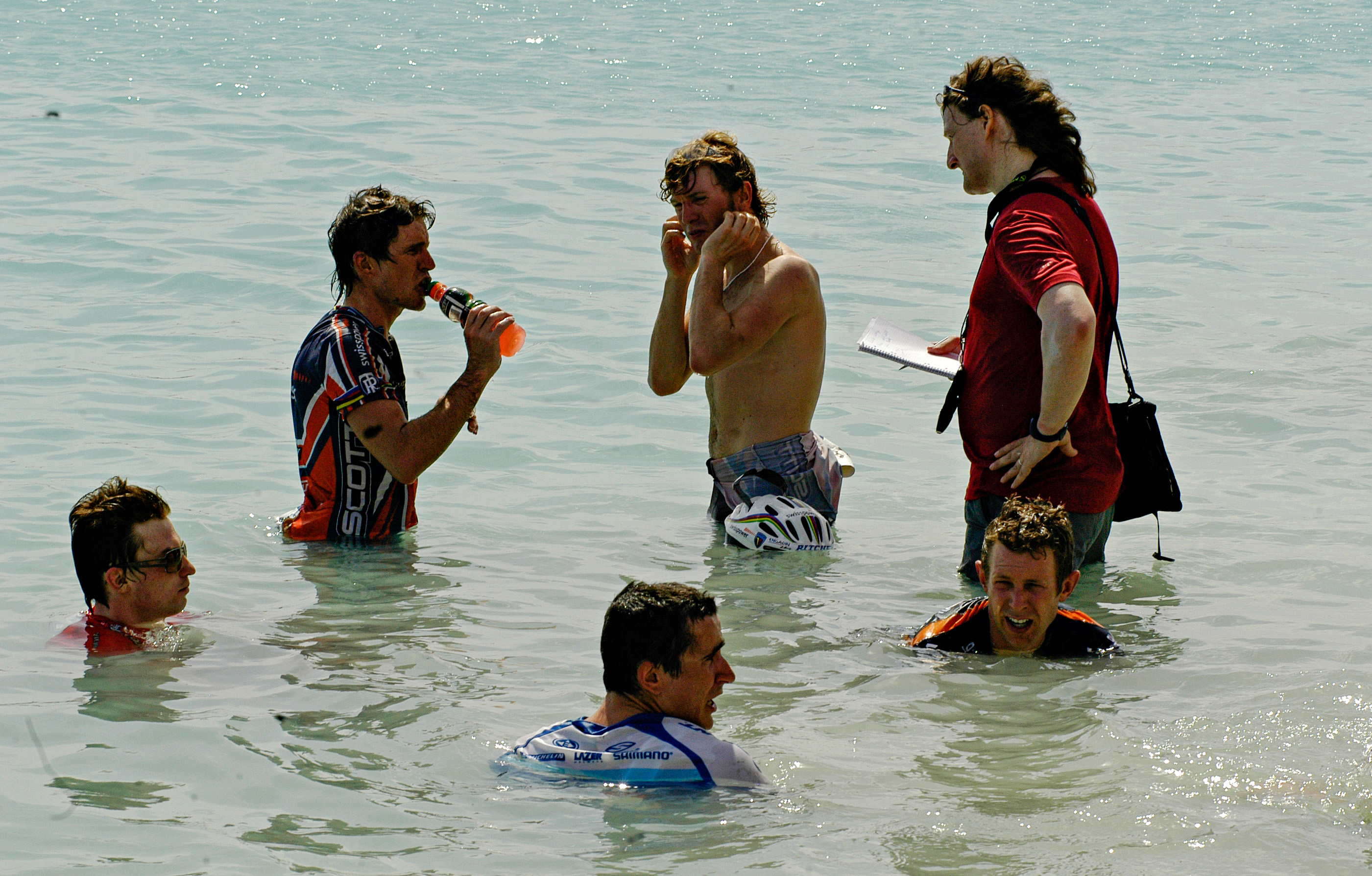
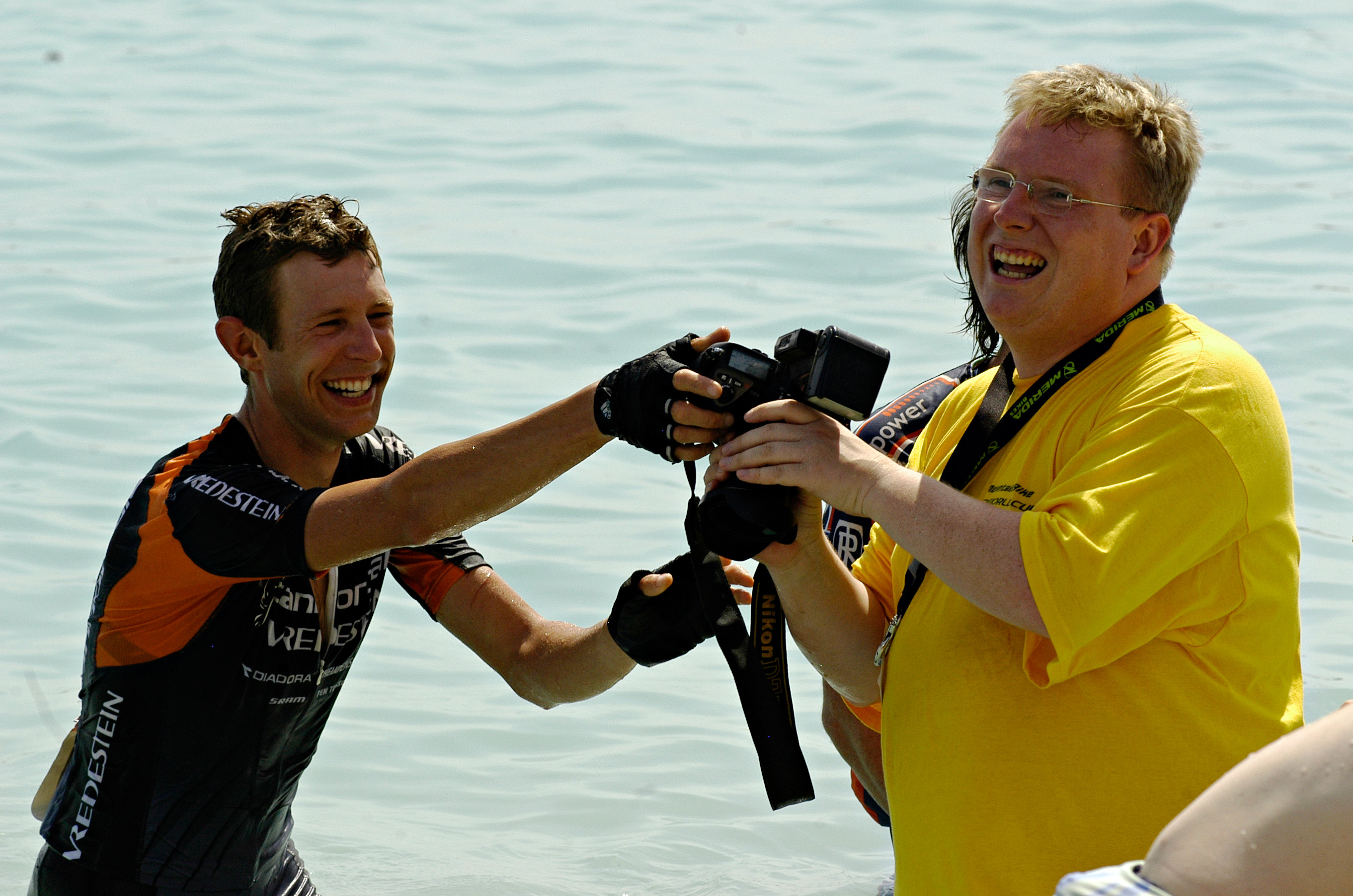
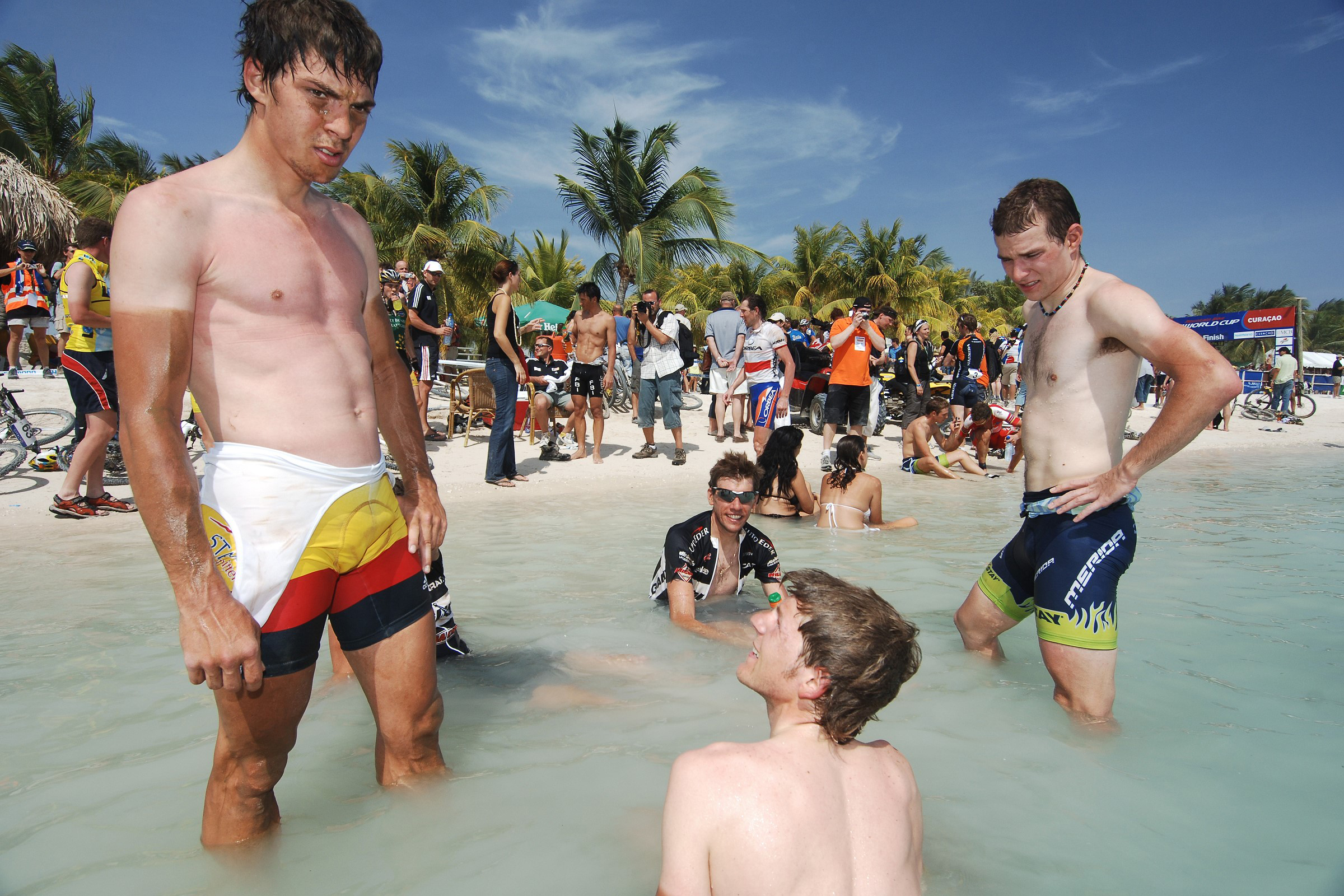
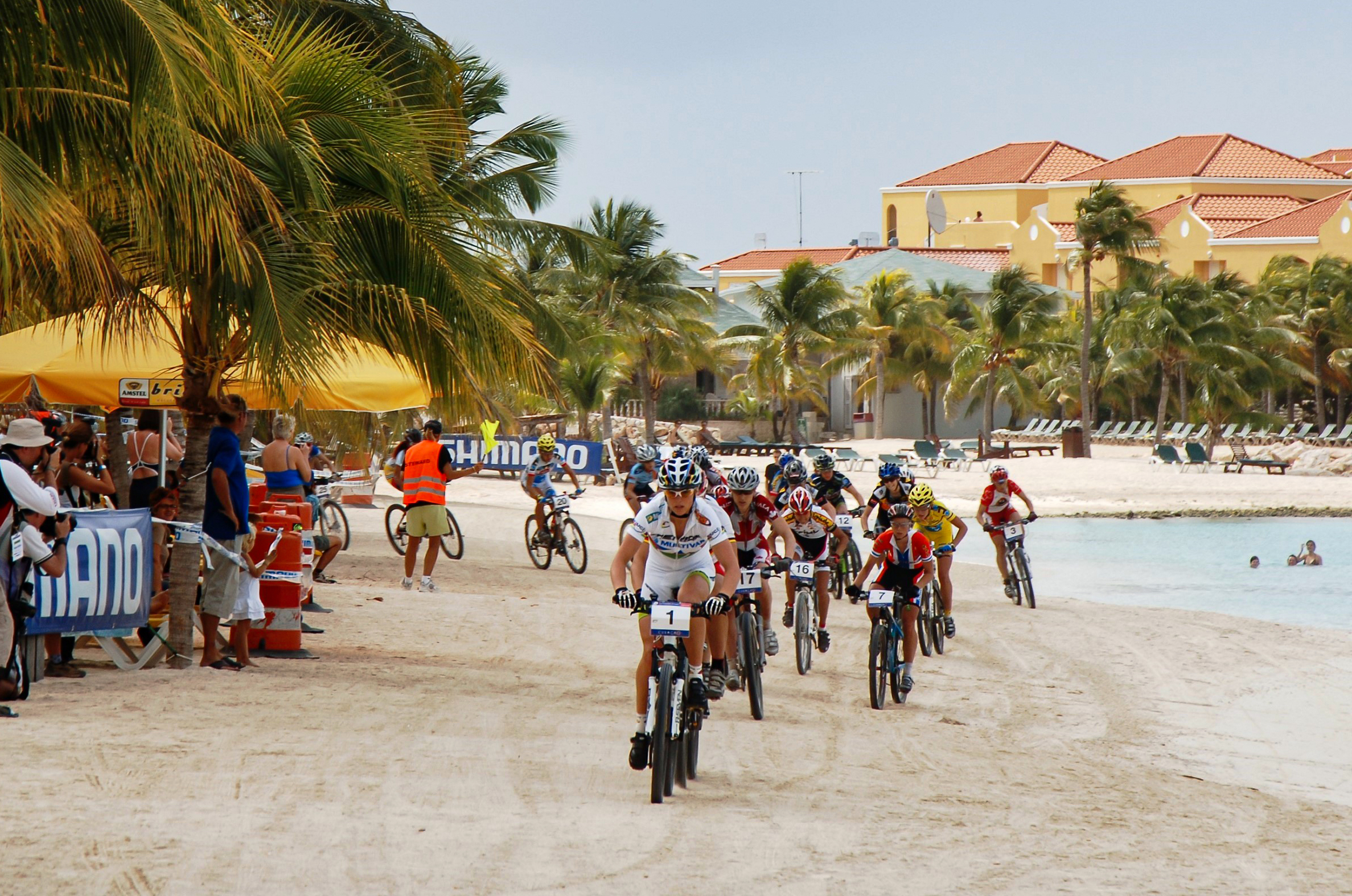
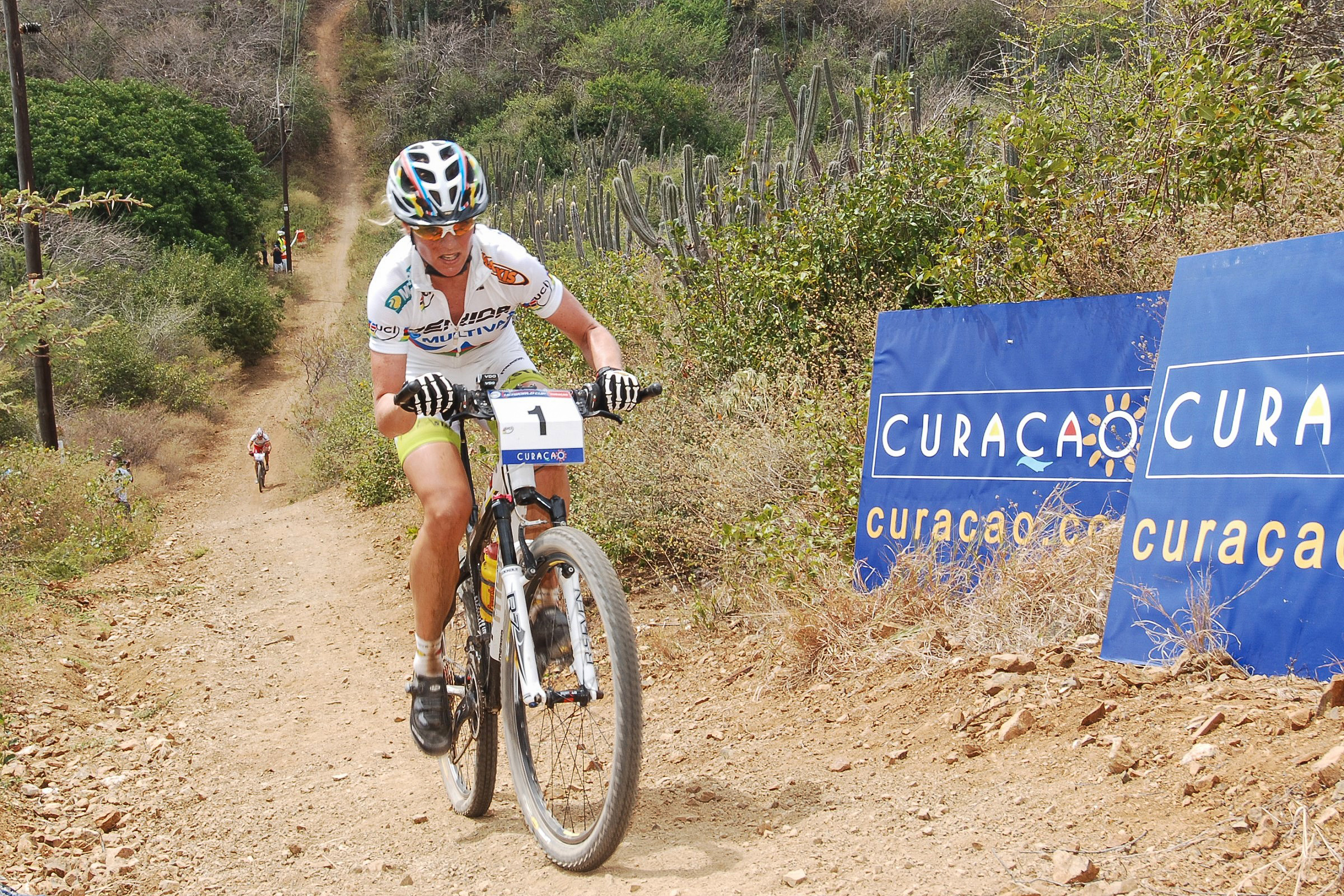
Impressions from the Curacao World Cup 2006

Further content on this article
Note: This content has been automatically translated from German. Please report any incorrect translations.