

When Style Cuts Wage Replacement in Half After an Accident
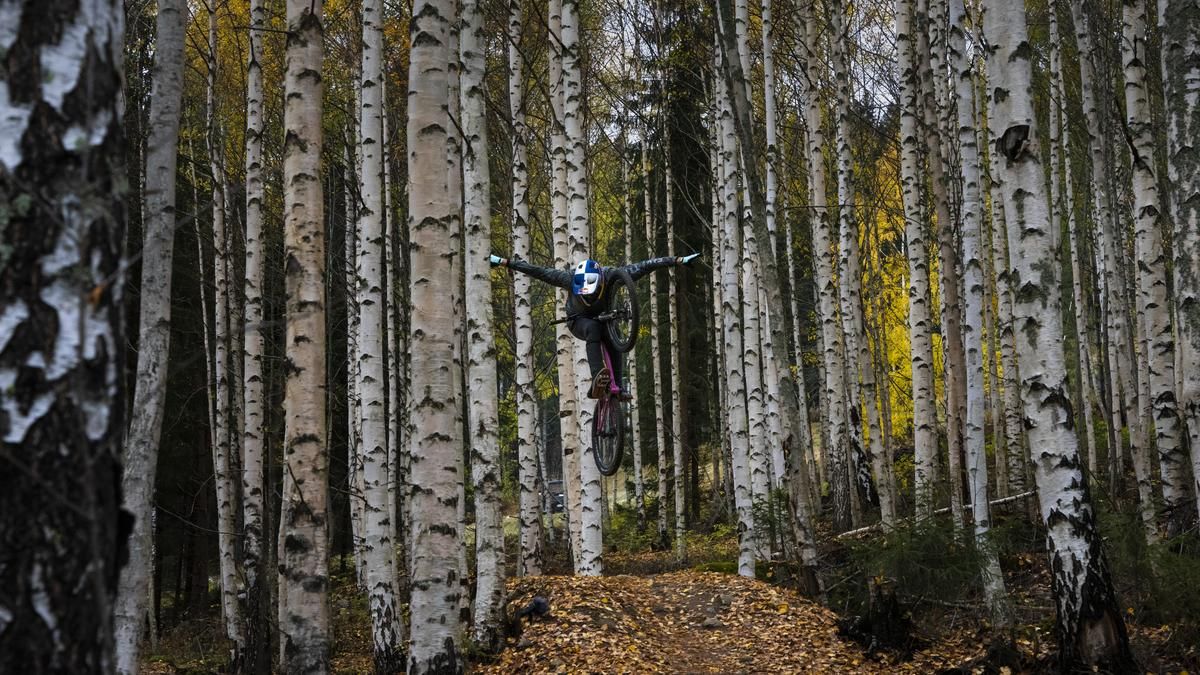
In February 2014, a road construction worker in Lenzburg, in the canton of Aargau, fell at a dirt jump park and broke his wrist. The Swiss Accident Insurance Fund (Suva) cut his daily allowance—that is, the wage replacement paid during incapacity to work—in half. Instead of 80 percent of his wages, he received only 40 percent. The man appealed, and the competent cantonal court overturned the reduction, ruling that anyone who jumps only as a hobby and does not perform any special tricks does not expose themselves to significant danger. Suva appealed to the Federal Supreme Court and won the case. In 2015, the judges classified dirt biking as an inherently risky activity, even as a hobby. The rider alone determines the speed and difficulty of the jumps, making the risk incalculable.
For the insurance company, it’s the trick that counts, not the ramp
“Absolute” means that even those who ride well, wear protective gear, and are cautious receive less compensation. The court argued that even under these conditions, the risk could not be reduced to a reasonable level. In 2016, accident insurers adjusted their practices. Since then, it is no longer dirt biking as a whole that counts, but rather the stunt: flips, spins, taking hands off the handlebars, or feet off the pedals. According to Suva, it doesn’t matter where the jump takes place—whether in a bike park or in the woods.
A backflip over a kicker is thus on the same list as base jumping or speedflying.
The Federal Supreme Court had viewed the risk primarily in terms of the height of the jumps, with acrobatics further increasing it. Today, however, insurers do not focus on the height but on the trick itself. If an inexperienced rider rides straight over a large jump, they do not automatically reduce coverage. If an experienced dirt jumper takes their hands off the handlebars over a small kicker, they generally do. Suva justifies this with the ruling: In dirt biking—which was the subject of the case at the time—acrobatic maneuvers are the main focus.
Even without a trick, it can get expensive
However, even a jump without a trick isn’t fully covered in every case. Suva can also reduce benefits by half, for example, if someone grossly violates the usual safety precautions. Someone who simply rolls over a jump is generally not affected, except perhaps in a race. Downhill races are considered an absolute risk anyway.
The insurance also covers the full cost of treatment even in the case of a high-risk activity. Only the wage replacement is reduced, and in the case of recreational accidents, this is only paid to employees who work at least eight hours per week for an employer. It’s rare anyway: According to Suva’s own estimates, it reduces benefits for mountain bike accidents 5 to 15 times a year, about half of which involve downhill riding.
Why at all? Premiums for leisure accidents are generally paid by the employees themselves, through a deduction from their wages. Without the reduction, everyone else would have to bear the full risk of the individual’s actions. Suva writes that the legislature intended to prevent this through the reduction.
In Germany and Austria, there is no risk-based reduction
In Germany, recreational accidents are not covered by statutory accident insurance. The employer continues to pay wages for six weeks, unless the employee is at fault. Simply participating in a dangerous sport is generally not sufficient grounds for this. In Austria, too, accident insurance does not cover recreational accidents. Wages continue to be paid there, except in cases of intent or gross negligence. However, after a sports accident, health insurance generally does not cover either rescue or transport down to the valley.
For mountain bikers in Switzerland, this means: If you don’t want to give up your stunts, it’s best to check in advance whether your employer has taken out supplemental accident insurance that waives reductions for risky behavior. Otherwise, you can take out supplemental insurance yourself through a private insurer; Suva is not allowed to offer this. With such insurance, a failed no-hander won’t cost you half your wage replacement as well.
Further content on this article

About the author: Men Danuser
Note: This content has been automatically translated from German. Please report any incorrect translations.