

A bridge builder from Graubünden ensures flow on the Alps
In Switzerland, the number of mountain bikers is steadily increasing. New trails are being built, existing paths renovated and tours advertised. However, the existing hiking and biking network often rides over alpine pastures and through fenced grazing land, in many places still only passable through impractical crossings or passages. These many cattle fences are a constant source of discussion. On the one hand, they hinder the enjoyment of driving, while on the other, farmers are rightly annoyed when manual passages are not closed correctly or not closed at all.
Advantages for both sides
To avoid conflicts with farmers and recreationists, Guido Schweizer from Obersaxen in the canton of Graubünden looked for solutions. Systems such as gate bars were out of the question for him, as they can leave scratches on frames or hit hands or knees. Other systems also require the ride to be slowed down considerably, explains Schweizer.
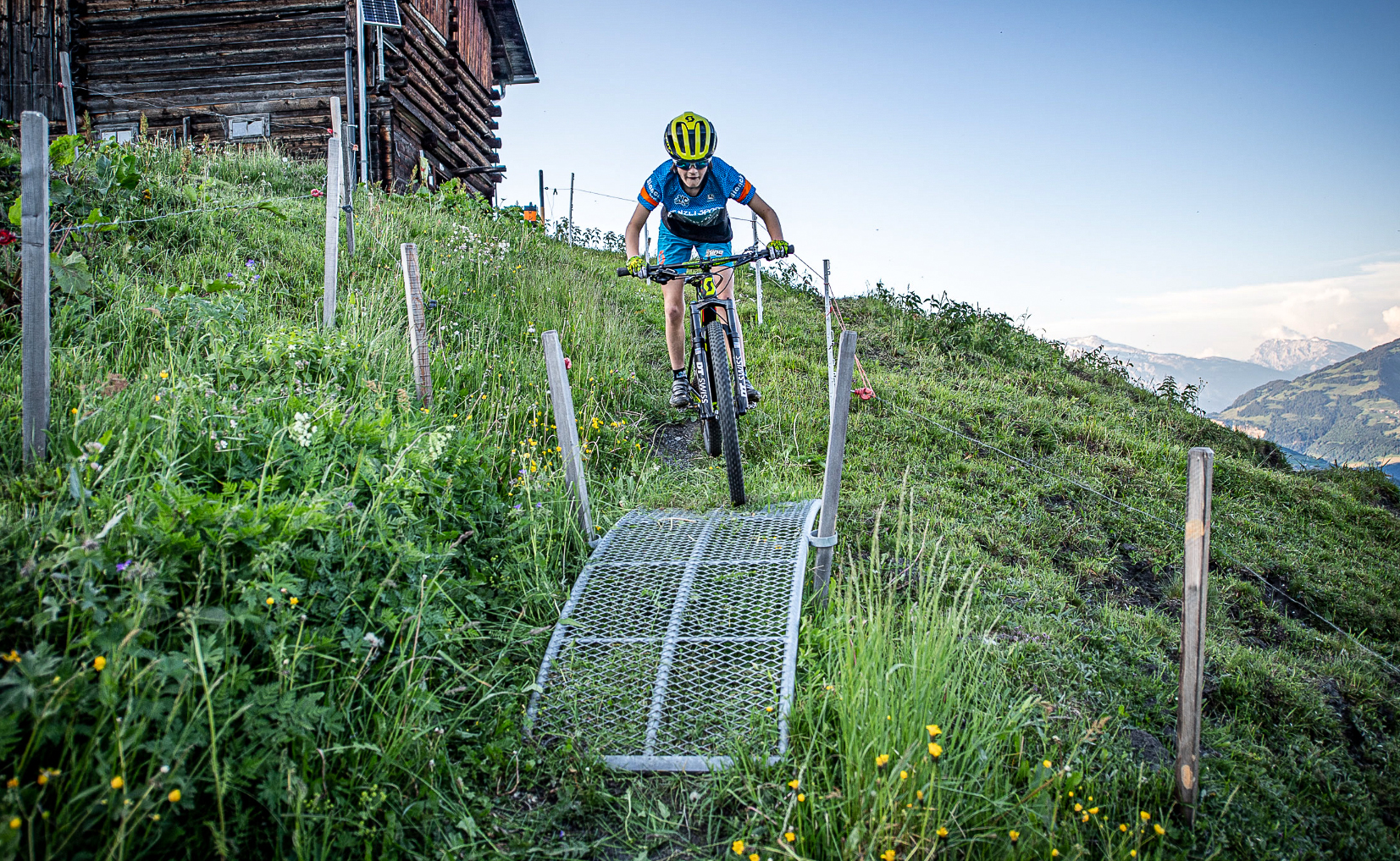
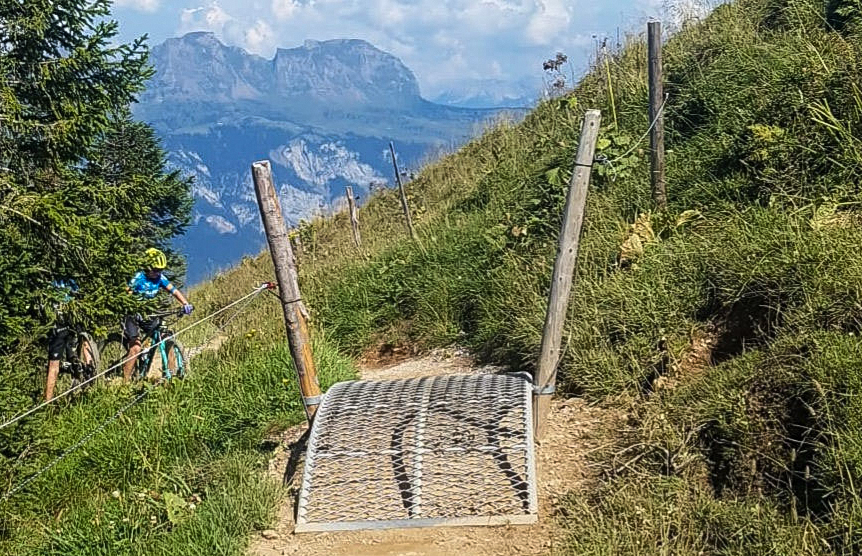
His solution is a two-meter-long steel bridge as a bike and hiking crossing. According to his own tests with the farmers, the cattle avoid these crossings, but they are relatively easy to pass with mountain bikes. The advantage of these bridges is that the circuit of the electric fences always remains closed. This eliminates the annoying search for power cuts for farmers. Accidents caused by closed fences and unmarked wires should also be a thing of the past.
Movable and durable
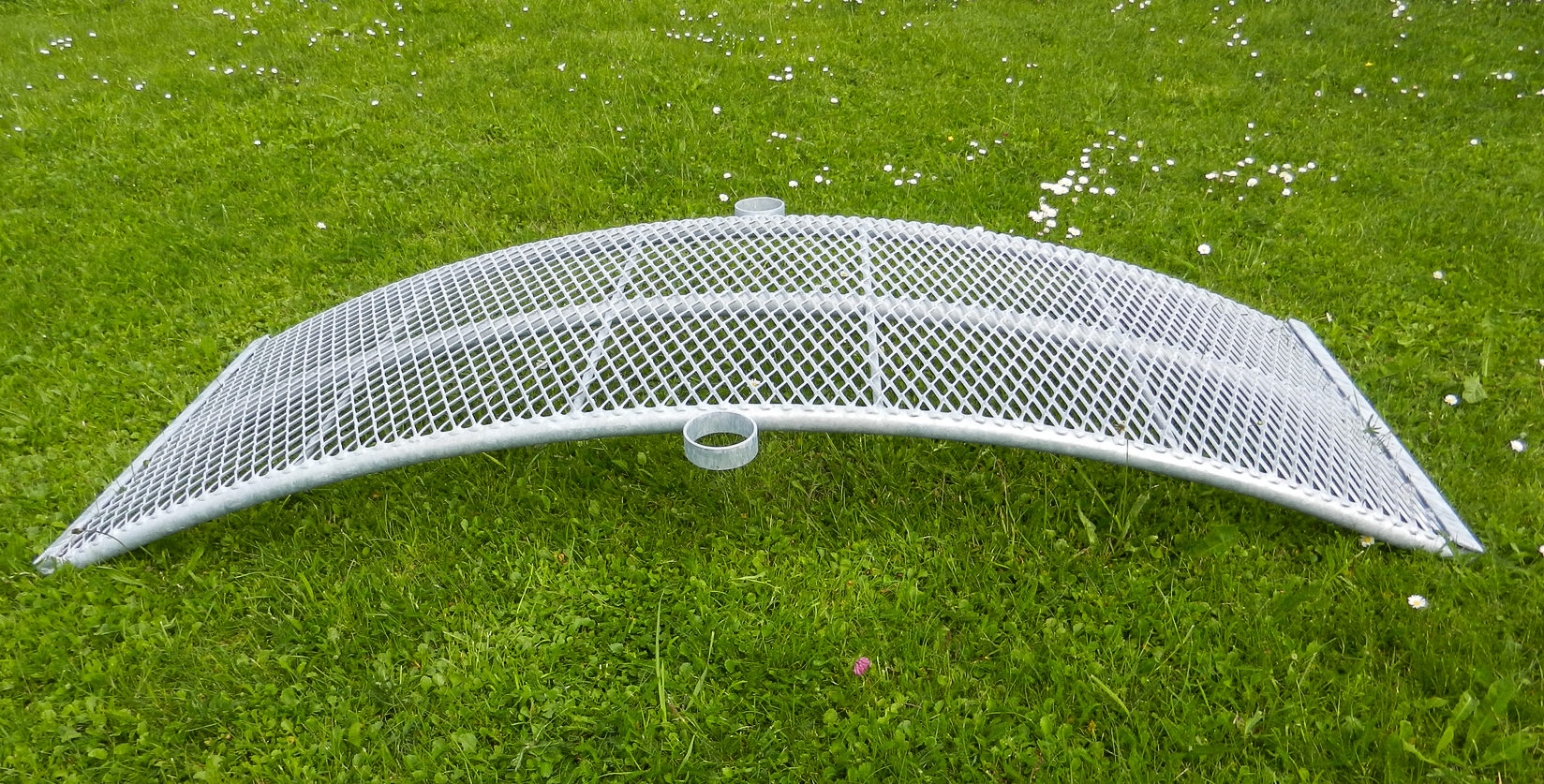
The steel structure is two meters long, 80 centimetres wide and 30 centimetres high and weighs around 28 kilograms. This should make it relatively easy to move. Guido Schweizer can also produce transitions in other dimensions on request.
The substructure consists of tubes that are covered with a non-slip expanded metal and welded together. The bridges are hot-dip galvanized and can therefore be used for many years. The crossings are also stackable - ideal for storing them in winter, for example. They cost 500 francs each.
These fence bridges are now being used in tourist regions such as Obersaxen-Lumnezia, Flims Laax Falera, Arosa-Lenzerheide and St. Moritz, as well as in Leukerbad and Flumserberg.
Note: This content has been automatically translated from German. Please report any incorrect translations.