

Blog: Let there be a hole
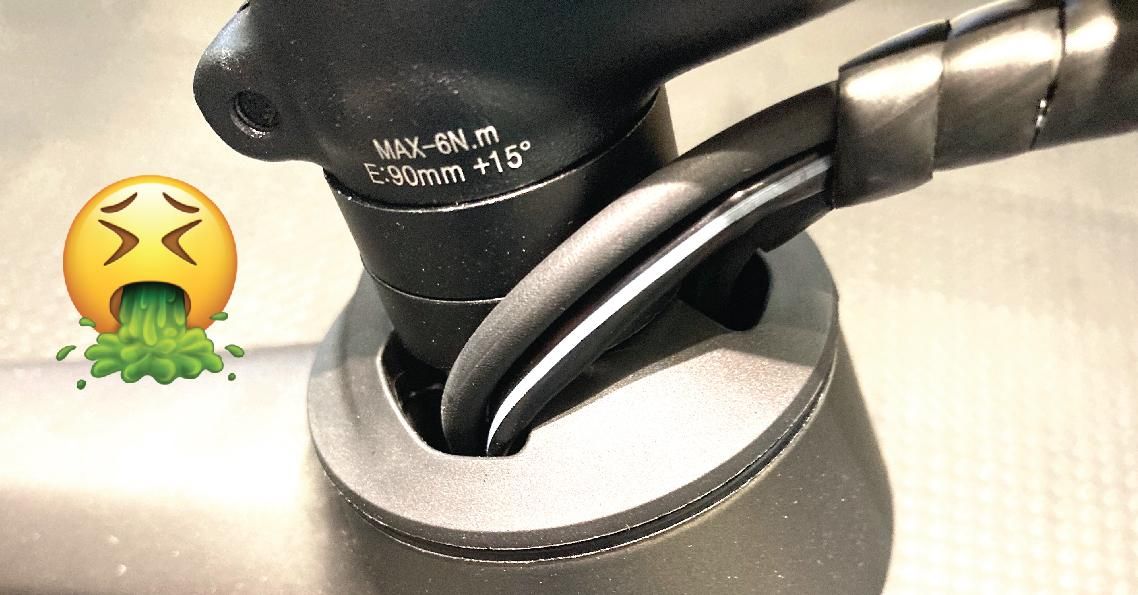
The brake and gear covers are best hidden in the handlebars these days, but at the latest in the headset and head tube. And what happens if the headset on the mountain bike rusts through after one or two seasons (because a cheap part has been installed and the cable portals make protecting the headset from water and dirt an absolute joke)?
The mechanic has to pry the brake lines and the shifter housings (a stroke of luck if the shifters or dropper post are controlled wirelessly) out of the head tube and the headset. Only then is the headset accessible and replaceable. Since many manufacturers cook up their own internal routing soup, spare parts are anything but standardized and will probably be more difficult than uncomplicated to obtain in the future. Once the old and the new headset are on the workbench, the mechanic must - apart from removing and installing the fork - freshly route the lines through the new headset - through narrow channels with steering angle limits, not to mention freshly bleed the brakes. This is an (unnecessary) workshop orgy and takes hours, even for experienced mechanics.
Internal routing turns the bike into a sham
And that's complete nonsense: wearing parts should be easy and uncomplicated to replace. Otherwise a bike is a sham. One of the fascinations of bicycles is that the technology is visible, understandable and easy to repair. Manufacturers have a clear duty to develop smarter solutions for hidden cables. Otherwise, the bike industry, along with e-bikes, will fall into the trap of products with an early expiration date. Chic, but then disproportionately expensive to repair due to design faults. This cannot be the future of bikes.
The future for internal routing frames should be: wireless shifting or dropper post and lockout systems that are reliable and affordable. Then there's no need for cables, it's as simple as that. But that doesn't solve the issue of brakes. Manufacturers should have the courage to attach at least some of the cables to the outside of the frame. Or install internal cable routing that allows cables to be changed within minutes - not hours. The "hole at the top, hole at the bottom" method for internal cabling should simply be taboo.
About the author: Tobias Gütlin has been managing director of a bike store since 2003. He has been on board as an editor at Ride since 2010. He writes in the blog about topics from the specialist bike trade and product developments.
Further content on this article

Note: This content has been automatically translated from German. Please report any incorrect translations.