

Cracking bike: This is where it comes from - and this is how it goes away. Part 2
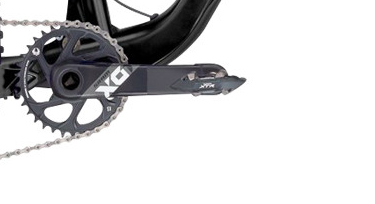
The bottom bracket has been replaced, the cranks correctly fitted, the cassette sits correctly on the body. The bike still cracks - and your nerves are on edge? Then it's a case of "search until you find it" - and this may well be in places that you don't even have in your sights in terms of cracking.
Here are the key points 1 to 6 "Cracking on the bike: This could be it, and this is how to get rid of it".Critical point 7: The headset
When bikes are assembled in a bike factory with an assembly line designed for efficiency, the headset is sometimes neglected. There is little grease involved - and rain, mud and cleaning agents quickly wash out the little grease afterwards. So the headset lies bare in the frame and performs its cracking concert. So remove the fork, remove the bearings and grease the bearing seats and bearings with a grease gun or brush.
Critical point 8: The pedals
The cassette was removed, the bottom bracket replaced and all the bolts on the cranks checked: The bike still cracks. What else could it be? Right, the pedals. It's best to apply some copper paste to the thread and tighten the pedals properly. That can work wonders.
Critical point 9: The outer covers
The outer shells of the derailleur consist of longitudinally aligned steel cogs that are surrounded by a plastic shell. The transitions between the outer casings and the frame can cause a lot of noise. It may be sufficient to apply a little lubricant (a chain lubricant will also do on the road) between the outer casing and the cable stop and the bike will be quiet. If the outer casing is routed internally in the frame, the inlets and outlets in the frame can cause noise - and a little lubricant or grease may also help here. If an outer sleeve rattles inside the frame during internal routing, inventiveness is required; foam pads around the sleeves may help here.
Critical point 10: The stem / handlebar combo
The handlebars are dry as a fart in the stem? That must be cracking! If carbon is involved, a little carbon assembly paste will help, but conventional grease will also do for aluminum components. A torque wrench - as with all screw connections - helps to tighten the part properly.
Critical point 11: The seatpost
In most cases, only one or two bolts are responsible for connecting the saddle to the seat post. The tightening torque is critical and can change due to body weight and riding load. So pull out the Allen key, or preferably the torque wrench, and check whether the saddle is adequately fastened.
Critical point 12: The seatpost clamp
Is there dirt between the clamp and the frame? Is the clamp too tight or too weak? Checking for dirt and tightening torque can unexpectedly reveal the cracking noise.
Critical point 13: The saddleThe linkage - whether it's made of steel, carbon or titanium - is usually mounted quite simply in plastic mounts in the saddle base. The entire body weight rests on it and the connection between the frame and seat can start to move and crack. Spraying a Brunox or WD40 lubricant into the saddle frame mount can work wonders.
Critical point 14: The cracking fork crown
The stanchions are not bolted into most suspension fork crowns, but pressed in. If this press fit is not (or no longer) 100% accurate, this can cause incessant cracking. Caution is advised here and if you hear cracking, you should consider replacing the fork or the crown with the stanchion. Rumor has it that Loctite between the crown and the stanchion can fix the cracking.
Click point 15: There are many more triggers
Finally, there are almost countless components on the bike that can be responsible for unwanted noise. The list includes, for example, the chain, the derailleur pulleys, the shock bolting, the shock bushings, the hubs, the pedal cleats, even the frame itself can crack...
Note: This content has been automatically translated from German. Please report any incorrect translations.