

Cube presents its new enduro bullet - the Stereo 150 29

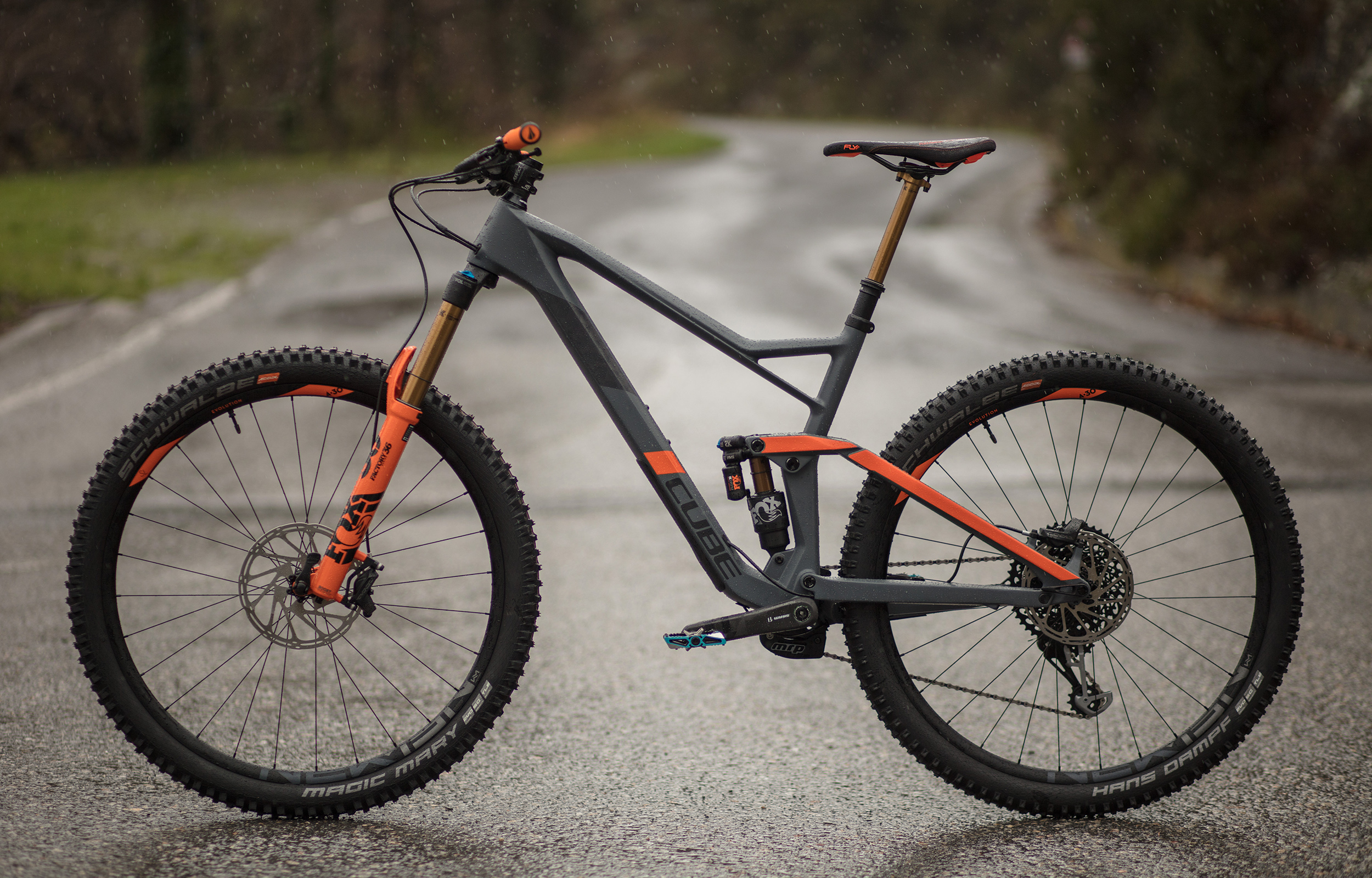
It's no secret that the Cube enduro team riders swear by twentyniners, nor that they have been racing prototypes for some time. Now Cube is revealing the secret and presenting the Stereo 150, a thoroughbred enduro bike on 29-inch wheels. The bike comes in three versions with 150 millimetres of travel at the rear, a race-proven geometry and will be in the stores very soon.
Bigger is faster
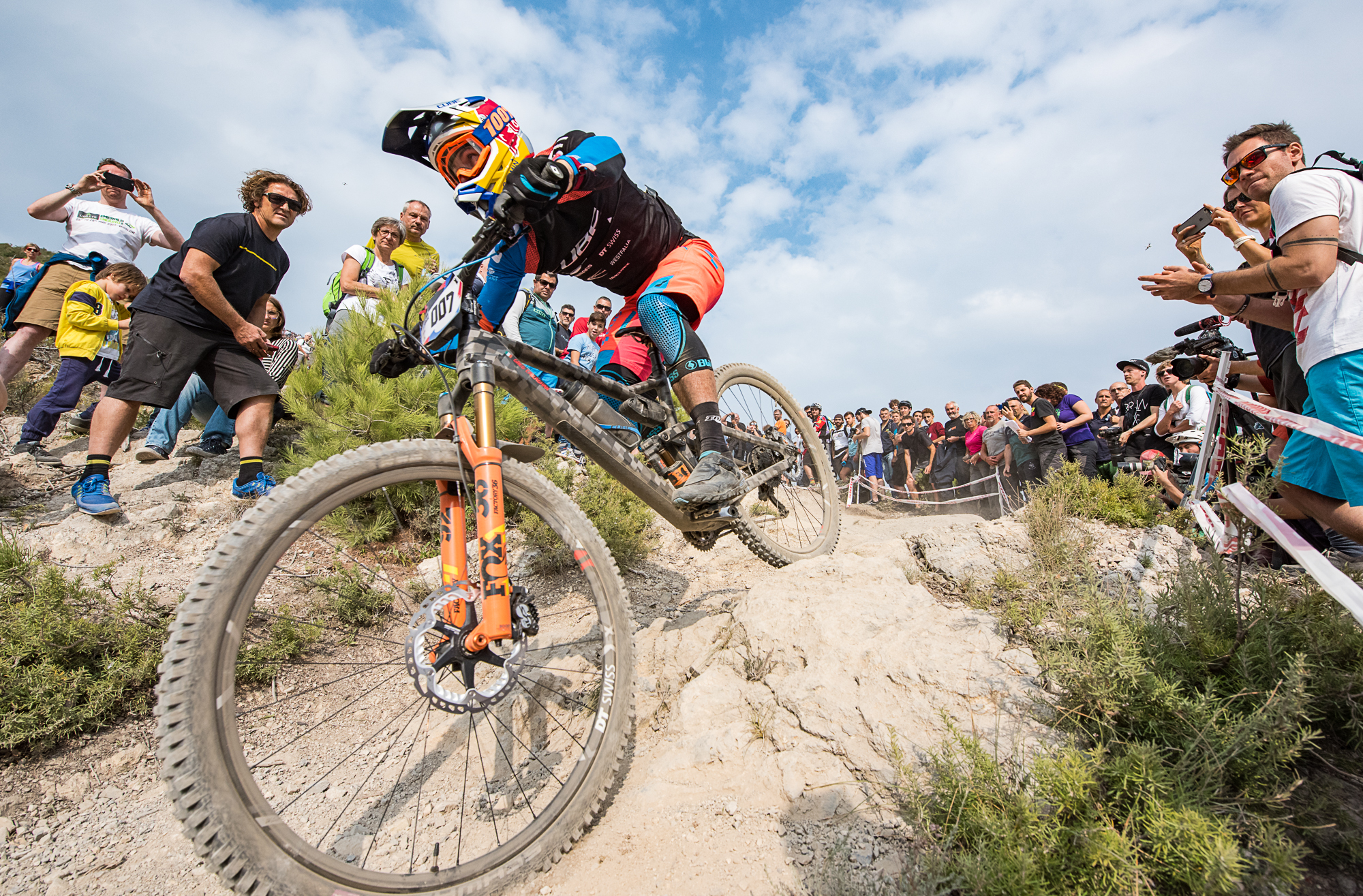
For a few years, the 27.5-inch wheel size was the standard to ride in enduro racing - even at Cube. Although the Waldershof-based bike brand had a potent enduro bike with the Stereo 160, the reality at the races was different: The Cube team riders around Greg Callaghan usually rode the Stereo 140 all-mountain model to the start. This was not designed for racing in terms of geometry, but had 29-inch wheels. The step was therefore taken to build the next enduro model on large wheels. Callaghan and Gusti Wildhaber had already contested a few races on the prototypes last year.
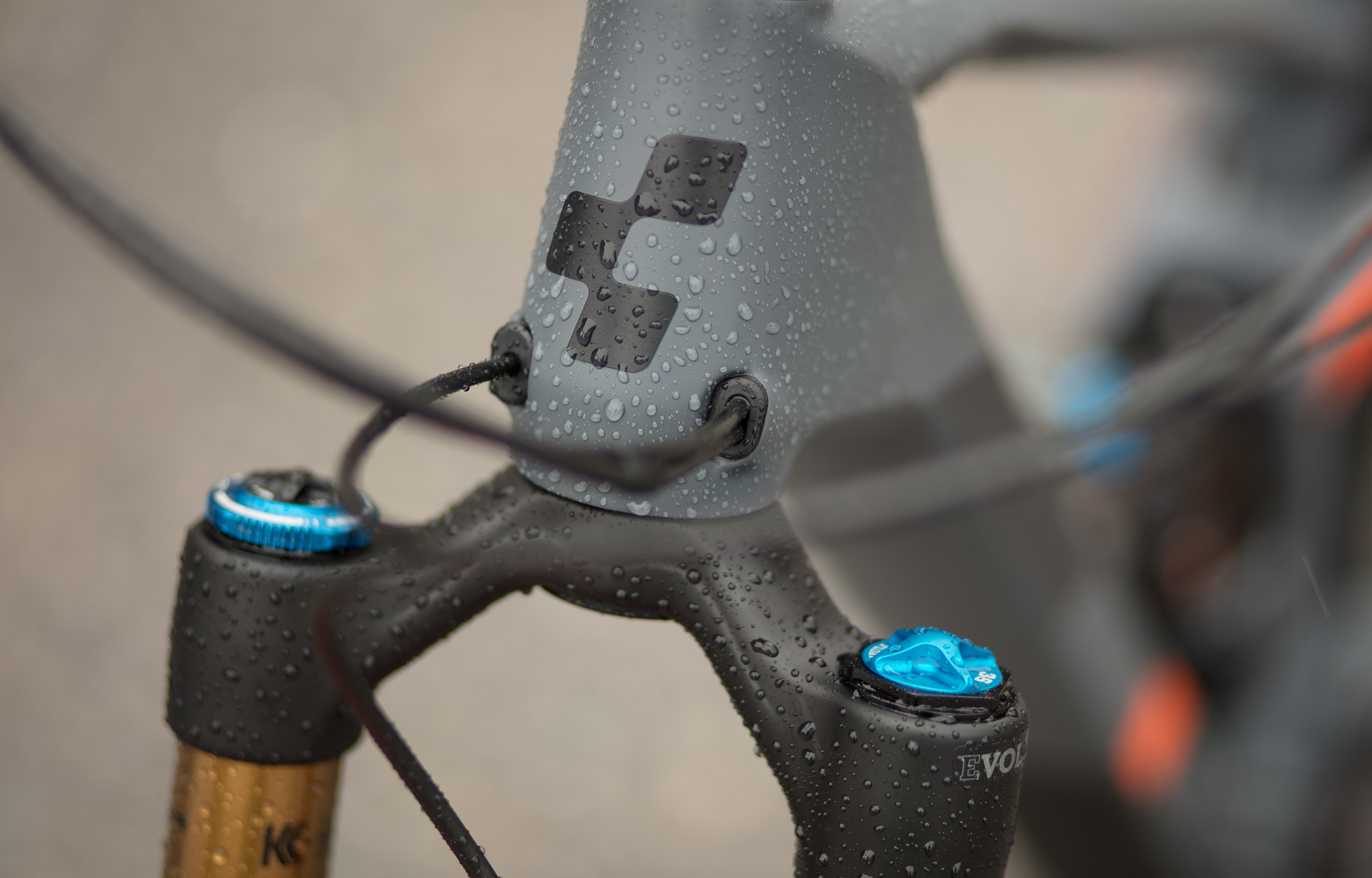
Today, Cube is finally presenting the new bike: the Stereo 150 29, a thoroughbred enduro bike with 150 millimeters of travel at the rear and 160 at the front. Cube relies on suspension elements from Fox. The latest Float 36 fork is used at the front and the equally proven X2 shock at the rear.
All-round new spring characteristics
One decisive difference compared to the 140-millimeter Stereo is the spring characteristic. In racing, highly progressive suspensions are in demand, but the 140 mm was very linear, meaning the damper offered little counterpressure.
The Stereo 150, on the other hand, offers a high degree of progression that meets the needs of racers, but also sporty bikers who do not compete in races. The new bike is also very sensitive in the upper suspension travel range. The suspension is also optimized for pedal influences. This results in less bobbing compared to the Stereo 140, less pedal kickback with more suspension travel and an almost decoupled brake, which should have hardly any influence on the suspension when decelerating.
The frame: Robust, compact with lots of attention to detail
Cube relies on Twinmold technology for the frame construction. This requires a one-piece air bellows that applies great pressure from the inside to prevent creases and air bubbles. This increases stability as well as safety. A mixture of high and medium-strength fibers is pressed into the frame molds. Fiber layers with a spread-tow structure are used. These have a higher fiber content with less resin. This allows weight to be saved without compromising stability.
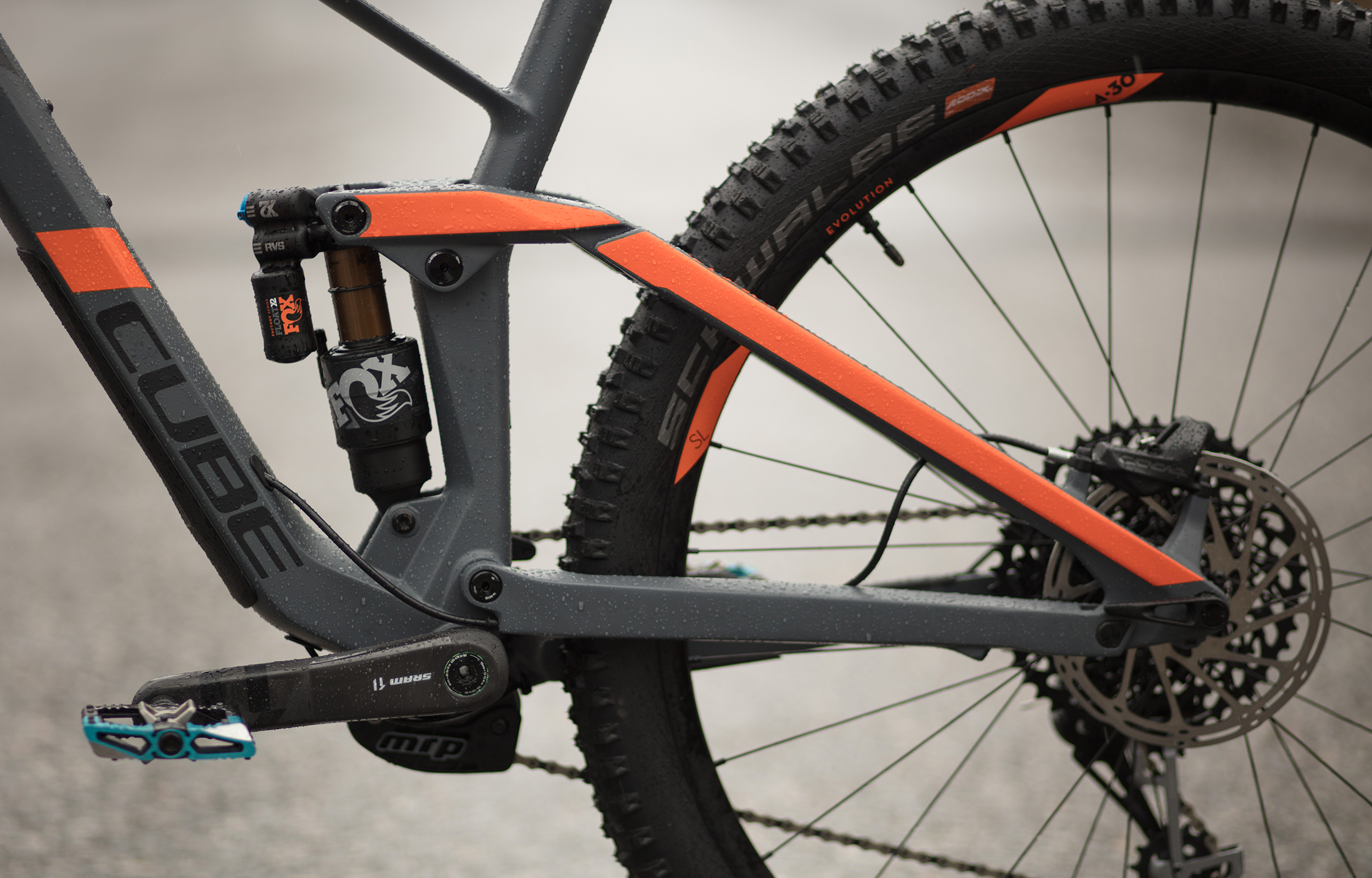
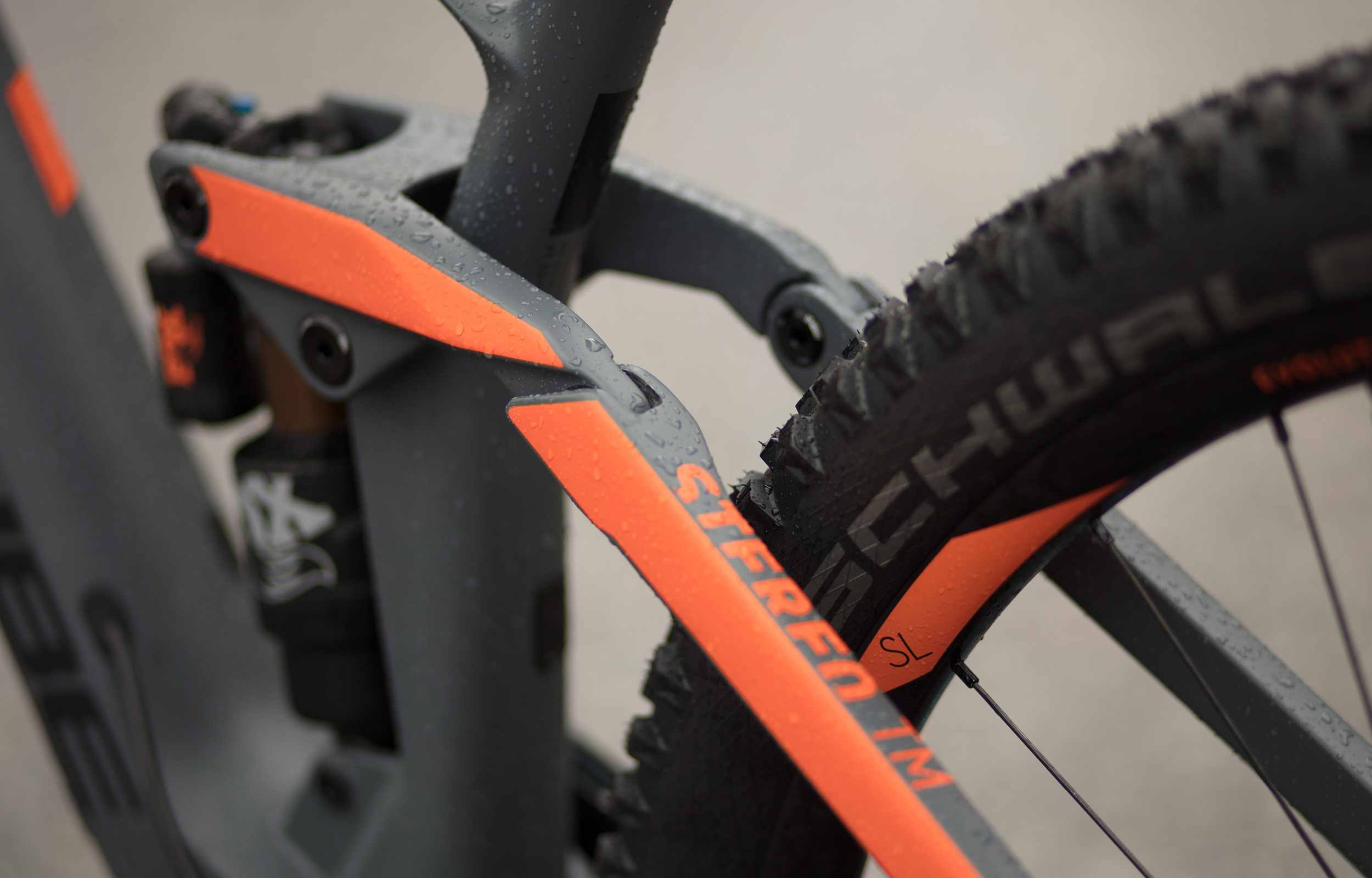
The rear triangle of the Stereo does not require a stiffening bridge. To ensure rigidity despite this, the rear triangle has a robust design and is fitted with industrial ball bearings at the pivot points, which provide additional rigidity and are less susceptible to twisting.
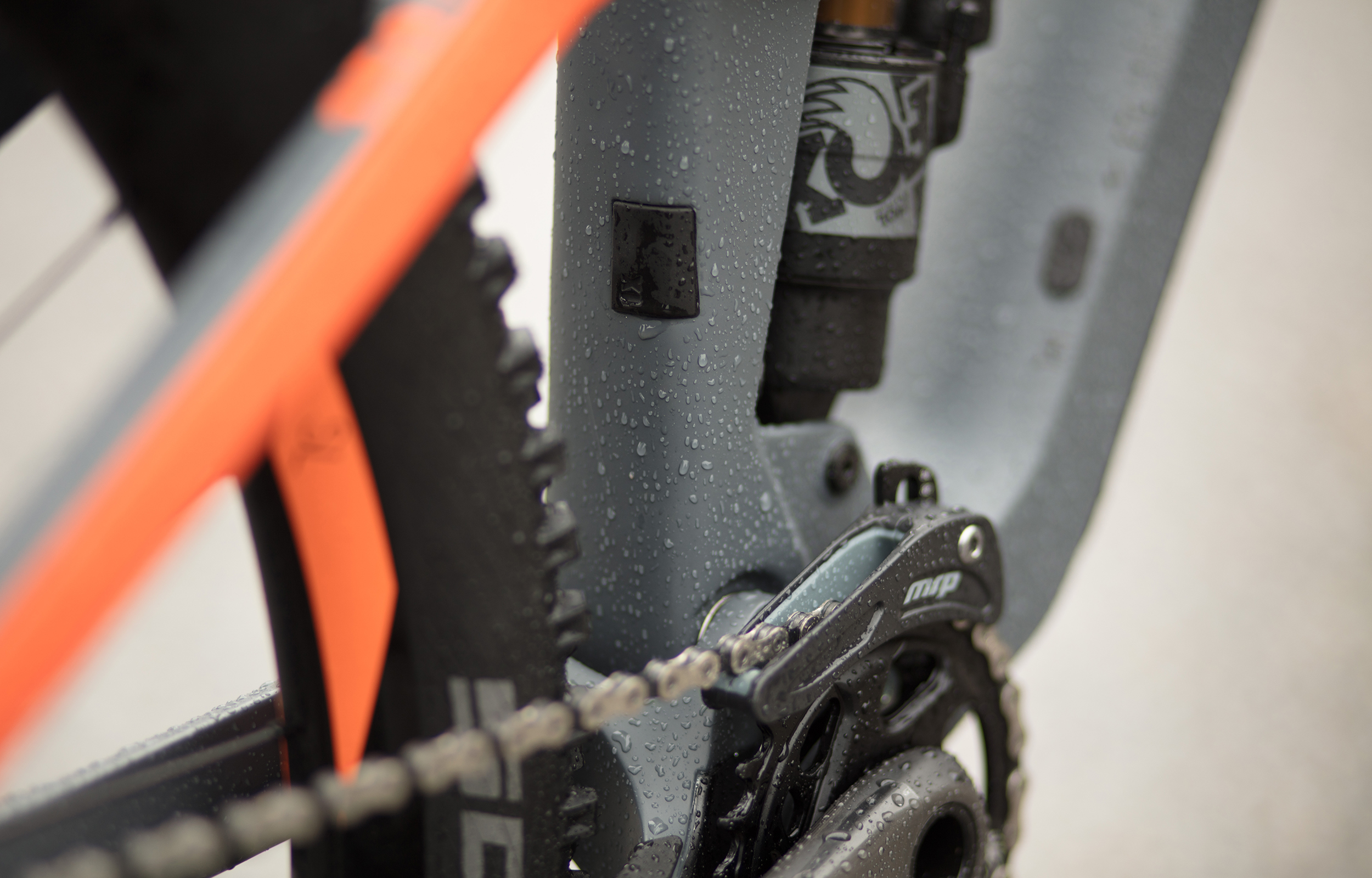
Thanks to the Trunion Mount, the shock is supported more broadly, which also brings more lateral stiffness to the rear triangle.
Cube currently offers three models, of which the top TM model is based on the lighter C:68 fiber. The frames of the SL and Race models are made of C:62 fiber, but these are also made entirely of carbon - so no aluminum rear triangle or stays.
Geometry and details
As enduro bikes are fast, especially downhill, but also good to ride uphill, the geometry has to be just right. Cube's "balance" for the Stereo 150 29 consists of a steep seat angle of 75.5 degrees and a steering angle of 66 degrees. However, the latter is not one of the slackest on the market, but could offer a better balance.
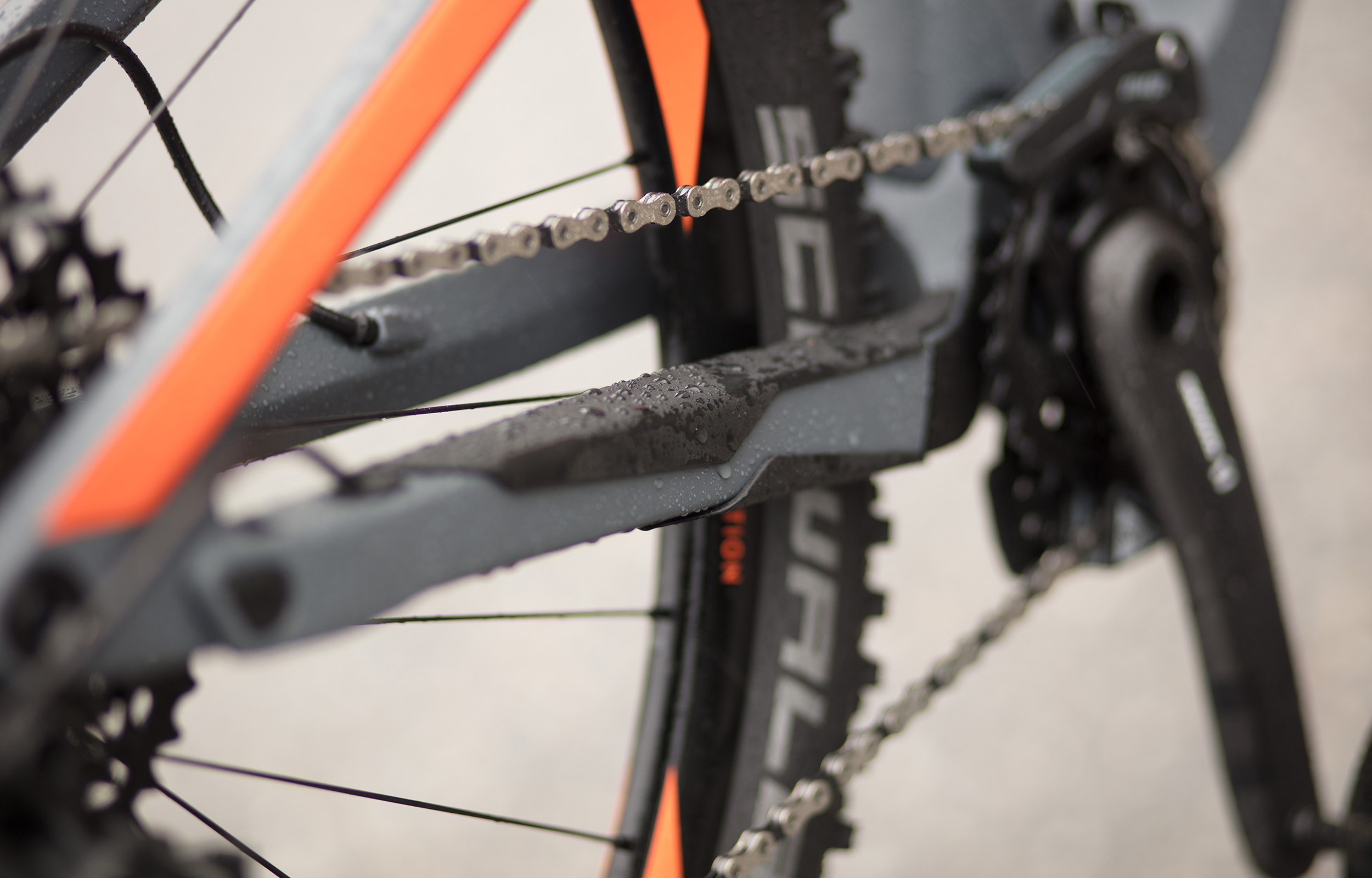
The chainstays have been shortened by ten millimeters compared to the 140 Stereo, which should keep the bike agile. The reach has become longer in line with the trend and so has the wheelbase. Together with the lower bottom bracket and slacker steering angle, this should result in a very smooth ride on fast routes.
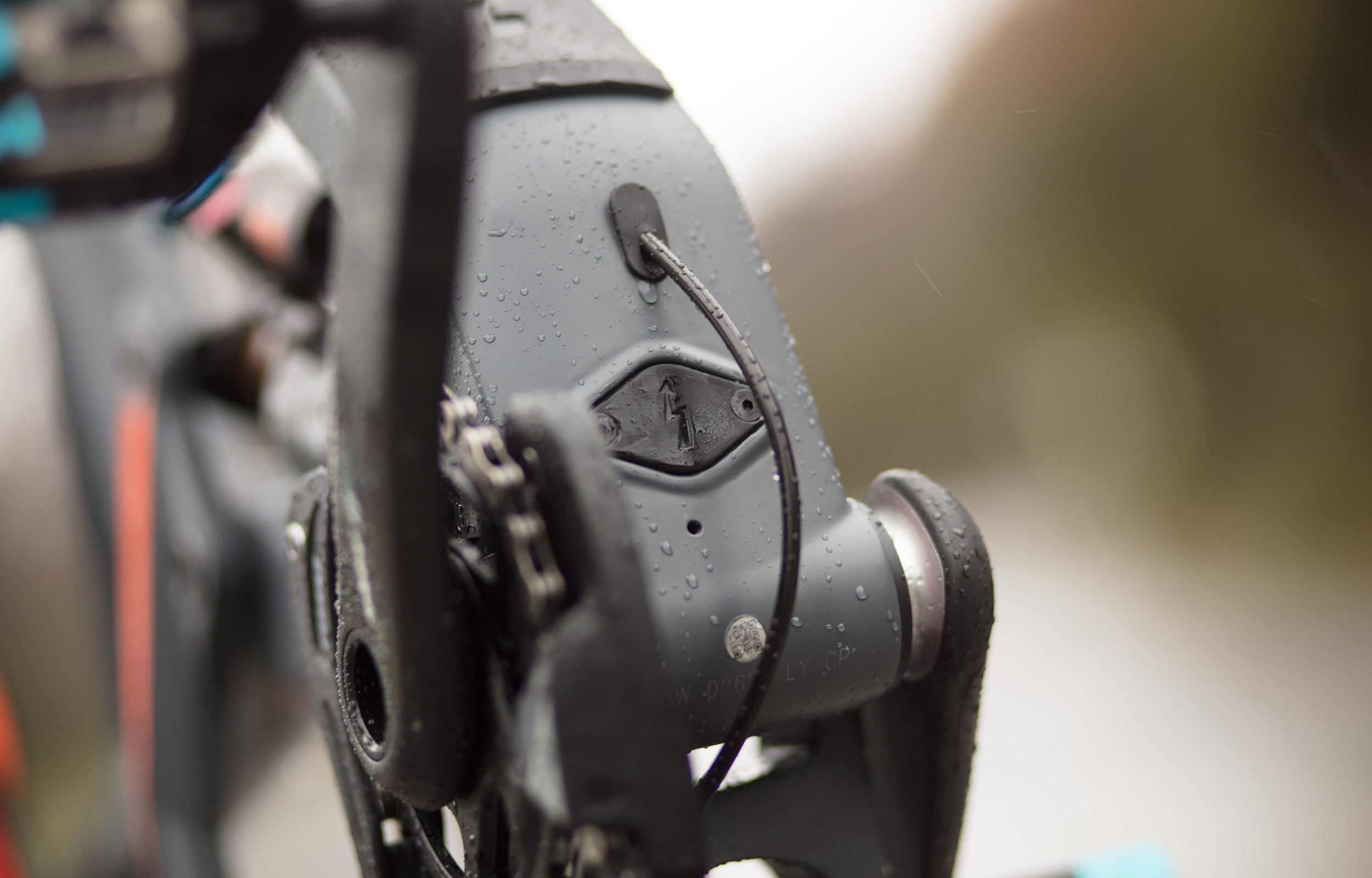
Of course, Cube rides the cables through the inside of the frame. To prevent them from rattling, Cube uses modular end caps that are inserted into each other to clamp the cables. These also work for the thin electric cables of Shimano's Di2. The battery for this drivetrain can also be safely stowed between the down tube and bottom bracket.
By the way, if you prefer to ride with a double crank, you can do so without any problems. The stereo frame has a direct mount for the front derailleur.
Available from Bikedays
In Switzerland, the new Cupe bikes can already be seen at Bikedays and are also available for test rides. In theory, the new Stereo models will also be available from specialist dealers from then on. Interesting detail: The bikes already come with the 2019 Fox and Schwalbe products.
The top model "Stereo 150 C:68 TM 29" is equipped with Factory suspension elements and seatpost from Fox and rolls on Newmen "Evolution SL A.30" wheels, covered with Hans Dampf and Magic Mary tires from Schwalbe. No savings are made, and so these are used with robust super-gravity carcasses. Cube has this model rolling out of the bike store for 5,399 francs.
The "Stereo C:62 Race 29" model has a fork and shock from the Performance series. However, the latter does not use the X2 but the lighter DPX2 shock. However, Newmen "Evolution SL A.30" wheels are also available here for 3,799 francs.
The SL model doesn't skimp on the suspension elements either: for just 4,199 Swiss francs, the bike comes with Rock Shox's tried-and-tested "Lyrik RCT3" enduro fork and a Super Deluxe RC3 rear shock from the same brand. The wheels here too: Newmen "Evolution SL A.30".
A team replica is to follow a little later.
www.cube.eu
Note: This content has been automatically translated from German. Please report any incorrect translations.