

E-mountain bikers: older, richer, less fit in terms of riding technique and fitness?
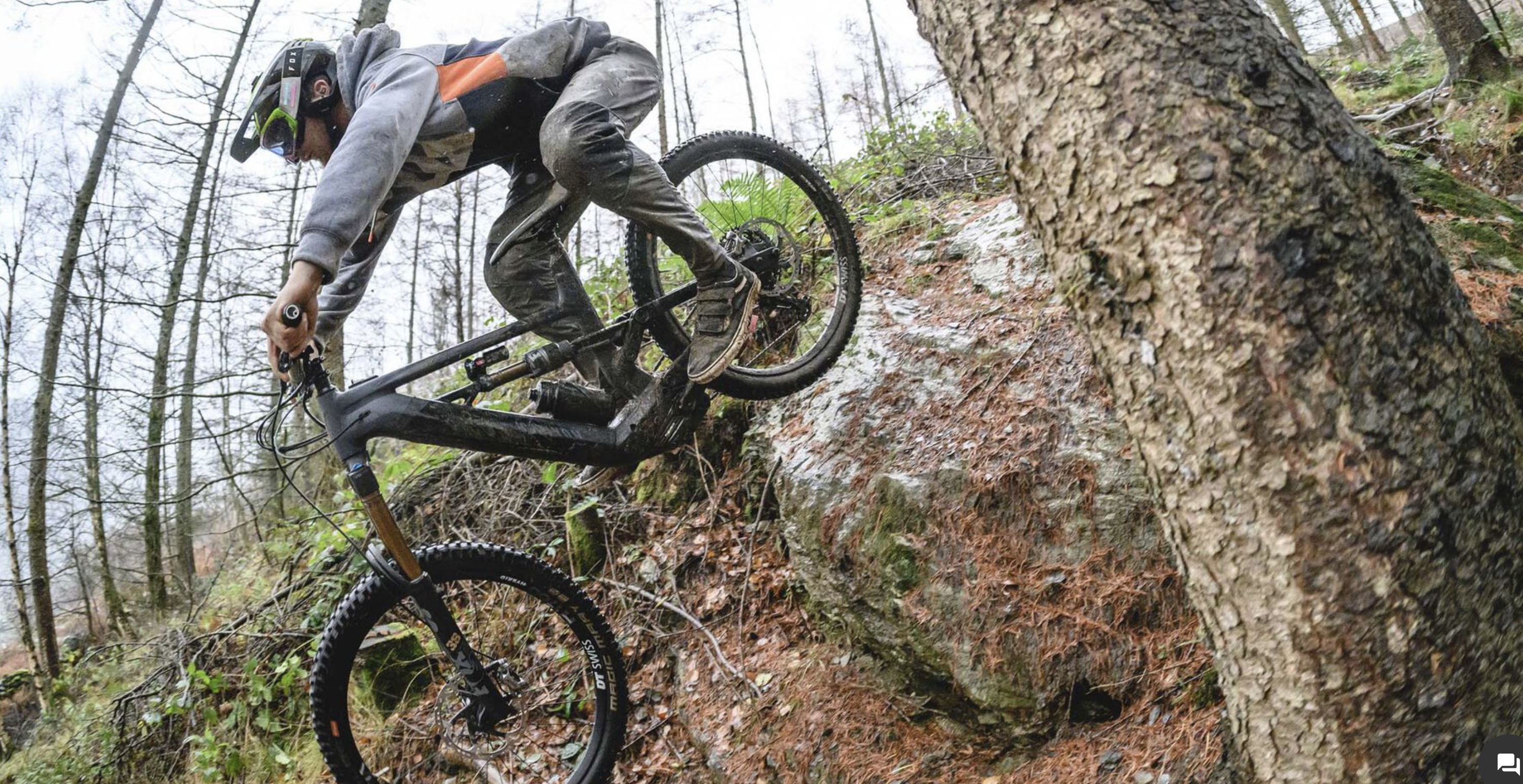
Rich and lazy?
A study by the Institute of Sports Science at the University of Bern, led by Dr. Christian Moesch, found that compared to studies with conventional mountain bikers, the group of e-mountain bikers is on average older, wealthier and less performance-oriented. In addition, the group has a lower fitness level and their riding technique is at a more modest level, which results in an increased risk of injury. According to the study, the proportion of women is comparable at 20 to 25 percent.
Who was surveyed
175 female and male e-mountain bikers were surveyed. In addition, six in-depth interviews were conducted with representatives of (e-)mountain bike destinations and organizations such as Pro Natura and SchweizMobil.
Motives for e-mountain biking
"As our study shows, the most important motives for practising e-mountain biking are fitness and health, the experience of nature as well as relaxation and variety," says study director Moesch.
E-mountain bikers mainly on forest roads?
The researchers at the University of Bern identified three types of e-mountain bikers with regard to tourism. The largest group (51%) is primarily looking for a variety of difficulty levels and trails. Bike parks and downhill trails are less appealing to these people. 24% of the sample are primarily looking for pleasure and sociability and prefer easy trails and forest roads. Only 25% have a certain performance orientation and enjoy challenging trails, bike parks and downhill routes.
Less revenue for mountain railways
Moesch senses opportunities and risks for tourism with e-mountain biking: the high financial power and the expansion of the target group to include older people and those with a lower fitness level offer great potential for additional added value in the region. "However, this economic potential can only be exploited if there is increased investment in infrastructure and specific marketing," explains Moesch. There is also a risk that, due to the electric drive, more ascents will be made by e-bike, resulting in less revenue for the mountain railroads.
The call for "unbundling"
The authors of the study see the greatest danger of the e-mountainbike trend in the ecological area: "To prevent potential conflicts, destinations could unbundle the infrastructure for hiking and (e-)mountain biking," says Moesch. However, this would increase landscape consumption and reduce natural attractiveness. As a result, this could lead to guests who ride for the experience of nature staying away.
Displacement battle due to e-mountainbikes?
Moesch sees e-mountain bike tourism as an opportunity for destinations to earn money. However, it should be noted that not every vacation resort can grow at any price and offer everything. Sustainable tourism is characterized by the fact that the available natural resources are analyzed and all relevant parties are brought on board in the development of the destination. "If you specialize in e-mountain bike offers, you may have to reduce the number of other target groups in order to keep the ecological and social impact within reasonable limits," concludes Moesch.
Note: This content has been automatically translated from German. Please report any incorrect translations.