

E-mountain bikes are cannibals
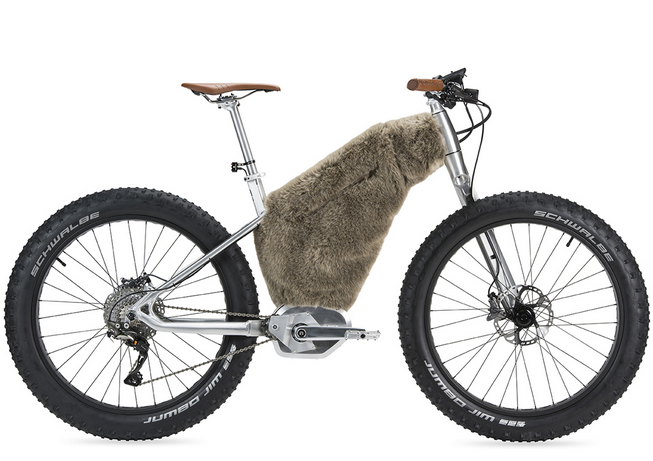
The figures from the Swiss Bicycle Research Institute (SFZ) speak for themselves: in 2016, the motorized version of the mountain bike took a 20% share of the mountain bike market. And in a very short space of time - because the bike with an electric add-on only really appeared on the scene from 2014 onwards.
The year 2016 marks a meteoric rise in a stagnating market: compared to 2015, the motorized off-road bike has increased by a whopping 36 percent, which is sure to bring joy to the marketing departments of manufacturers and ultimately also to bike stores.Conventional mountain bikes are losing groundHowever, on closer inspection, the euphoria among sellers is likely to be short-lived. The impressive increase in sales of watt-hour-enhanced off-road bikes is at the expense of conventional mountain bikes. A total of 102,651 mountain bikes - excluding e-mountain bikes - were sold in 2016, which is 8.5 percent fewer than in 2015. It can also be assumed that the mountain bike industry's rampant and exuberant desire for innovation over the past few years is overwhelming customers - and diminishing their desire to buy.
So there is only a displacement taking place. The e-MTB has not yet succeeded in expanding the market. Instead, bikes with drives from Bosch, Shimano, Brose & Co are simply being bought instead of non-motorized mountain bikes.
All in all, the mountain bike market is shrinking for the second year in a row. As mentioned, 2016 saw an 8.5% drop, while sales in 2015 were down 4.1% on the previous year. The boom years with high unit sales are definitely in the past: from 2004 to 2010, around 130,000 new mountain bikes were sold every year, sometimes significantly more. Now the market seems to be leveling off with annual sales figures of just over 100,000 units.
Fewer units, but higher sales?
Unfortunately, the SFZ survey does not provide any information on the prices of the bikes sold. However, one thing is certain: E-MTBs are sold at higher prices. A reasonable product usually costs at least CHF 3,000 upwards. Prices of 4,000 to 6,000 francs are not uncommon. The result of the move towards the motorized version: although the market is not growing, sales can probably be maintained or even increased.
What significance does the mountain bike have in the Swiss bike market?
When the Swiss do sport on their bikes, mountain bikes are the absolute first choice. The SFZ figures show that MTBs have a market share of around 80% in the sports segment. Only around 15,000 units of road bikes found new buyers in 2016. Mountain bikes accounted for around 40% of the overall market in 2016, with everyday bikes selling best in the overall market, followed by MTBs.According to the survey conducted by the specialist agency, 54,202 athletes opted for 27.5-inch non-motorized mountain bikes in 2016. 30,492 chose the 29-inch version and only 17,957 buyers opted for the familiar 26-inch wheels. This means that the market for 26-inch bikes has collapsed within two years; in 2014, over 50,000 26-inch bikes found new buyers. The market for 26-inch e-mountainbikes also virtually disappeared into insignificance in 2016 with 41 units sold.
The market is stagnating
Overall, the Swiss bike market only saw minimal growth compared to the previous year. In 2016, 324,581 new bikes were sold in Switzerland, a modest 1522 units more than in 2015, which corresponds to an increase of just under 0.5 percent. The e-bike has saved the industry from a significant drop in sales. The SFZ estimates that there are around 400,000 e-bikes on the road in Switzerland today. And the specialist body also reports a (further) ray of hope: junior bikes recorded strong growth in 2016. This means that the market may be able to grow again in the coming years, as the kids of today are the bikers of tomorrow.
Note: This content has been automatically translated from German. Please report any incorrect translations.