

Hot topic: Should cyclists pay for their infrastructure?

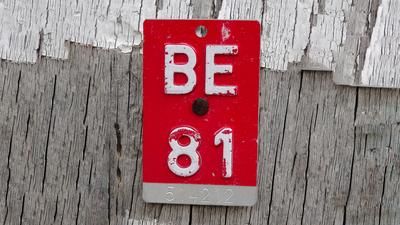
46 middle-class politicians recently submitted a motion calling for a tax of between 20 and 40 francs per bicycle per year to be levied in future. It is remarkable that this demand comes from a political corner that is otherwise against further taxes and in favor of a lean state. But that is not the only unusual thing about the motion, there is more to it than meets the eye.
Mountain bikers are familiar with this debate when it comes to the construction and maintenance of single trails. However, the question of whether cyclists in general should contribute financially to their infrastructure is justified. The current debate is particularly concerned with urban regions, cycle lanes, cycle paths and guidance systems. Is the bicycle infrastructure (as before) part of the general tasks of the public sector or should the polluter-pays principle be applied here too? However, the controversy surrounding the polluter-pays principle for cyclists raises other interesting questions.
Should pedestrians and walkers also pay for their routes?
The polluter-pays principle is currently applied to motorized traffic with the mineral oil tax, the traffic tax or the freeway vignette. Now the system is to be transferred to bicycle traffic, which has so far been exempt. This raises the question: why not apply it to pedestrians and hikers? If the idea is taken a step further, children would have to pay a toll, after all, the polluter pays principle applies. Or should smokers pay a higher health insurance premium? After all, they cause higher health costs. The seemingly trivial question of how cyclists should share in the costs cuts into basic social values. Where does the polluter pays principle end and social solidarity begin?
How is that supposed to work?
The question of a bicycle tax is also a question of practicability. How should the tax be levied? If the tax has to be paid per bike, the consumer principle doesn't work because you can only ride one bike at a time. In addition, a person who rides their bike a lot would have to pay more than an occasional rider because they put more strain on the infrastructure. If I leave my bike in the cellar in winter, why do I have to contribute to snow clearance costs? And how do you deal with tourists who go on cycling vacations in Switzerland?
What is a bicycle anyway?
As simple as the call for a bicycle tax sounds, the question of who should be asked to pay is complicated. What is the situation for a downhill bike that is ridden exclusively in bike parks? What about a BMX bike? Are children's bikes also subject to tax? And what about the electric scooters that are currently flooding city centers? Are these scooters also bicycles? And is a tax also payable on a bicycle trailer (as with cars)?
Is it all still fair then?
A simple calculation example: a family of four pays around 150 francs in road tax for a small car. The same family now pays an additional CHF 160 per year for their four bicycles, i.e. more than for the car. This raises the legitimate question of whether the consumer principle is being applied fairly. The same applies to electric cars, which currently benefit from state subsidies. Some cars are therefore exempt from the tax, while bicycles would now have to pay a new tax. The question of fairness is almost obvious.
Swiss radio recently broadcast an interesting discussion program on this topic, in which the last word is far from being spoken:
Further content on this article
Note: This content has been automatically translated from German. Please report any incorrect translations.