

Modern forced labor uncovered in Taiwan's bicycle factories
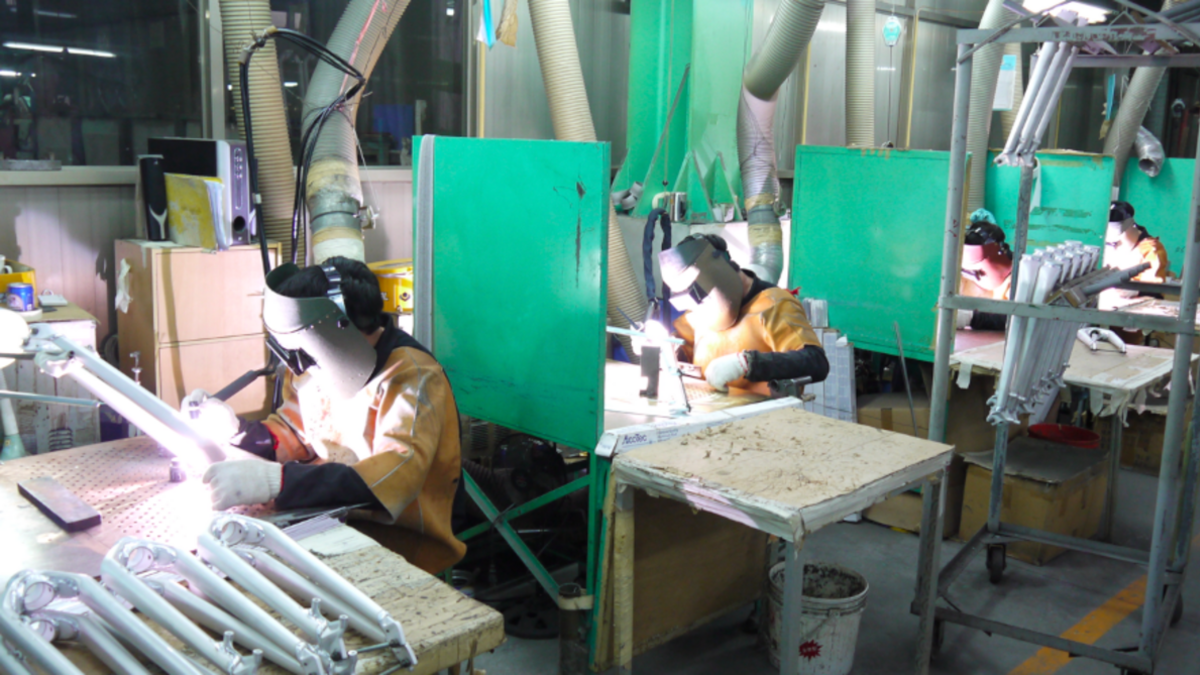
Forced labor, debt bondage and a permanent climate of fear. The picture that Peter Bengtsen's latest article in the magazine Le Monde Diplomatique paints of the conditions for migrants in Taiwan's bike industry doesn't fit in at all with the sporty-cool image that the big bike brands like to adorn themselves with. However, the list of those accused of these abuses reads like a who's who of the industry: Giant, Merida, Trek, Specialized, Centurion, Maxxis and many more. After all, 40 percent of all bicycles sold in Europe come from Taiwanese factories, writes Bengtsen.
Debt bondage
The Danish journalist and his team spent months researching in Taichung, the capital of the bicycle industry in Taiwan. In the course of interviews with more than 200 migrant workers in Taiwan, he also came across abuses in these factories. The stories of dozens of workers from the bicycle industry coincide in terms of debt bondage and many describe a working environment that would have to be described as criminal in Europe. The guest workers in the factories often come from poorer neighboring countries such as Vietnam, Thailand, Indonesia or the Philippines. They usually have to pay high fees and get into debt just to be recruited.
This is followed by so-called service fees, which they have to pay to the employment agencies in Taiwan. For example, two months' wages are charged for a three-year contract. This is legal in Taiwan, one of the few countries in the world to do so, explains Bengtsen. In some cases, even passports are withheld, the interviewees reported. Others told of wages being withheld and harsh penalties, including deportation, for breaches of company guidelines. Bengtsen and his team also learned of catastrophic conditions in mass accommodation during the interviews.
Manufacturers barely react
All of this is not entirely new. Bengtsen had already reported last year that migrants were being systematically exploited in Taiwan's bicycle factories. The Danish journalist confronted some of the world's best-known manufacturers with the abuses he had uncovered in the factories. But the reactions were very different, as he explains to Ride: "Some, like Giant, admitted that they had made mistakes in the past and promised improvements. Others, such as Trek, Specialized or Centurion, have still not responded."
Giant, the world's largest bicycle manufacturer, has already taken active measures to address the conditions in which migrant workers are housed and wages are withheld. Merida, the world's second largest manufacturer and shareholder in Centurion and Specialized, completely ignored the allegations and tersely stated on its website in 2024 that it had not yet adopted the Responsible Business Alliance's Code of Conduct and the relevant human rights guidelines and had therefore not carried out the human rights due diligence. But even the promises made, such as by Giant regarding the end of fees for migrant workers from January 2025, should be taken with a grain of salt, as Bengtsen explains: "I only recently learned that those workers who started at Giant in 2025 still had to pay fees as before. And Giant is still adamantly refusing to refund these fees to the workers."
Bike industry must face up to problems
Bengtsen attests that the bike industry, its investors and also customers lack awareness of the conditions described. Other sectors, such as shoe and electronics manufacturers, which also have their production in Asia, have long since made much more progress in this respect. But in the bike industry, these dark sides of production have apparently been ignored for decades. Now it is up to the manufacturers to do their part to remedy the shortcomings. But consumers can also play their part by making more conscious purchasing decisions and asking manufacturers uncomfortable questions about their production conditions. The pressure must grow so that the silence comes to an end.
Despite positive reactions from manufacturers such as Giant or Scott, who have admitted mistakes and promised to improve, it is important to remain critical and, above all, persistent, says Bengtsen. Especially towards those who do not even consider it necessary to respond to the accusations. Because otherwise these promises will remain mere lip service. Those who really love their sport must not accept that people are exploited for it.
Link to the current article by Peter Bengtsen in Le Monde Diplomatique.
Note: This content has been automatically translated from German. Please report any incorrect translations.