

The End of an Era: BMC Also Pulls the Plug on the MTB World Cup
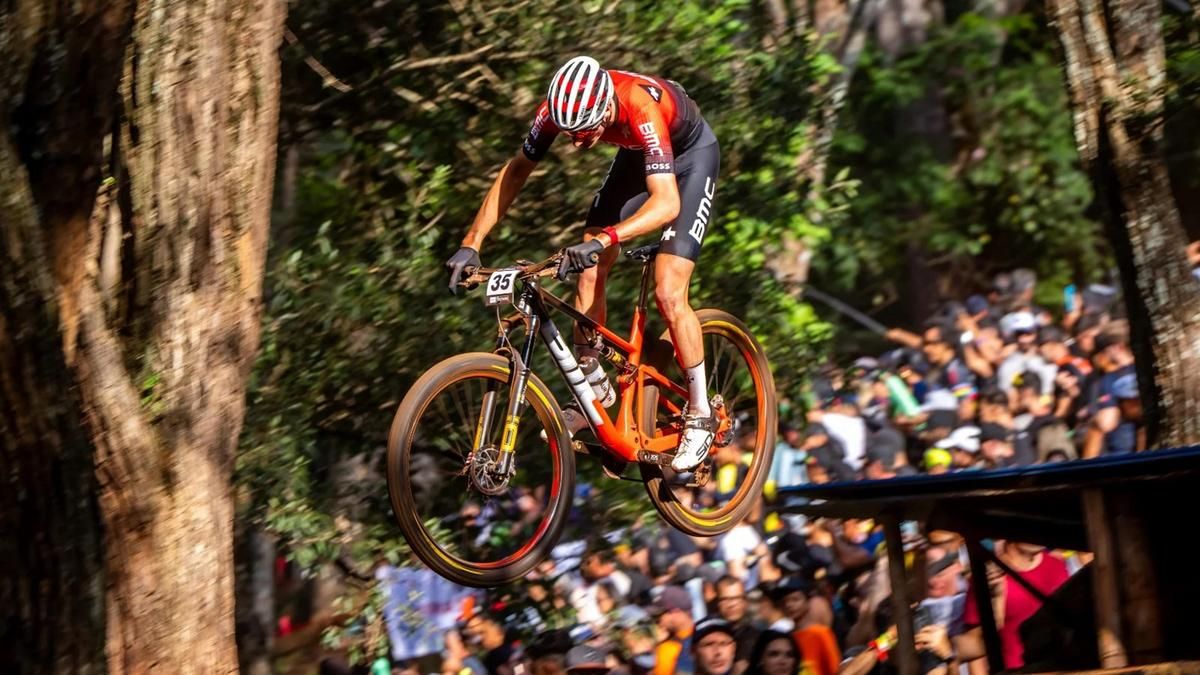
What had already become apparent to the affected athletes and coaches back in the spring is now official: BMC is disbanding its cross-country factory team. The era in which star riders like former world champion Jordan Sarrou and Loana Lecomte competed for World Cup victories and championship titles in the red-and-black jersey is now a thing of the past.
According to Head of Sports Marketing Amaël Moinard, the company looks back on a successful period filled with excitement and victories, but is now strategically realigning its focus. The resources freed up will primarily go toward building a presence in the professional women’s road cycling peloton as well as in the booming gravel and off-road sectors. There, the company aims to make a name for itself in the future through events such as the Lifetime Grand Prix or the Gravel Earth Series. Only the support for the regional Swiss development team, Bike Team Solothurn, will continue.
The Factory Team as a Thing of the Past
BMC’s withdrawal is more than just a business realignment—it’s a wake-up call for cross-country racing. BMC is thus following a trend that has shaken up the scene over the past two years. Previously, other industry heavyweights such as Cannondale and Lapierre had already drastically restructured or completely disbanded their legendary factory teams. The reasons for the exodus of manufacturers are similar across the industry:
Skyrocketing costs versus paywalls: Since Warner Bros. Discovery began marketing and broadcasting the Mountain Bike World Cup, the hurdles for sponsors and teams have risen. Global TV reach is suffering due to paywalls that are sometimes confusing, while the logistics costs for a global World Cup tour are becoming nearly impossible to justify.
Gravel Steals the Show: For the bike industry’s marketing departments, U.S.-style gravel events and off-road racing formats often offer a better return on investment and greater reach. They appeal to an adult target audience with high purchasing power and can be marketed more flexibly through social media storytelling than a regimented 90-minute race within the UCI framework.
Crisis in the bike market: The ongoing pressure to consolidate in the bicycle industry is forcing nearly all manufacturers to implement strict cost-cutting measures. Expensive racing operations—with their own bus fleets, teams of mechanics, and budgets in the millions—are the first to come under scrutiny.
With the end of BMC Factory Racing, the Cross-Country World Cup loses not only one of its most established teams, but also one of the technological pioneers on the racing circuit. For top riders, the competition in the paddock is set to become even fiercer.
Further content on this article



Note: This content has been automatically translated from German. Please report any incorrect translations.