

Patent protection on mountain bikes: Scott explains how important it is
The mountain bike market is saturated, yet very broad and deep. For laypeople, the variety of models is a pure jungle - and it is anything but easy for manufacturers to stand out with real innovations.
As soon as an invention is under development in the engineering department, it is protected from the very beginning. Some manufacturers' development departments are like high-security wings, and a great deal of effort is put into security technology to prevent information from leaking out. Innovation protection is also important at a legal level - and this is achieved via patents.
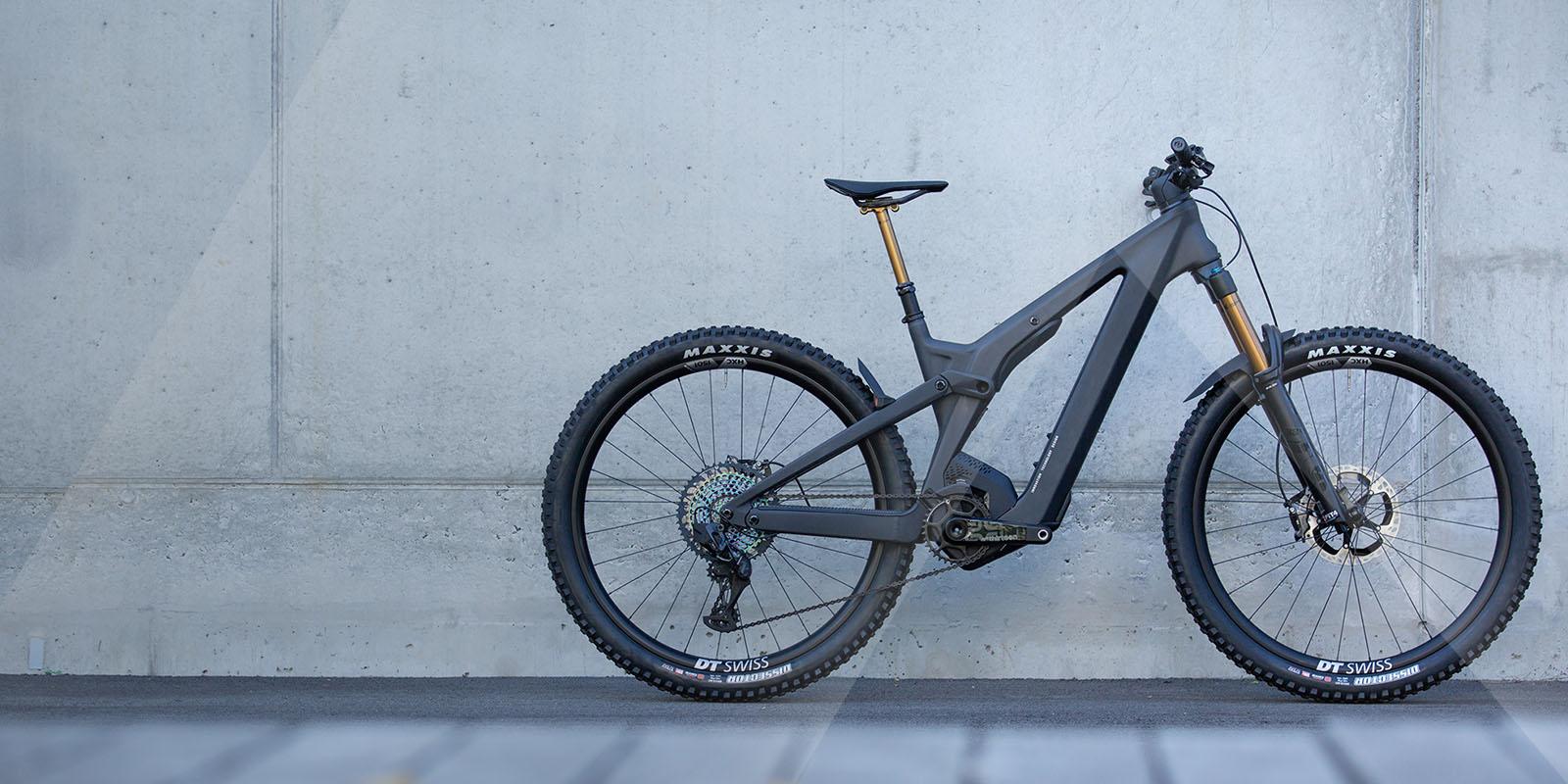
Scott takes a look at the maps of the patent system at the headquarters in Givisiez. Dominic Elsaesser, head of the legal department at Scott, talks to SRF journalist Lucia Theiler. Elsaesser describes the cooperation with patent attorney Philipp Rüfenacht. Specifically, Rüfenacht explains how many inventions and patents are contained in the Scott mountain bike with a shock absorber integrated into the frame. It goes without saying that Elsaesser and Rüfenacht have detailed technical knowledge. For the inexperienced radio listener, the talk about the swing arm, shock, linkage and system integration is probably difficult to understand.On a tour of the Scott factory in Givsiez, the two lawyers go on to explain that patents are involved in countless components. We are talking about electronic circuits, tires, rims and mechatronics. A bicycle contains components that are protected by 10 to 30 patents. Elsaesser does not specify which patents are important for value creation. However, he gives a glimpse into the maps for future patents: The focus here is on the e-bike and the associated components with their integration.
If you want to know what a patent application for a bicycle costs, whether it is ultimately worthwhile, how the application process works and what risks and opportunities are involved, you can find out more here:
Suitable Ride Brandguides
Note: This content has been automatically translated from German. Please report any incorrect translations.