

Shimano Deore 2017: Nothing with single-chainring technology

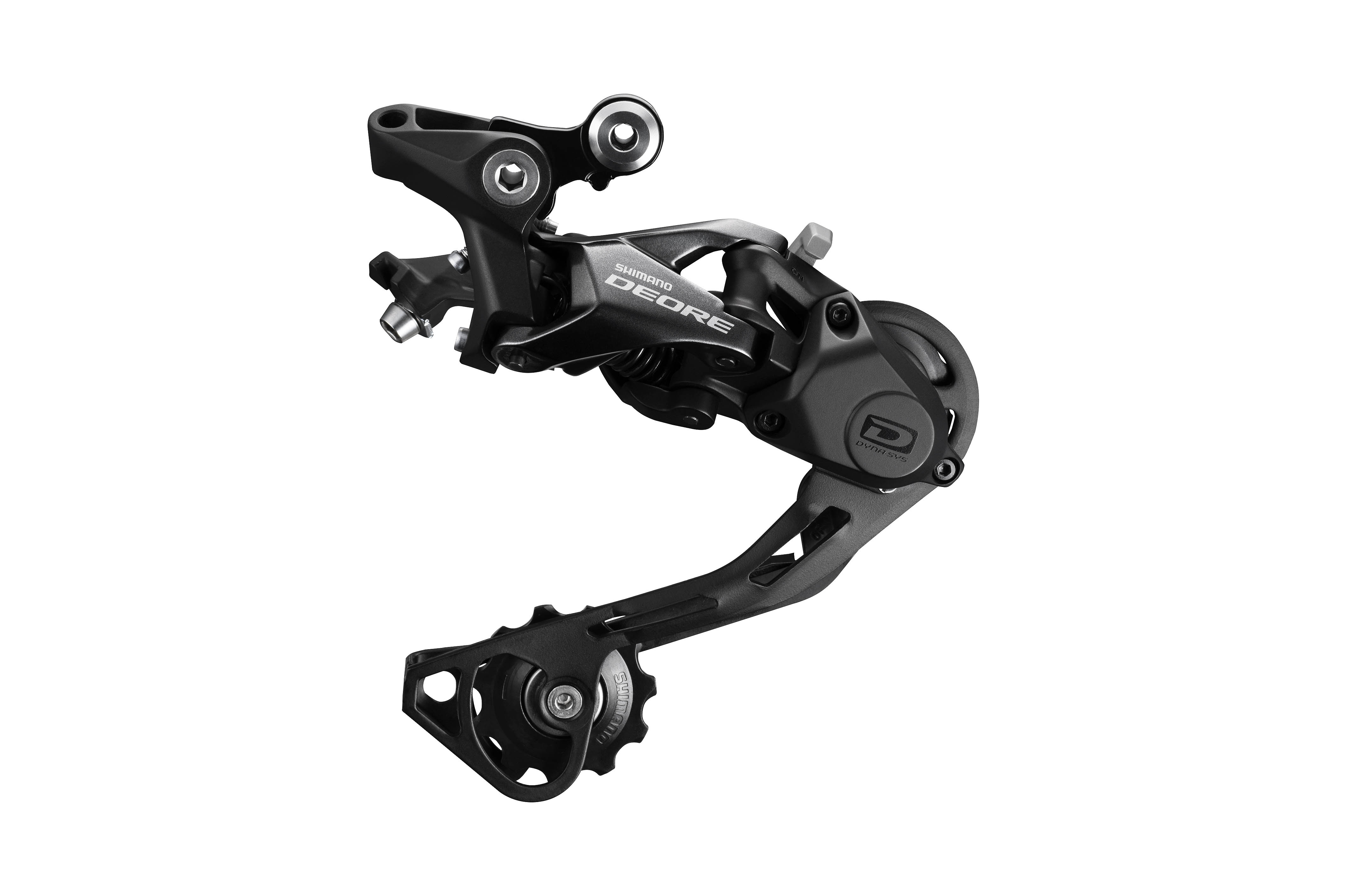
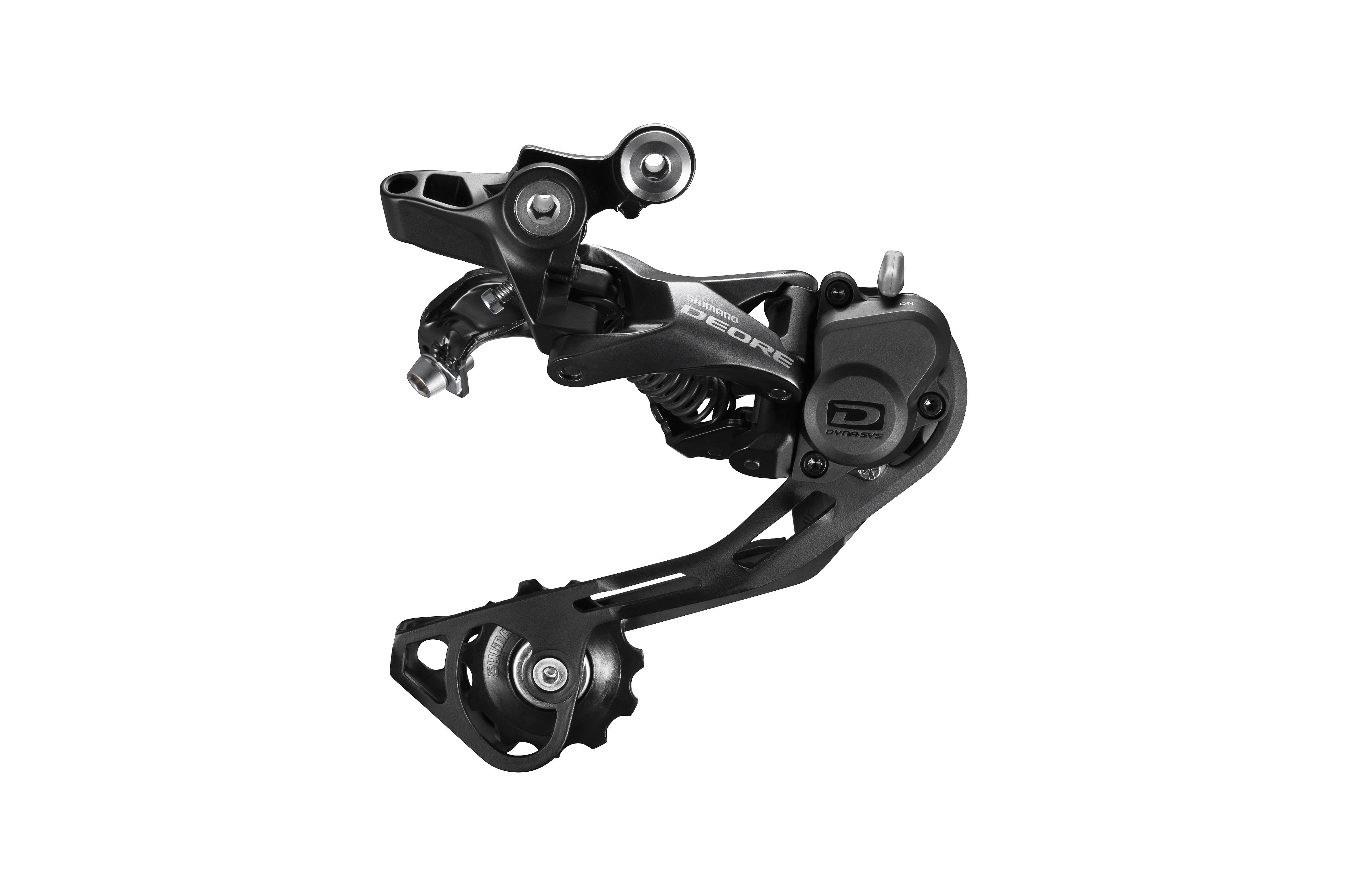
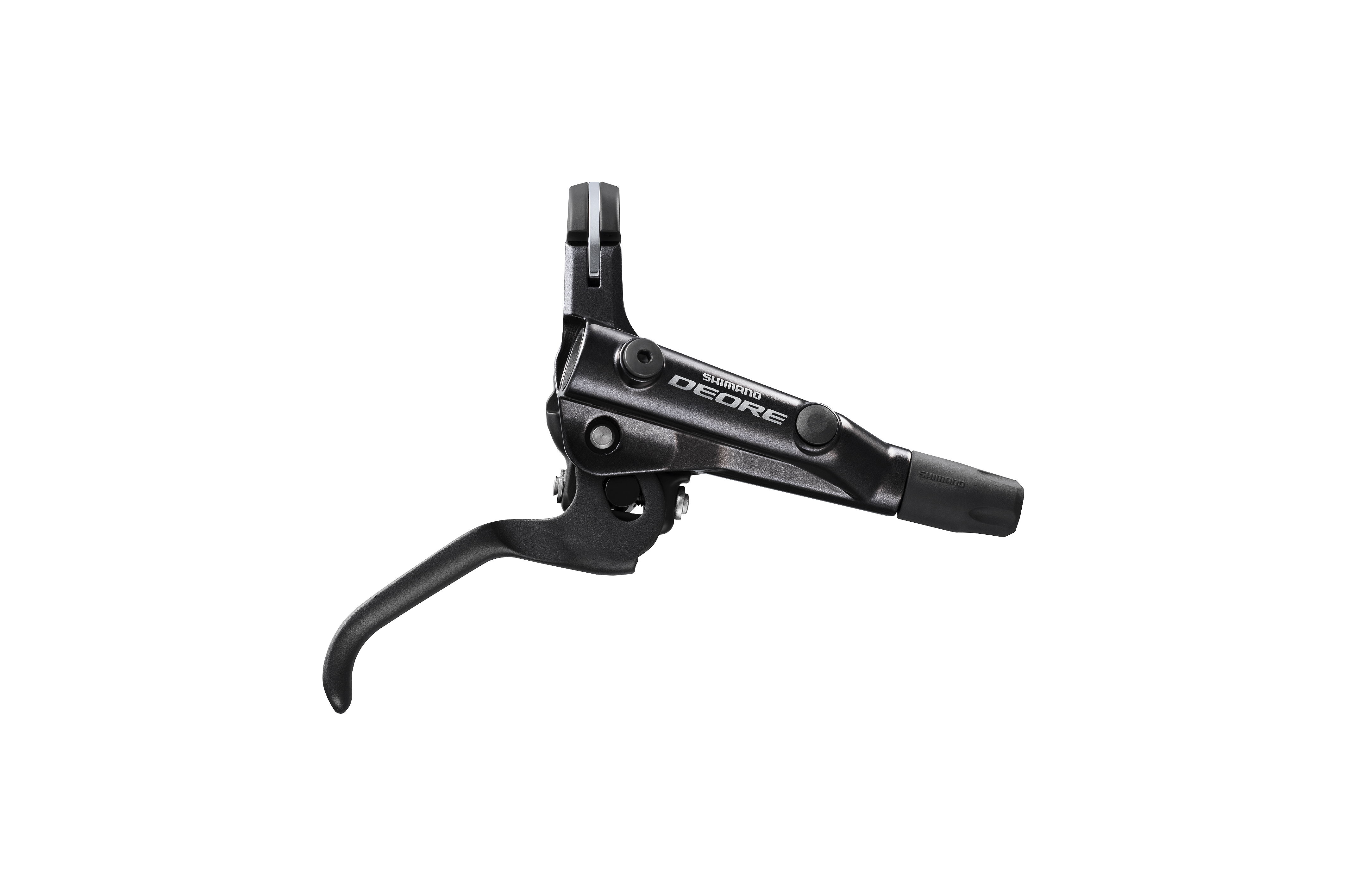
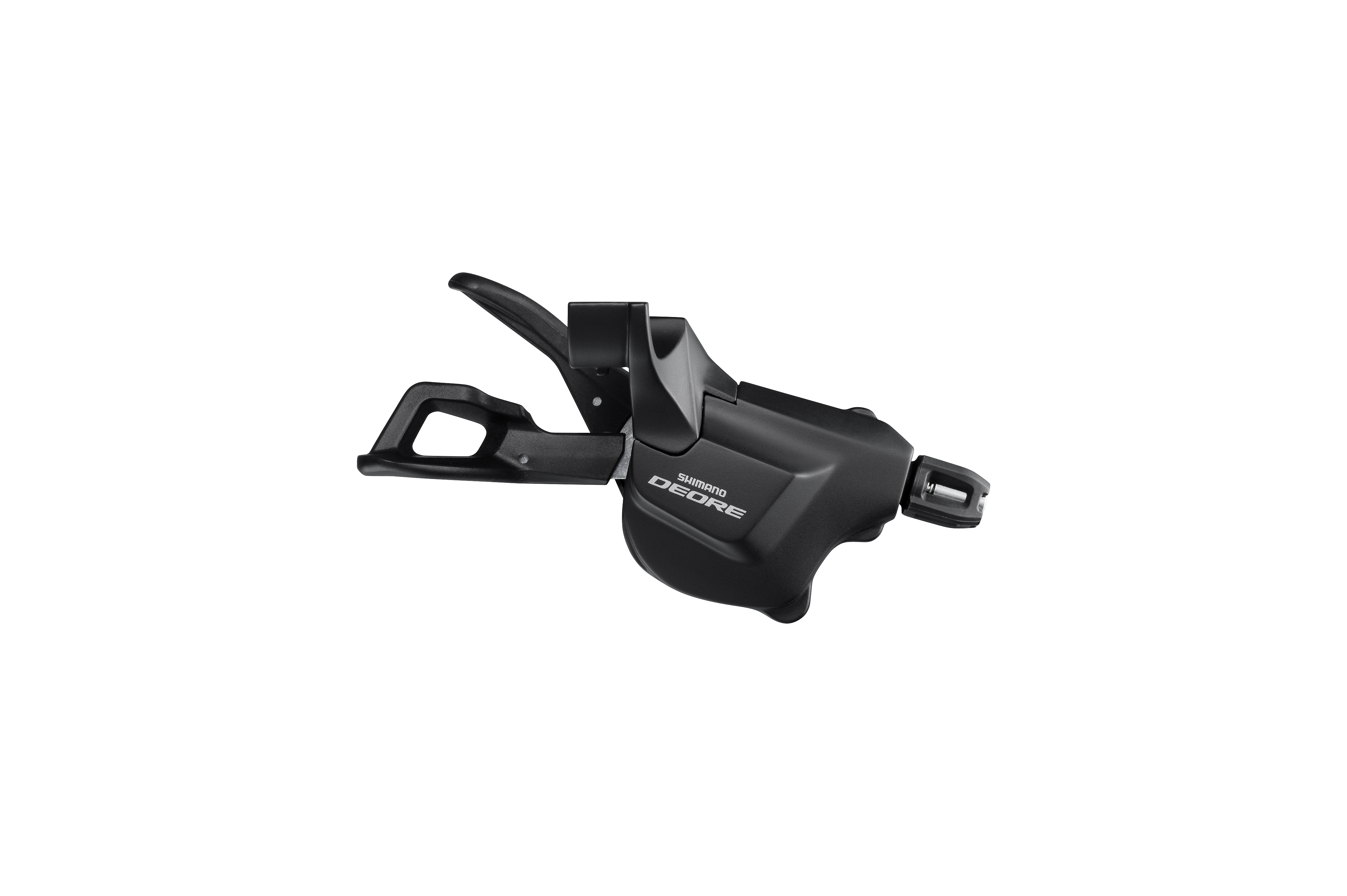
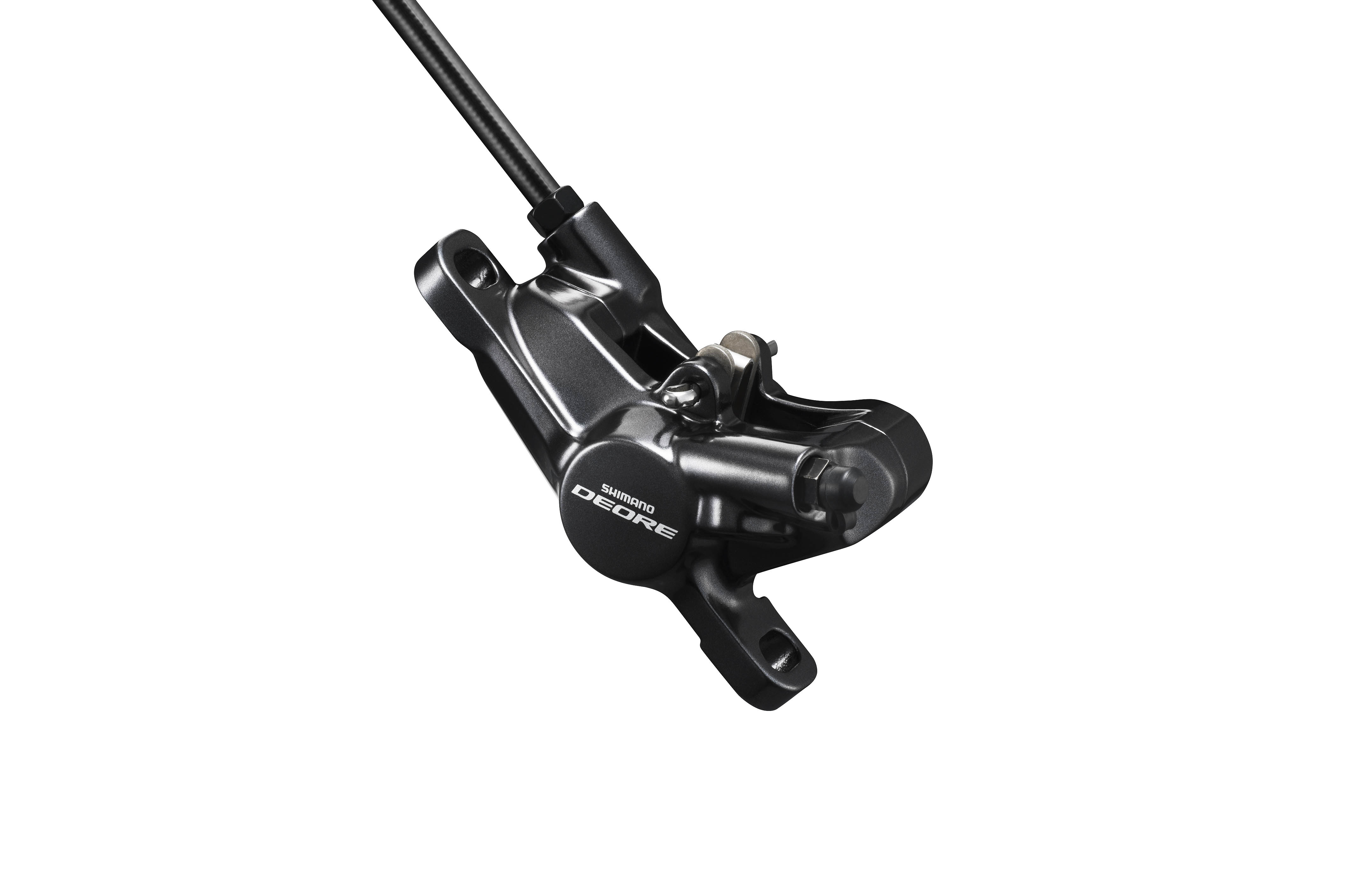
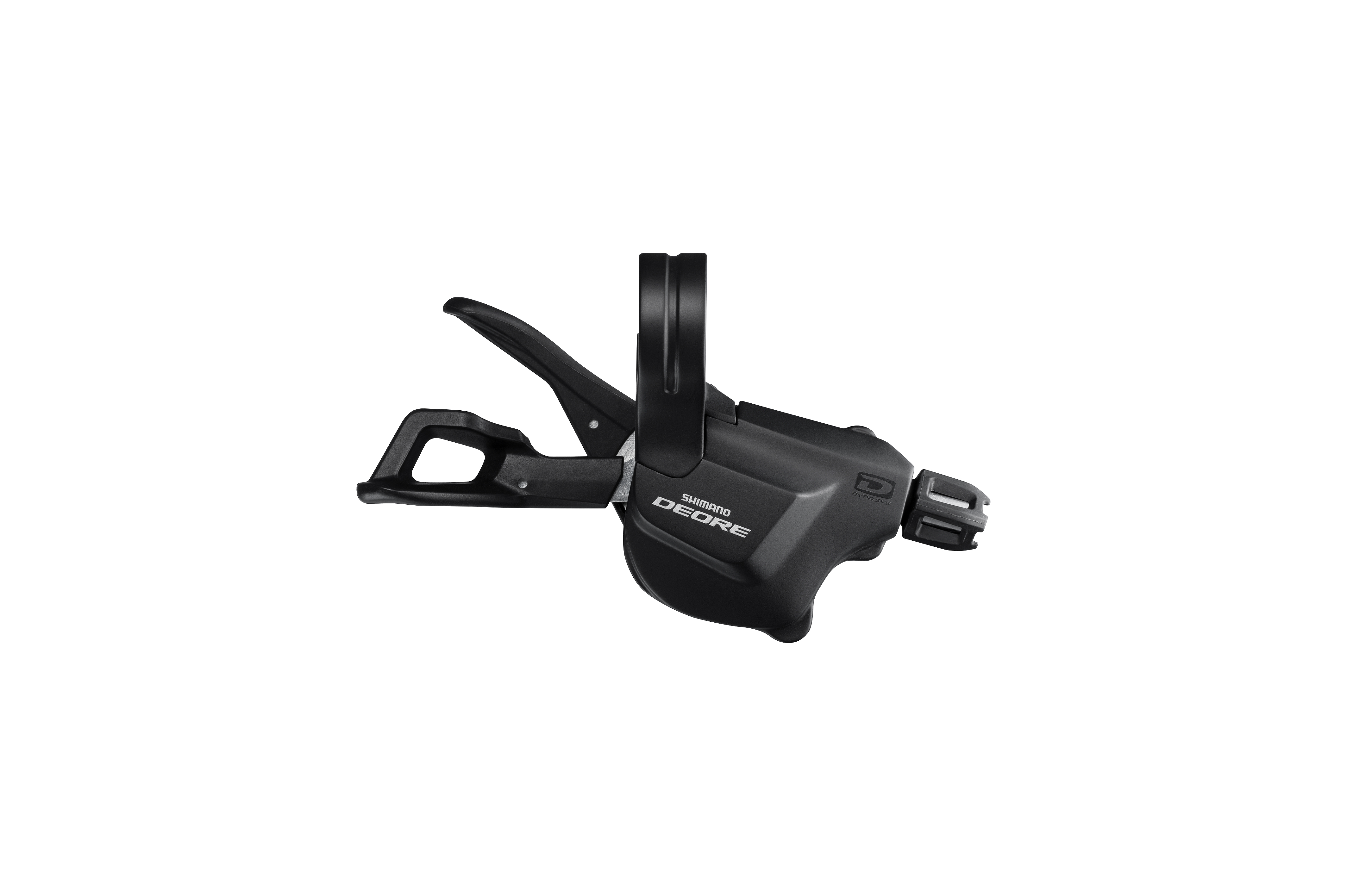
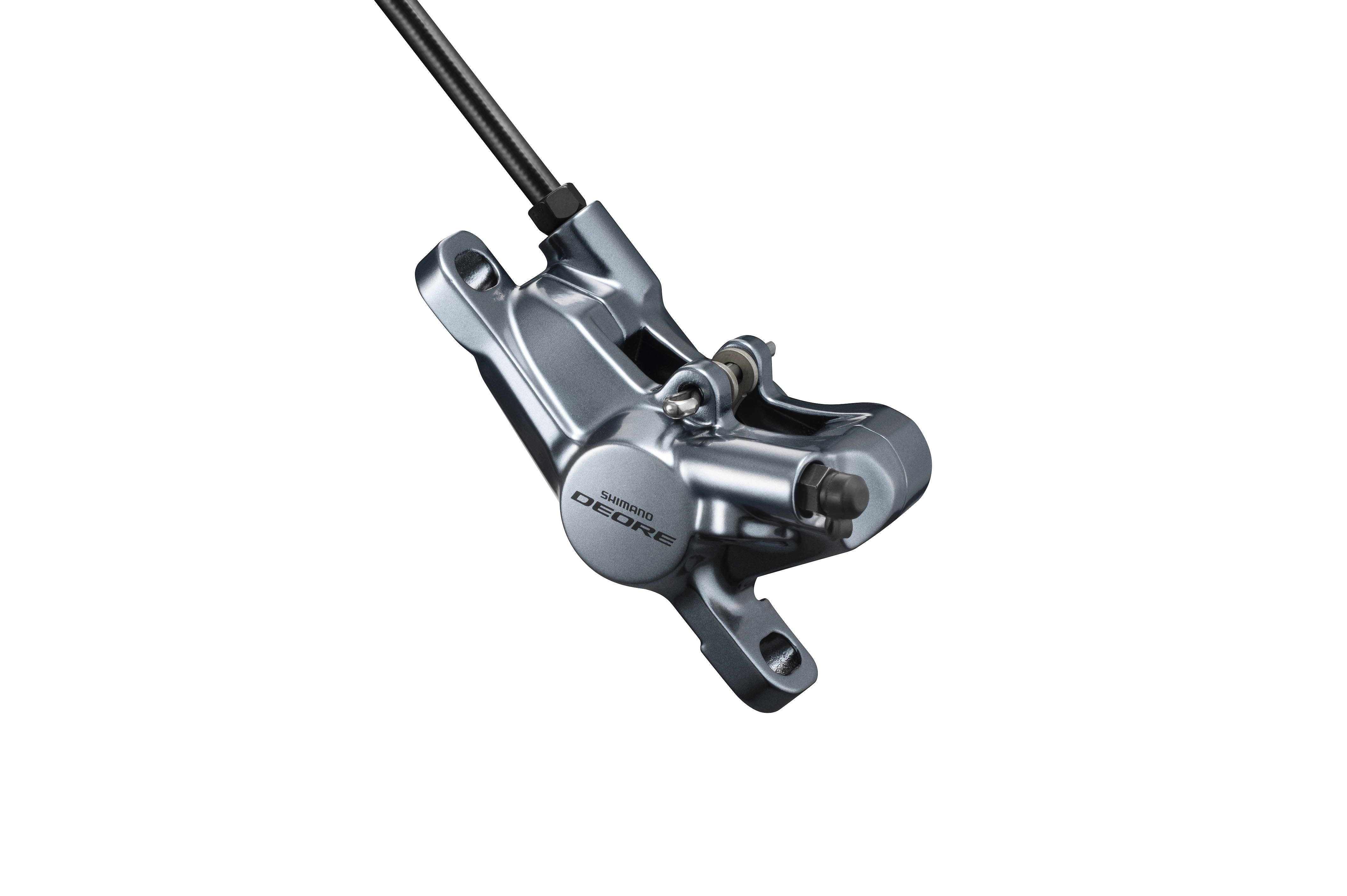
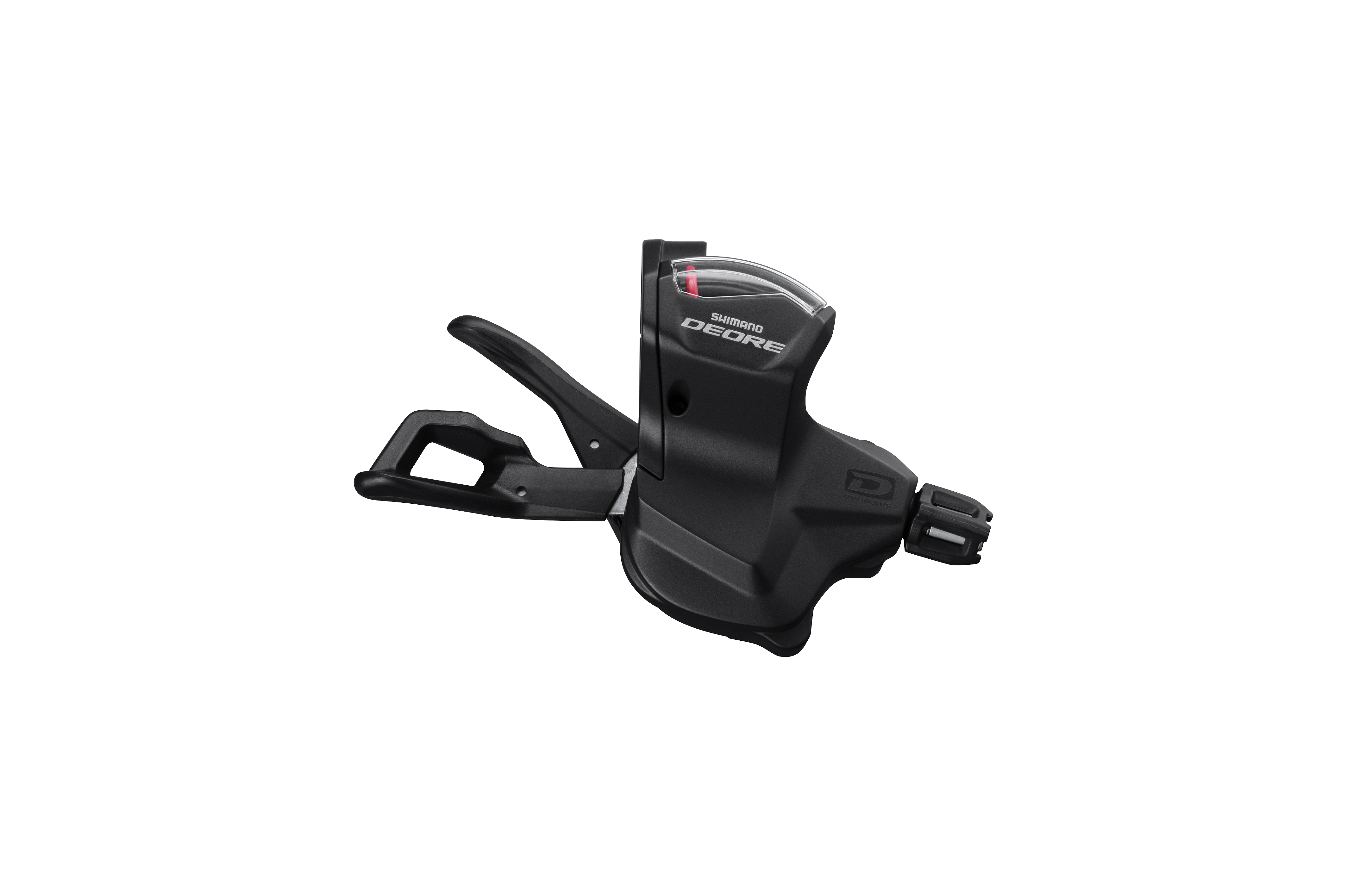
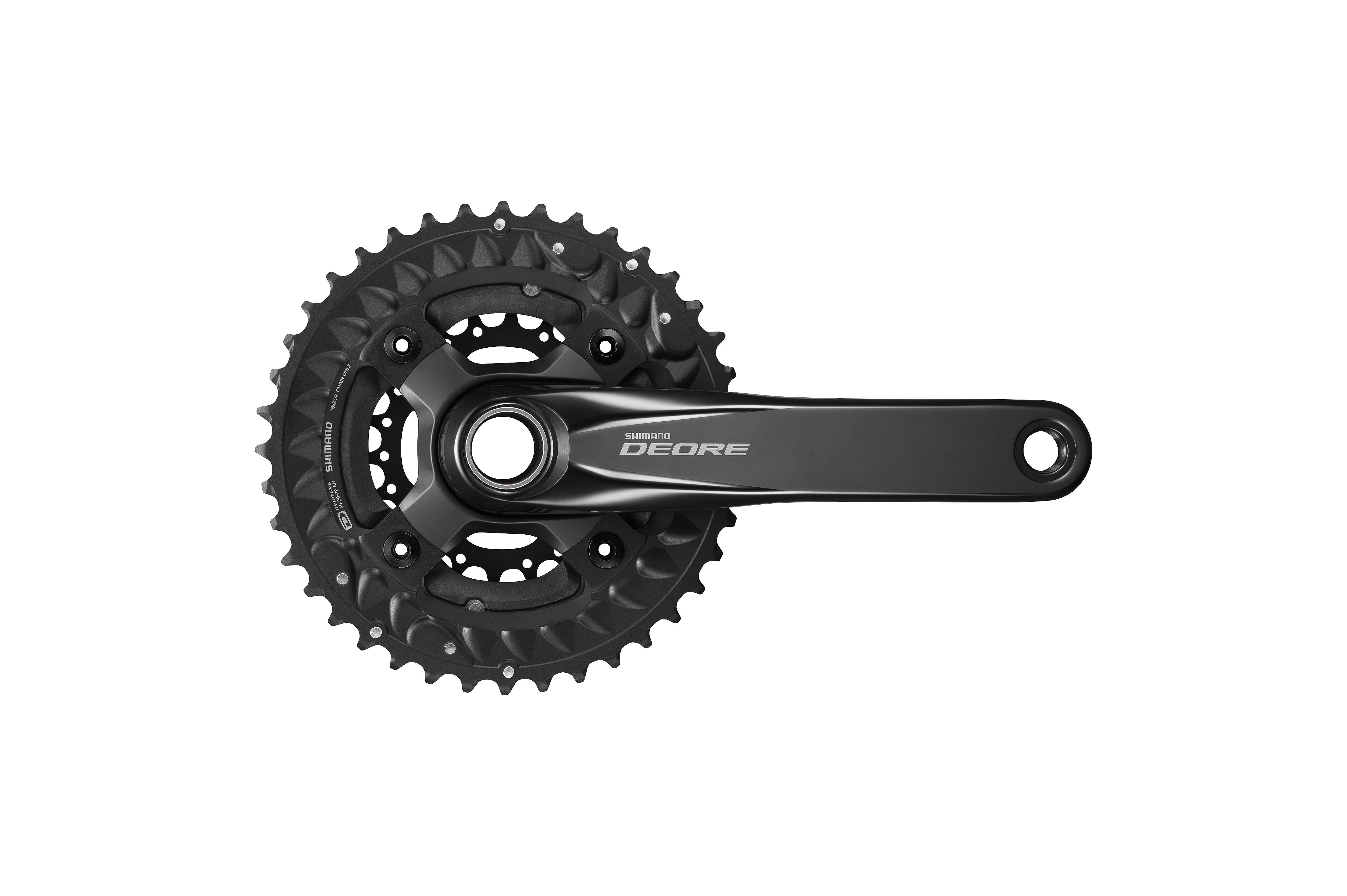
Optically, the new Deore - the group designation is M6000 - is similar to its higher-quality XTR, XT and SLX counterparts. But it's not just the looks, because the Deore doesn't follow suit technically: The M6000 remains a 2x10 or 3x10 drivetrain, so there's nothing with single-chainring technology at Deore level.
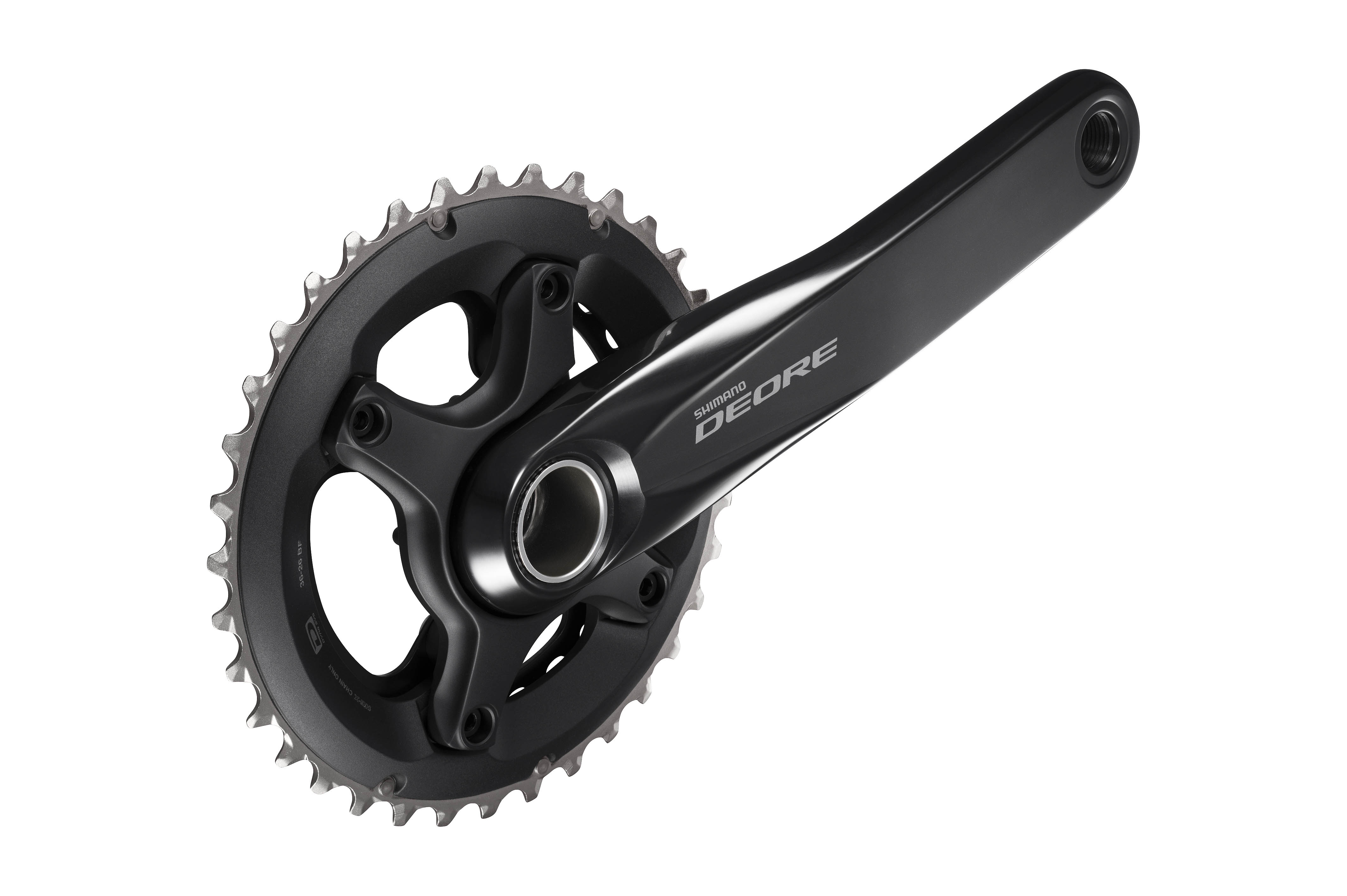
For 3x10, the gradation on the crank is 40-30-22; for 2x10, there are 38-28, 36-26 and 34-24 variants, plus a Boost version of the crank, as this size requires a chainring that is 3 millimetres further out. The Deore crank is built to the familiar Hollowtech II standard, meaning that the cold-forged crank is hollow on the inside, which promises low weight and high stiffness.
In terms of cassettes, an 11-42 cassette enters the race for double use, while the triple crank is accompanied by three cassettes in 11-36, 11-34 and 11-32 gradations. With the 11-42 cassette, 10-speed riders can now enjoy a really wide gradation on the rear wheel for the first time.
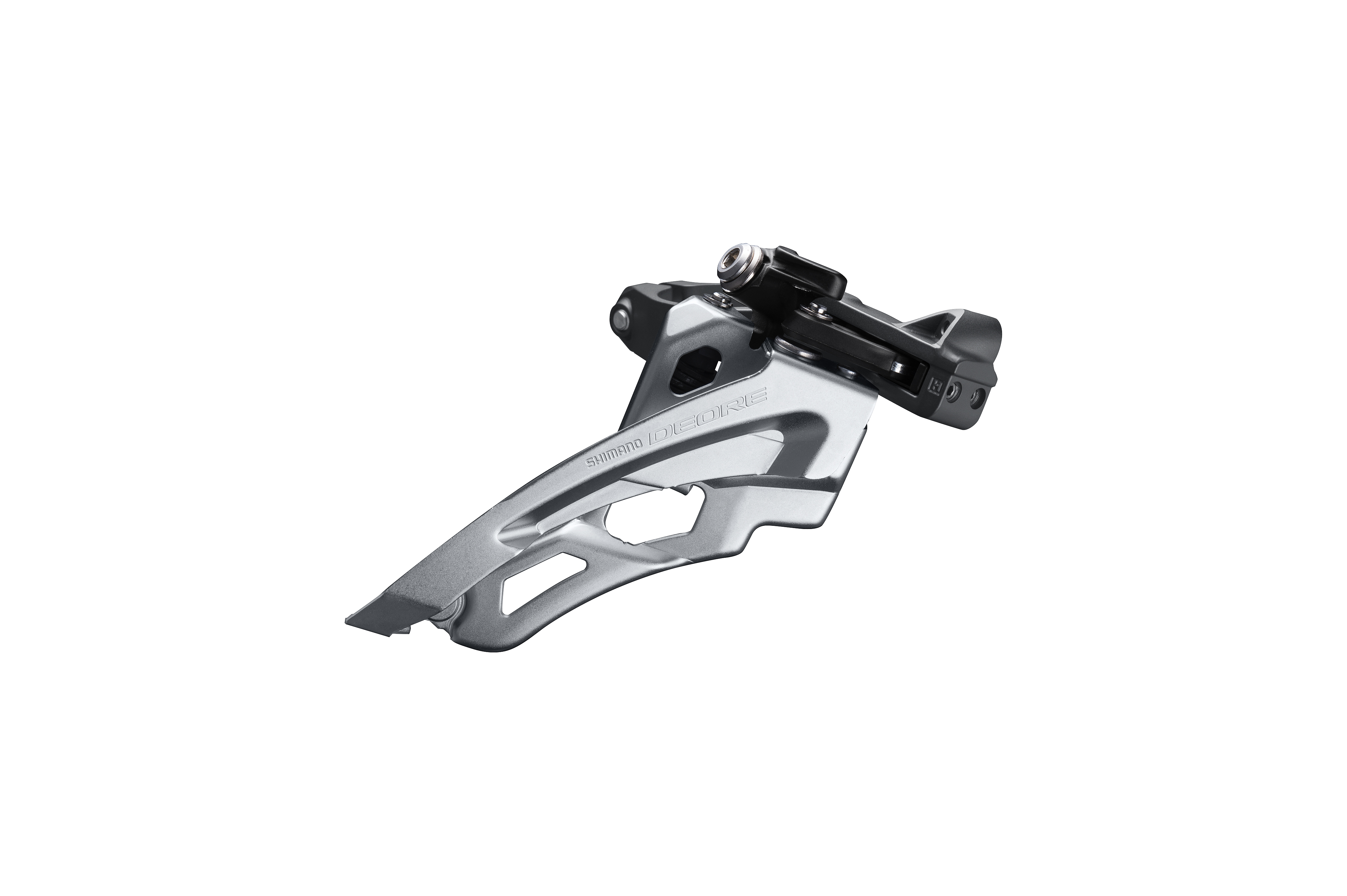
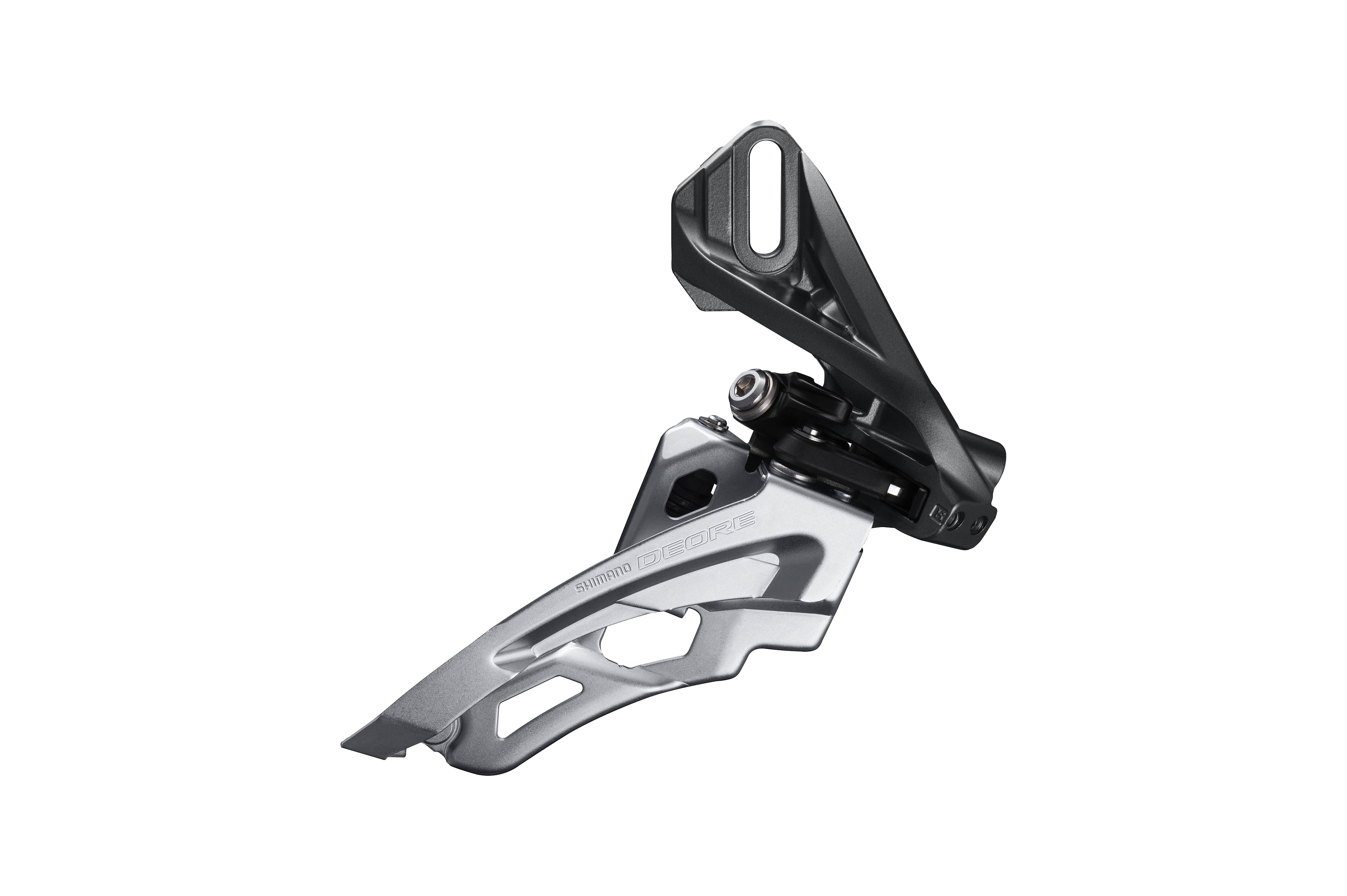
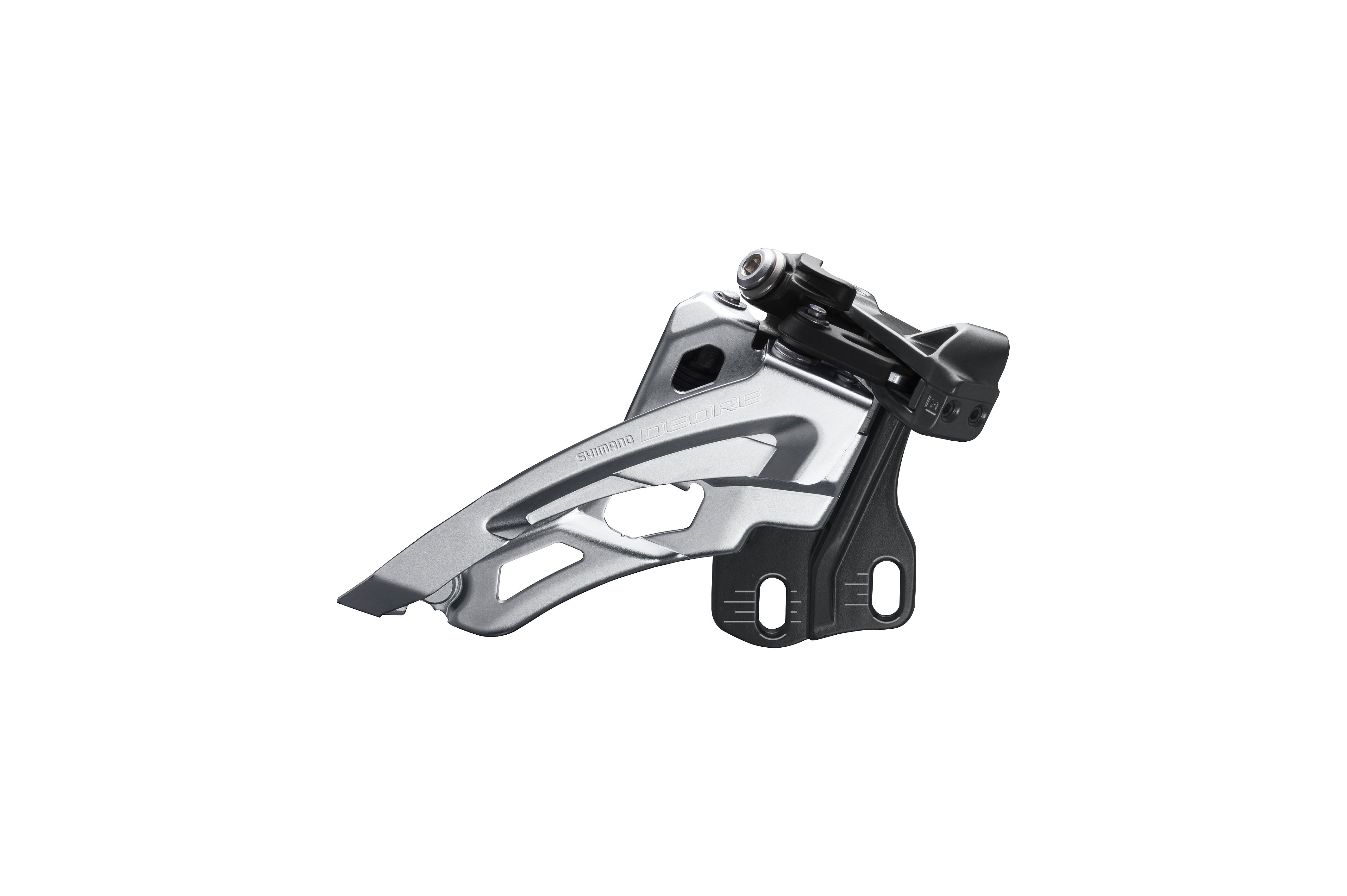
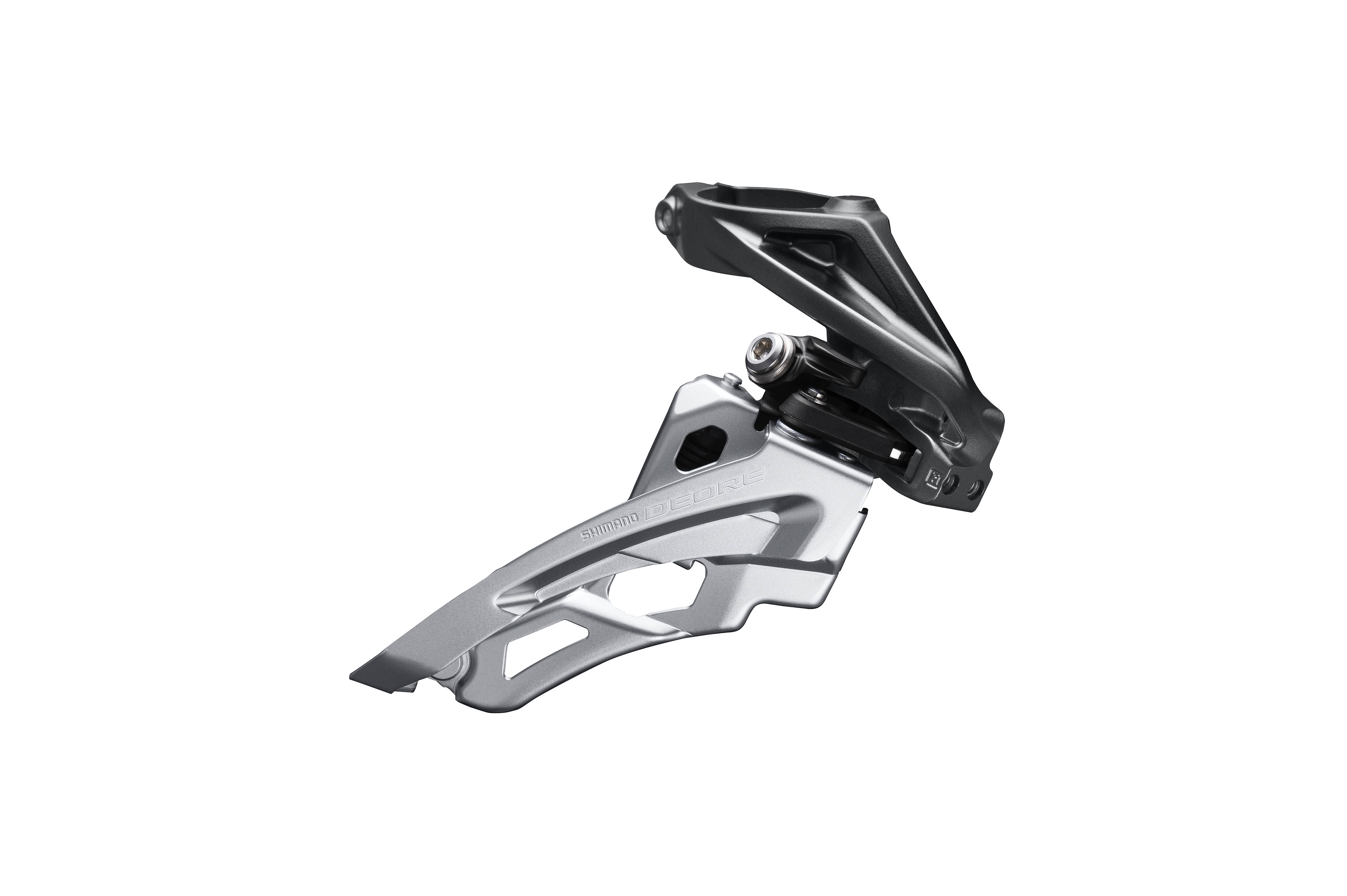
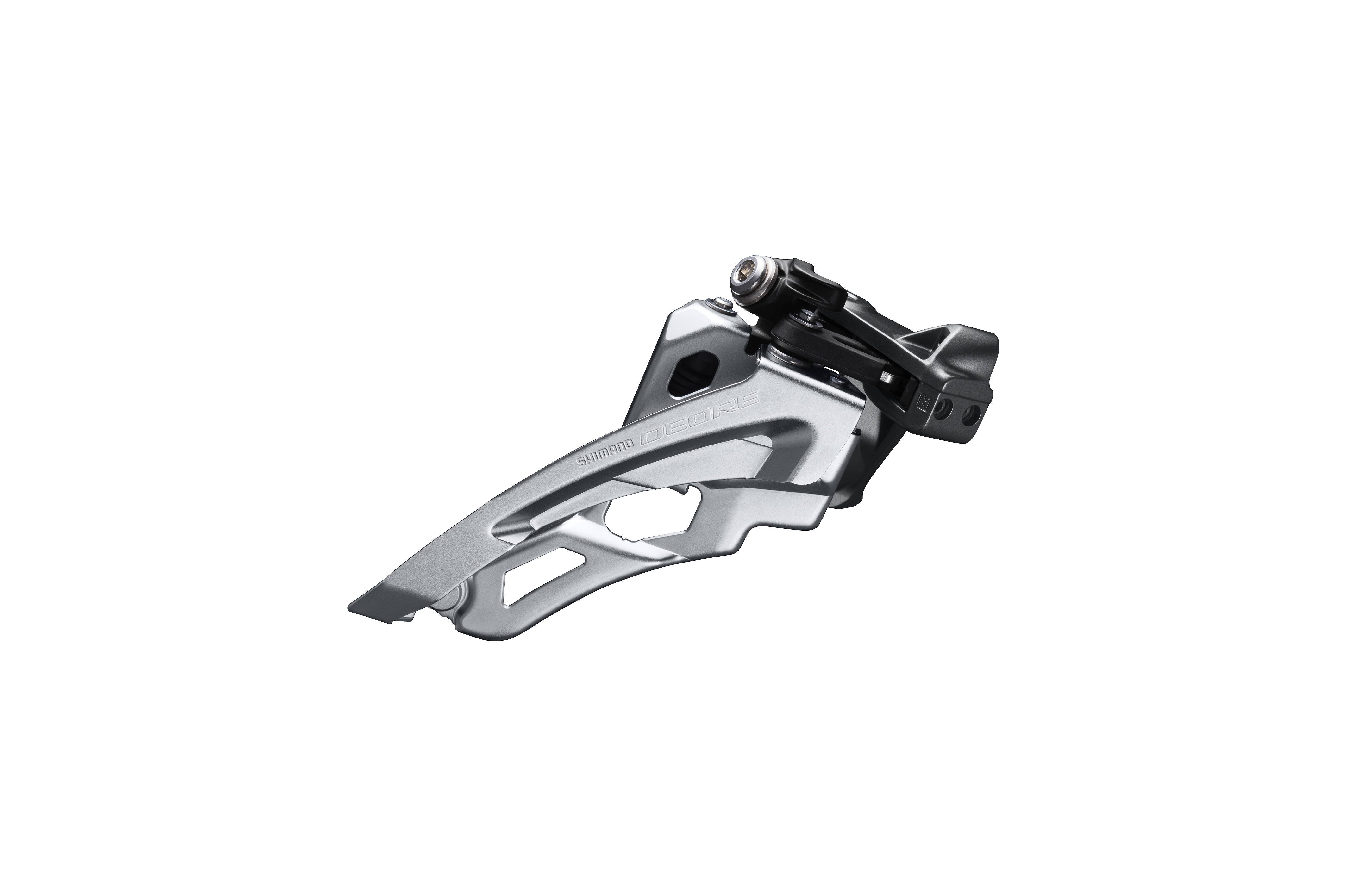
As there is no single-chainring version for the new Deore, the groupset is always linked to a front derailleur. This is available in several versions, including the popular side swing design, in which the shift cable is not routed from below or above, but directly from the down tube from the front.
Boost for XT wheels and new axles
At the same time as the Deore update, the Japanese company is launching two new 29 and 27.5-inch wheelsets at XT level, which are raised to Boost dimensions with 10 millimetres and 6 millimetres more axle width than before.
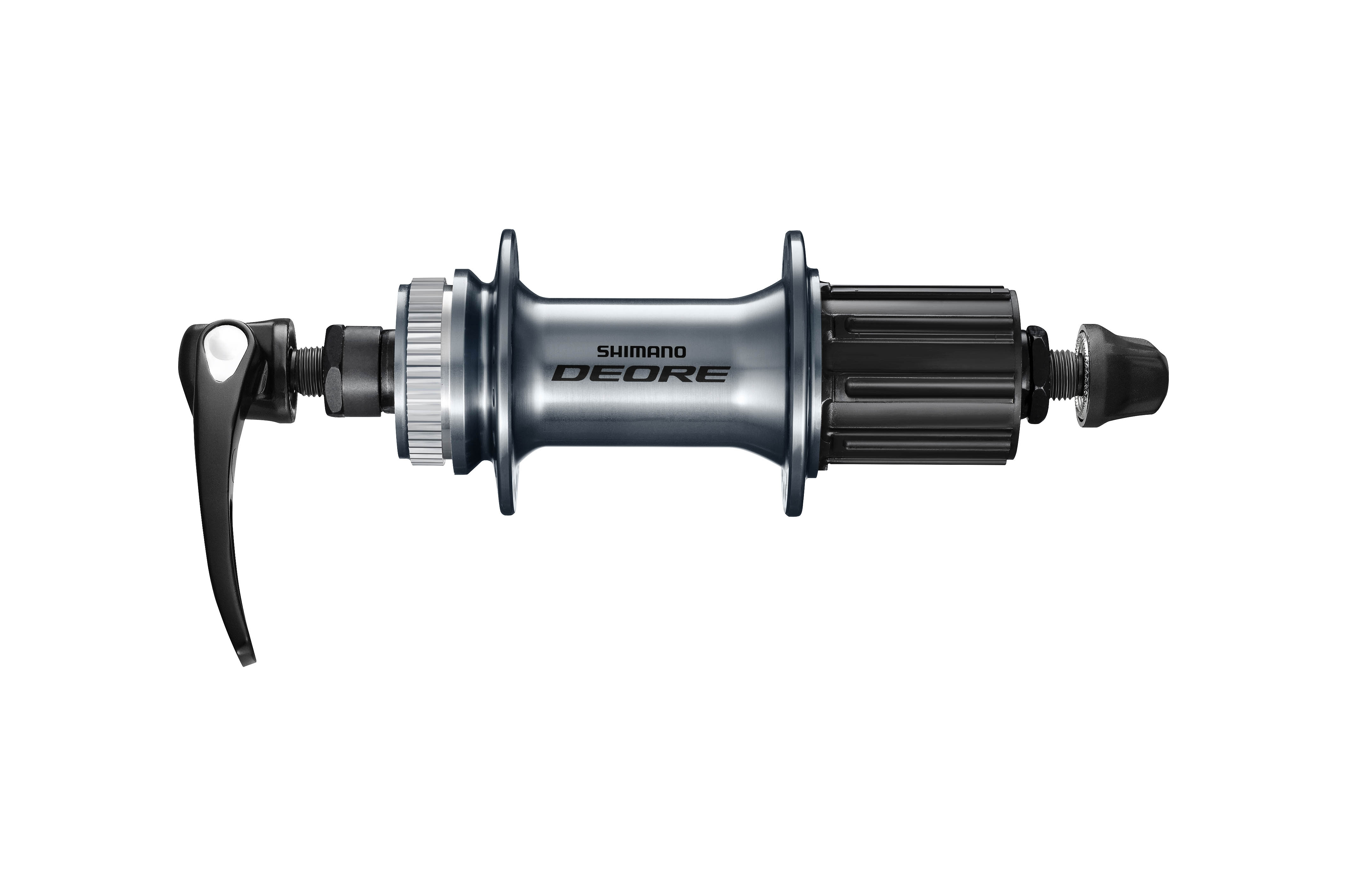
There are also two new thru-axles on the menu, which have been redesigned. The adjustment mechanism for the quick-release lever is now located inside the axle instead of on the outside. This allows Shimano to create more space between the quick-release lever and hub flange and between the spokes and brake calliper respectively.
www.shimano.com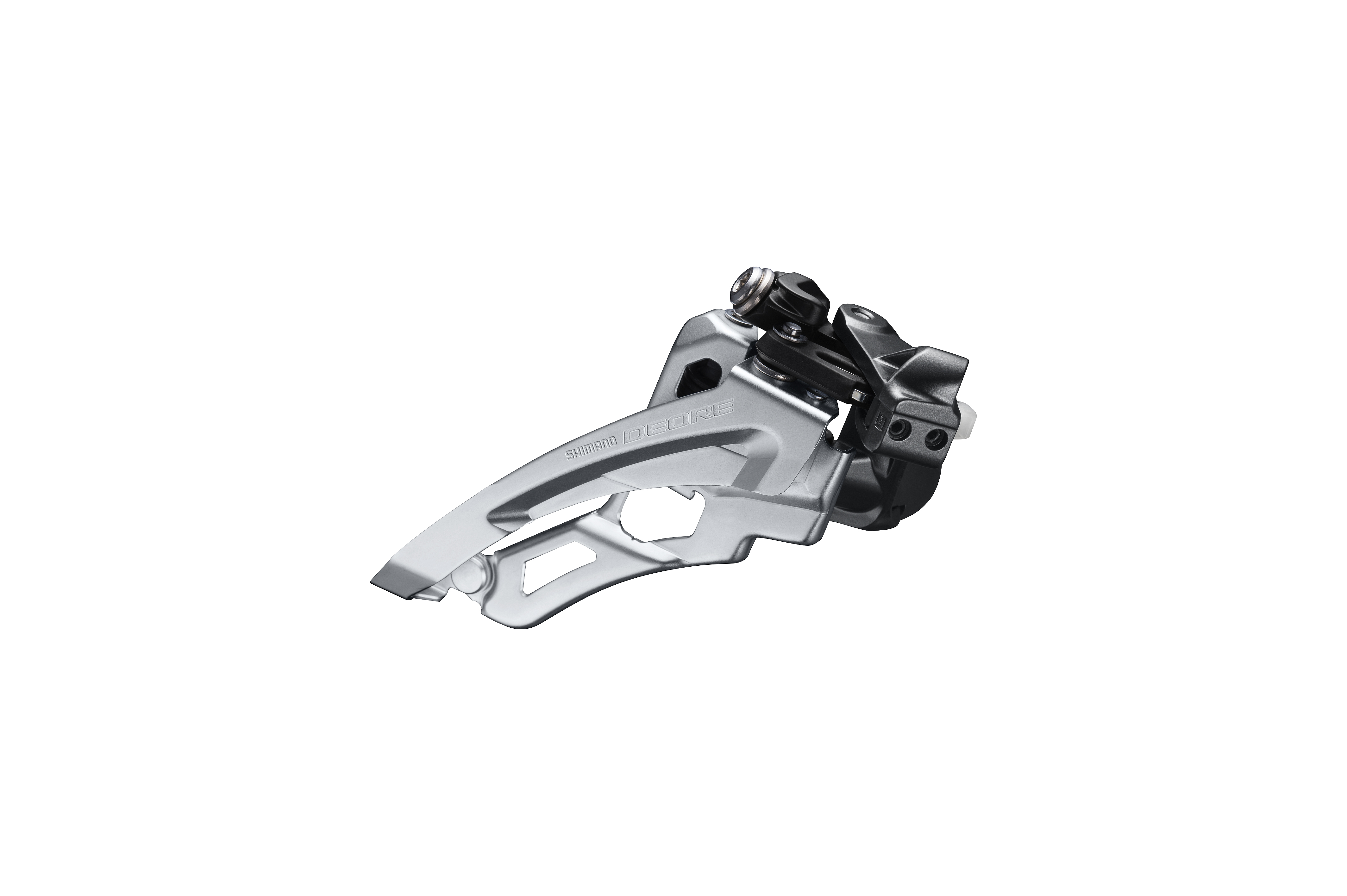


Note: This content has been automatically translated from German. Please report any incorrect translations.