

Swiss Cycling establishes new training base in Graubünden
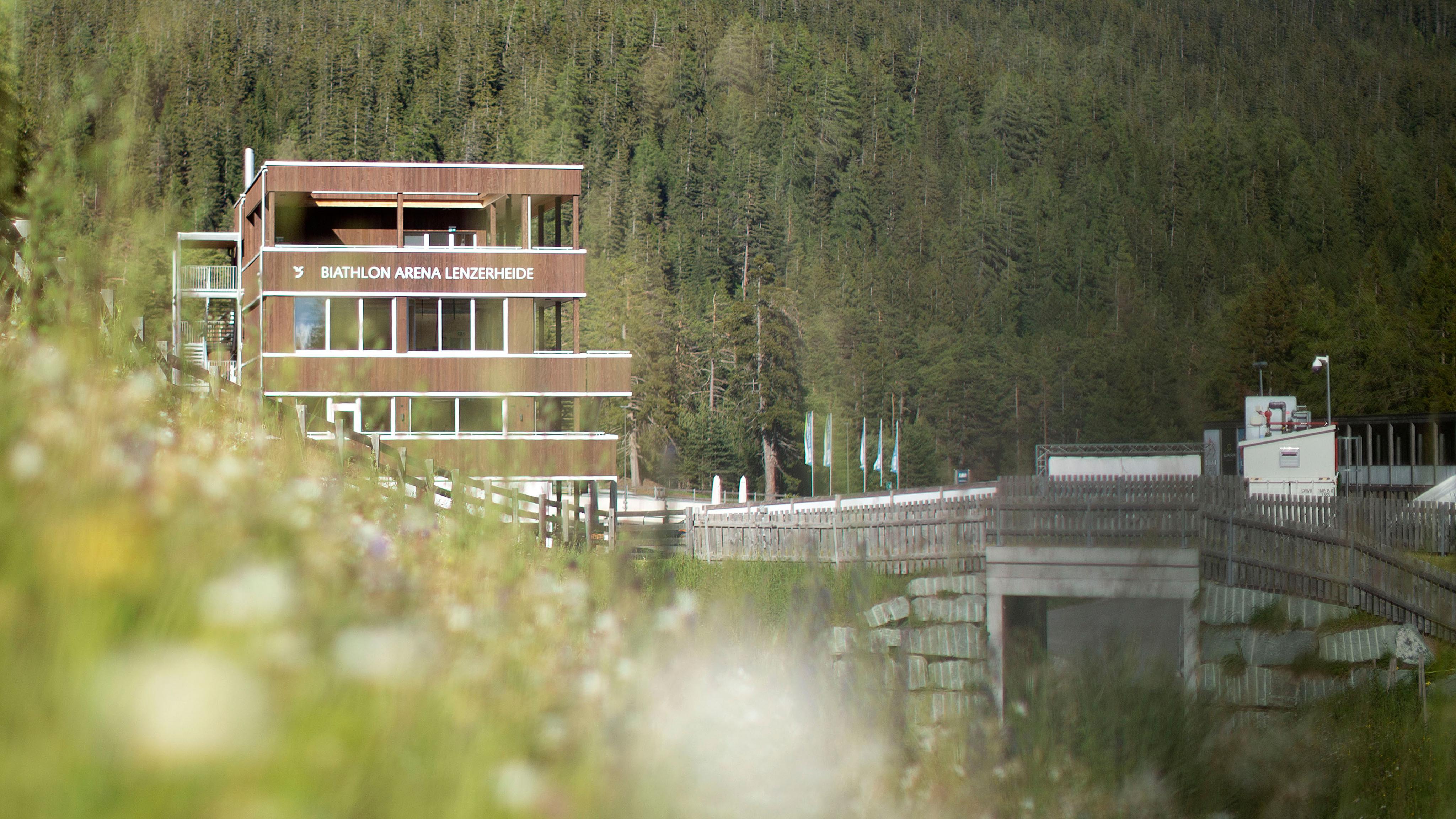
The professionalization of the promotion of young talent at Swiss Cycling is progressing. The Graubünden training base is being set up in the Roland Arena, formerly the Biathlon Arena Lenzerheide; the cooperation between the cycling association and the Roland Arena is being intensified in this context. Lenzerheide has established itself as a bike destination and the Roland Arena offers an excellent overall package, says Swiss Cycling Managing Director Thomas Peter. "The multifunctional facility can meet the needs of junior and top athletes." The collaboration between Swiss Cycling and the Roland Arena in the municipality of Lantsch/Lenz will not only benefit competitive athletes, but also many children and young people from Graubünden, as a bikecontrol hub is being created in Lenzerheide. bikecontrol is a Swiss Cycling training project. Pupils aged 6 to 16 can attend a workshop free of charge during their compulsory lessons. Technical riding skills are taught - with the aim of enabling participants to ride safely on the road.
Prevent early specialization
The establishment of the Graubünden training base is an important piece of the puzzle in Swiss Cycling's support structure, as the large canton currently served by the East base (Thurgau, St. Gallen, Appenzell) will have its own talent development and support center. Hans Harnisch, who is responsible for young talent at Swiss Cycling, says that a gap can be closed as every major part of the country now has its own base. In the west, the Talent Romandie (Aigle), Geneva and Echichens bases provide coverage, while in the south, talent is supported at the Ticino base (Tenero & Capriasca). At the Mittelland base (Grenchen, Swiss Bike Park Oberried), aspiring riders from Bern and Solothurn find shelter, and at the Aargau base those from north-western Switzerland. Zurich has three bases: Oerlikon, Winterthur and Zurich United, with the latter also covering central Switzerland. "Our network is now so dense that most people can get there in an hour or less," says Harnisch, immediately pointing to the next goal: "In the next few years, we will need to increase the number of professional coaching positions so that young people can be supported in as many cycling disciplines as possible. Only if we succeed in preventing early specialization will our talents ultimately end up in the discipline in which they have the greatest potential."
Note: This content has been automatically translated from German. Please report any incorrect translations.