

Test: Merida OneTwenty 9 8000 - balance in the form of a trail bike

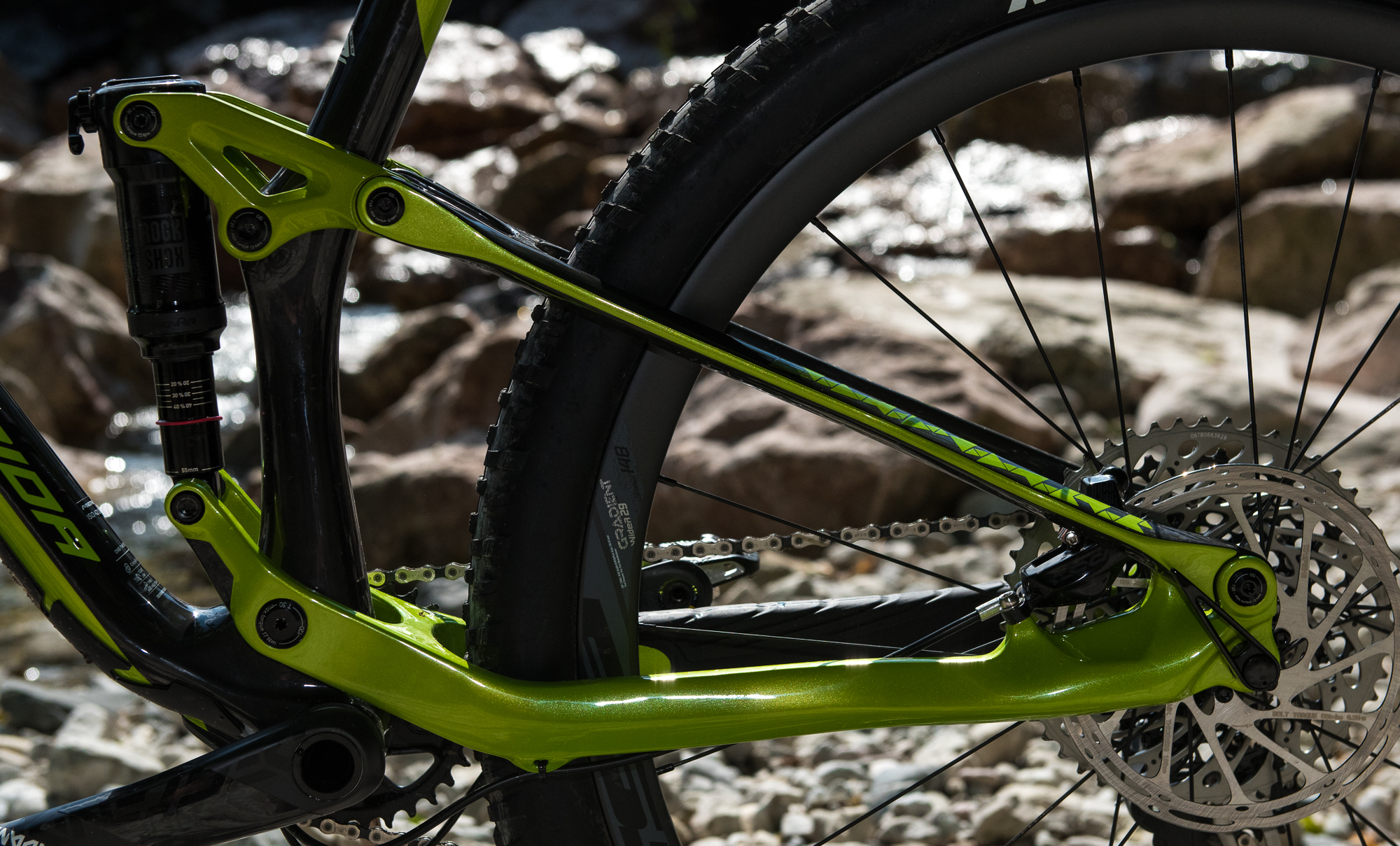
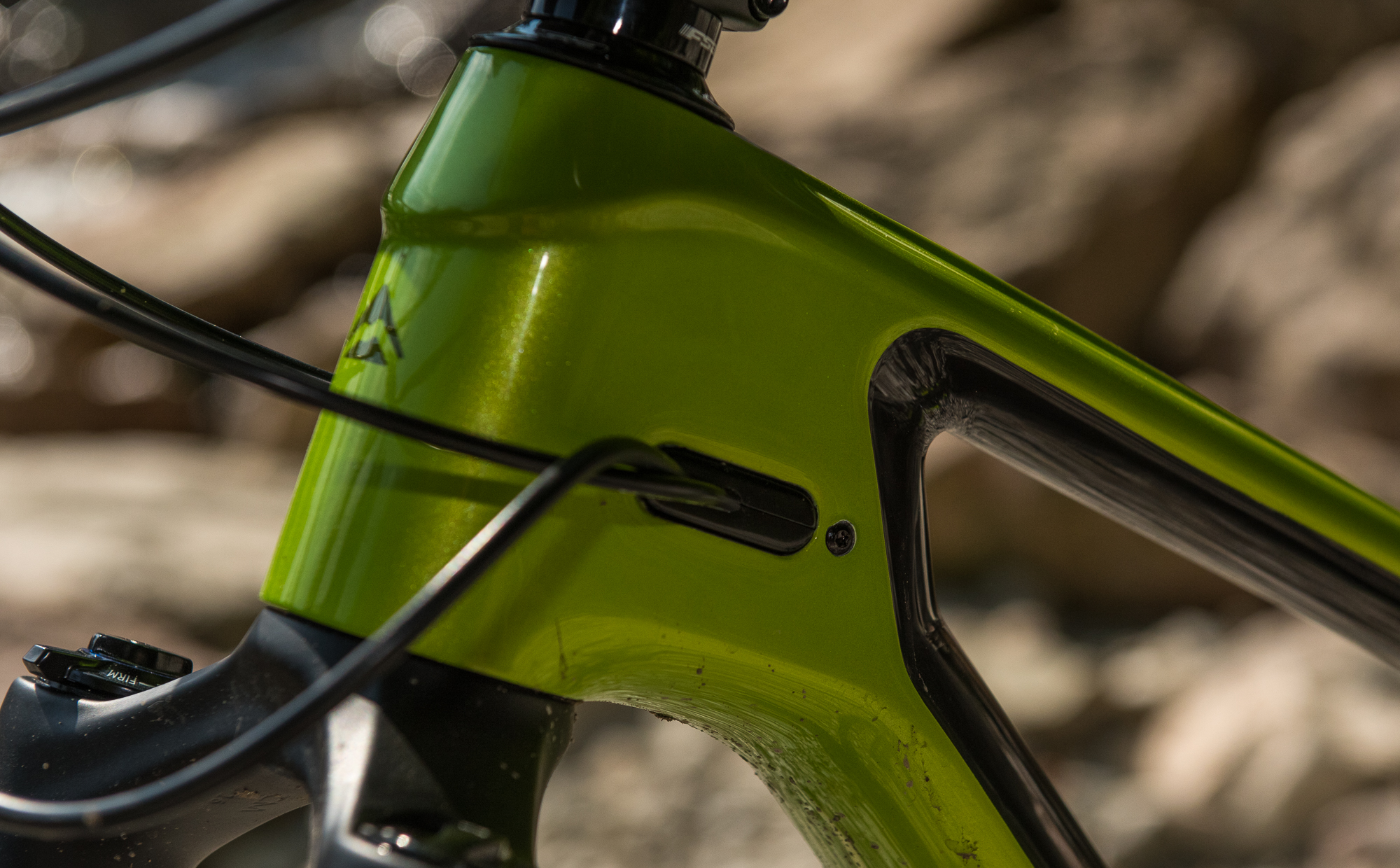
Merida is also sticking to its design and color language with the new OneTwenty. This means that the new trail bike is still recognizable as a Merida at first glance. The black/poison green carbon frame catches the eye anyway and so the gaze wanders on to the details.
Frame: solid whole with low weight
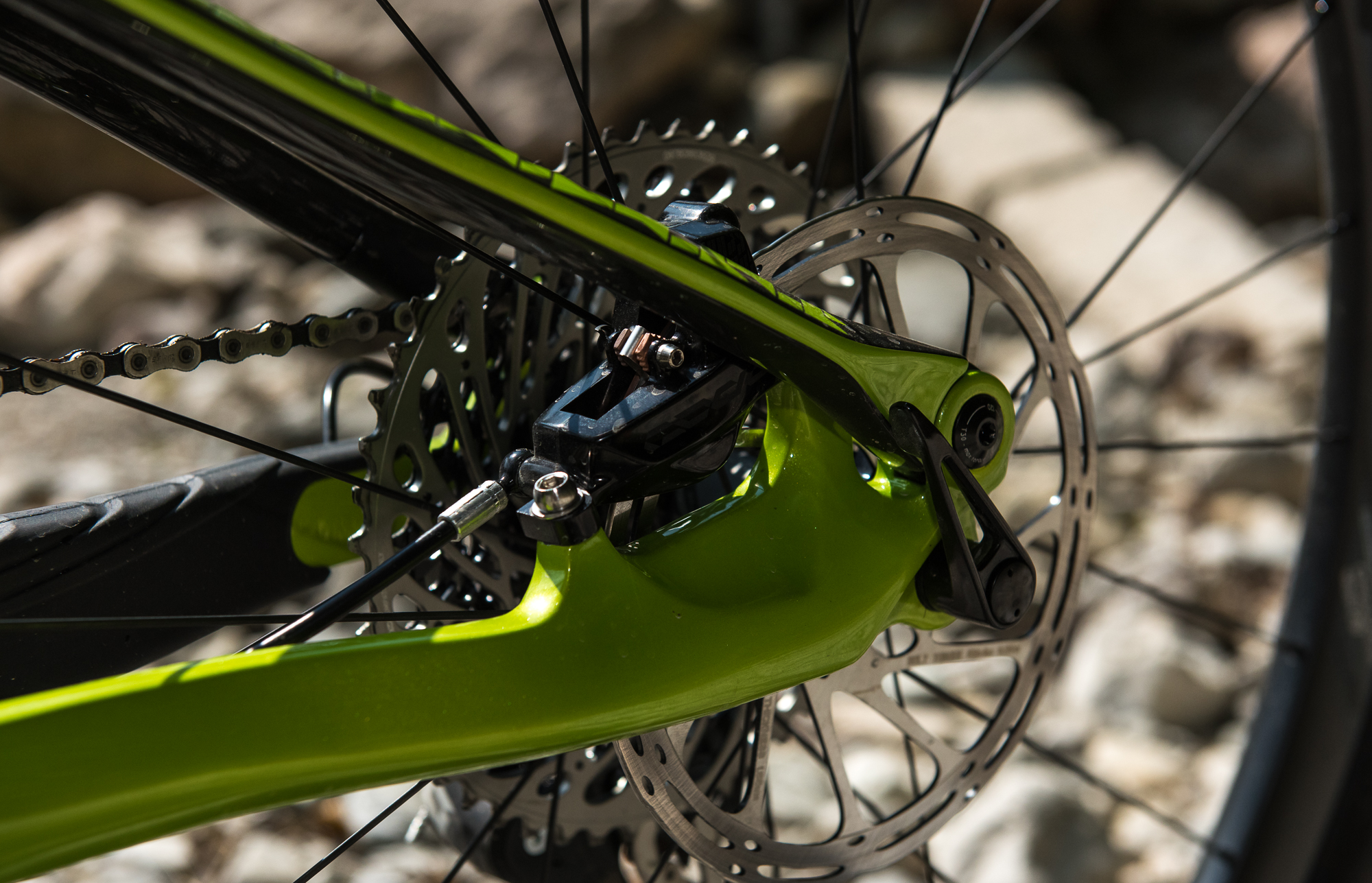
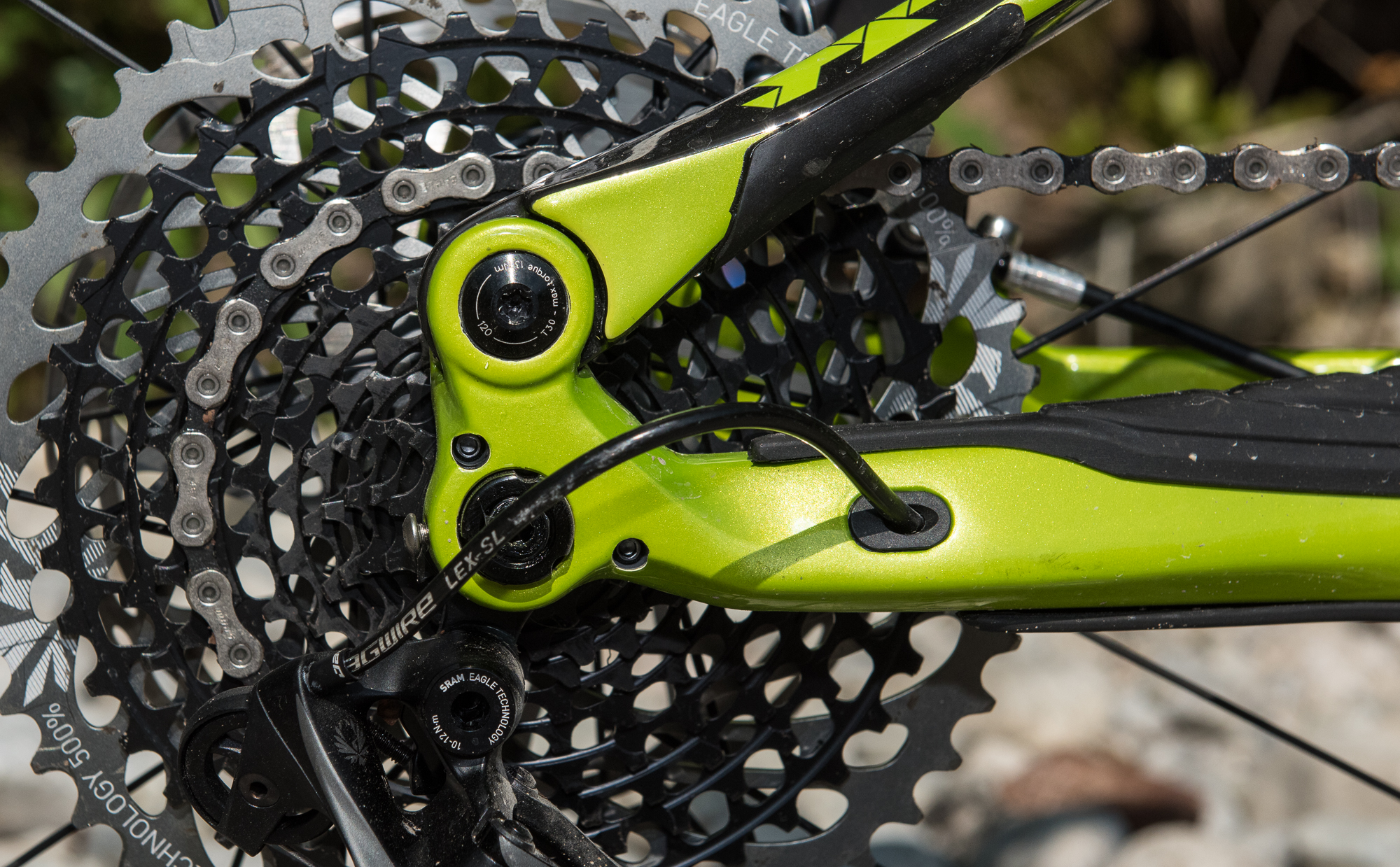
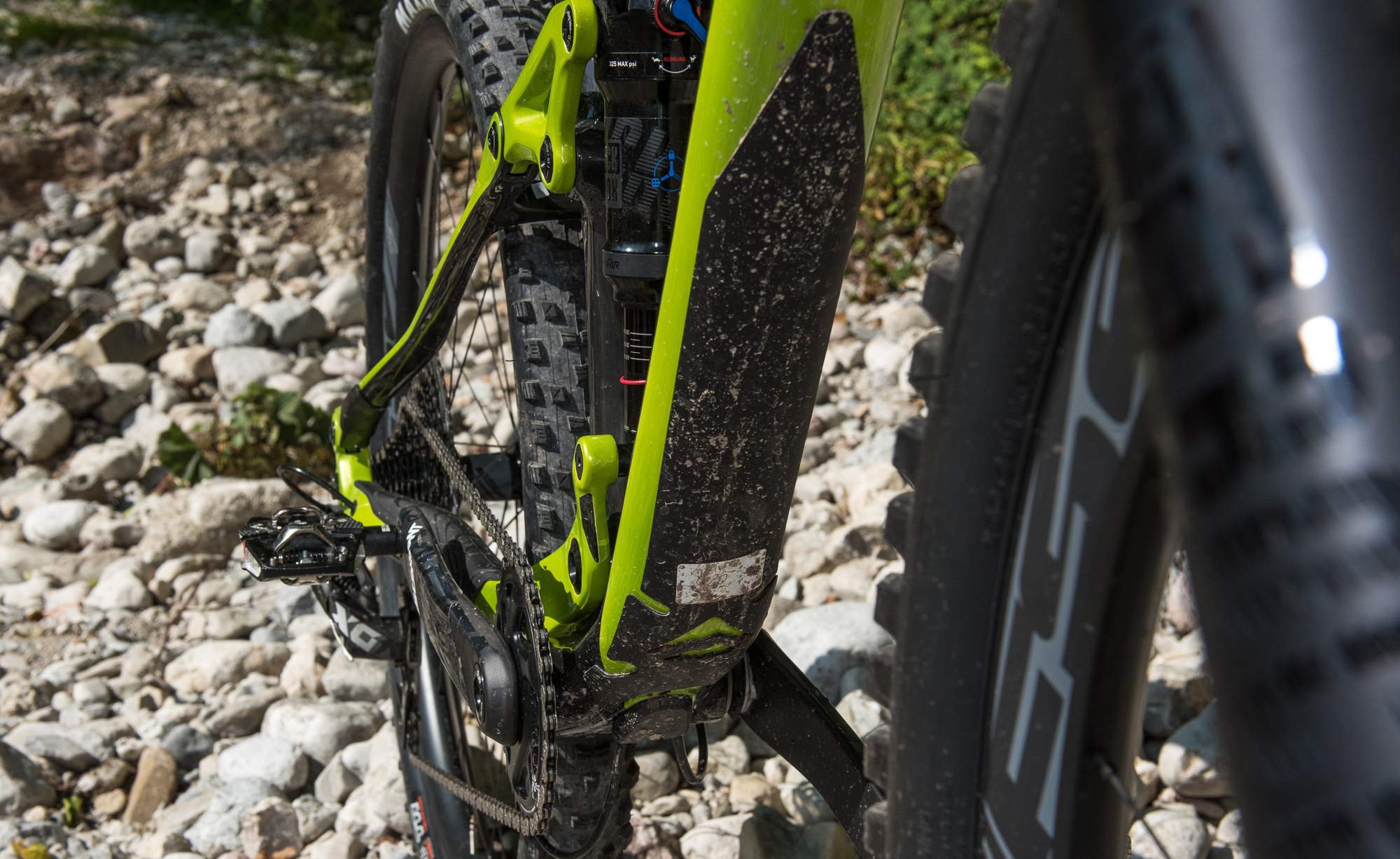
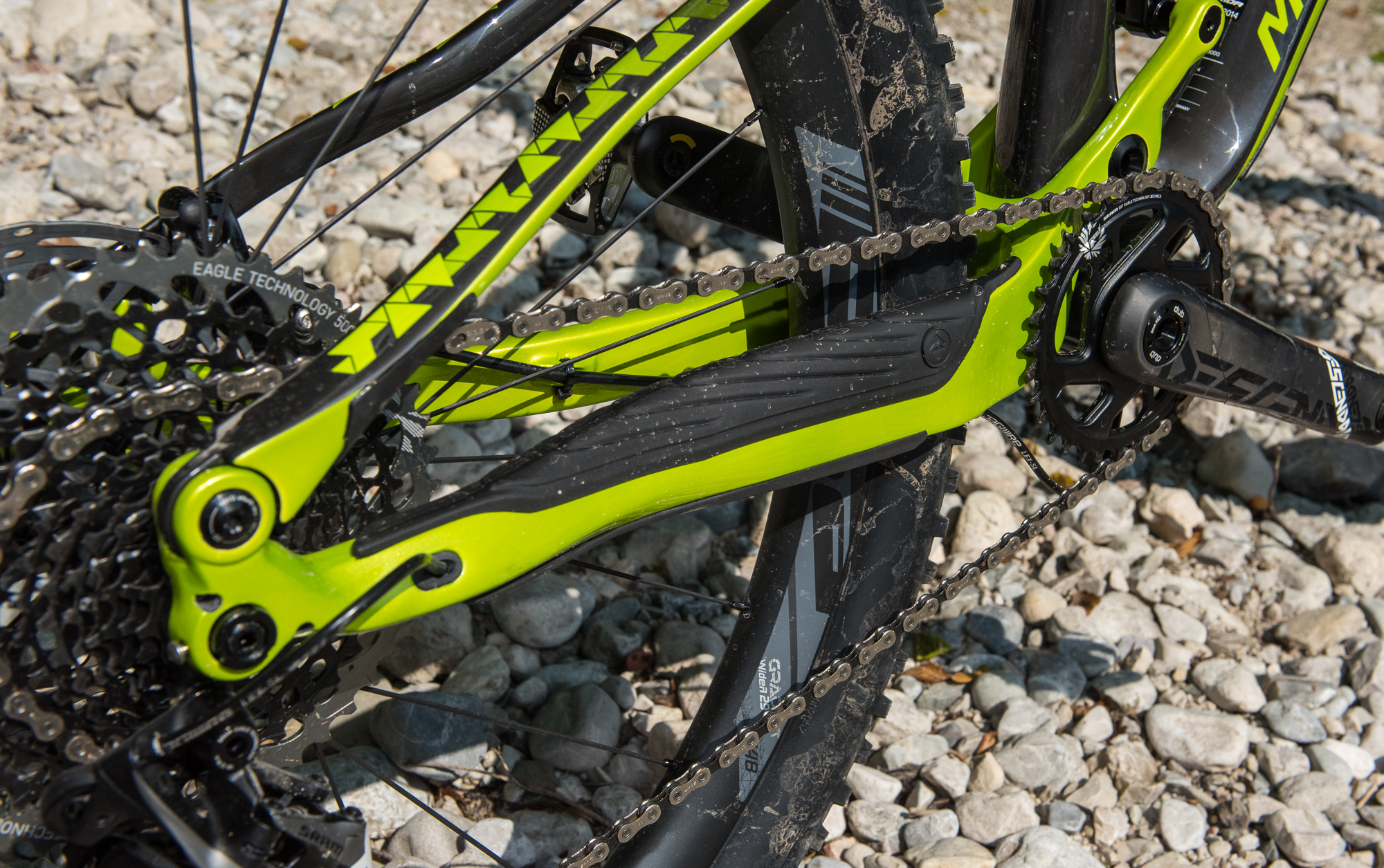
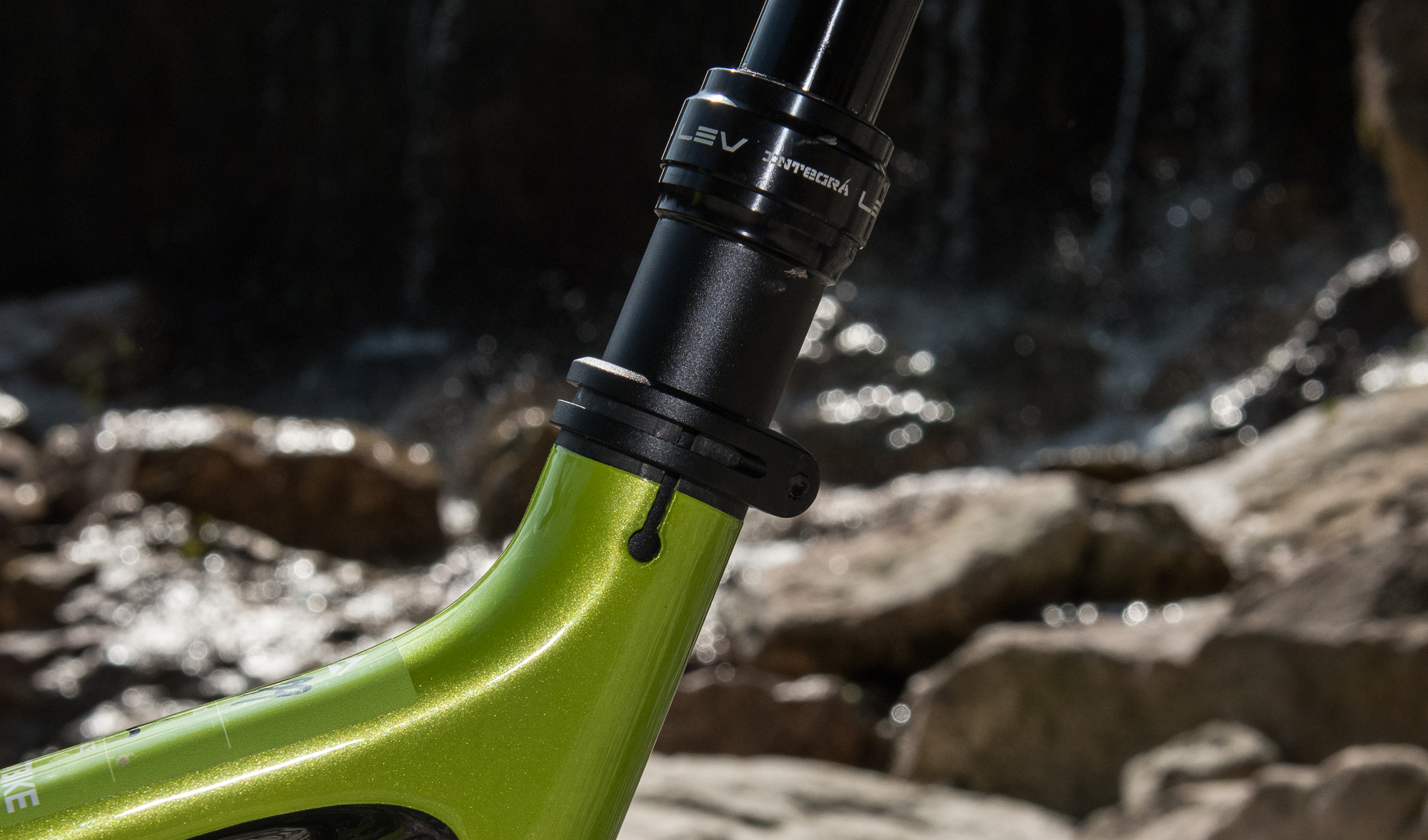
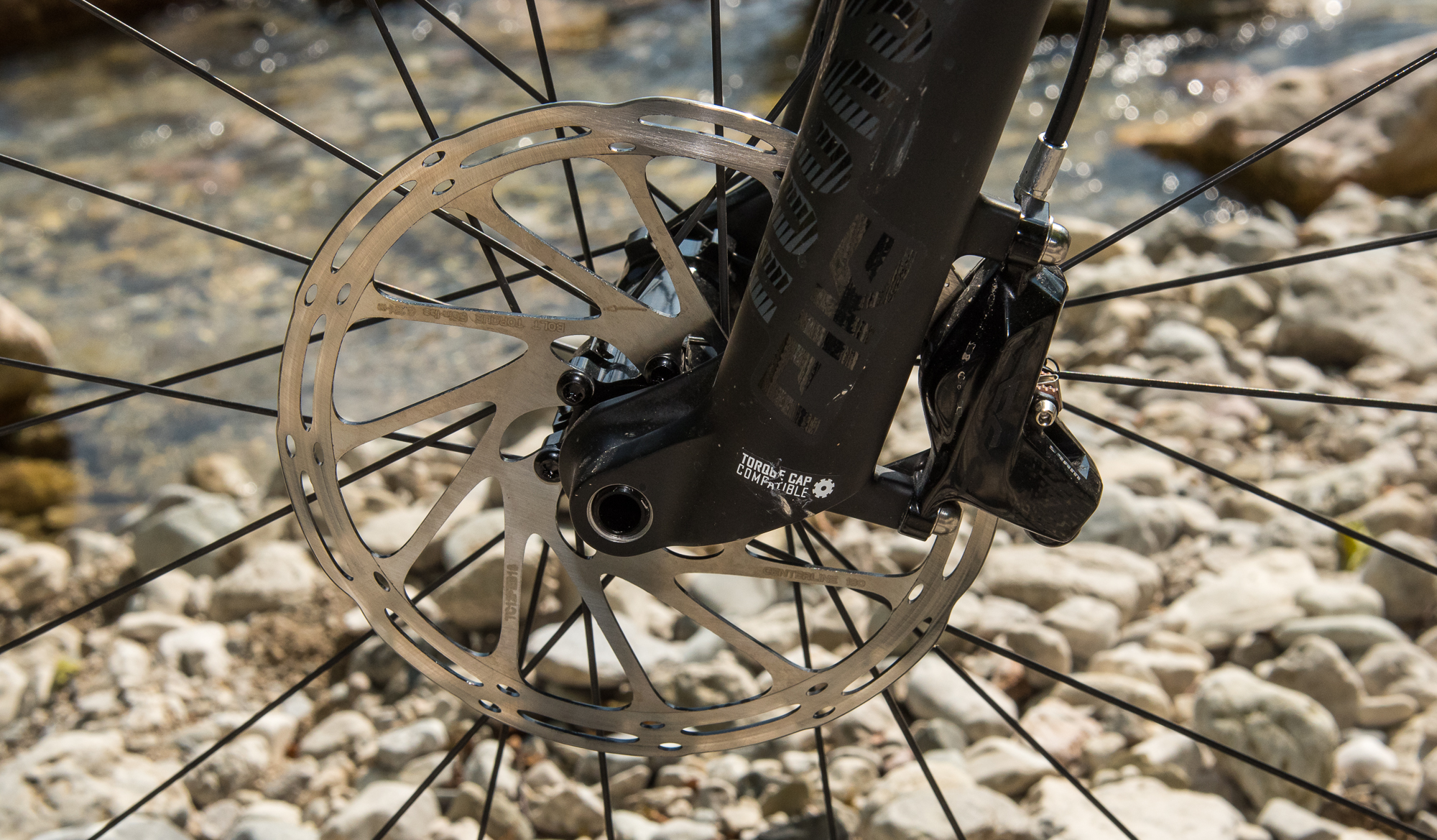
The CF4 carbon frame is beautifully finished and meets current standards such as internally routed cables and lines or pre-shaped frame protectors on the chainstay or down tube. What is not yet seen so often - especially not on trail bikes - is the flatmount brake mount on the rear triangle. This mounting standard comes from the road bike sector and is increasingly being used on hardtails and more and more on fullies. One detail we like is the clamping notch on the seat tube. This is located on the side of the seat tube and is therefore not directly exposed to dirt and spray water that could penetrate the frame.
For the suspension system, Merida relies on a floating shock mount, a Float-Link system as we know it from Trek. There it has proven itself on short-stroke bikes. One of the advantages of this is that the pressure does not overstress the shock and its valves and seals.
Overall, Merida states a frame weight of just over 2,400 grams, including the shock, all the seatposts, cable clamps and thru-axle. This is not a record-breaking figure, but still a very good one.
Strong uphill traction
The first seat test is positive: you feel centrally "embedded" in the OneTwenty and not just sat on it. However, the position is also suitable for longer climbs - ideal for alpine tours. But this Twentyniner also climbs well in technical terrain. On the one hand, its maneuverability, but traction is also good, even on steep ramps, without the front wheel lifting off the ground.
The bike accelerates well thanks to its stiff wheels and frame. During explosive acceleration, the rear end only moves slightly. Interestingly, the shock bobs a little more in normal pedaling. Thanks to the pedal mode, however, this is also prevented.
It's not as negative as the "bobbing" sounds. When seated, the suspension does not react to drive influences. On the other hand, it also works off bumps when riding uphill and contributes to good traction off-road.
Balanced downhill
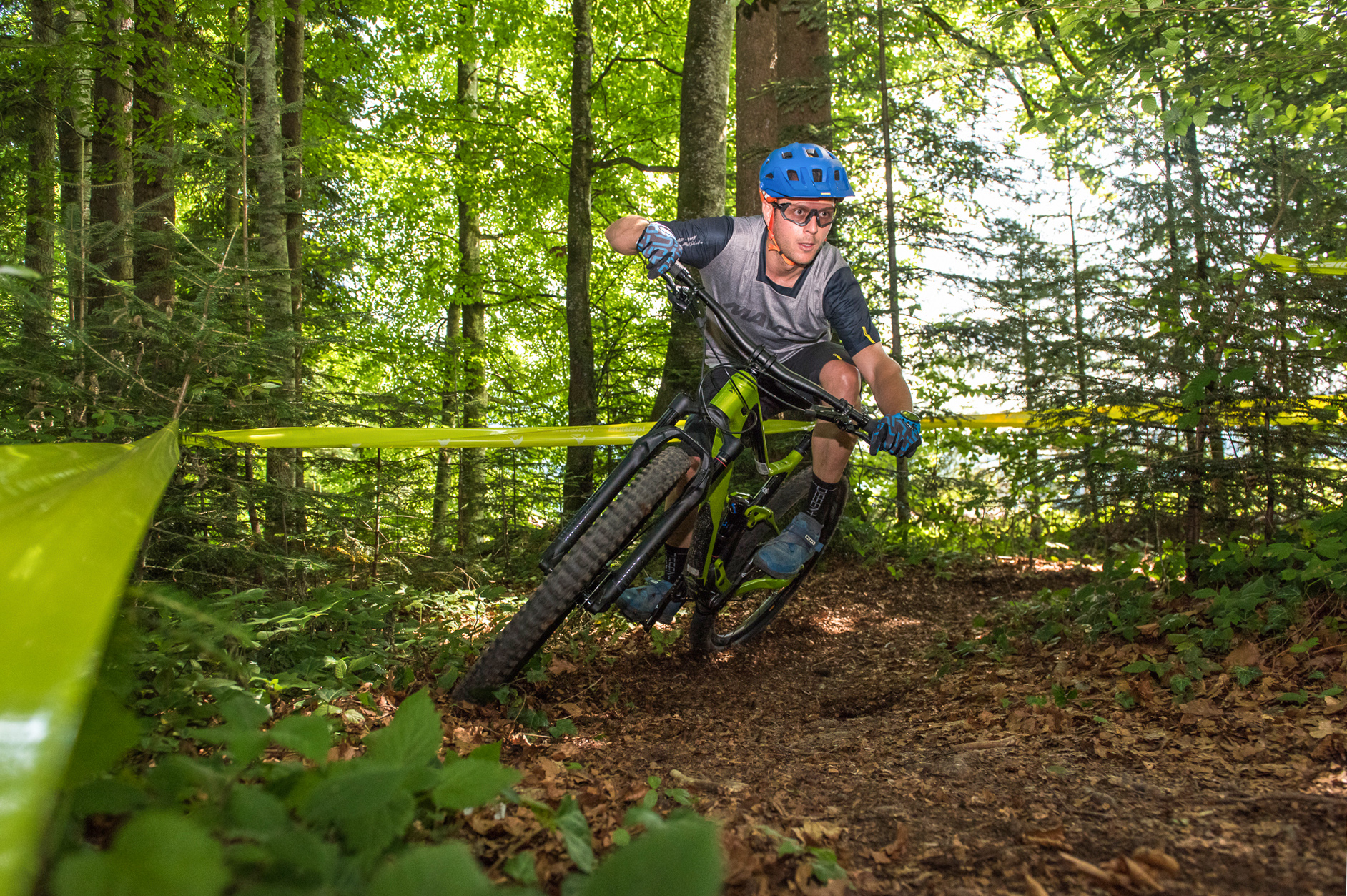
"Ideal for alpine tours" also includes long descents with a wide range of demands. The OneTwenty can be maneuvered with good control in tight bends such as hairpin bends as well as in rough terrain, but is in the front midfield among trail bikes. Fast direction changes, on the other hand, are exceptionally easy. This is where the good mix of the central riding position, agility and smoothness comes together. The bike is a lot of fun, whether you're riding actively or passively. This is most likely on varied forest trails that are not too rough.
The smooth ride is also good, allowing a quiet ride even at higher speeds and, above all, giving a good feeling. The response is very good for a 120-millimeter chassis. It reacts sensitively to fine and fast bumps and then offers early progression. This allows an active riding style without severely restricting the ability to absorb rough impacts.
Conclusion
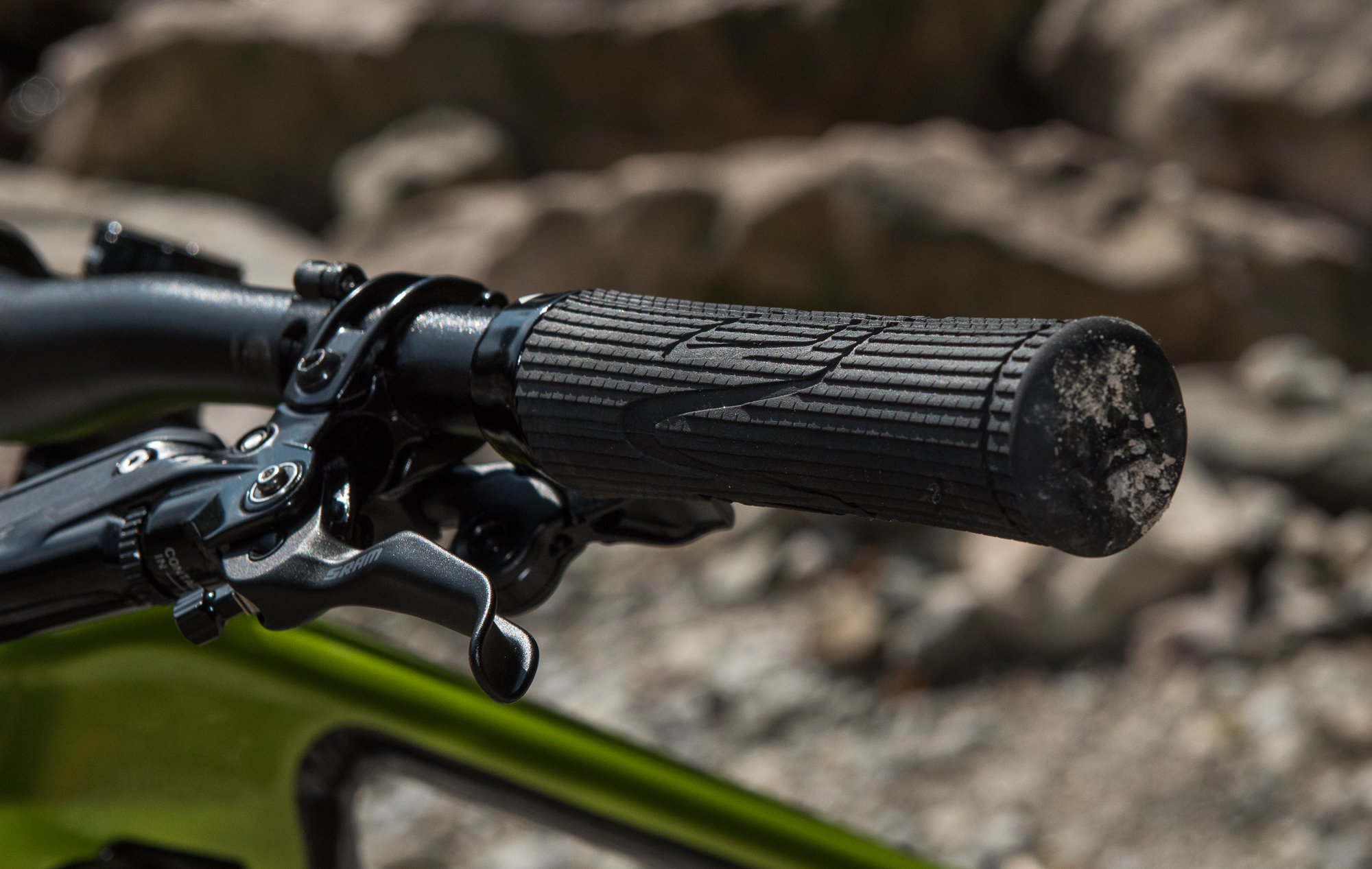
With the new OneTwenty, Merida has built a very well-balanced trail bike. With the equipment consisting of a Sram X01 Eagle groupset, FSA carbon wheels with grippy Minion DHR tires from Maxxis, Sram's Code RSC brakes, in-house, comfortable cockpit and 150 millimetre dropper post from frame size M and high-end suspension elements from Rock Shox, Merida offers a coherent overall package. This is particularly impressive due to its wide range of use, which is already slightly on the all-mountain side. If you live in the midlands and want to do everything from an after-work ride to an alpine tour on one bike, the OneTwenty is the ideal companion.
www.merida-bikes.com
Further content on this article
Note: This content has been automatically translated from German. Please report any incorrect translations.