

Test: Rocky Mountain Pipeline/Instinct Carbon 50 - two bikes in one
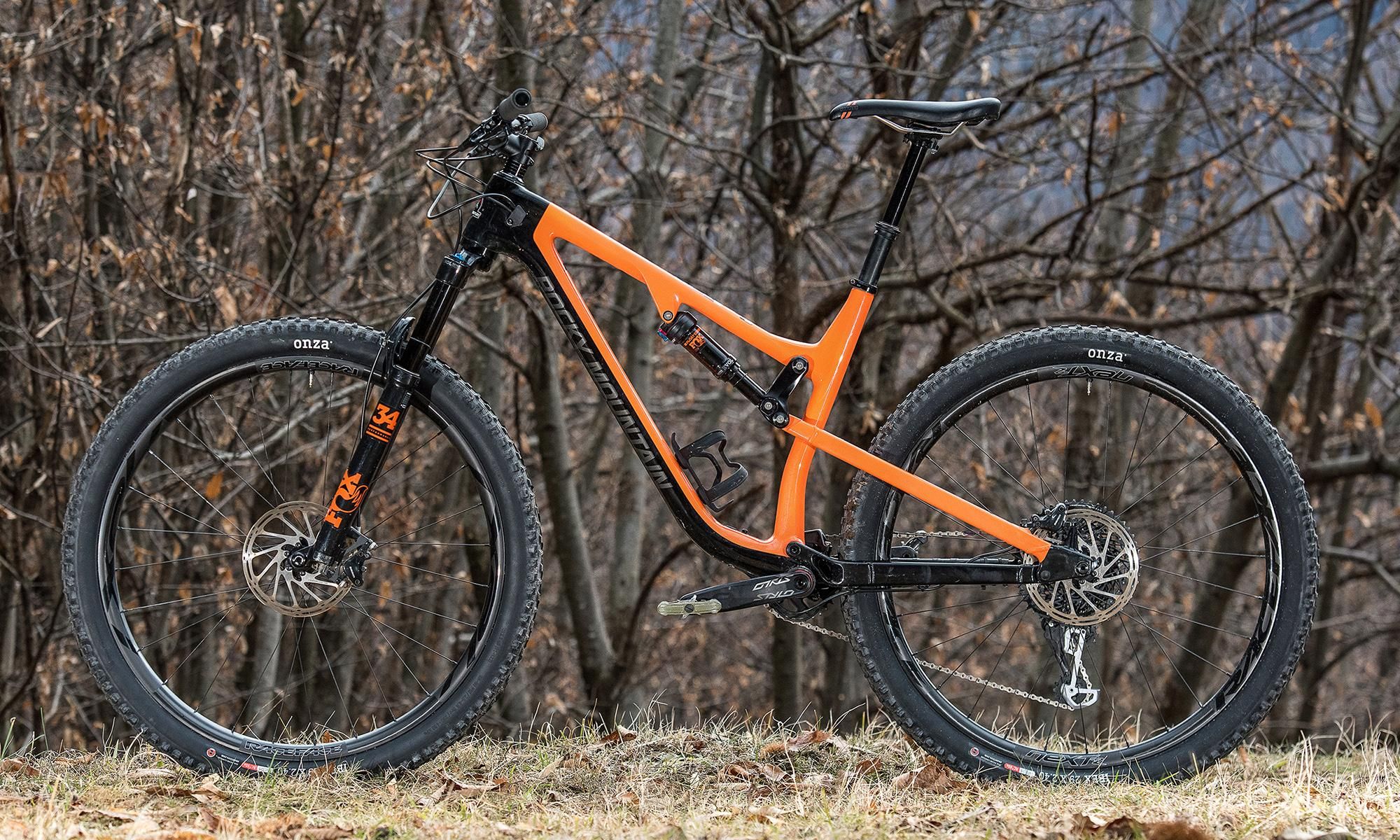
Pipeline/Instinct - what do they have in common?
Let's start with the carbon frame. The design of this differs quite a bit from the previous model and is very slim and tidy. The cables and lines disappear neatly into the frame. In the bottom bracket area, we also discover openings for Shimano's Di2 drivetrain and the (not yet available) Live Valve system from Fox. The chain is kept on track by the "Spirit Guide", a simple but useful chain guide. If you prefer to use a different chain guide, there are two ISCG-05 holes on the frame.
140 millimetres of travel are available at the rear and front. At the front is a Fox "34 Float Performance" fork, at the rear a "Float DPS EVOL Performance" shock from the same brand. Sram's Eagle GX groupset takes care of the shifting. The LevelTL brakes are also from Sram. The Transfer seatpost, on the other hand, is once again from Fox. The stem, handlebars and grips come from Rocky Mountain itself, while the saddle is called "Volt Race" and comes from WTB. The geometry of the Instinct/Pipeline can be adapted to different wheel sizes by using bearing shells of different heights (the correction is approx. one degree), but this conversion is not absolutely necessary.
Pipeline/Instinct - what are the differences?
The Pipeline rolls on chunky "Minion DHR II" tires from Maxxis in 27.5x2.80. The wide Düroc-40 rims come from Sun Ringlé, the Boost hubs from DT Swiss (rear) and Rocky Mountain (front).
The Instinct, on the other hand, stands on elegant Race Face carbon rims (NEXT R), covered with Onza Ibex tires in 29x2.40. The striking hubs also come from Race Face. However, its fat aluminum body is not just for show or a unique selling point, but allows the use of shorter spokes and thus more torsionally stiff wheels.
Of course, we also hung the bike on the scales with both wheelsets. With the 27.5-inch wheels it weighs 14.18 kilograms, with the 29-inch wheels 13.49 kilograms, both with pedals.
On the trail with the 27.5-inch wheels...
First, we launch the Rocky Mountain with the 27.5-inch Plus wheels, i.e. the Pipeline model. We gave the shock absorbers 25 percent negative suspension travel and inflated the tires to a maximum of one bar. With this set-up, we set off to climb the mountains. There's no hectic pace and we enjoy steadily gaining height while pedaling calmly. It is noticeable that the rear suspension is even more drive-neutral than on the previous model. The traction on the rear wheel is impressive, even over wet roots and stones the grip is maintained. The weight of 14.18 is still noticeable in the calves and we're glad to have finally reached the start of the trail. Going downhill, the Pipeline exudes the same calm as on the ascent. The wide rubber rolls over (almost) everything in its path, the rougher it is, the better the Pipeline likes it. Despite tire pressure at the upper limit and wide rims, the tires tip noticeably on hard surfaces in the corners, resulting in a slightly spongy ride feel.
... and with the 29-inch wheels
Back at the starting point, we immediately screw the 29ers onto the bike, which from now on goes by the name of Instinct. Air pressure at 1.7 bar, negative suspension travel at a good 30 percent and off we go. Within minutes, the Rocky Mountain has transformed from a good-natured cruiser into a racer. Around 700 grams less, the larger wheelset, a closed shock and fork immediately encourage a somewhat brisker pace up the mountain. The Onza Ibex tires (29x2.40) also grip the ground well, but compared to the plus-size tires, the rider is much more challenged as soon as the terrain gets wet and greasy. Downhill, the lighter wheels come into their own in fast and less rough sections, where the ride is much more dynamic than before. As expected, we had to hold the handlebars a lot tighter over roots and rough rock gardens and try much harder to choose a good line than before with the thick Maxxis tires on the wide Düroc rims.
Conclusion on the Pipeline/Instinct
We were very impressed by the Rocky's versatility. From bulldozer to racing car in one wheel change, respect! The platform, i.e. frame and attachments, works perfectly as a complete package. The brakes (Sram Level TL) are somewhat undersized for pure enduro riders. When it comes to the wheels, you are spoiled for choice: if you like it a bit sporty, you are better off with the Twentyniners. If, on the other hand, you prefer comfort and extra safety, choose the Plus tires. Those who have both are perfectly served - you don't treat yourself to (almost) anything else, do you?


Note: This content has been automatically translated from German. Please report any incorrect translations.