

Test: Santa Cruz Bronson - from the road to the mountains and then downhill
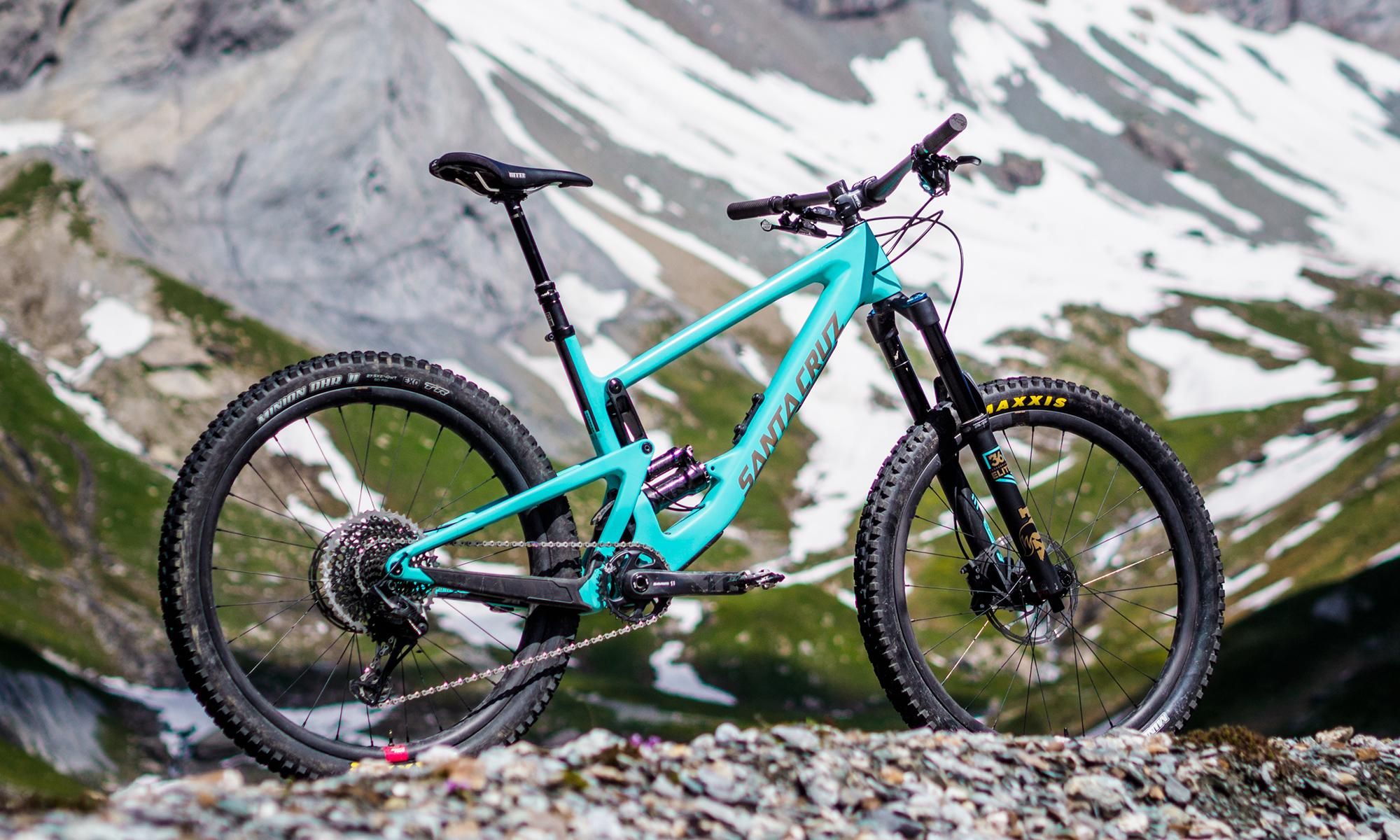
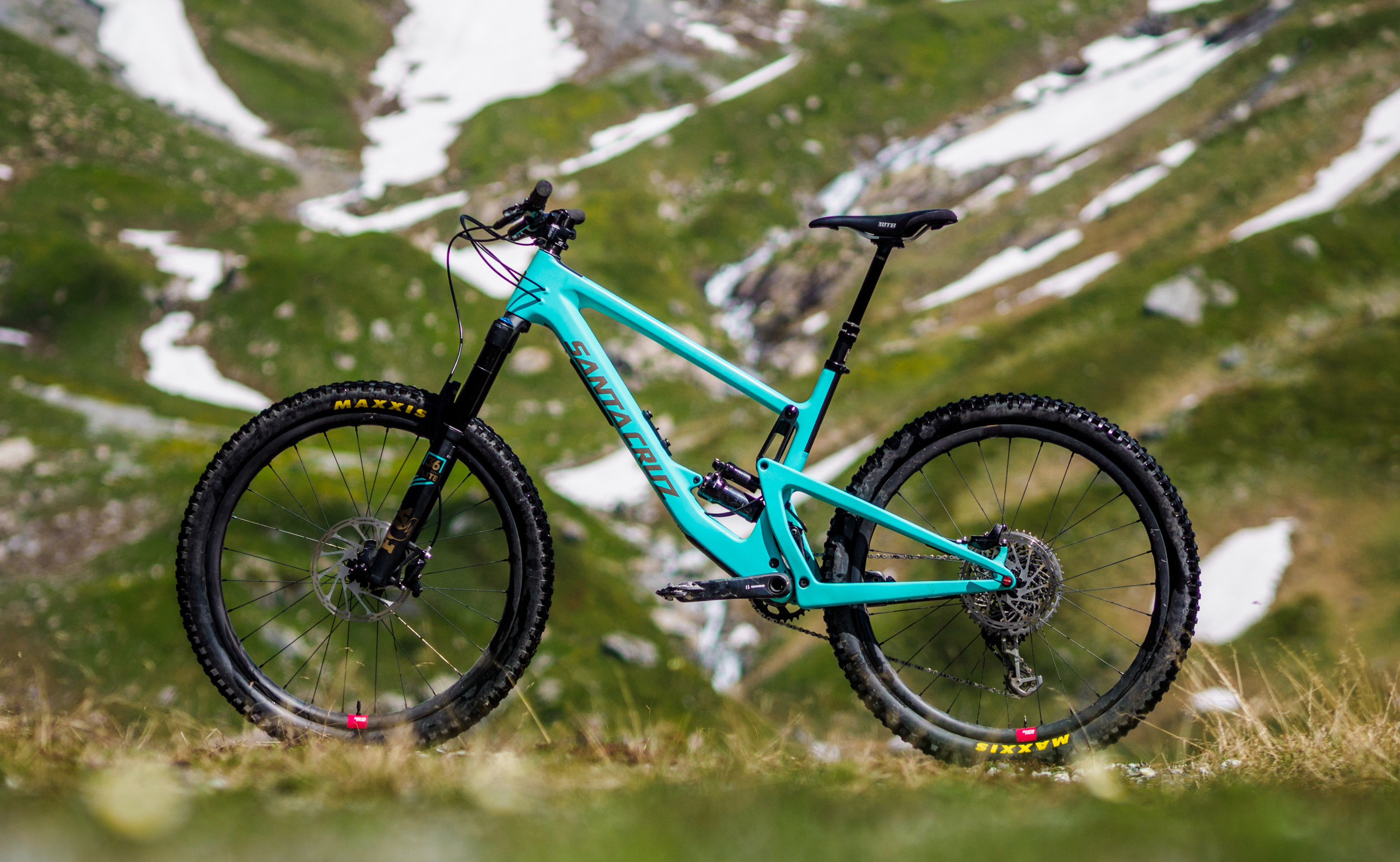
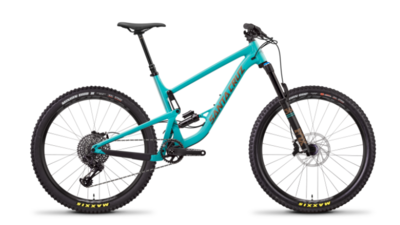
Named after Bronson Street in Santa Cruz, the cult bike brand of the same name presented the Bronson all-mountain model in 2013 - its first with 27.5-inch wheels. The wheel size has remained the same, but the model has changed significantly in the third generation. Visually, the new Bronson resembles its big brother Nomad, but the suspension travel is slightly shorter at 150 millimetres at the rear. We were able to "find out" on the Flims trails whether its performance also comes close to the Nomad.
From the first impression to the first descent
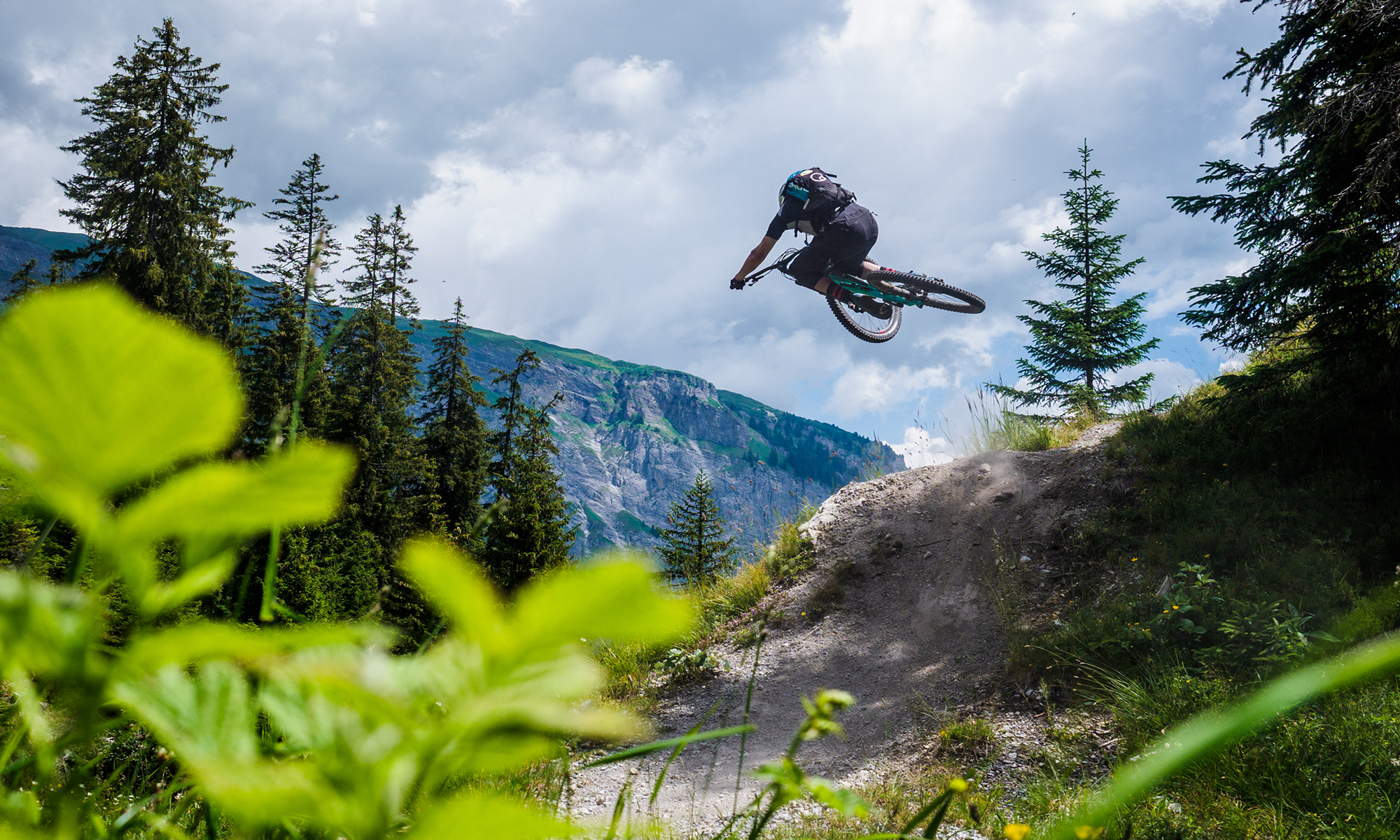
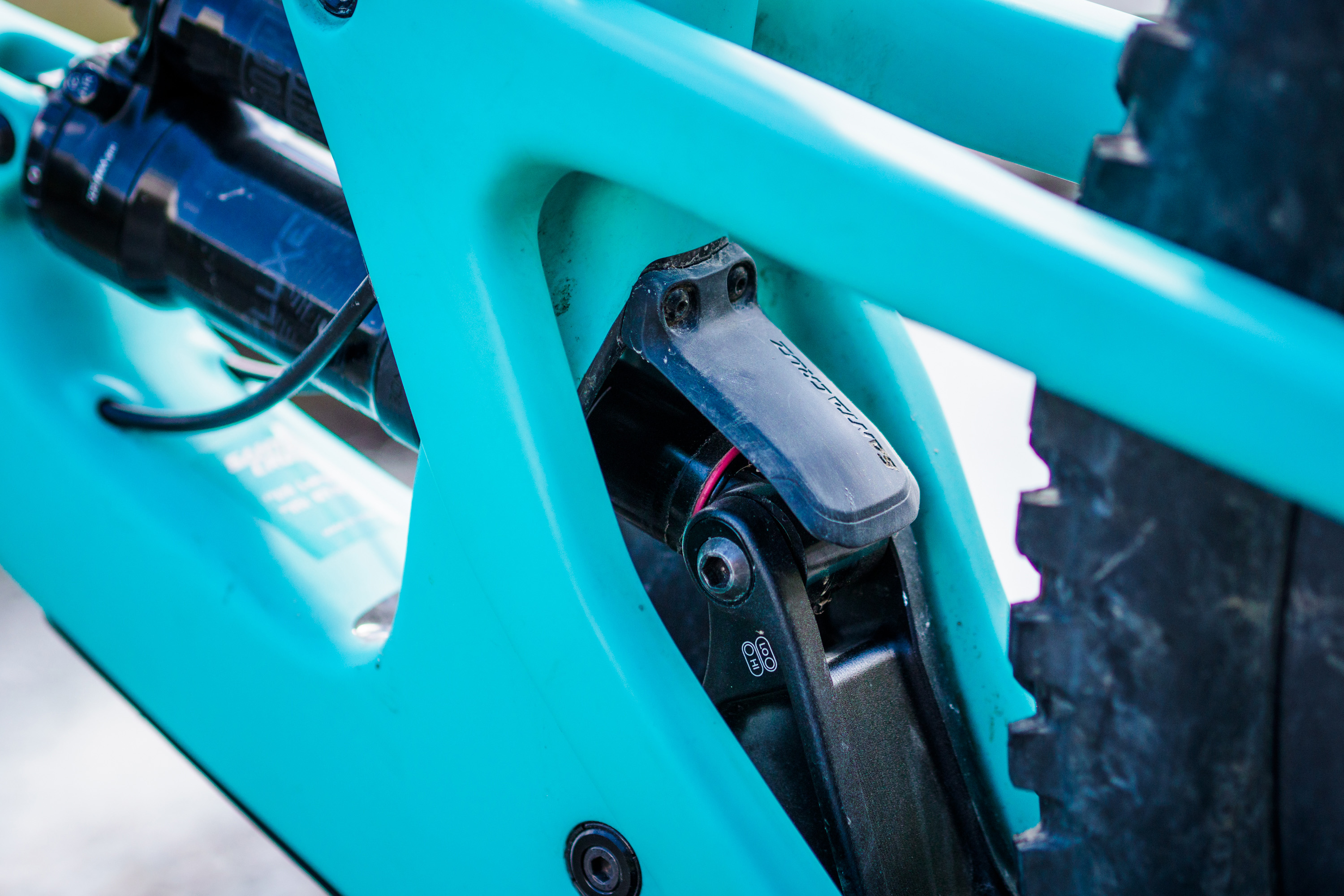
Lift the rear wheel and let it drop. The rear suspension absorbs the slight impact so that the bike hardly bounces back up. It seems as if the suspension of the Bronson has the same genes as the Nomad. This assumption seems to prove true on the first few meters. The rear suspension irons out the braking bumps, but still provides plenty of counter-pressure when riding berms and jumping. But we don't take the first descent on the flow trail as a benchmark and head out higher.
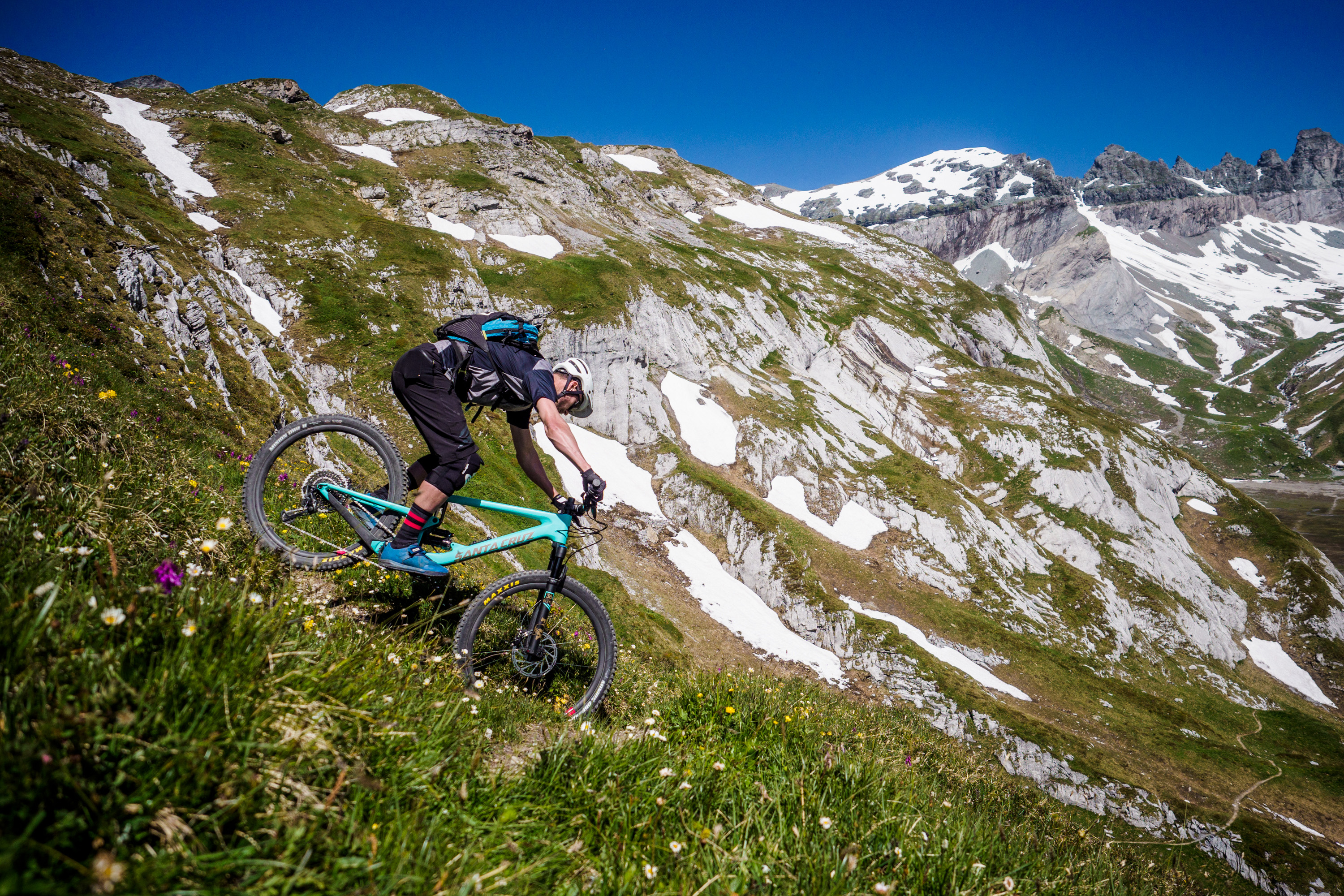
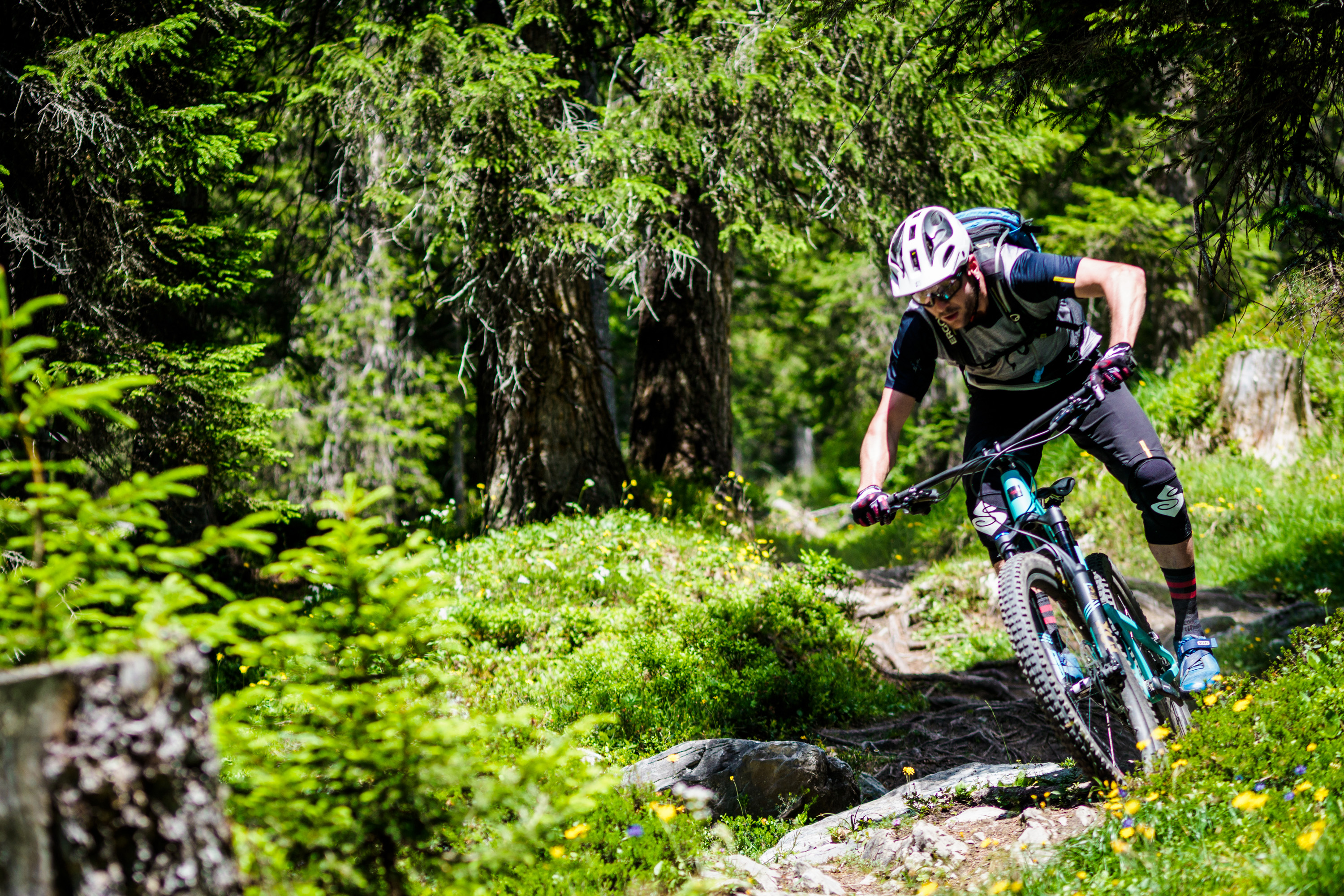
We head for an alpine and technically demanding trail with hairpin bends and off-camber sections, the suspension elements don't have to do any heavy work here for the time being. However, riding is out of the question on the tight hairpin bends - you can't do it without shifting. This is where the Bronson excels with its good handling, although it is rather long with its top tube length of 611 millimetres and its wheelbase of 1215 millimetres.
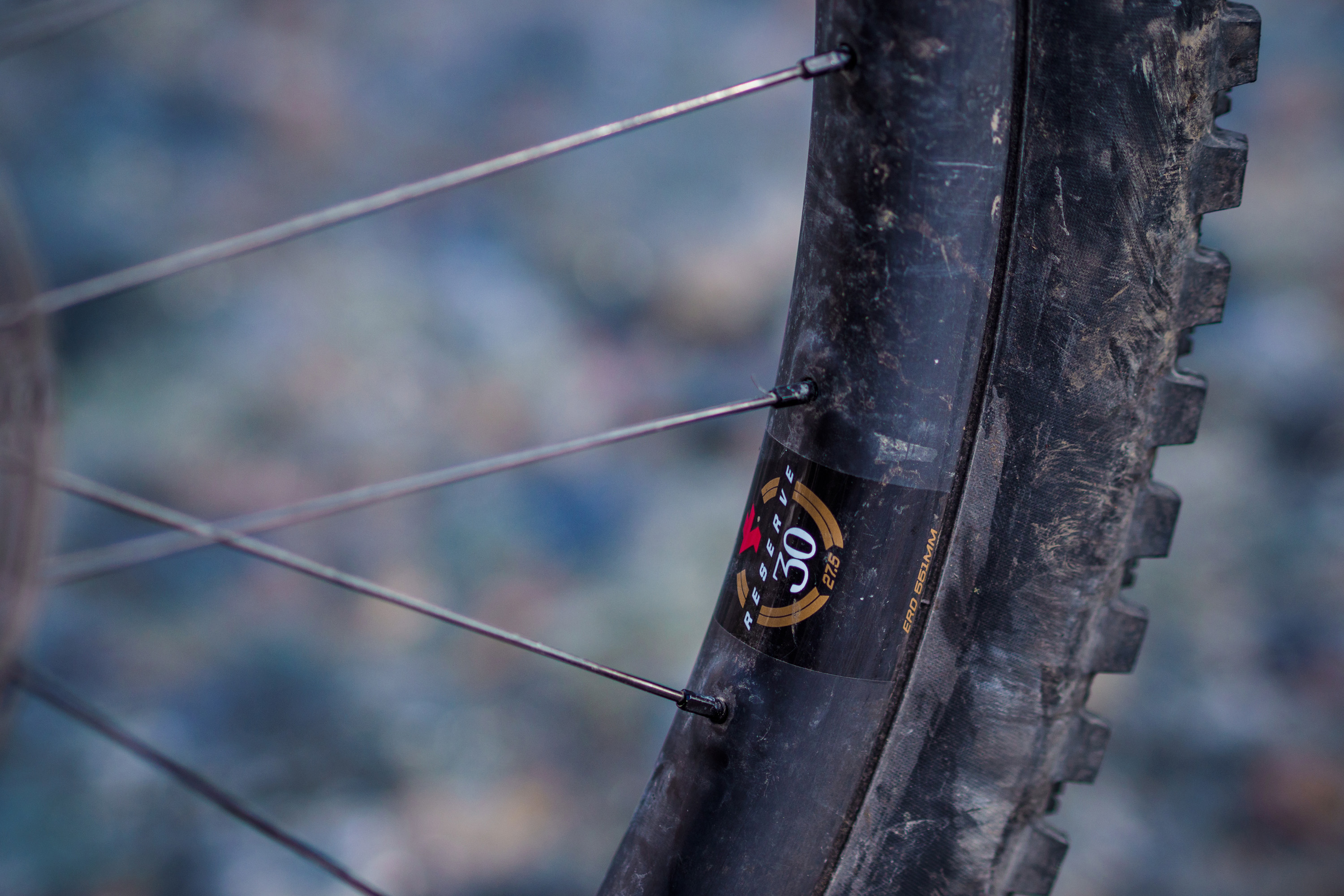
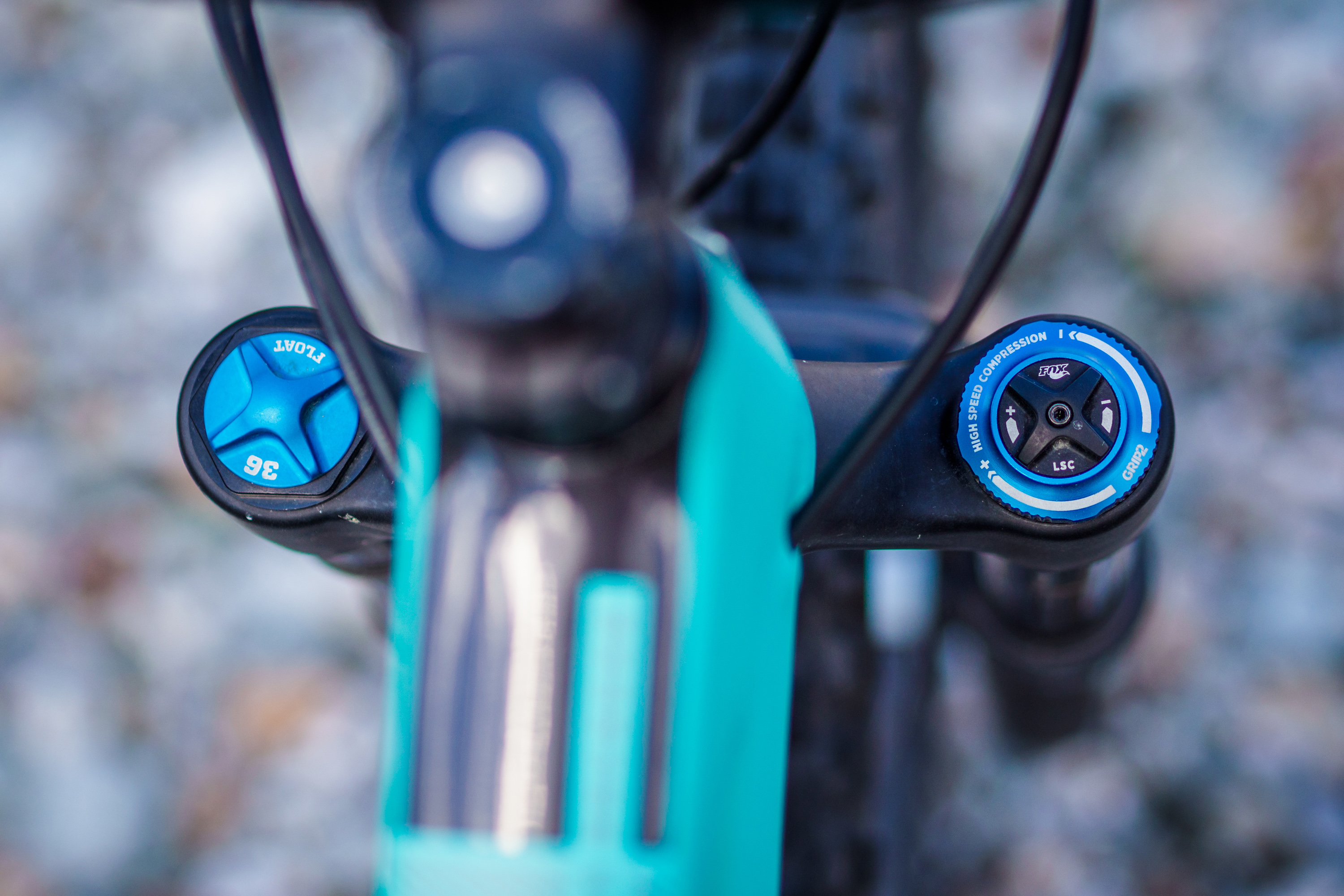
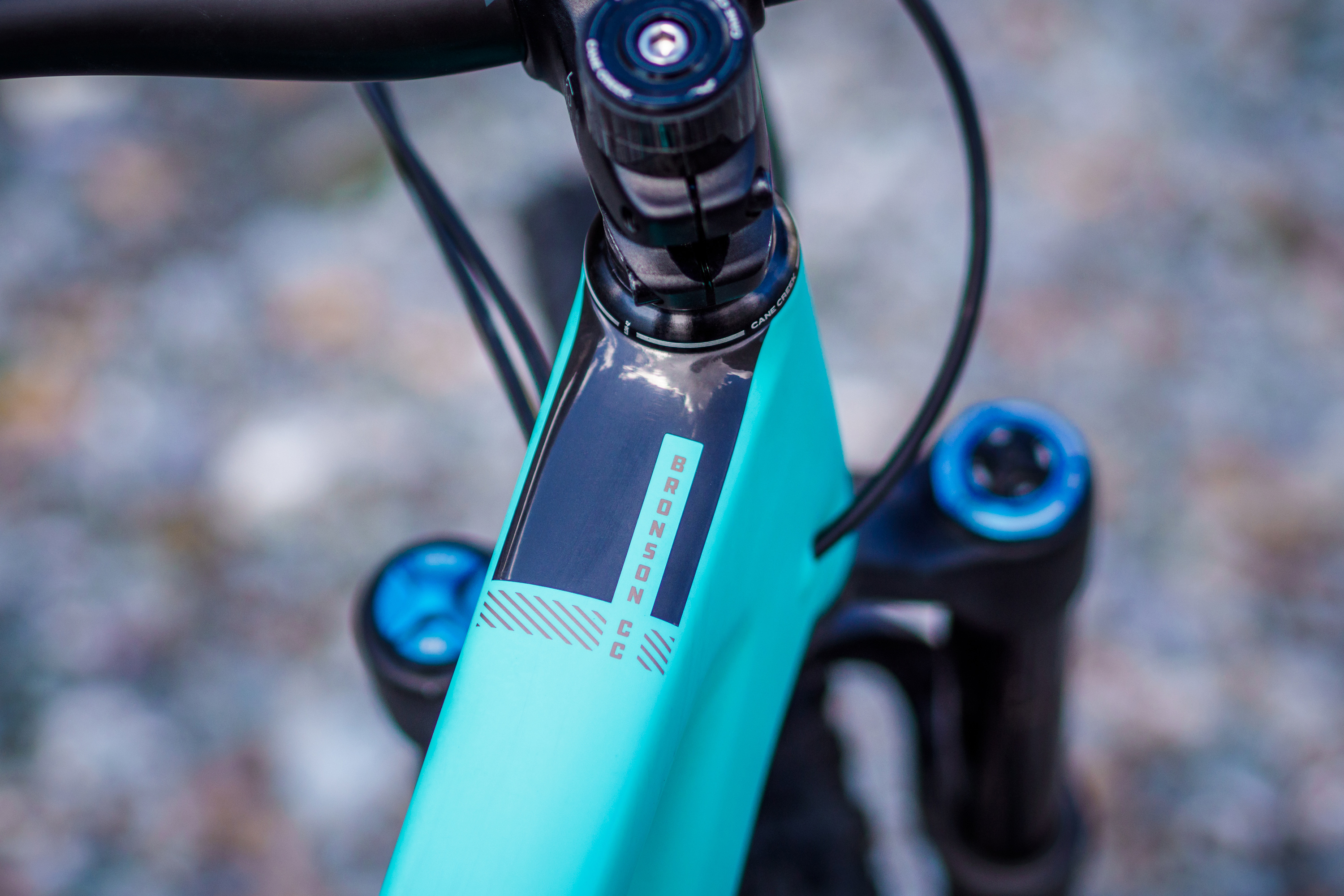
The main frame proves to be very stiff, especially in the area of the headset, which allows the bike to be steered precisely. But the stiff wheels and the massive Float 36 fork from Fox also contribute to this.
Exceptionally smooth running
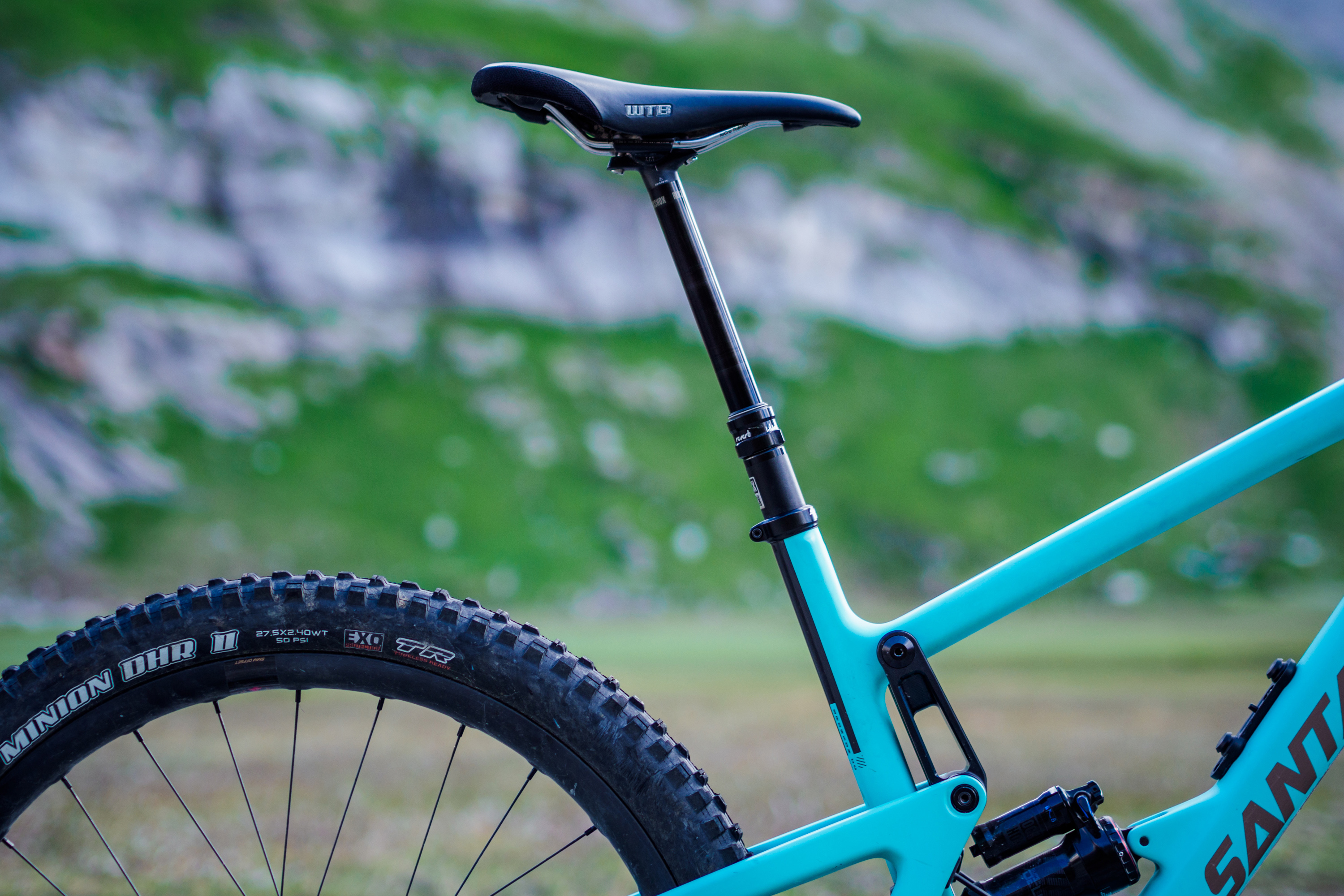
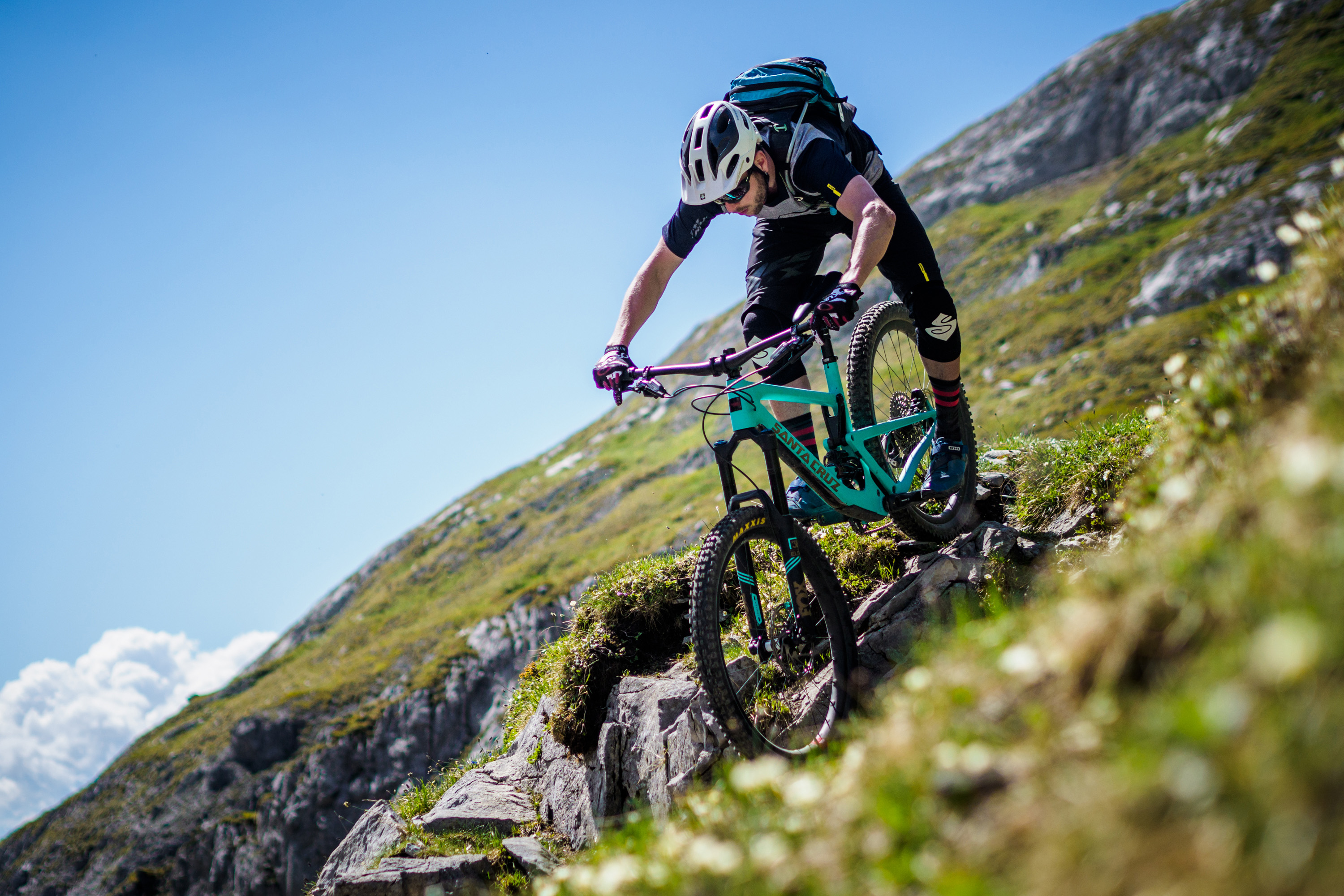
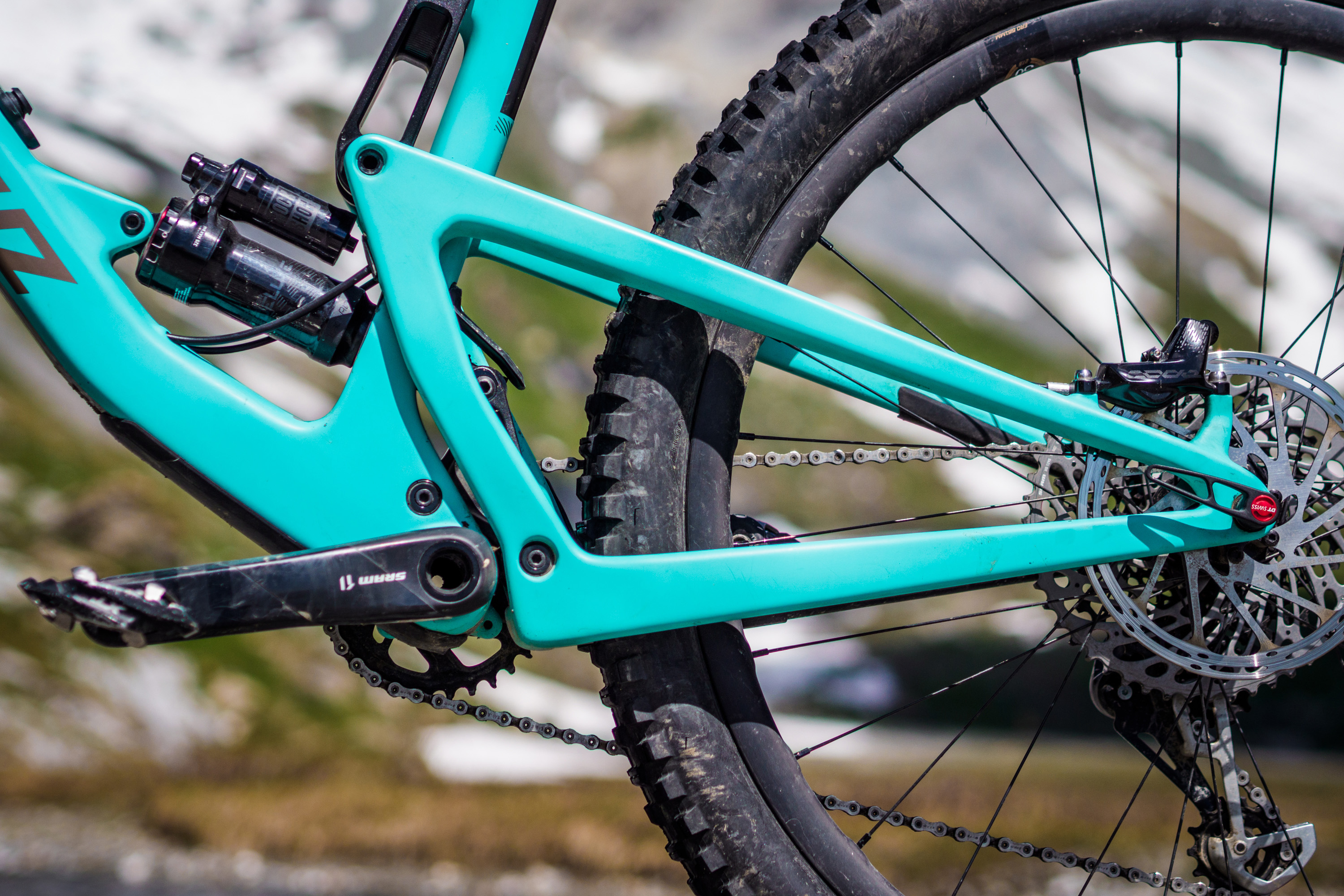
With its 150 millimeters, the rear triangle certainly offers enough reserves for an all-mountain bike. But these are also needed when things get faster and rougher. This is because the Bronson reveals a very high degree of smoothness, so that you can let it run smoothly in almost any terrain. At the front, the Bronson has 160 millimetres of travel.
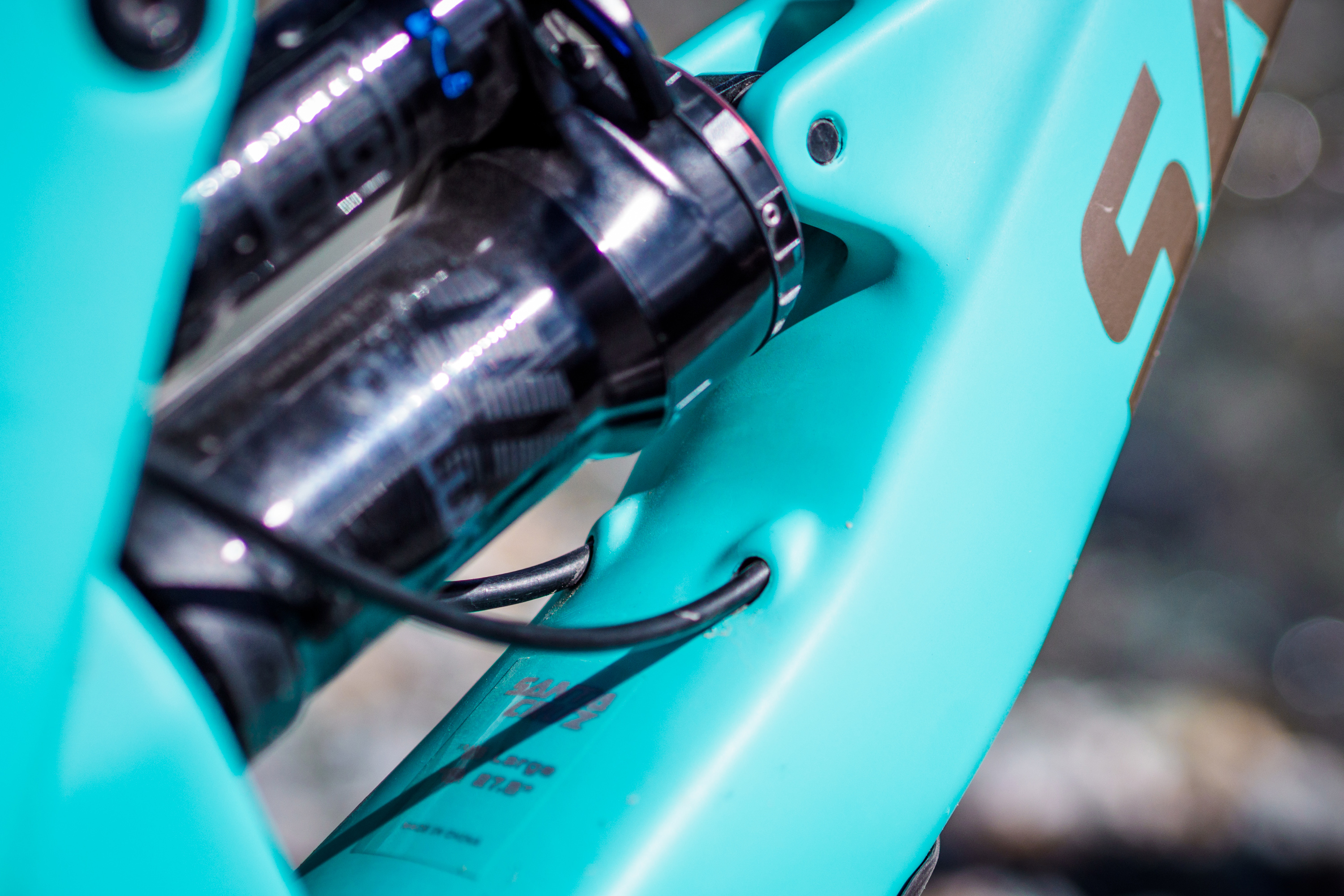
The fork and rear suspension are also a perfect match. They both work very sensitively, digest big hits almost without any problems and offer plenty of progression to actively ride over obstacles without restricting the use of the suspension travel.
Uphill not only with the mountain railway
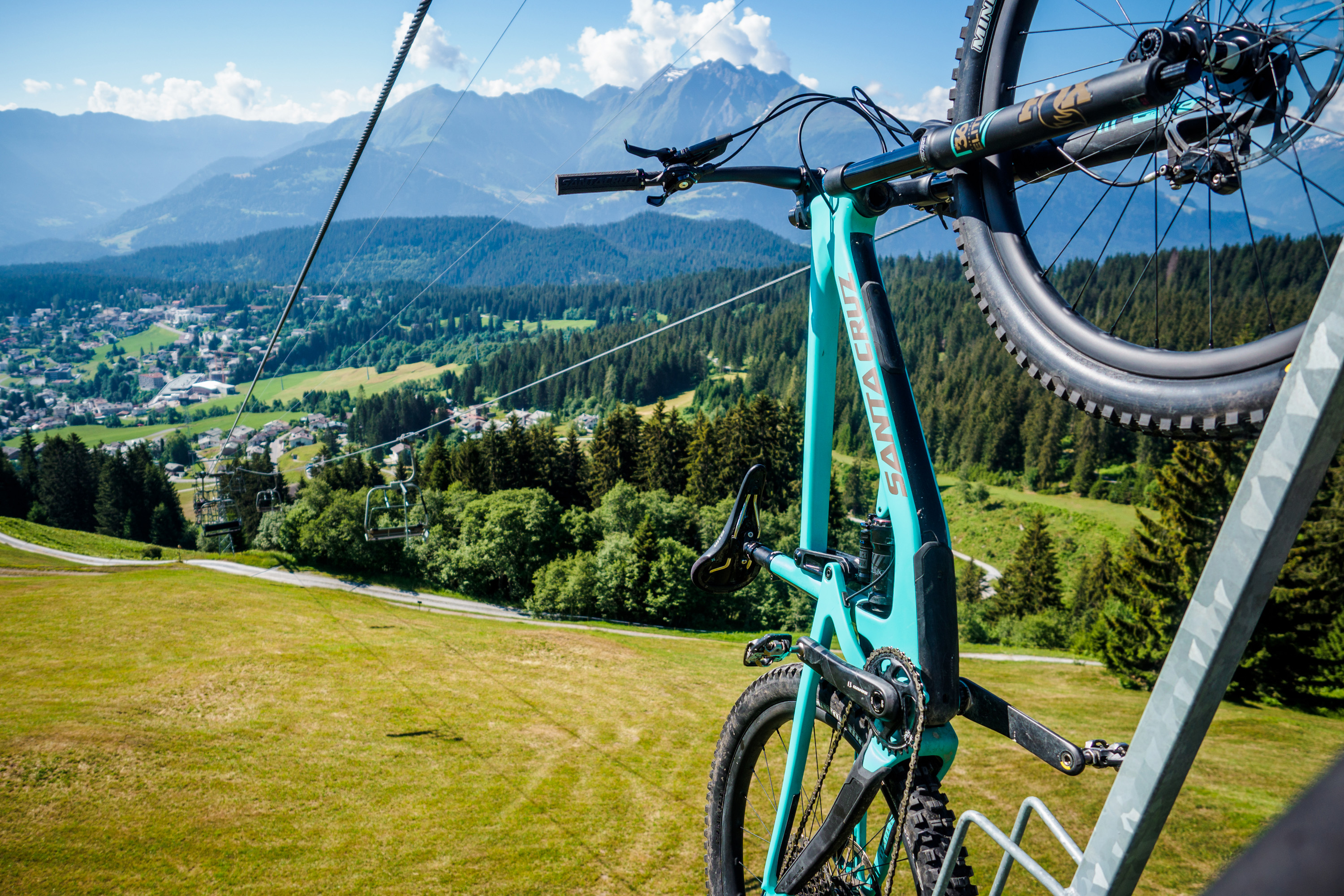
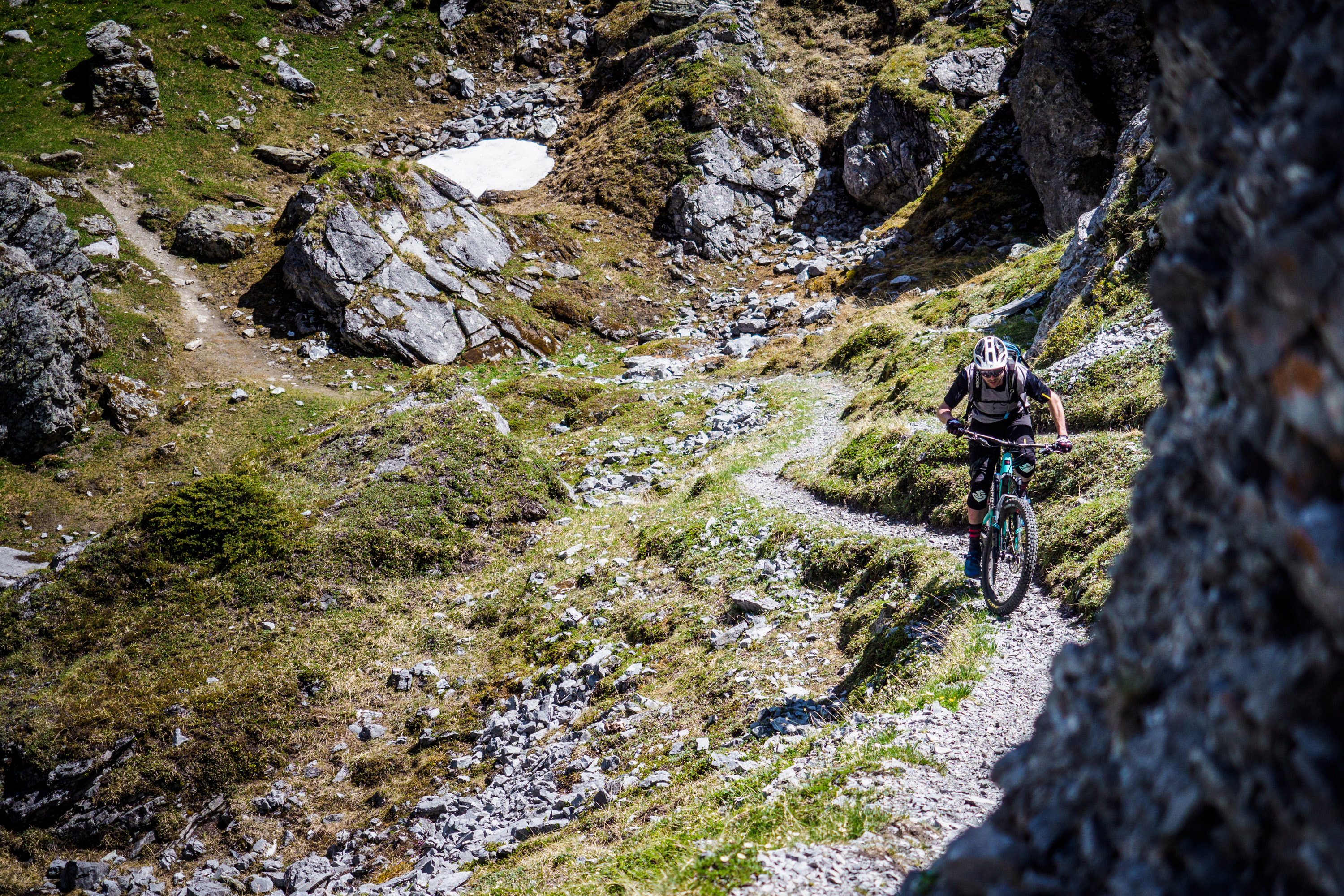
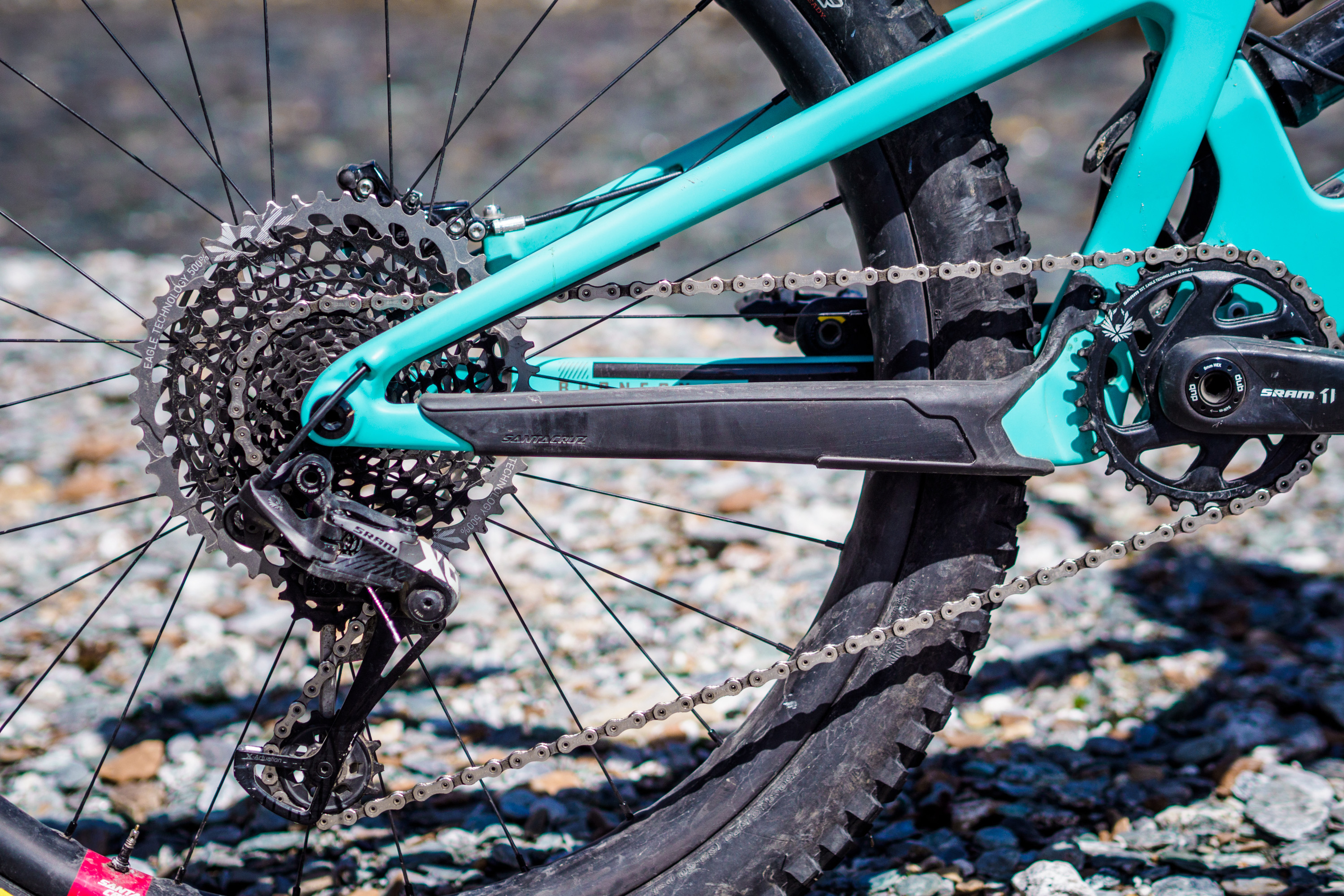
In Flims, the cable car is often a great way to get up the mountain, but certain trails can only be reached by pedaling. There are several small climbs, some of which are quite loose, that challenge us. This is where the Bronson makes a surprisingly good trap, as it felt quite downhill-oriented when we first sat on it. The power transmission and traction are very good and the front wheel stays on the ground for a long time, even on steeper sections. This means that even technically demanding climbs can be mastered well.
Furthermore, its riding position and geometry are very comfortable, which is a plus, especially on longer climbs. At around 14 kilograms, however, it is not one of the lightest bikes in its class - but if you want to, you'll get used to it.
Conclusion
For an all-mountain bike with 27.5-inch wheels, the Bronson isn't exactly light. However, its limits are wide, especially downhill, and there should be no lack of stability. It's probably the ideal bike for touring riders who are looking for a really good bike uphill and a top bike downhill.

Further content on this article
Note: This content has been automatically translated from German. Please report any incorrect translations.