

Test: Specialized Epic Pro - tamed in appearance, sharpened in character
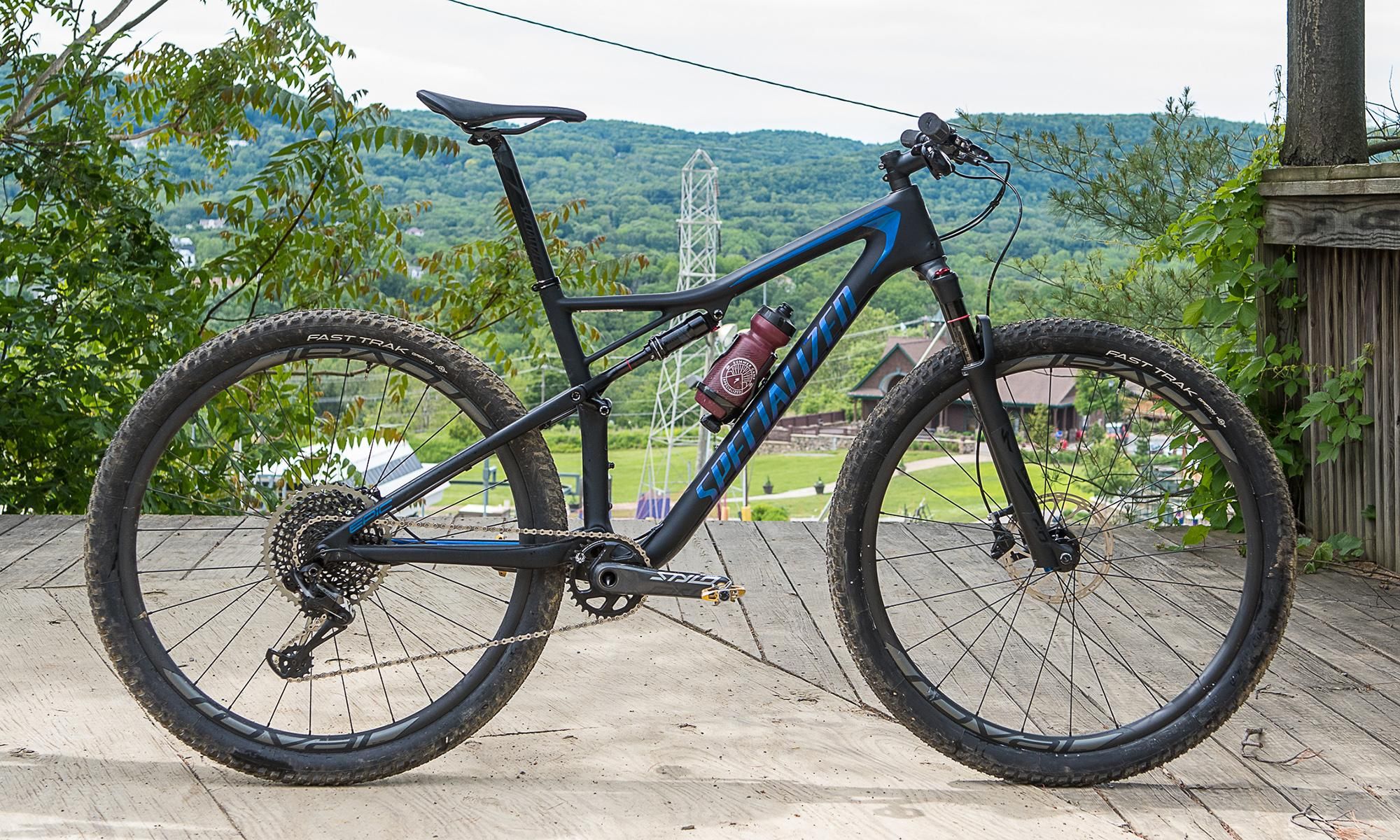
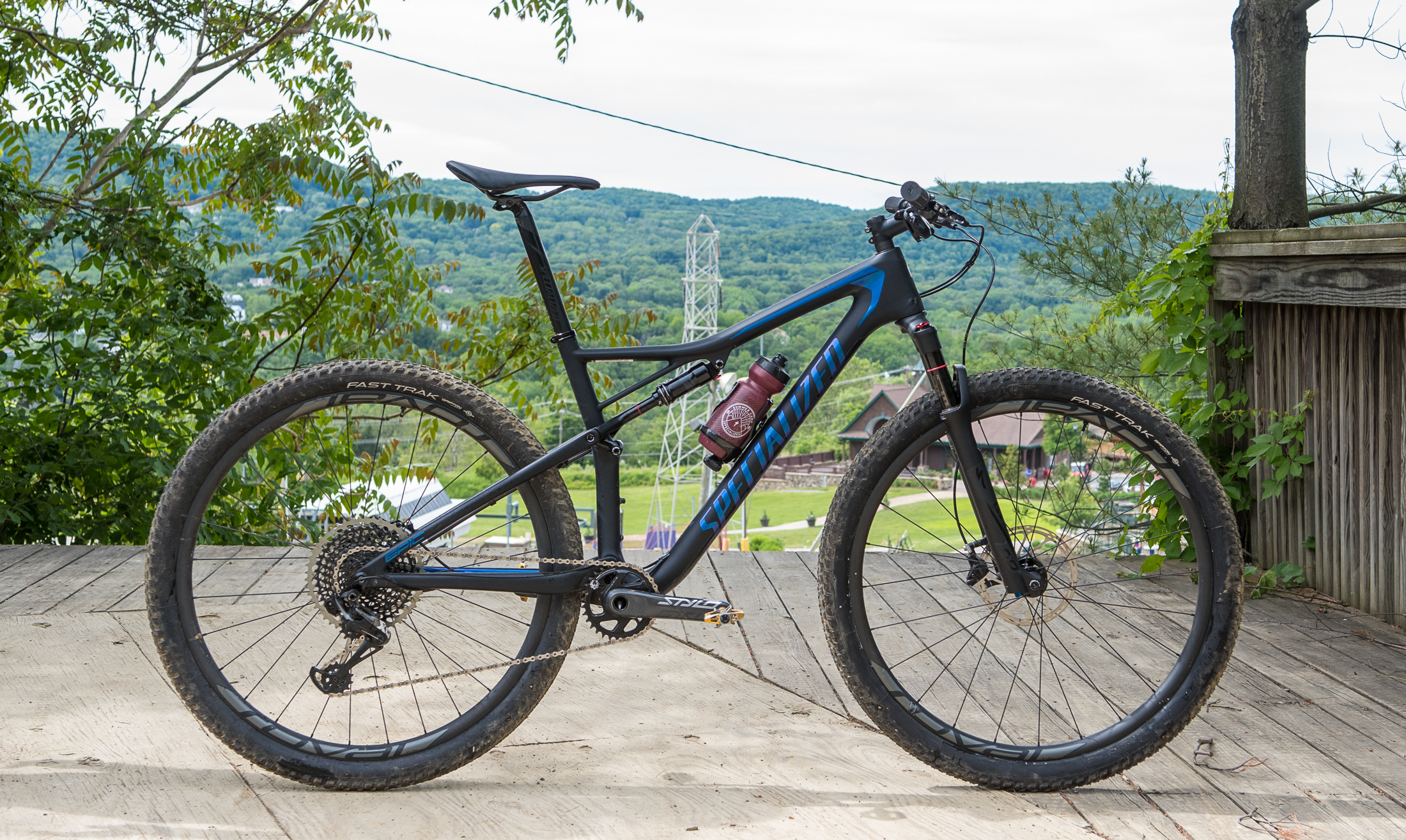
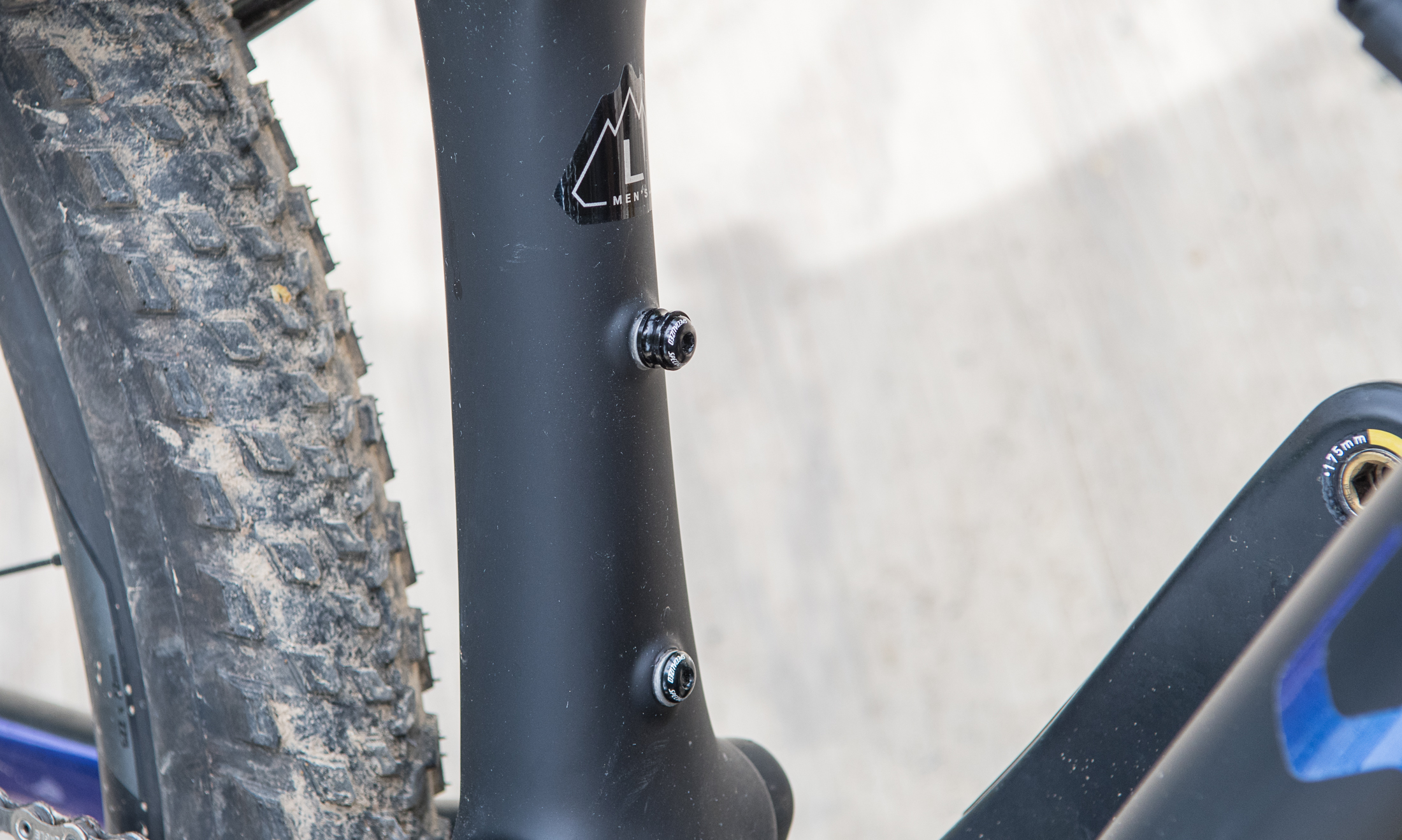
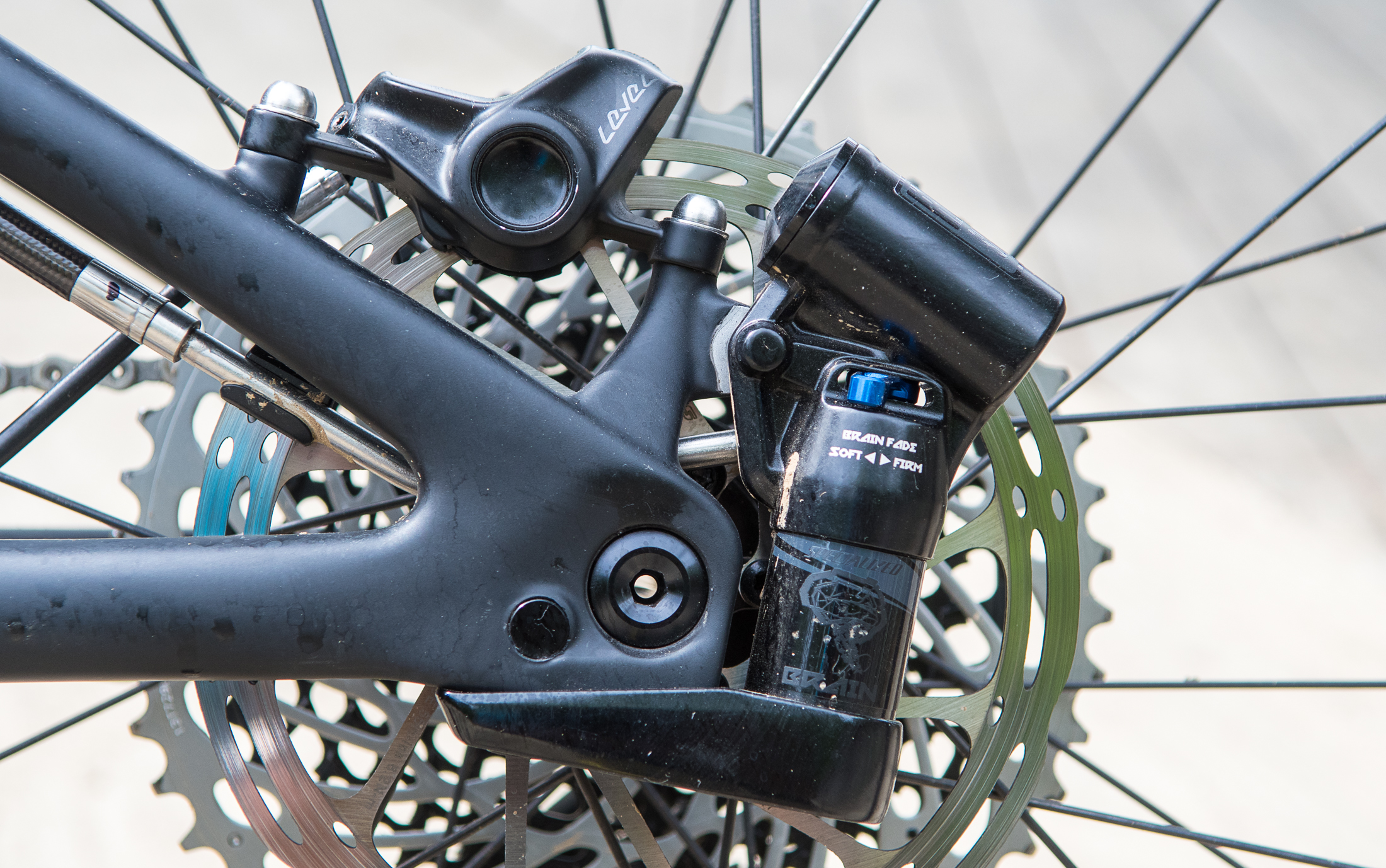
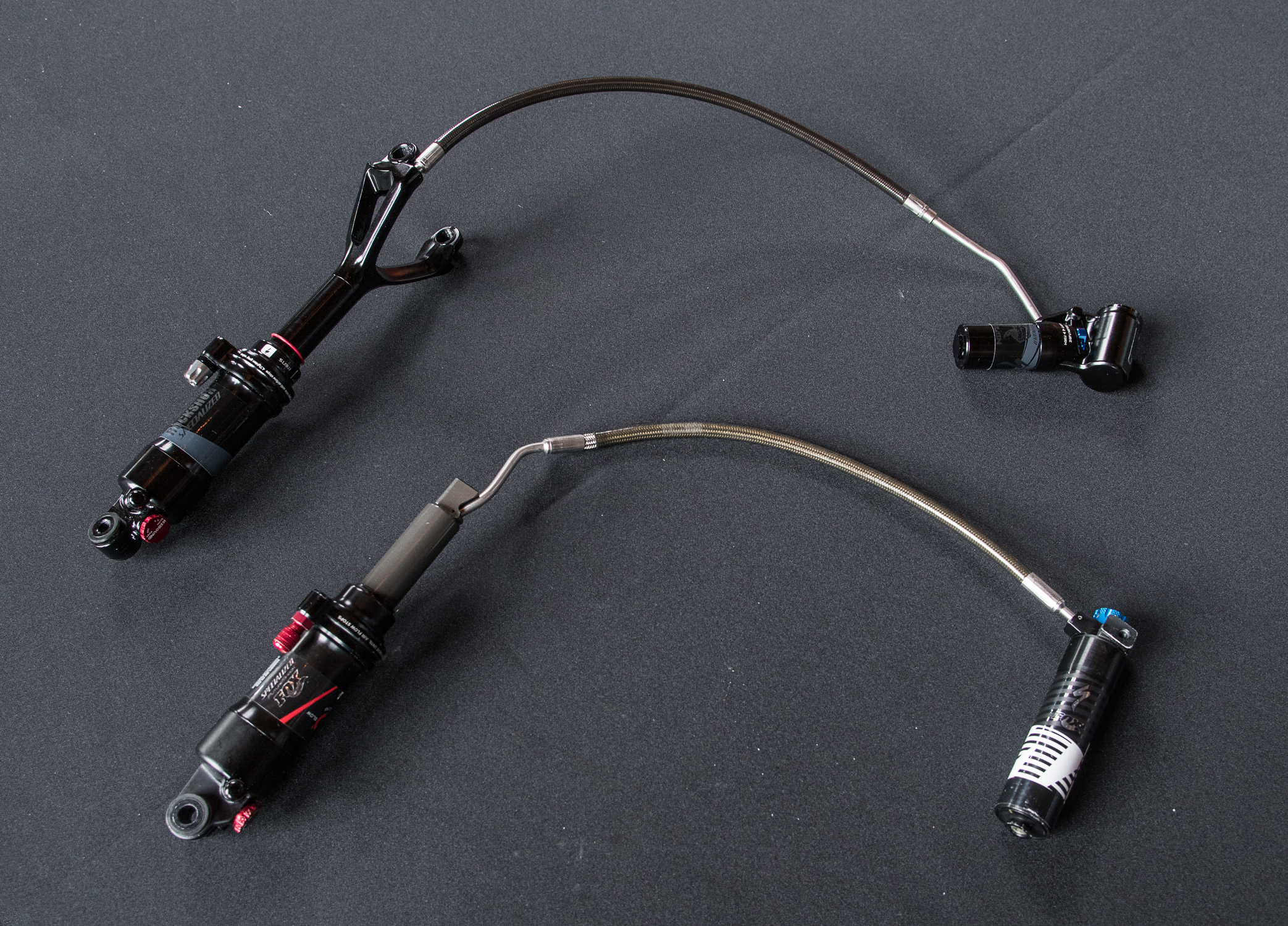
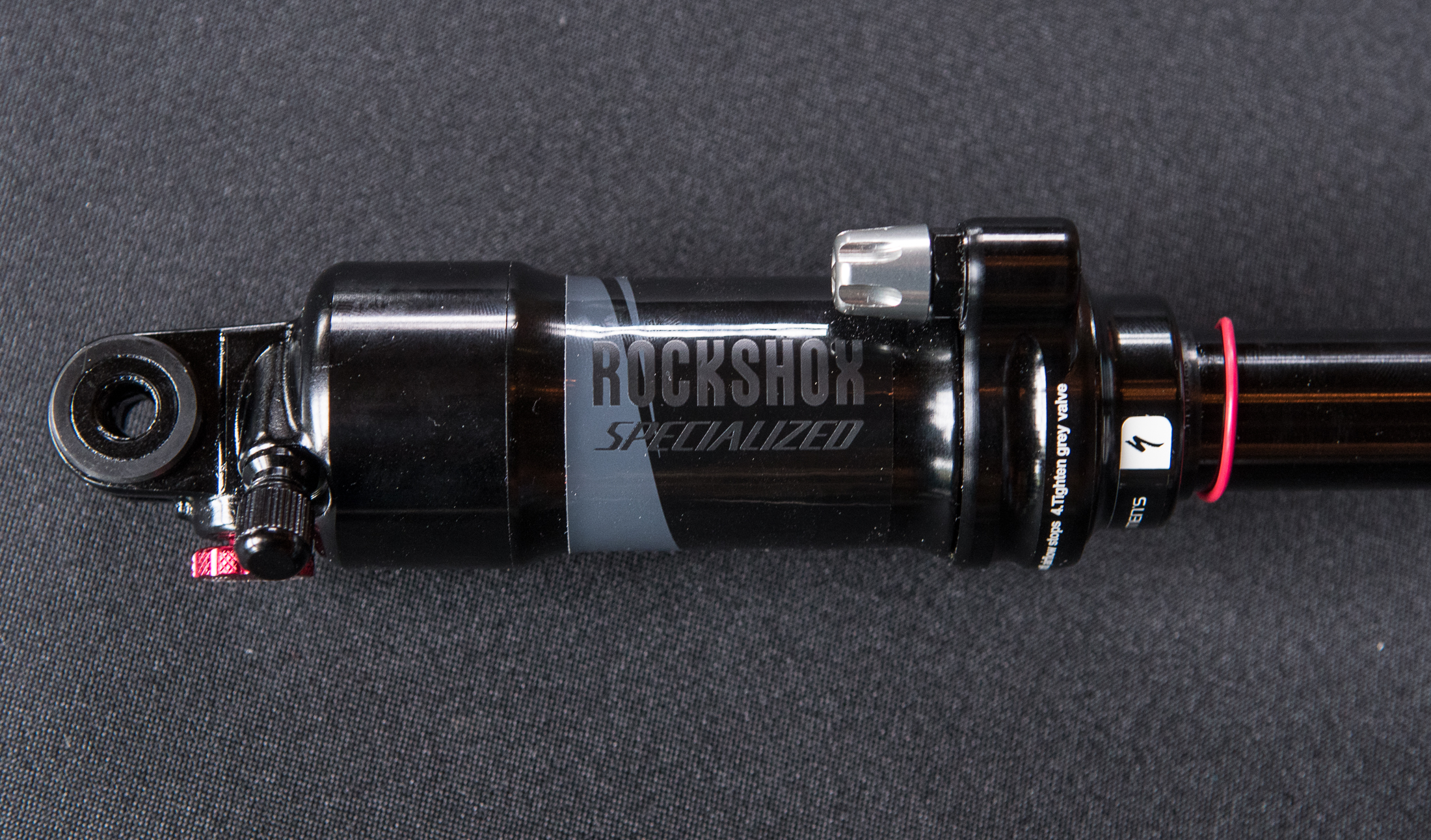
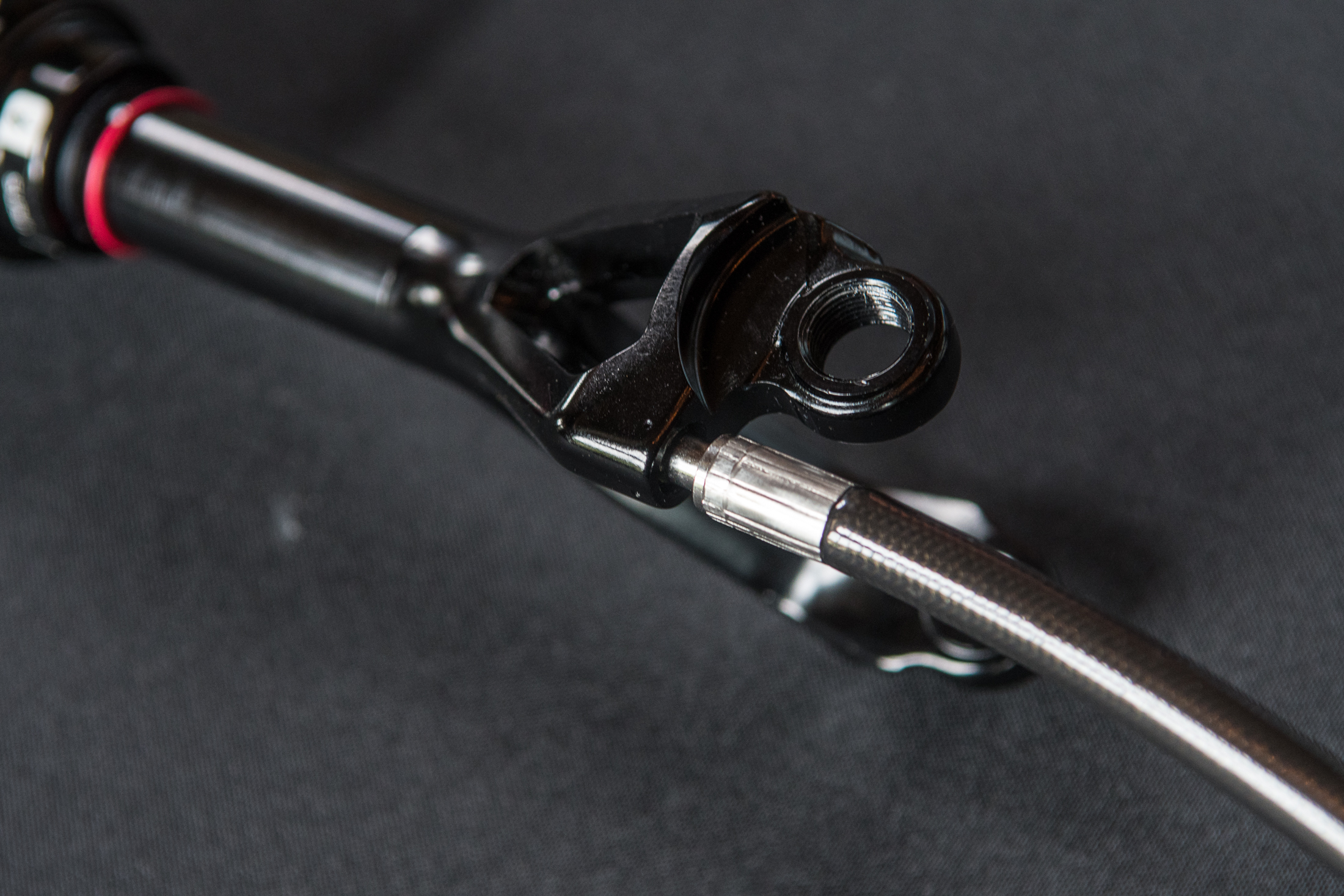
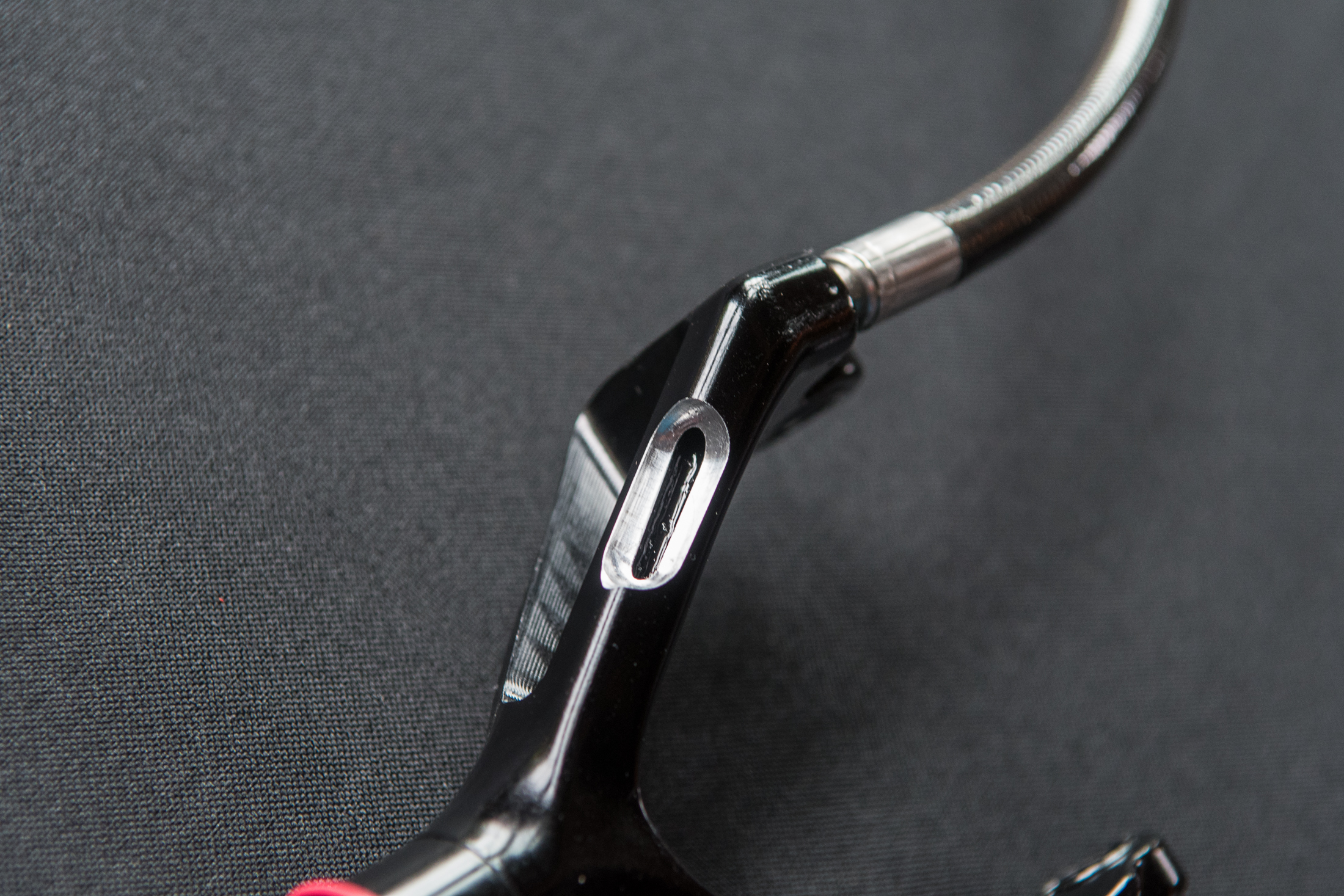
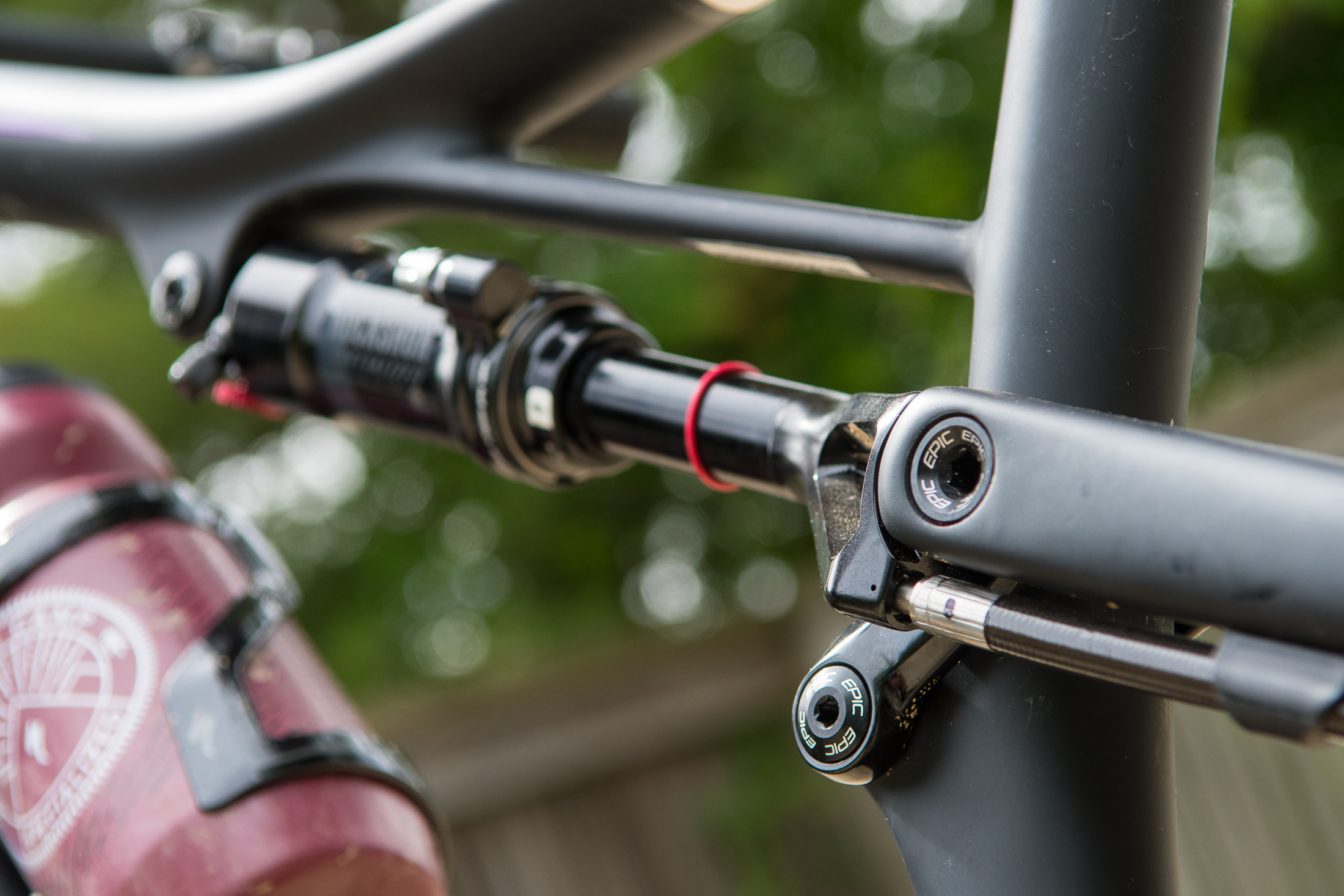
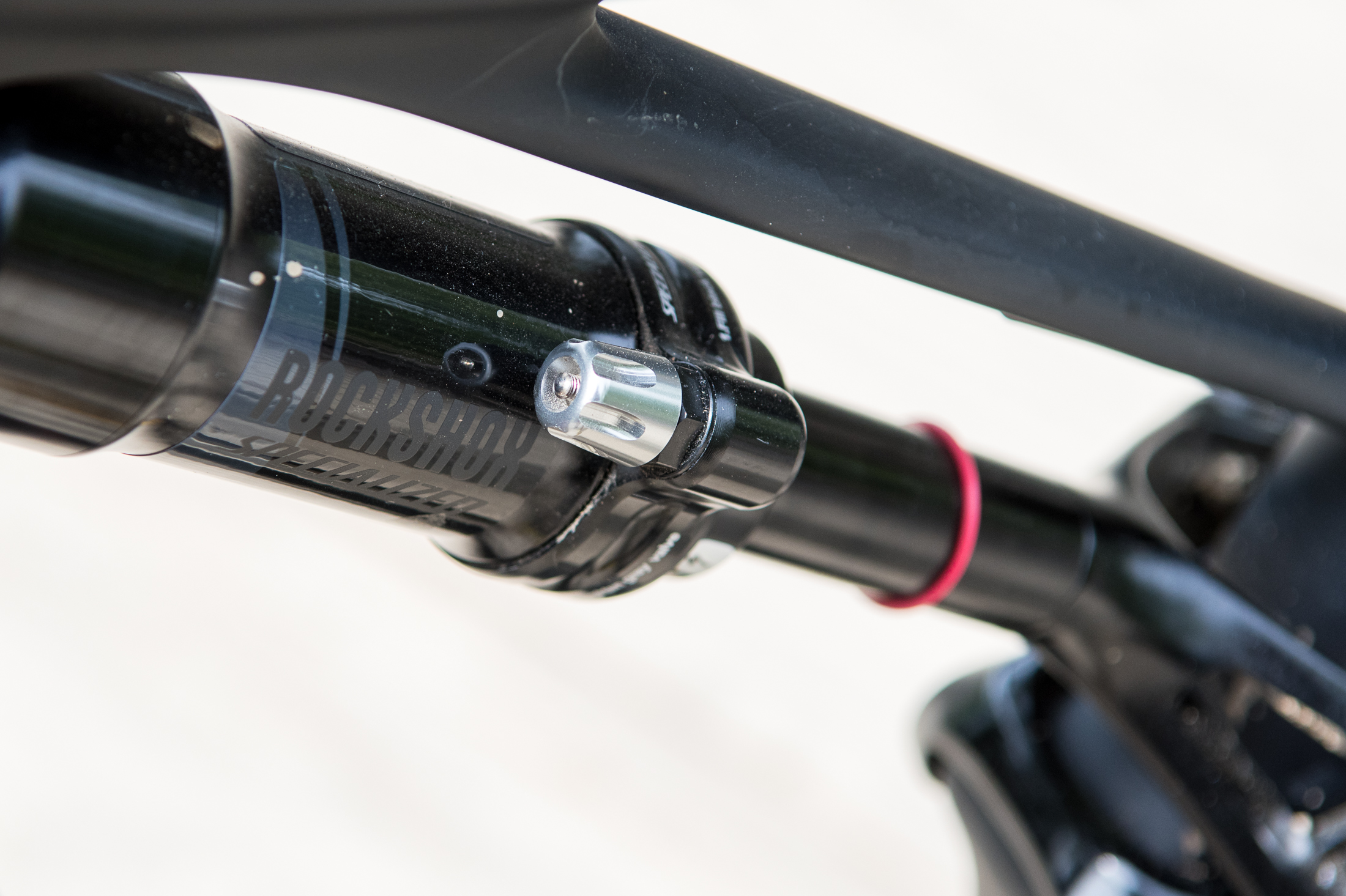
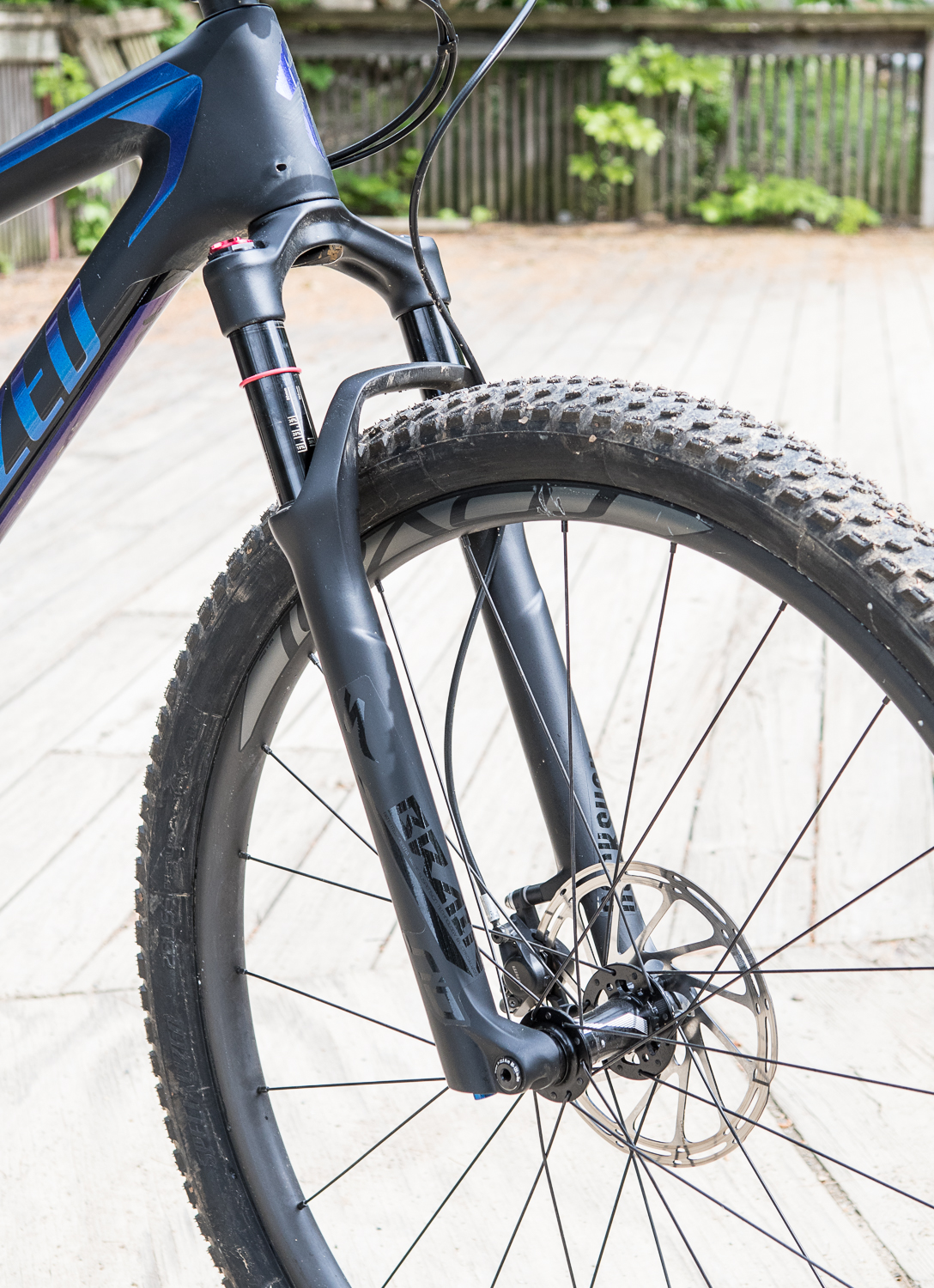
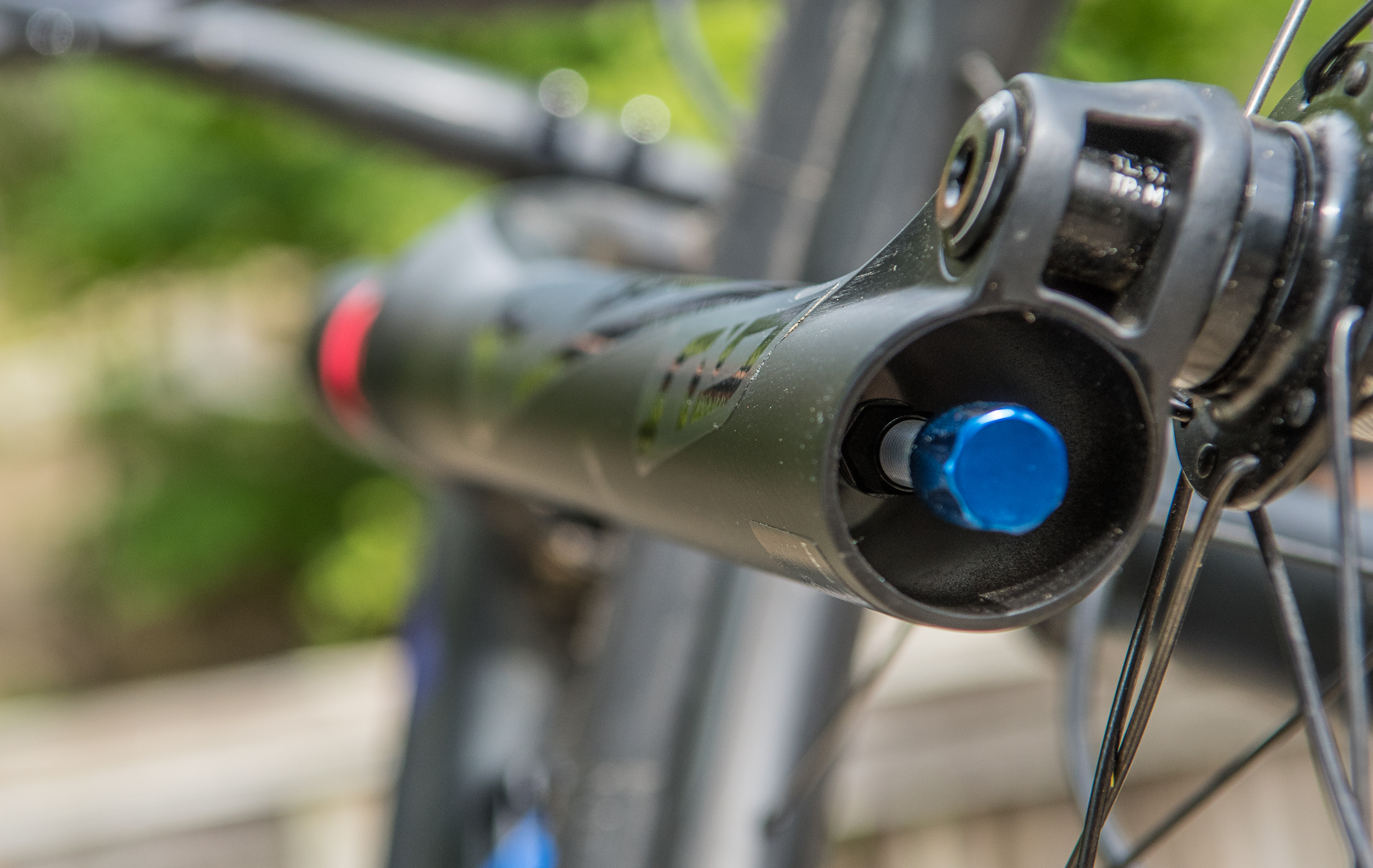
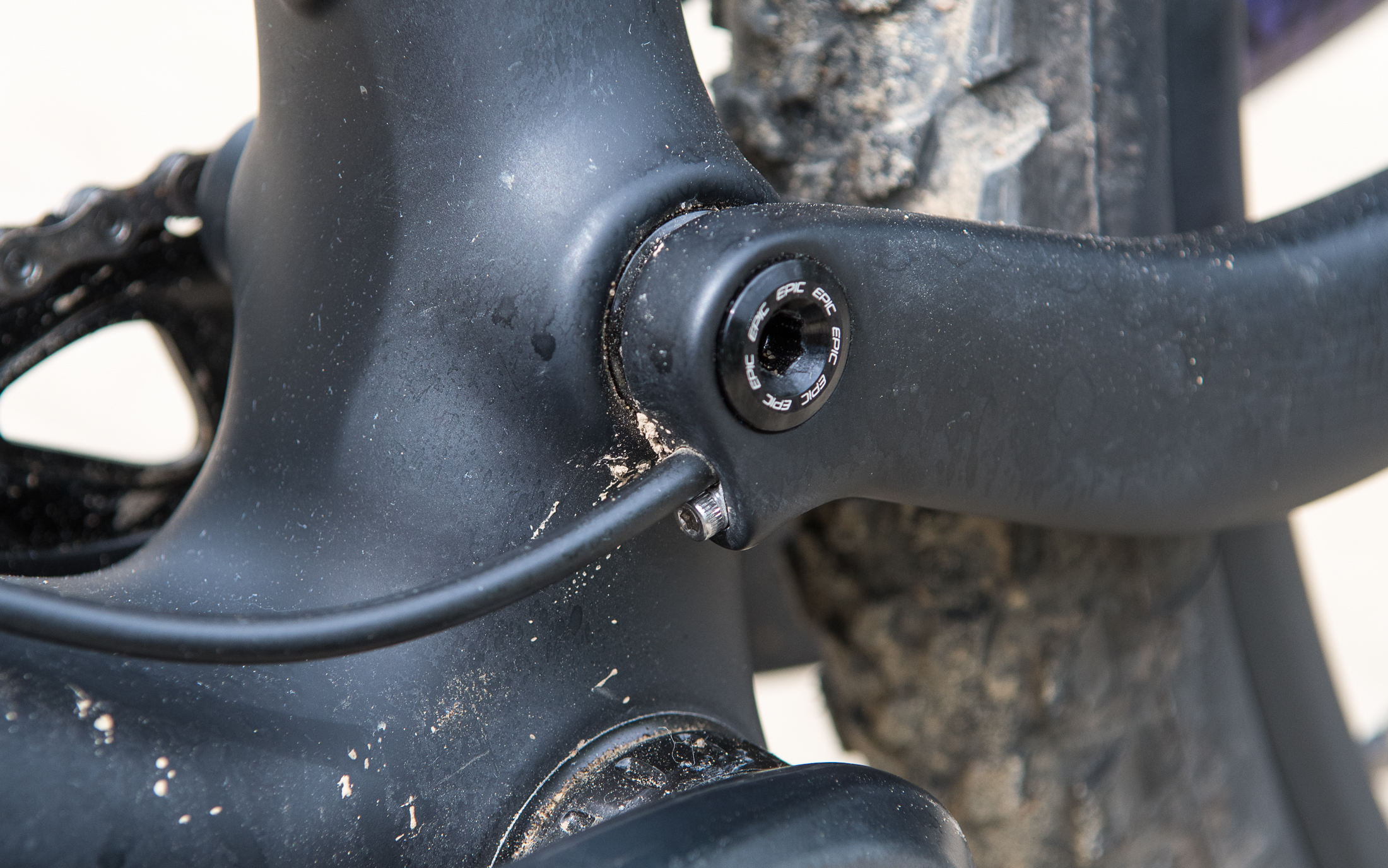
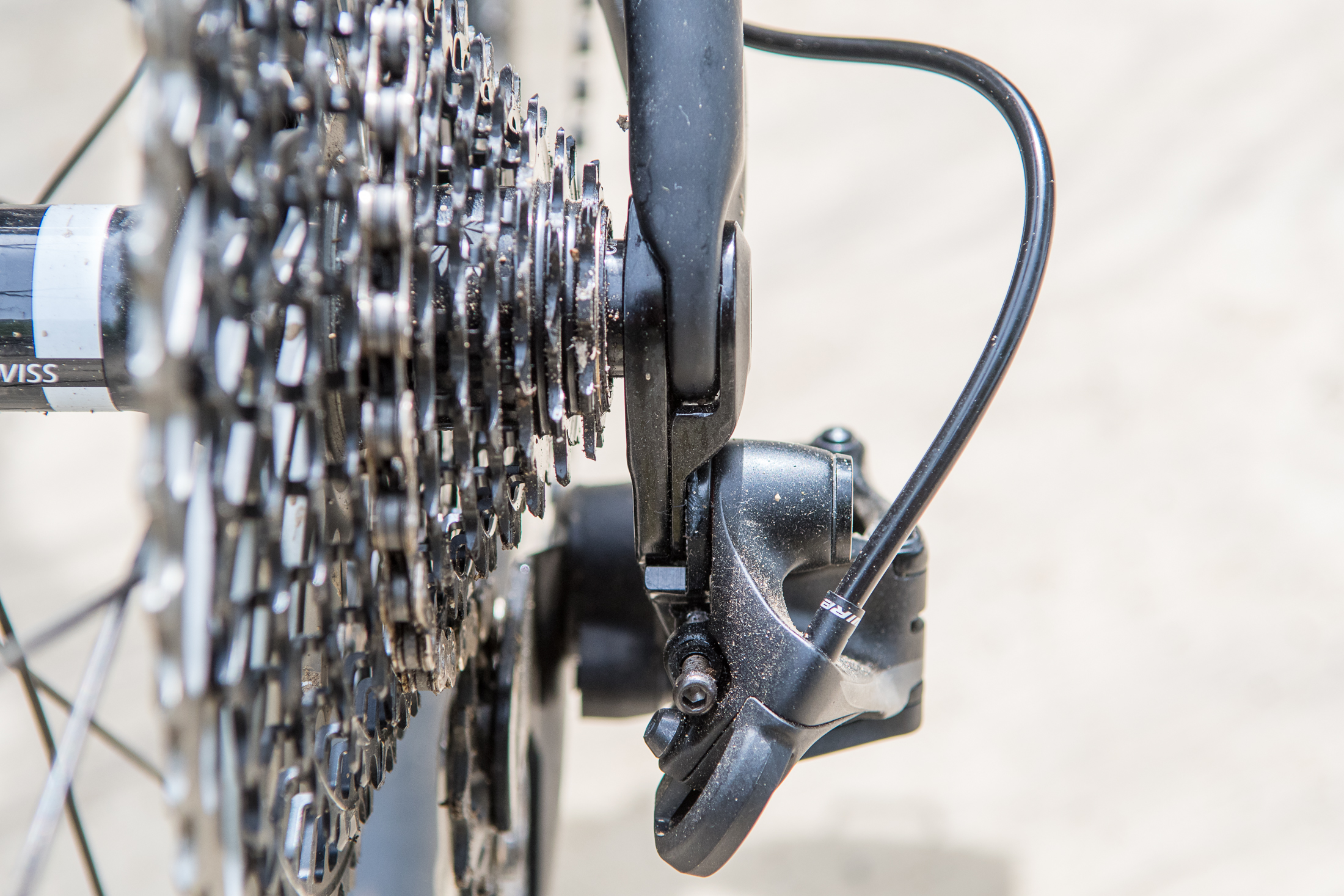
Optically, the Epic has slimmed down a little and its shapes have become rounder and softer - hopefully not its character. Despite the slight change, it is still clearly recognizable as an Epic. Another striking feature is the rear triangle, which is now made from a single piece and therefore does not require the FSR system (Horst Link). Specialized claims to have saved a significant amount of weight. The third noticeable change concerns the automatic suspension locking system "Brain". This also comes in the latest version and for the first time with the shock absorber from Rock Shox. Furthermore, the Brain is no longer located in front of the rear wheel axle but behind it, which improves the responsiveness of the inertia valve.
The new Epic impresses with smooth curves and a tidy look - not least because of the new Brain system. Photo ©Balz Weber
Fun uphill
Before starting the test ride, I set the release hardness of the Brain to the middle position, as well as that of the fork. The ride starts with a climb and that's where the maps immediately come into play. Although naturally very sporty, the riding position of the Epic feels comfortable and very effortless - even slightly better balanced than the previous model.
Climbing is really fun with it, and on steeper ramps it also handles accordingly well. The front wheel stays firmly on the ground without much effort from the upper body. The rear wheel also gets a lot of pressure so that the finely profiled tire offers sufficient traction. This means that even technically demanding climbs can be mastered well, especially as the easy handling also contributes a lot to this.
The qualities of the new Epic are most noticeable on unrhythmic climbs, when switching between sitting and pedaling. Although the frame looks slimmer than the old one, it feels stiffer in the bottom bracket area - ideal when you get out of the saddle for hard pedaling and start sprinting. The bike accelerates very easily.

The climbing ability of the Epic is convincing both in fast and easy terrain as well as in technically demanding terrain. Photo ©Alex Quesada
The Life of Brain
In the medium-hard setting, you can feel how quickly the Brain opens and closes the shock. Only a slight breakaway torque can be felt on gentle bumps such as light waves, then the system pops open. Before you can even think about closing it, it is already closed again, leaving the rider with no wasted energy. The slight breakaway torque is barely noticeable on edgy uphill bumps - downhill it doesn't matter anyway, as it remains open during the fast sequence of bumps.
If the release force is increased to the maximum, the Epic almost feels like a hardtail. The impact on the wheel must be more pronounced or edgy for the Brain to open. The breakaway torque is very noticeable. An ultra-short pause between impacts is enough for the system to close the suspension.
The test with low release force is just as positive. A breakaway torque is no longer perceptible, even at slow speeds or uphill, and you have the feeling of being on the road with a permanently active suspension system. The Brain opens and closes without you noticing. The Epic almost develops into a sedan chair that shows what it is made for on the next hard acceleration - to be super fast.
The suspension characteristics of the Epic rear triangle are also pleasing with the striking changes such as the abandonment of the FSR system and the switch to Rock Shox shocks. When the system is active, the suspension responds finely and absorbs impacts well. It feels like the progression kicks in in the last quarter of the stroke and then offers sufficient support, for example in technical terrain both downhill and uphill, or when overcoming obstacles.

Lighter, more compact, sensitive and fast - the new Brain is a success. Photo ©Balz Weber
Length stabilized
What goes up, must come down, and anyone who has ridden up the mountain is also looking forward to the descent. You can feel that the new Epic is better balanced from the very first meter. It feels good-natured and calm, even when it gets really fast by cross-country standards. It's amazing how such small differences in the frame geometry can make a difference in comparison.
When switching between fast sections and short successive corners, it's not just the Epic's maneuverability that comes into play, you can also clearly feel that the rear triangle has become stiffer - the Epic is extremely nimble. In rough terrain, however, the differences to the old Epic are marginal.

Specialized manages the balancing act between high smoothness and agility for difficult terrain with the new Epic. Photo ©Alex Quesada
Conclusion
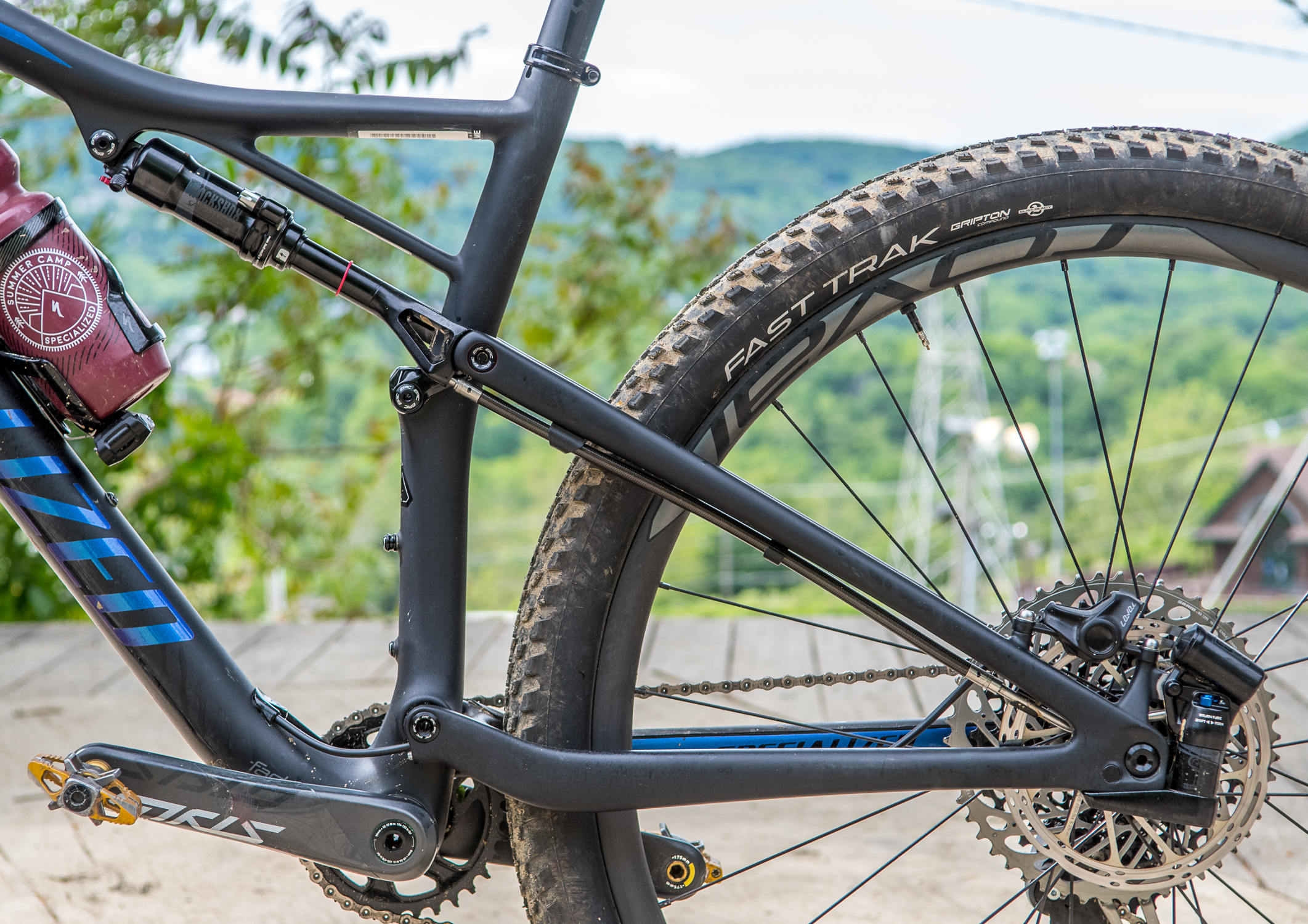
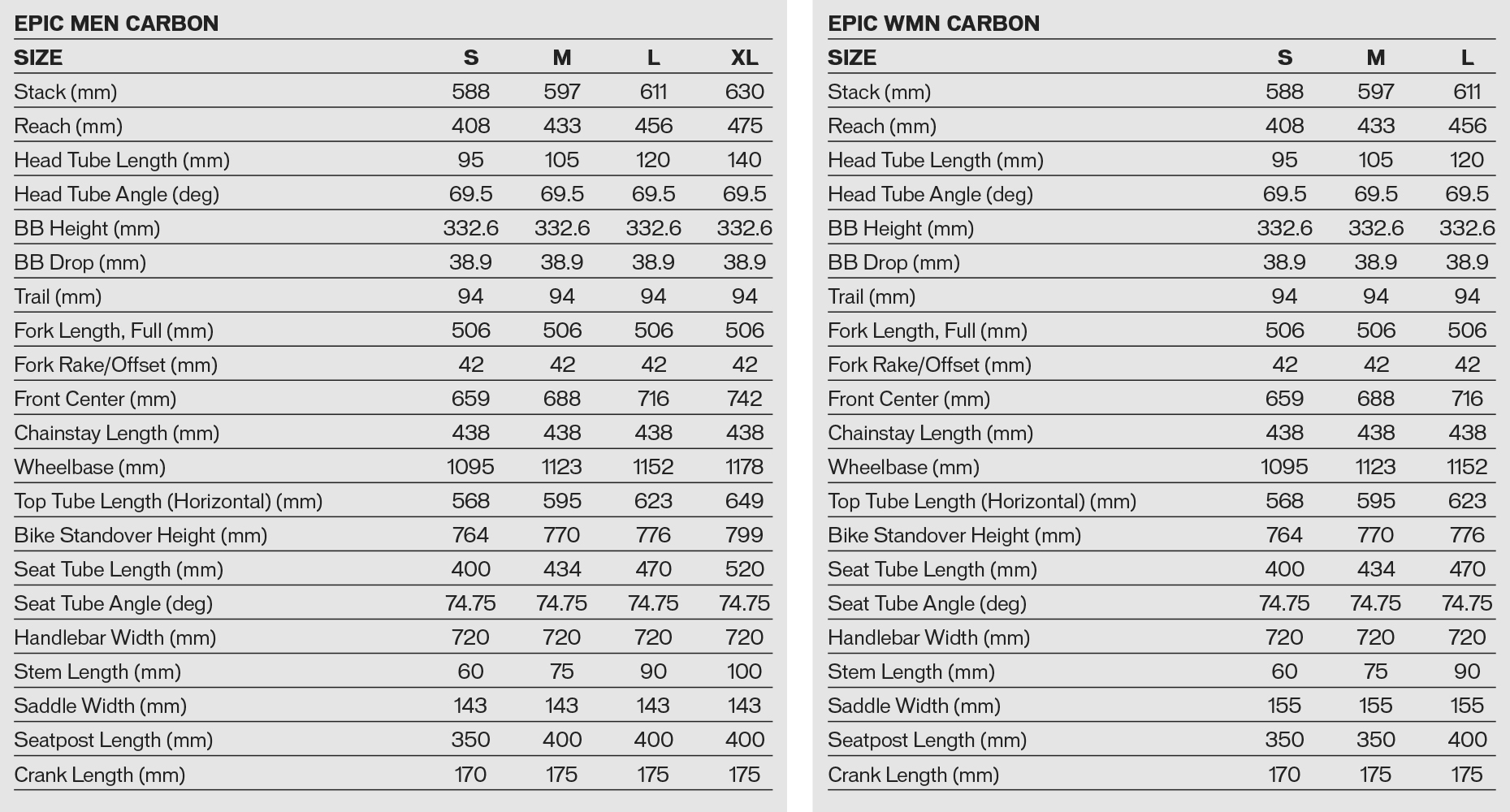
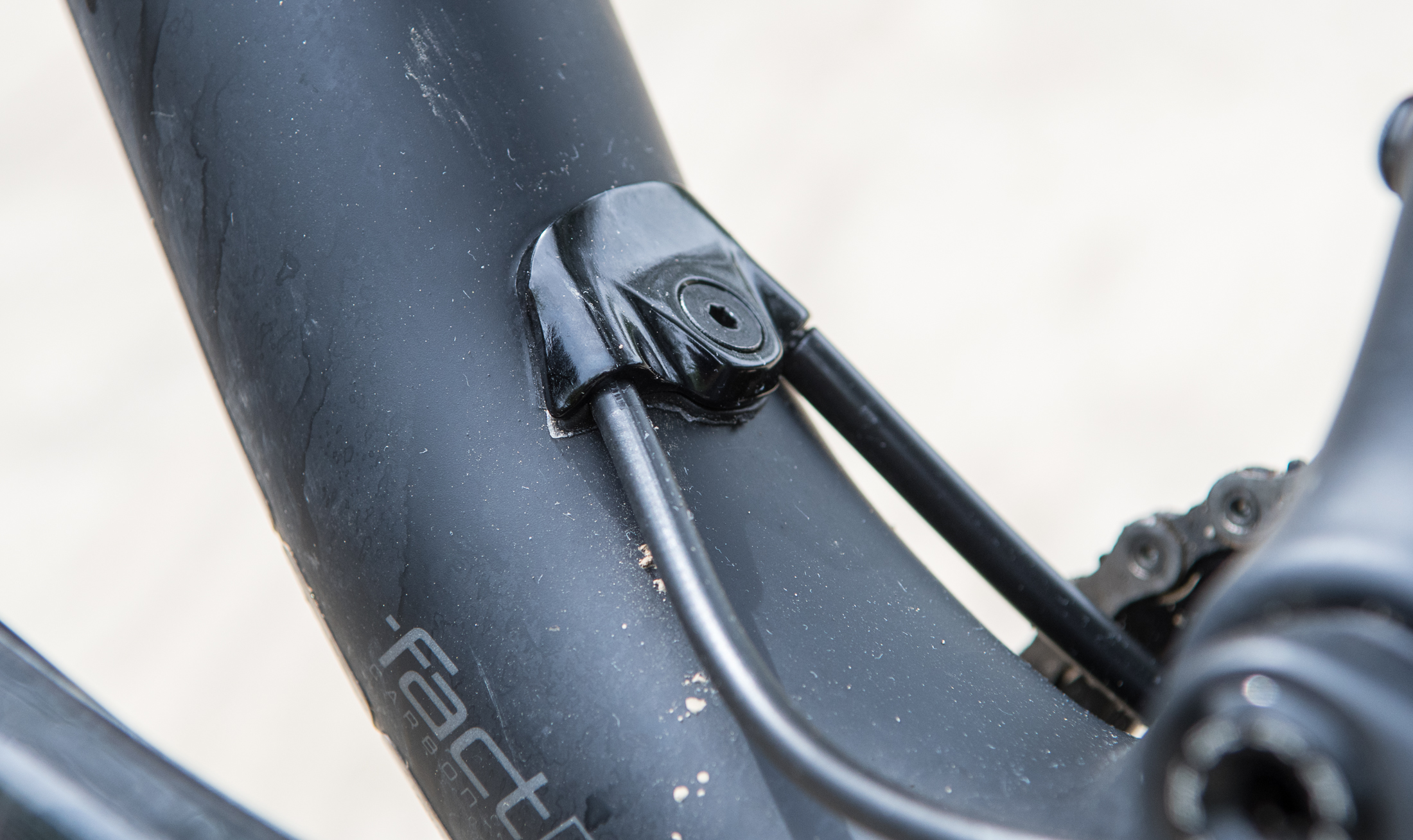
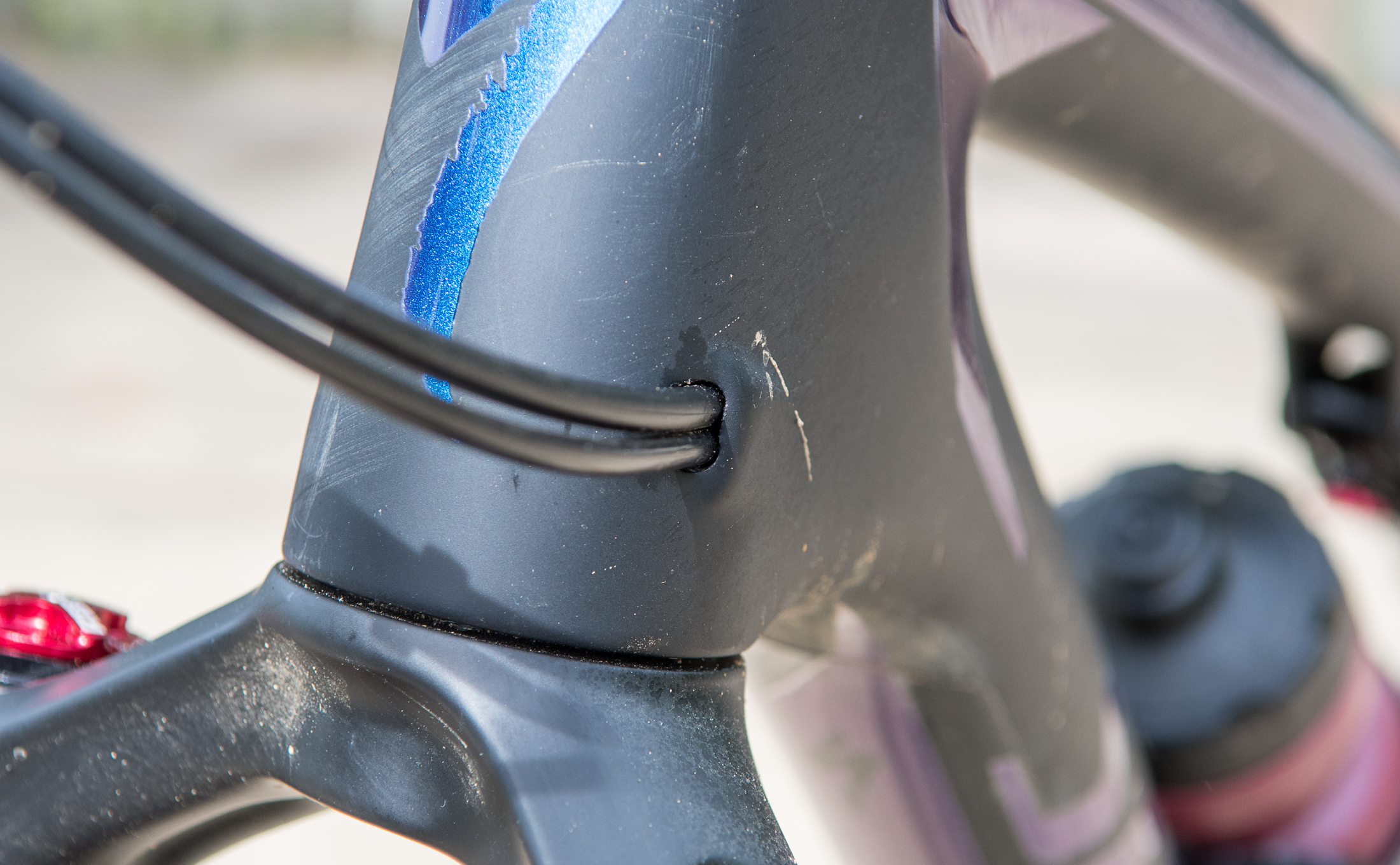
The new Epic is even more consistently trimmed for racing, and this is noticeable in a variety of areas: Uphill in terms of weight and stiffness, downhill it's the slacker head angle and longer reach that make the difference. The new Brain is also very successful - it works sensitively and quickly and can be perfectly adjusted to personal requirements. Even in the Pro version, the Epic is a grenade and an excellent choice for every cross-country and marathon fan. There's really nothing to complain about with this bike. But if we want to look for a needle in a haystack, we would wish for slightly wider rims by today's standards. If you don't have a dropper post - like us, for example - the frame is prepared for posts with internal cable routing.
Further content on this article
Note: This content has been automatically translated from German. Please report any incorrect translations.