

The hidden giant of the Swiss bike industry
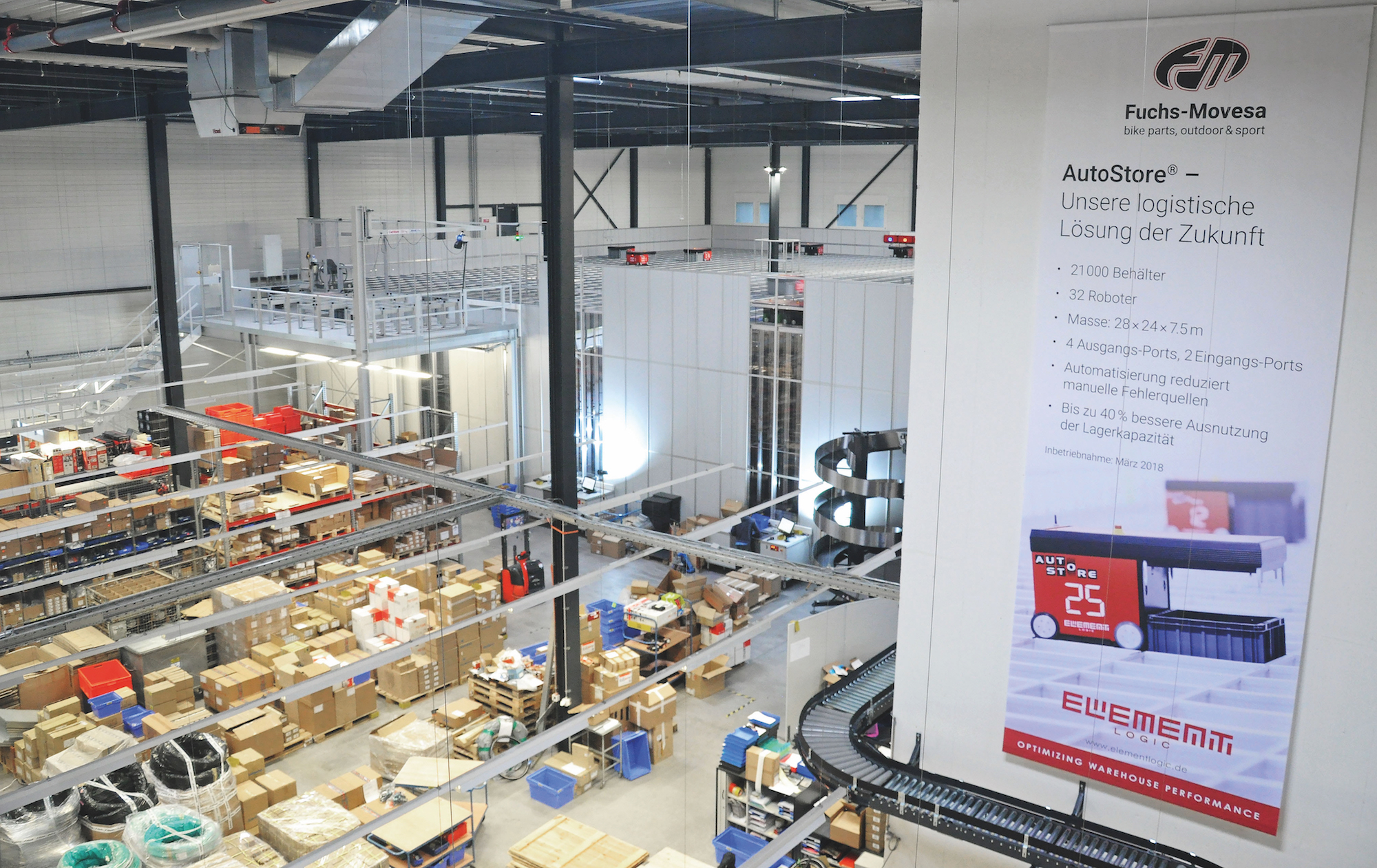
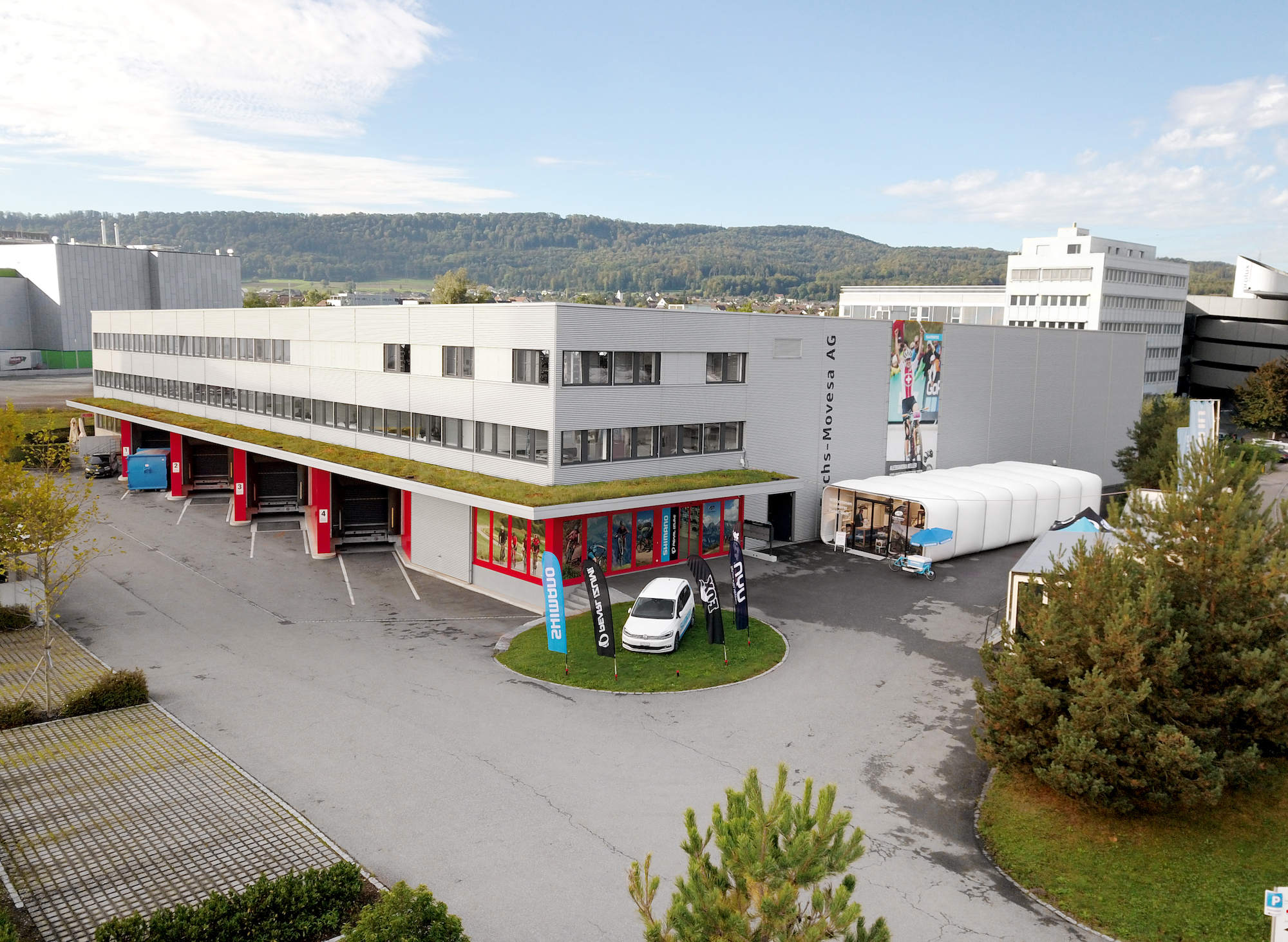
Fuchs-Movesa is one of the most important contact, service and business partners of the Swiss specialist bicycle trade. The portfolio is comprehensive. It ranges from Abus, Bosch, Continental, Schwalbe, Ergon, Fox, Knog, Marzocchi, Motorex, Pearl Izumi, Shimano, Tubolito to VDO and Vittoria. But Fu-Mo, as many Swiss specialist dealers almost affectionately call the company, is not just a trading company. Founded in 1936, the company is also a service provider and trainer: Fu-Mo acts as a service partner for Bosch, ensuring that spare parts reach specialist dealers quickly. With the Bosch hotline, Fu-Mo ensures that questions that arise in the e-bike workshop are answered in a flash by email or telephone. With Fu-Mo, a specialist dealer has a provider that not only sells parts, but also offers a great deal of expertise and support.
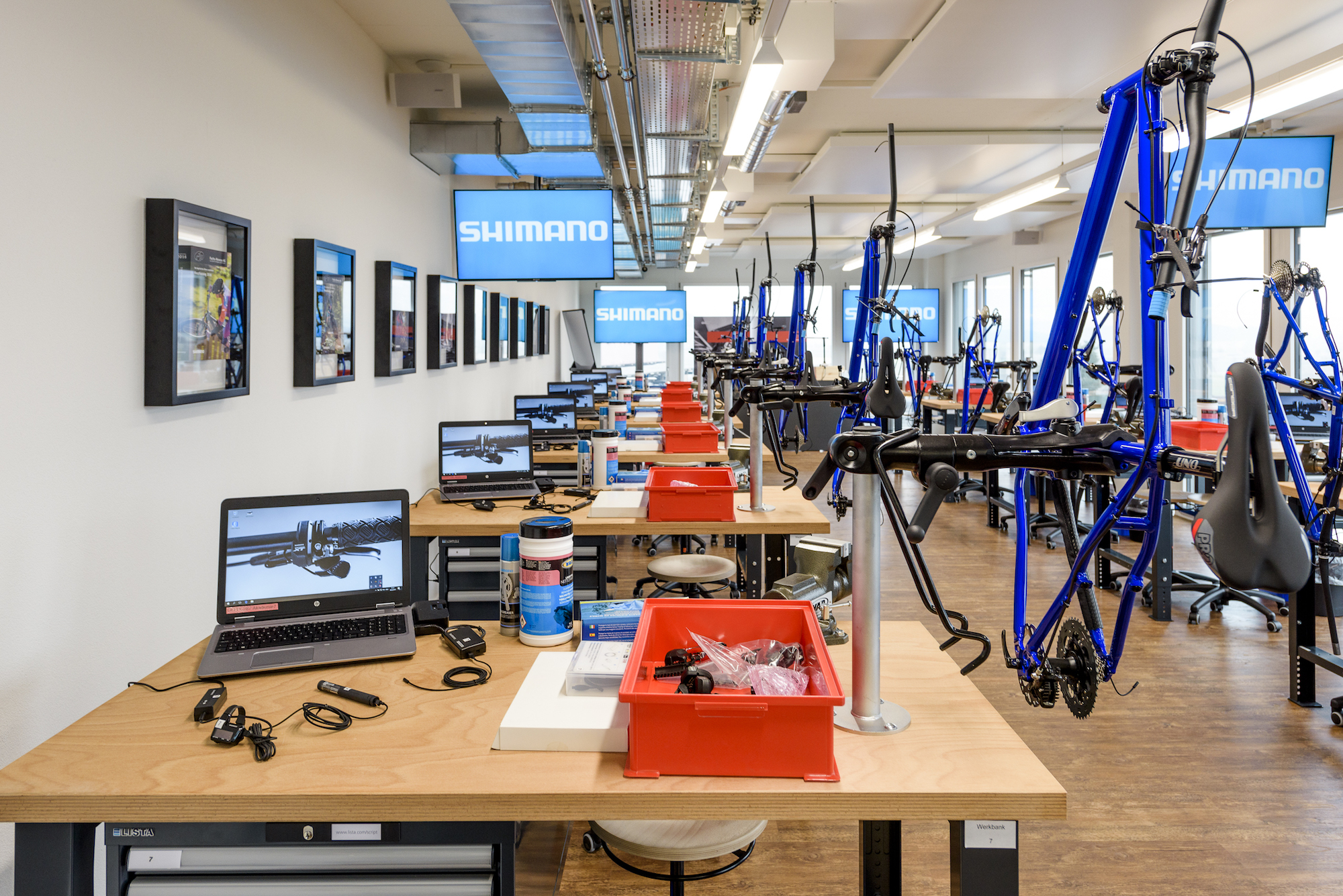
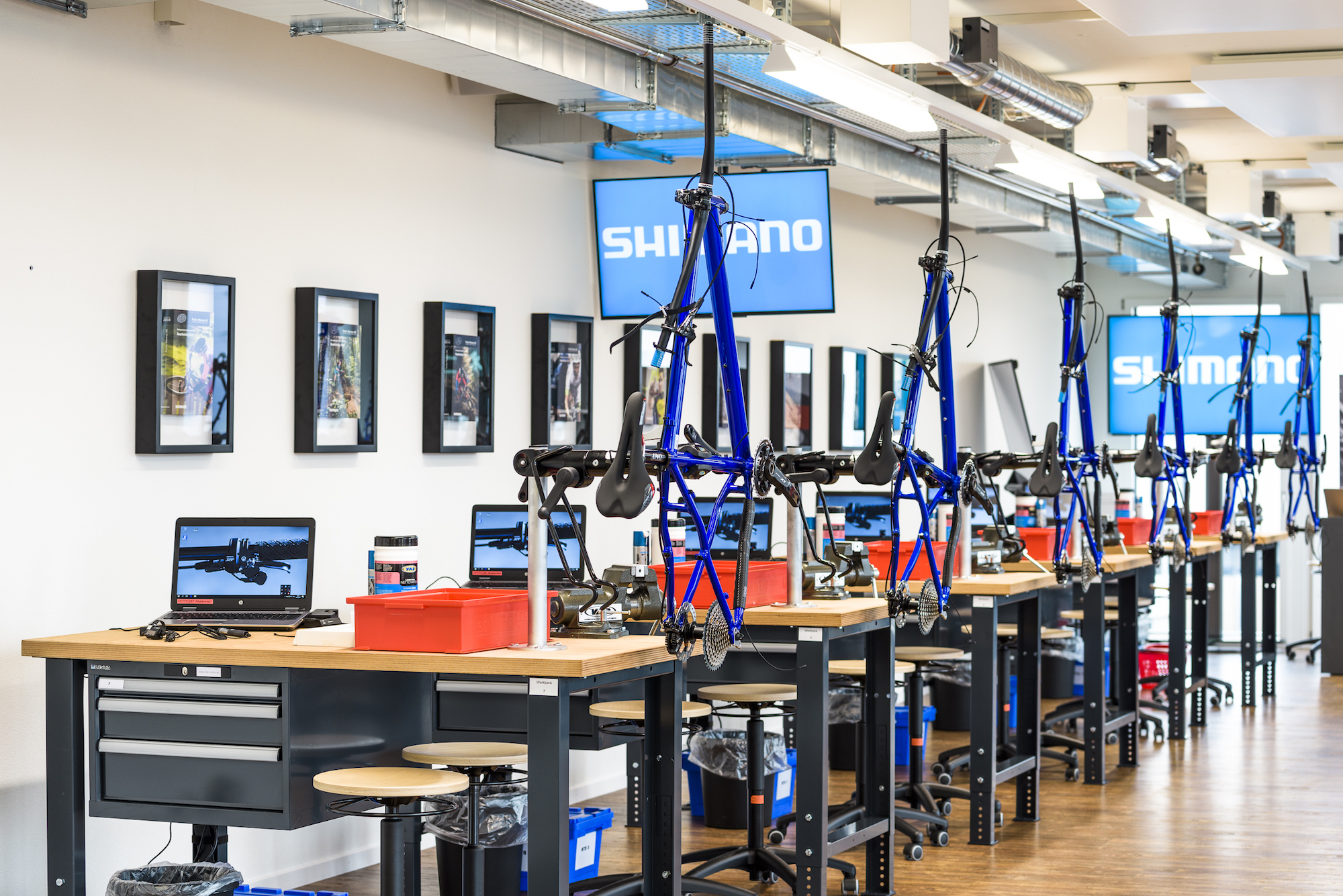
A particular highlight of Fu-Mo is its in-house academy: equipped with 12 modern workbenches, over 600 participants are trained and further educated every year. This ensures that specialist dealers are up to date with the latest developments in bicycle mechanics and mechatronics.
During the coronavirus restrictions, Fu-Mo has once again proven that it is very close to specialist retailers. During the weeks in which only workshops could be open and showrooms had to be closed, Fu-Mo not only supported specialist dealers with parts. Posters could be ordered quickly, easily and practically, and displayed in shop windows to show that the workshop was open for business. In the corona regime after 11 May, Fu-Mo retailers will receive practical floor stickers to ensure that the distance of two meters between customers can be maintained, as well as posters inviting customers to shop in the local bike store.
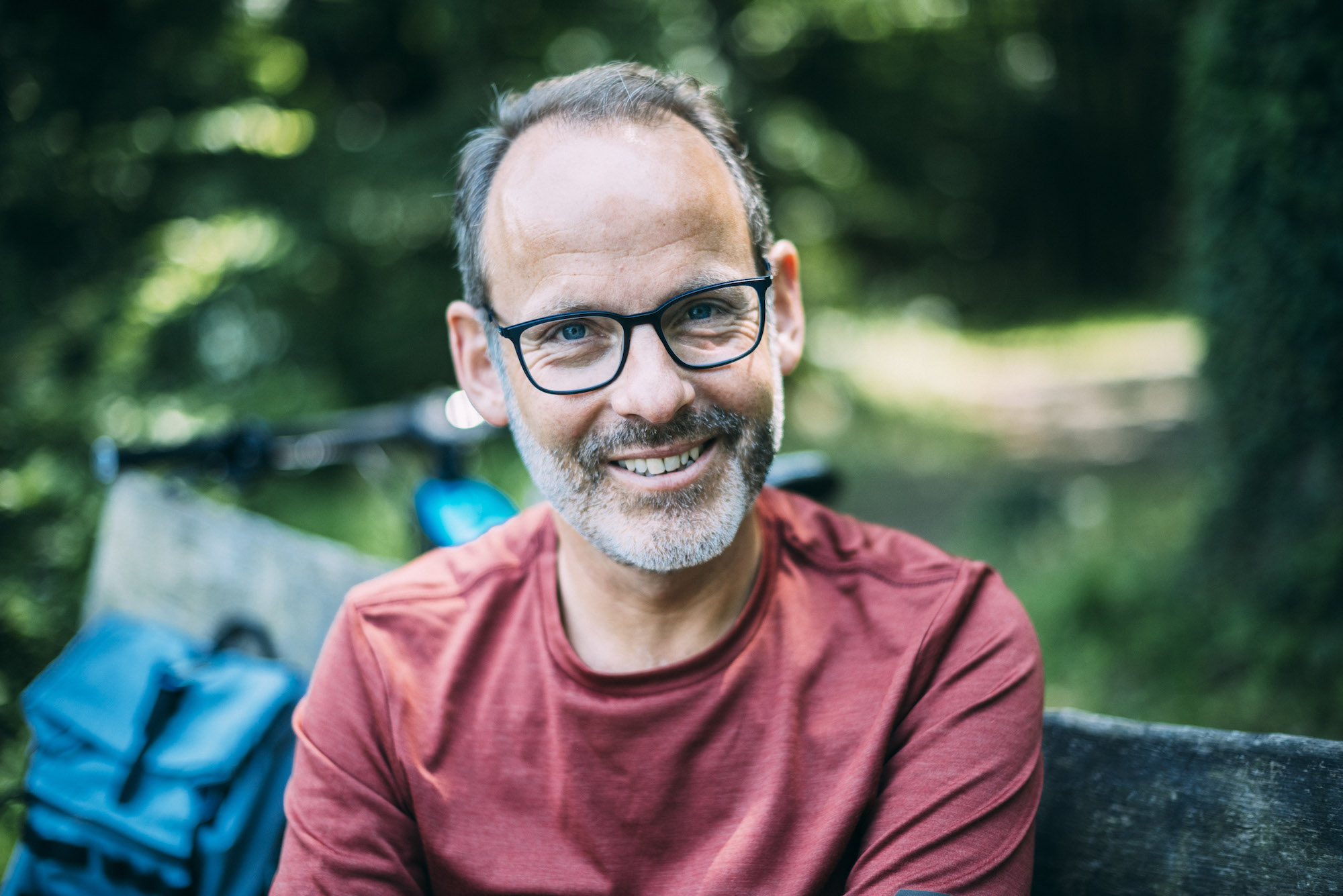
Ride: Mr. Richard Merz, you are the Managing Director of Fuchs-Movesa. How did you react when it became clear that a pandemic was looming in Switzerland and around the world?
I don't think it was much different to most companies in Switzerland. We have set up a risk management system with colleagues from the system-relevant parts of the company. The first task was to think in terms of scenarios. We analyzed area by area and tried to estimate what a lockdown could mean for us as a company. This resulted in around 100 different measures and a whole package of decisions. The health of our employees was always the top priority in all decisions.
The speed with which we were able to act was impressive. For example, the majority of employees were working from home within three working days. Thanks to Microsoft Teams, we were still able to work together very well, despite the physical distance. We have always based our measures on the FOPH guidelines. It was important to us not to allow our own interpretations of the situation.How has demand developed since the shutdown?
In the first two weeks, sales plummeted by 60%. During this phase, we thought about short-time working, but nothing has been normal since Easter. The demand for bicycle accessories has literally exploded.
Which products were particularly popular during the shutdown?
The classic consumables, spare and small parts such as brake pads, chains, cassettes, inner tubes, tires, e-bike batteries and much more. Since the stores have been allowed to sell all products again, the entire range has benefited from the strong demand. The textile sector with clothing, shoes and helmets is also experiencing a second spring. Everyone seems to be getting ready for cycling vacations in Switzerland.
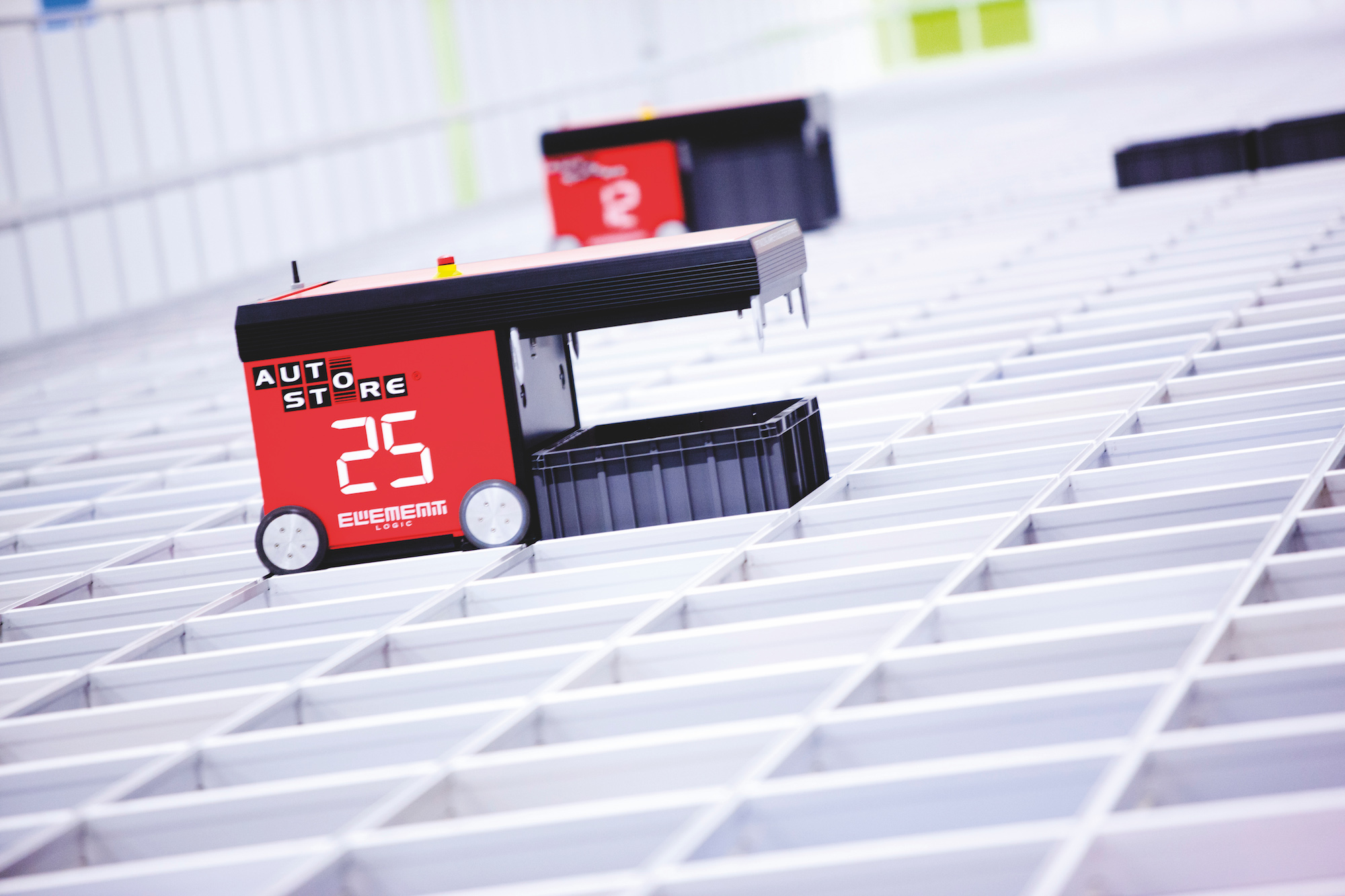
How did Fuchs-Movesa cope with the demand, how did you manage the logistics and staffing?Within three weeks, we experienced a real rollercoaster ride. From a sharp drop in demand, it turned 180 degrees after Easter. The impact on the team in logistics, customer service and the service center was massive. In the short term, we were only able to solve the personnel bottlenecks with internal resources, which meant that colleagues from the office and the field service stepped in. We have an incredible team spirit that characterizes FUMO. We are very proud of this and also grateful that the staff understand the extraordinary situation. In the meantime, we are in the process of filling the missing resources with new team members.
Were there any supply bottlenecks?So far, we have largely been spared. If demand remains this high, individual products will no longer be available for a certain period of time.
The big exception was the stock situation for home bike trainers. We sold out completely within two days of the lockdown decision. Cyclists feared the complete lockdown and tried to stock up accordingly. As the manufacturer ELITE produces in northern Italy, the supply chain has completely collapsed. The stock situation will return to normal by July.
Were there any problems shipping the material to specialist retailers?Yes, we had some challenges when shipping with Swiss Post. For a short time, our shipping volumes were limited per day. Fortunately, this was only a temporary situation. In the meantime, the situation has returned to normal.
What were your highlights during the coronavirus crisis? What positive aspects do you see?From a company perspective, of course, the incredible team spirit. Every employee recognized that we were in an extraordinary situation and that extraordinary efforts and decisions were needed. The team was incredibly creative and solution-oriented. The FUMO team has grown even closer together as a family.
We are experiencing a very positive dynamic in the bicycle market. People are looking for maximum freedom and are finding it on a bike. The bicycle has secured a firm place in the mobility of the population and its integration into everyday life will continue to progress.What was negative about the coronavirus crisis?I regretted the lack of social contact with our customers, suppliers and partners. Telephone, email and Microsoft Teams work, but physical meetings cannot be replaced by modern means of communication.
The fact that so many people have had to go on short-time working or have lost their jobs also concerns me. We can be incredibly grateful and happy that our industry was only briefly negatively affected by the coronavirus crisis.
Note: This content has been automatically translated from German. Please report any incorrect translations.