

Top bikes in retirement: Sauser's Cannondale Scalpel Olympic bike
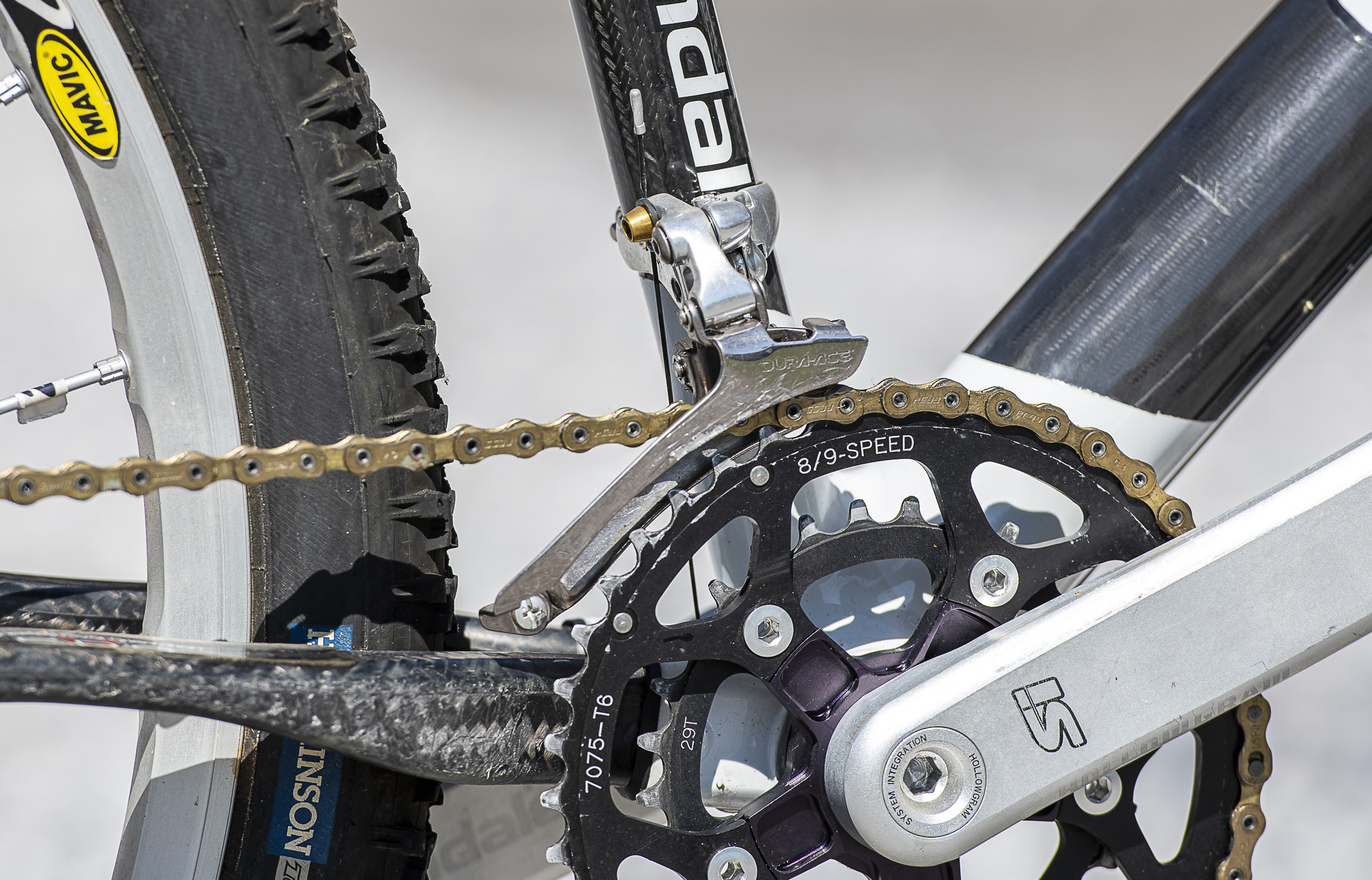
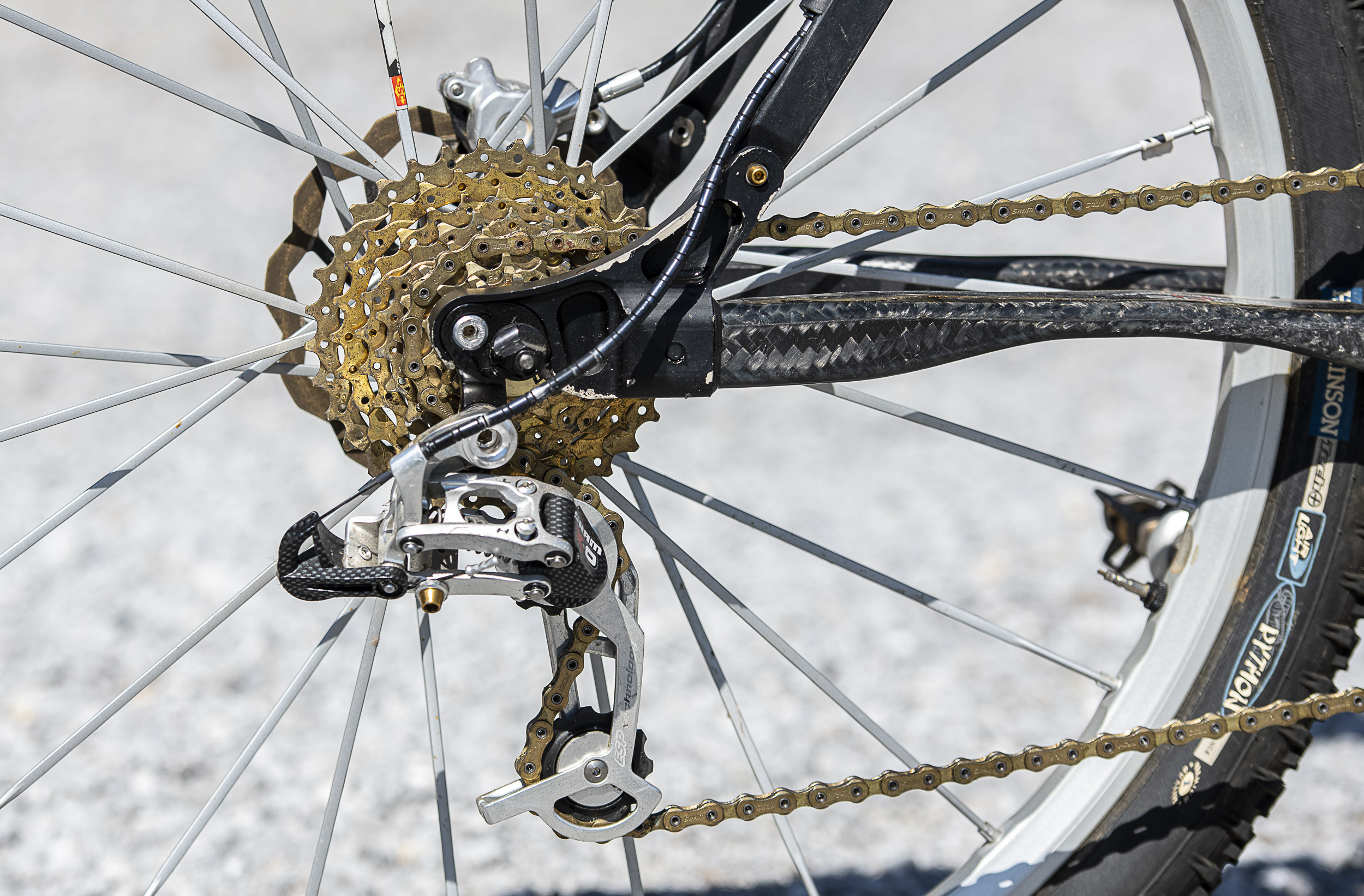
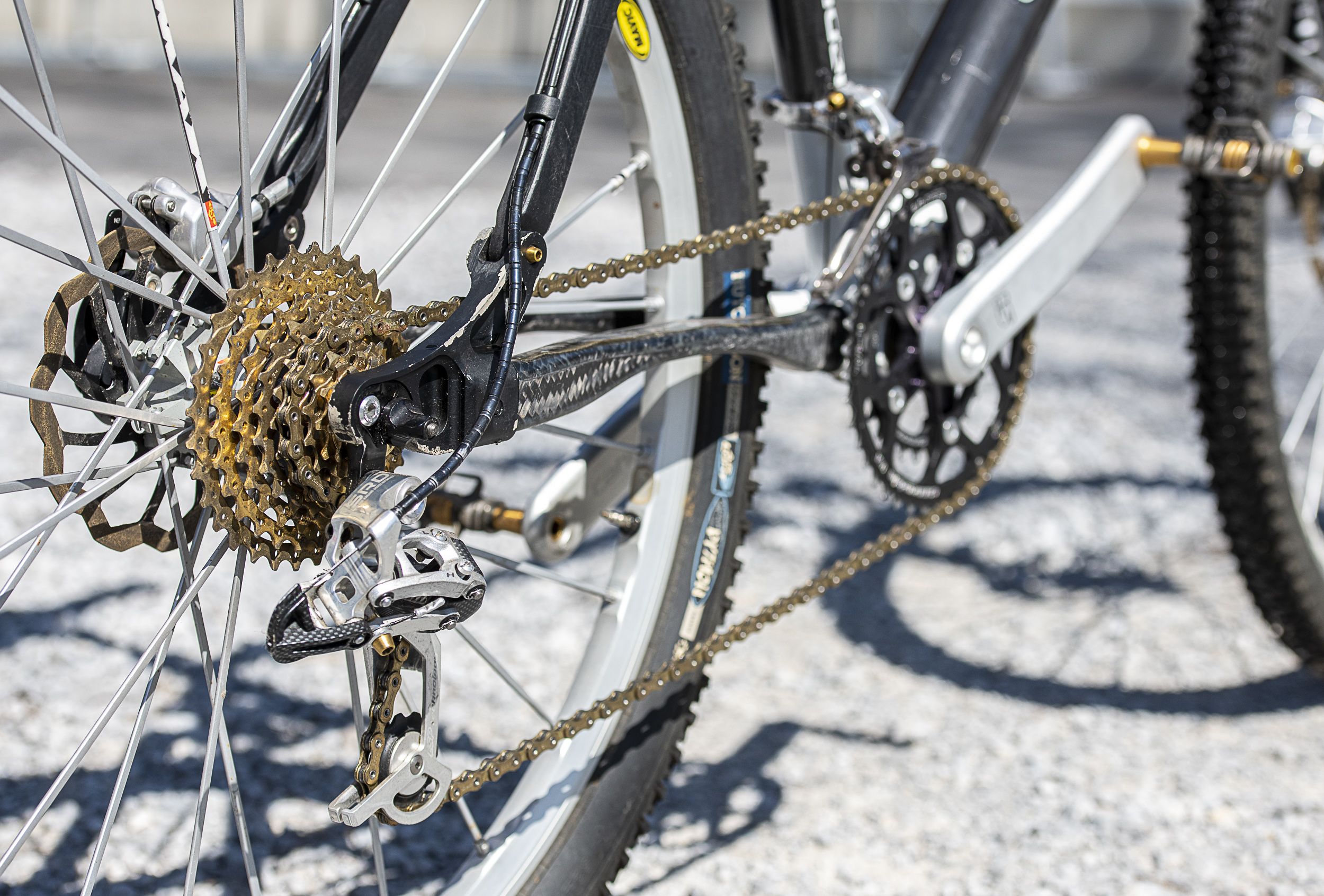
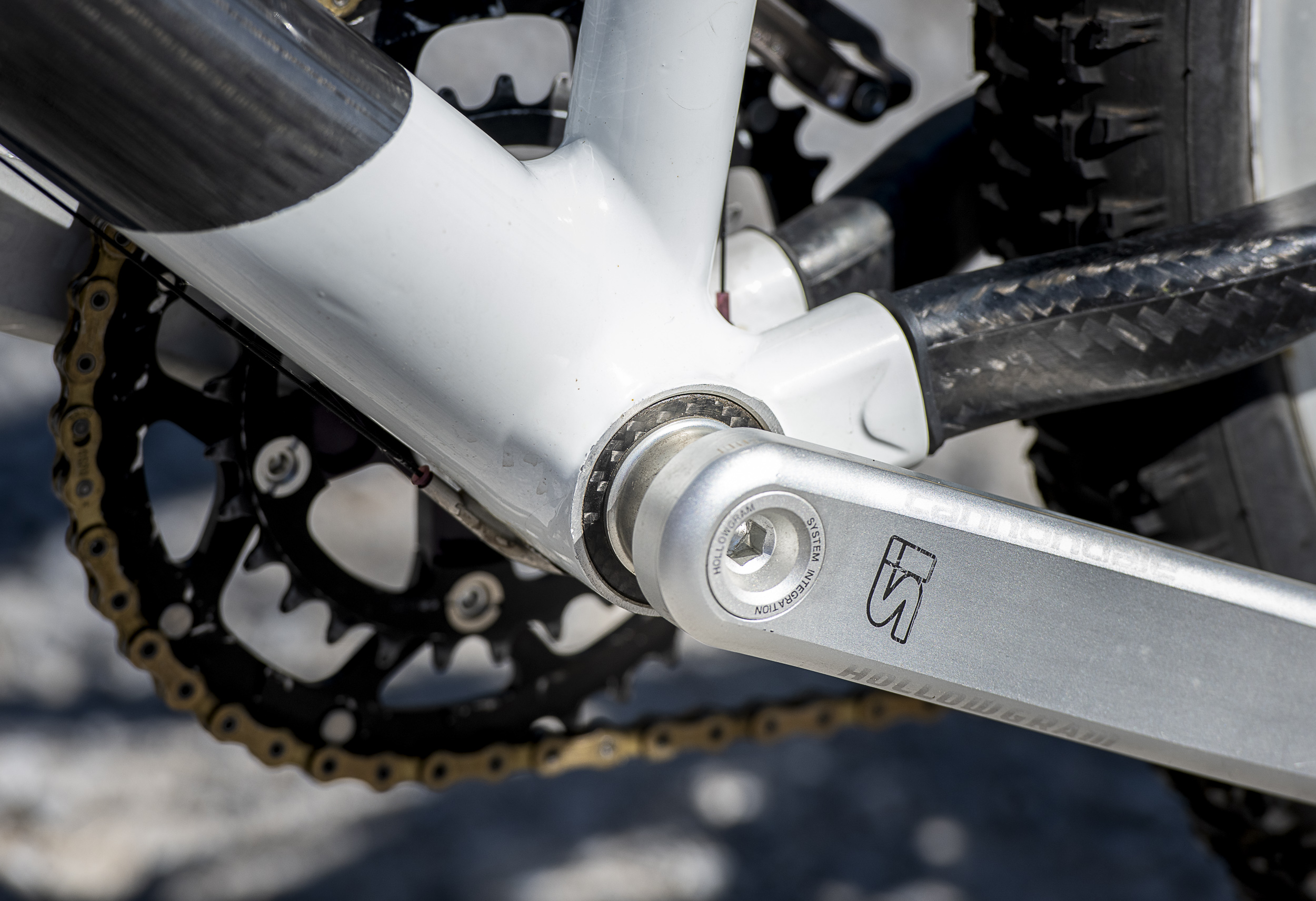
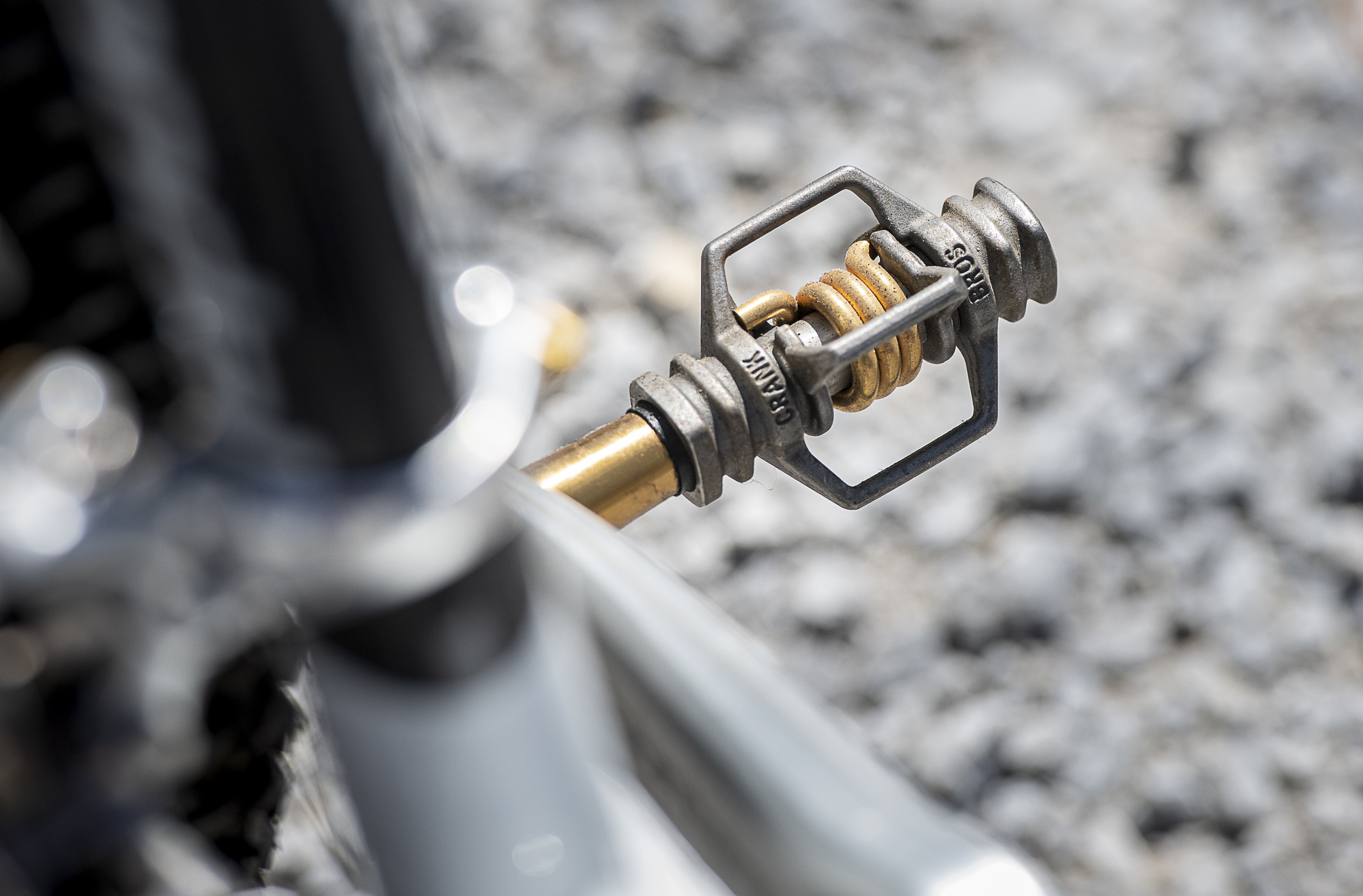
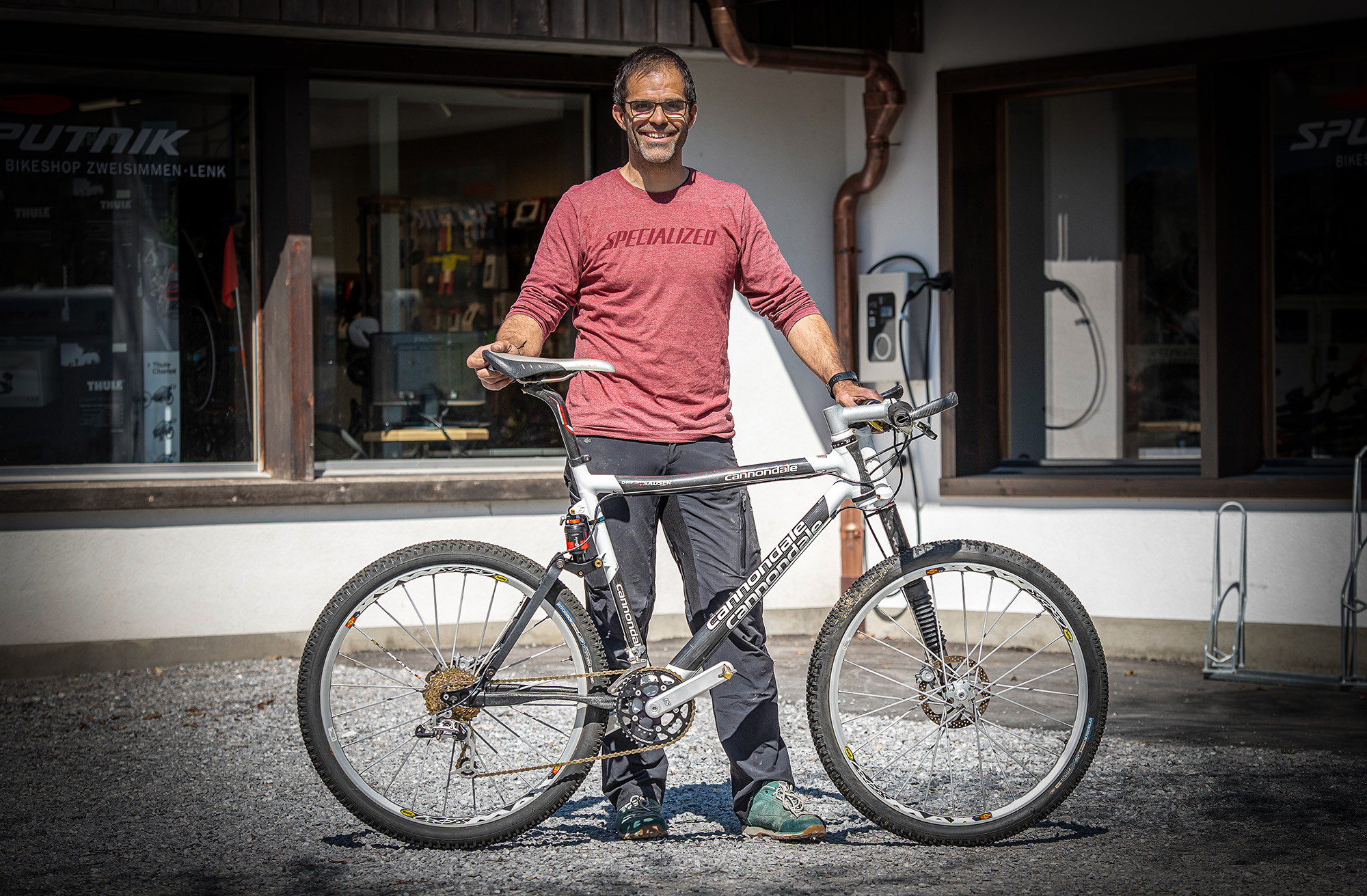
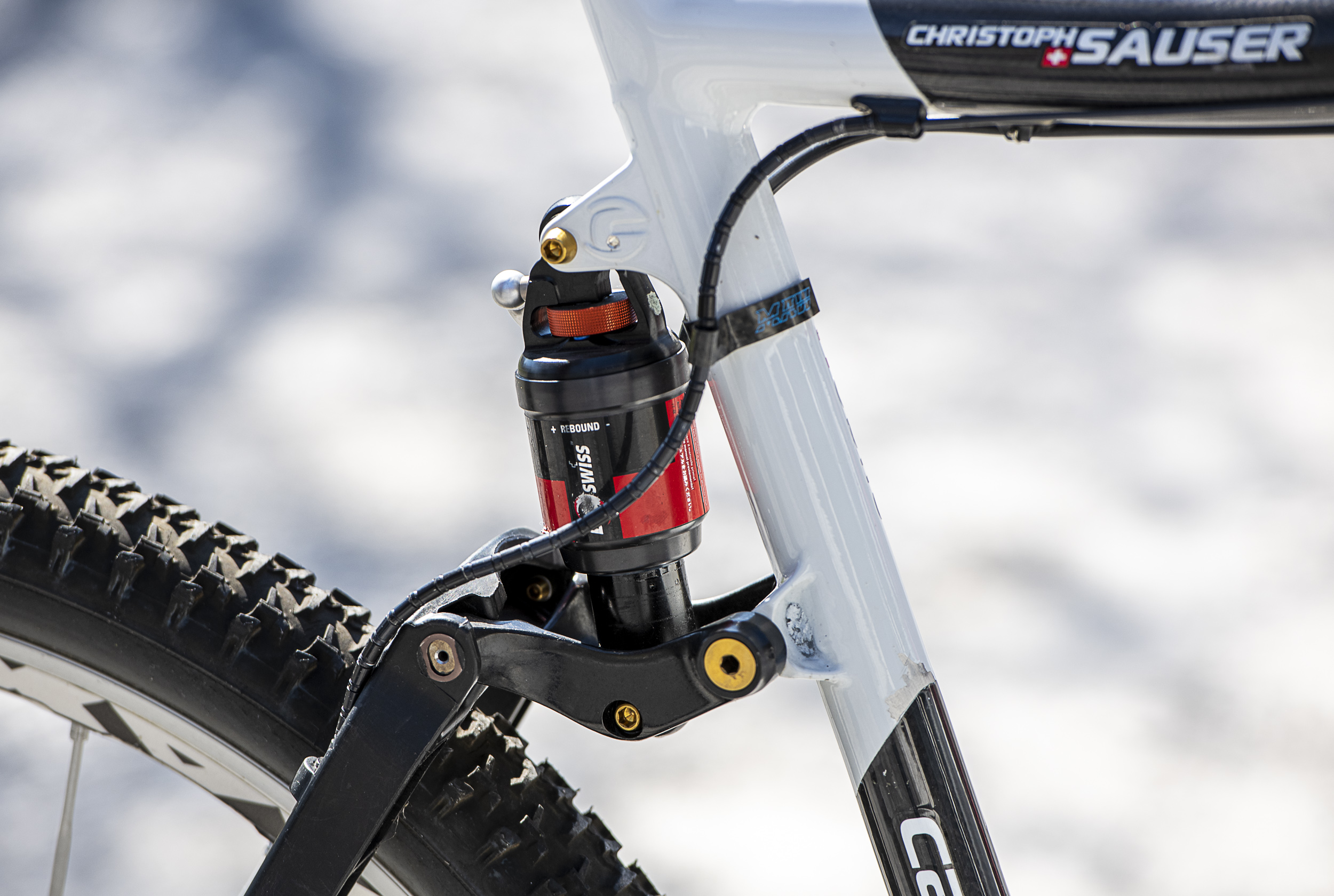
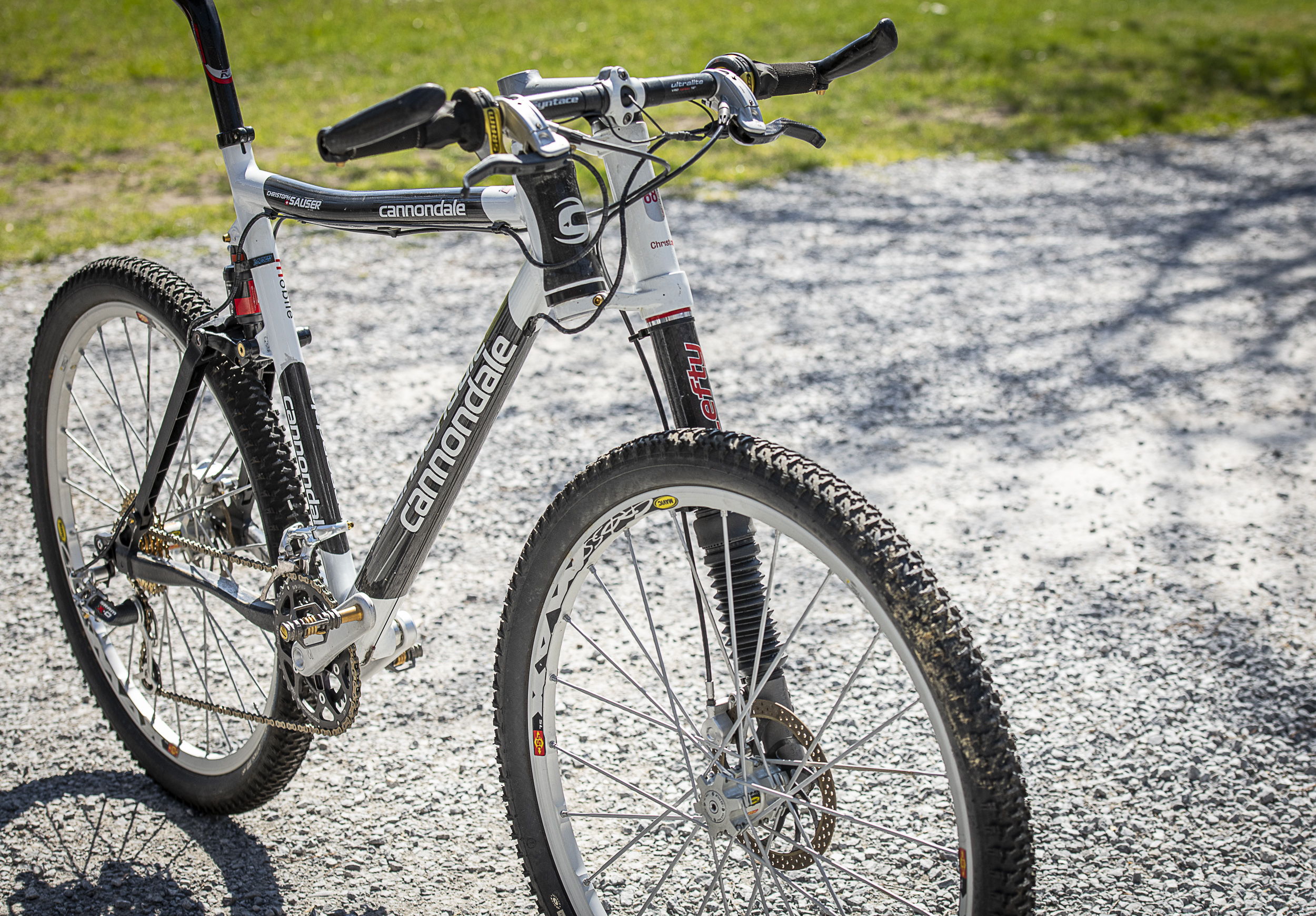
Christoph Sauser's Cannondale Scalpel at the time not only had one of the best frames of its time. It was equipped with components that were not available to buy. A few came off the shelf and were modified. Many, however, were custom-made by his mechanic at the time, Patrick Griessen - one of the tuning popes among the World Cup mechanics of the time.
Lighter than most hardtails
The Scalpel frame was already the object of desire in the aluminum version. In the carbon version, it drove the flow of saliva unstoppably. What was special about it was that Griessen had every steel screw for Sauser's bike reproduced in aluminum or titanium in order to reduce the weight wherever it had no actual benefit. At 8.95 kilograms, the racing machine was lighter than most hardtails.
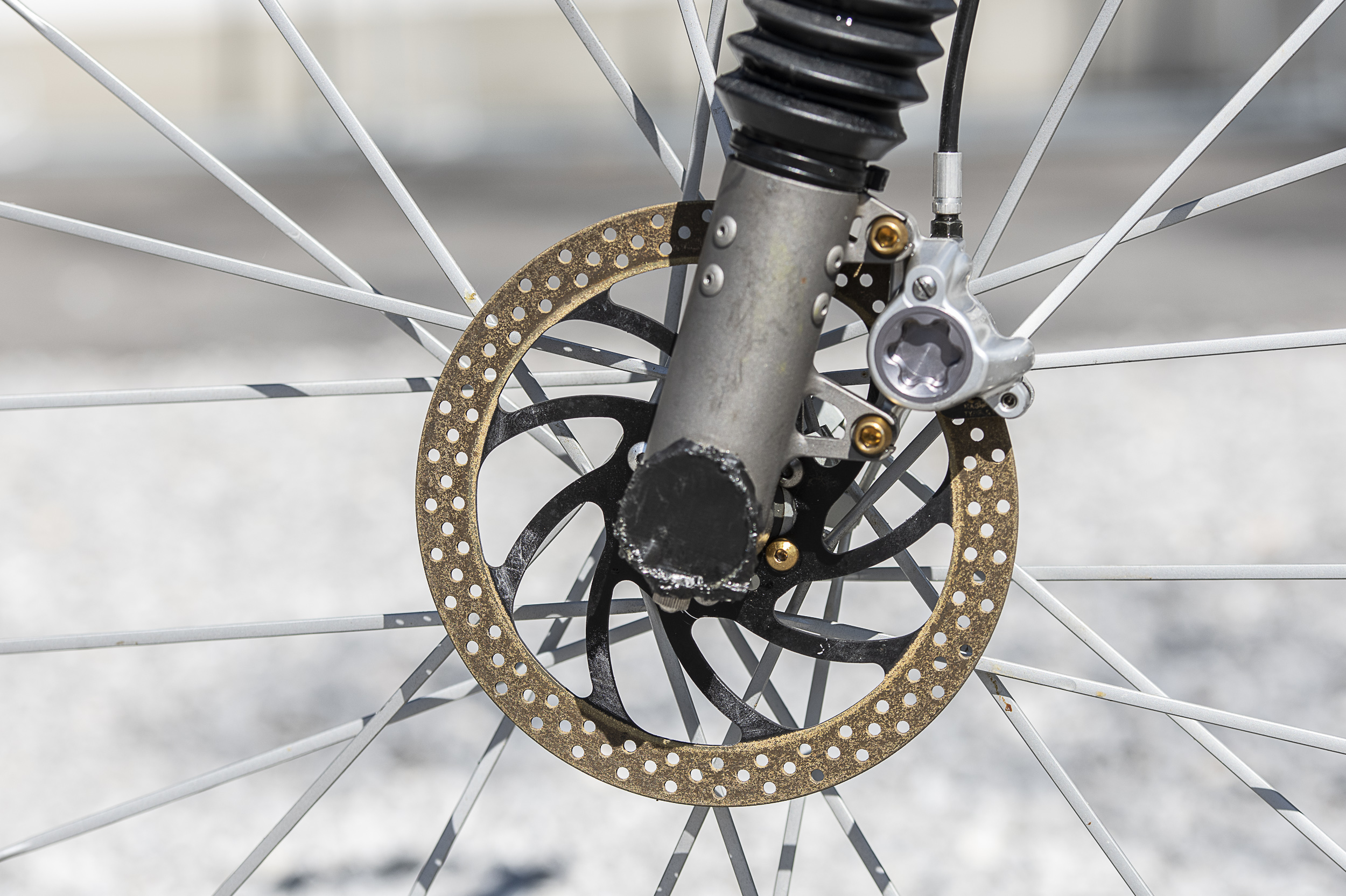
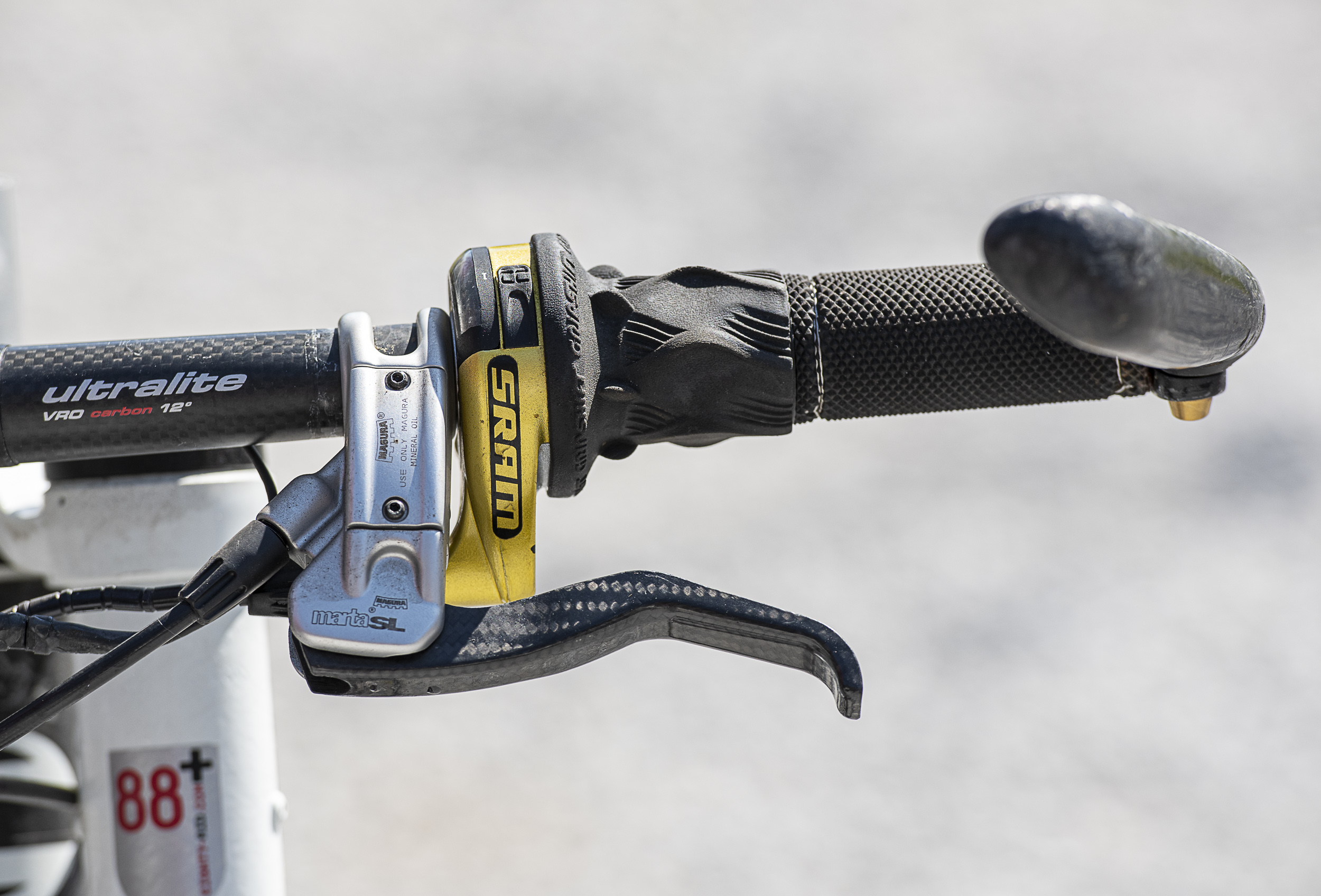
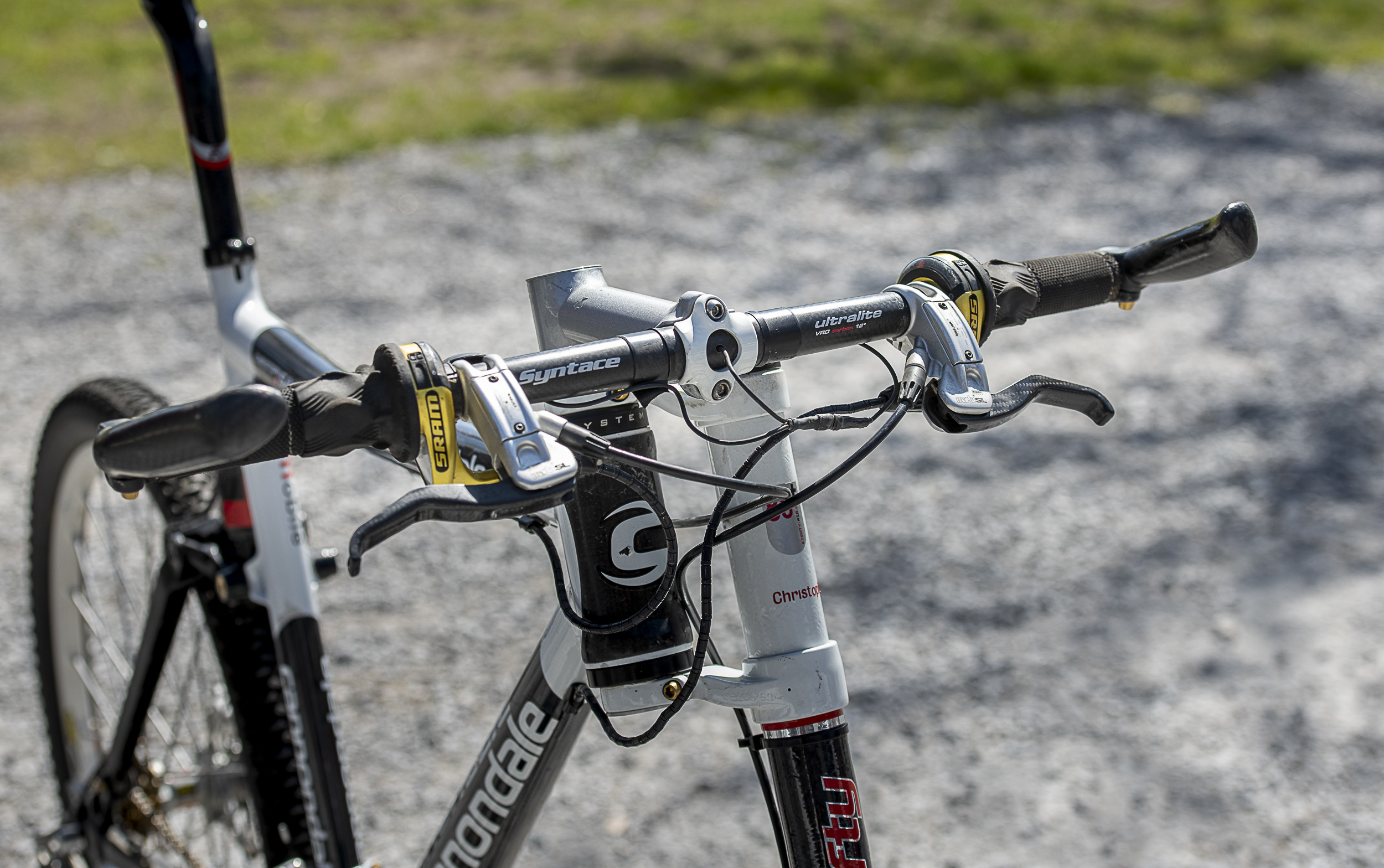
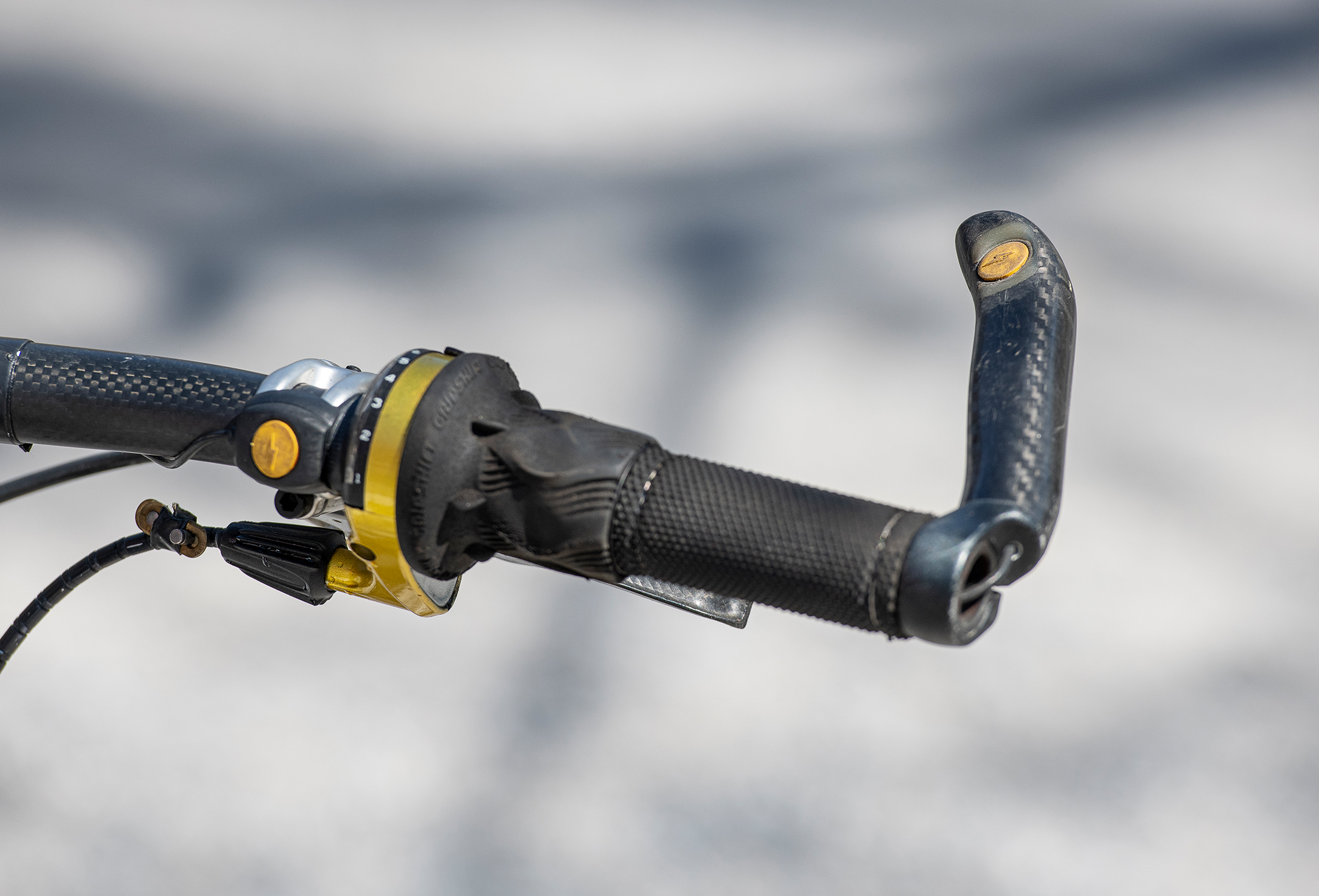
Another special feature of the carbon frame was the Flex-Stay rear triangle, which had already been used on the aluminum predecessor. Thanks to the flexible chainstay, the rear suspension had no pivot point. Combined with a DT Swiss damper, it offered 80 millimetres of suspension travel, which could be locked out at the rear with a flick of the wrist.This was not the case with Cannondale's own "Lefty" suspension system. This was not only ahead of the competition in terms of looks and suspension properties. Even back then, its 100 millimeter stroke could be locked electronically thanks to a small, lightweight motor from the Swiss company Maxonmotor from Sachseln.This locking mechanism was standard, but not the option of locking the suspension from the bar ends. Patrick Griessen inserted a shift button and wiring into the carbon bar ends and connected them to the main switch. He routed the cables internally through the handlebar end and led them from a small hole between the handlebar clamps of the stem to the locking mechanism on the fork crown.Inverted gear world
Sauser's Olympic bike shows just how much shifting trends have changed. While today a single, relatively small chainring at the front is sufficient and the cassette covers a huge range from 10 to over 50 teeth, back then it was the other way around.
Today, only a few high-end bikes have two chainrings at the front and a front derailleur. At the front, size 29 and 42 chainrings were standard for racers. Sauser made the chain jump with a Dura Ace derailleur from Shimano. At the rear, a 9-speed Sram cassette with 11-32 teeth was operated by Sram's X0 rear derailleur.
For the Olympic mountain bike race in Athens, Sram equipped 16 selected athletes with golden components such as Grip Shift twist shifters and a hollow-pin chain and cassette.
Lightweight stoppers
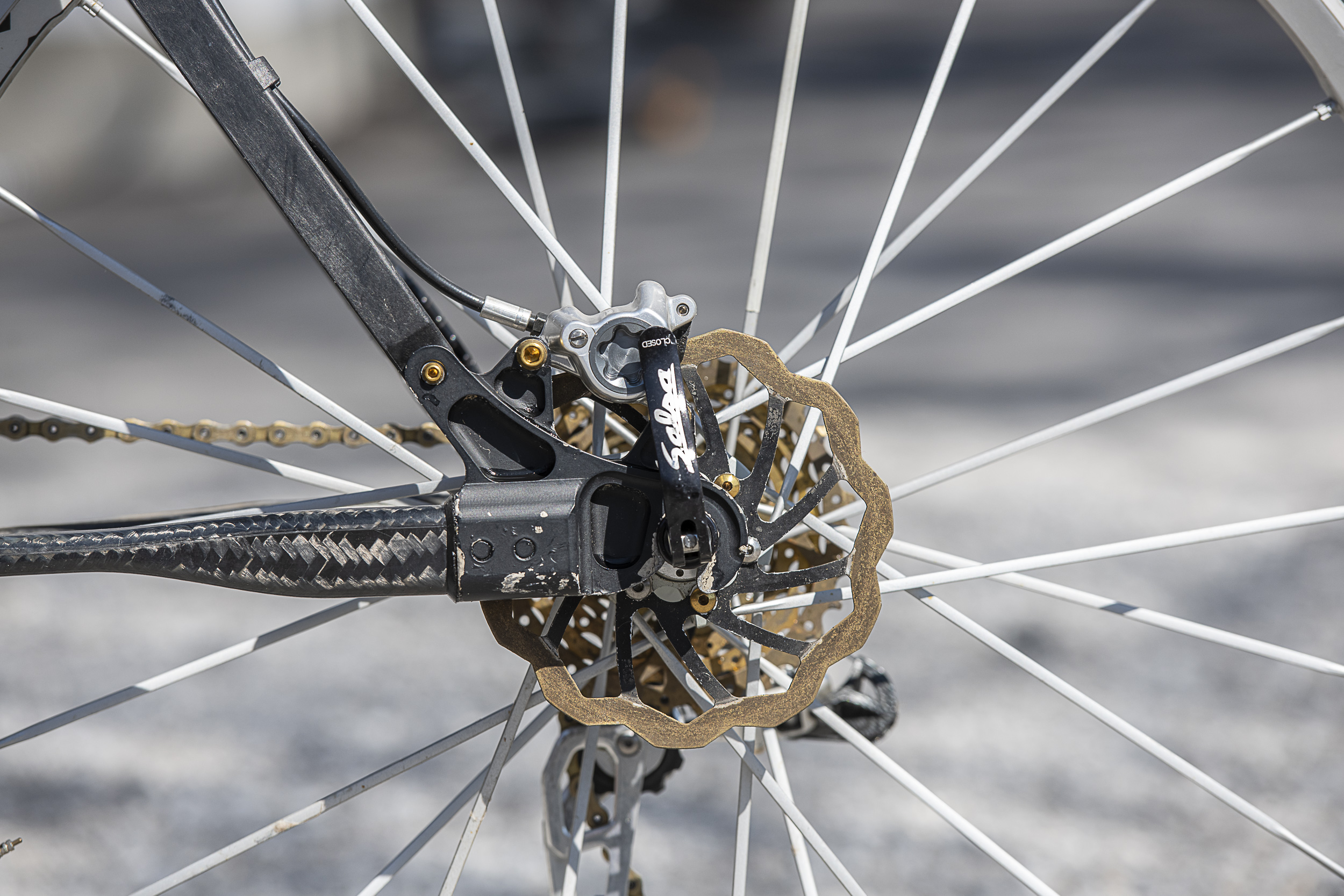
With the "Marta SL", the Swabian stopper specialists already had an extremely lightweight yet powerful disc brake in their portfolio. However, aluminum and titanium screws were not the only thing on the brakes where weight could be saved. Sauser opted for aluminum brake discs with a special coating. These weighed just over half as much as the steel discs normally specified, but the braking performance was also sufficient. It is all the more surprising that only a 140 mm brake disc was used at the rear.
No compromises
Even though everything on the Sauser Scalpel seems to have been slimmed down, he made no compromises when it came to ergonomics. For example, he steered his bike with a Syntace "VRO Ultralite Carbon" handlebar. The reason for this choice was that Syntace was the only manufacturer at the time to offer handlebars with a twelve-degree backward crank. This crank corrected the hand position, which resulted in less fatigue. At 580 millimetres, however, the handlebar width was significantly narrower back then than it is today. Fizik's Gobi saddle was also standard on Sauser's racing bikes for several years.
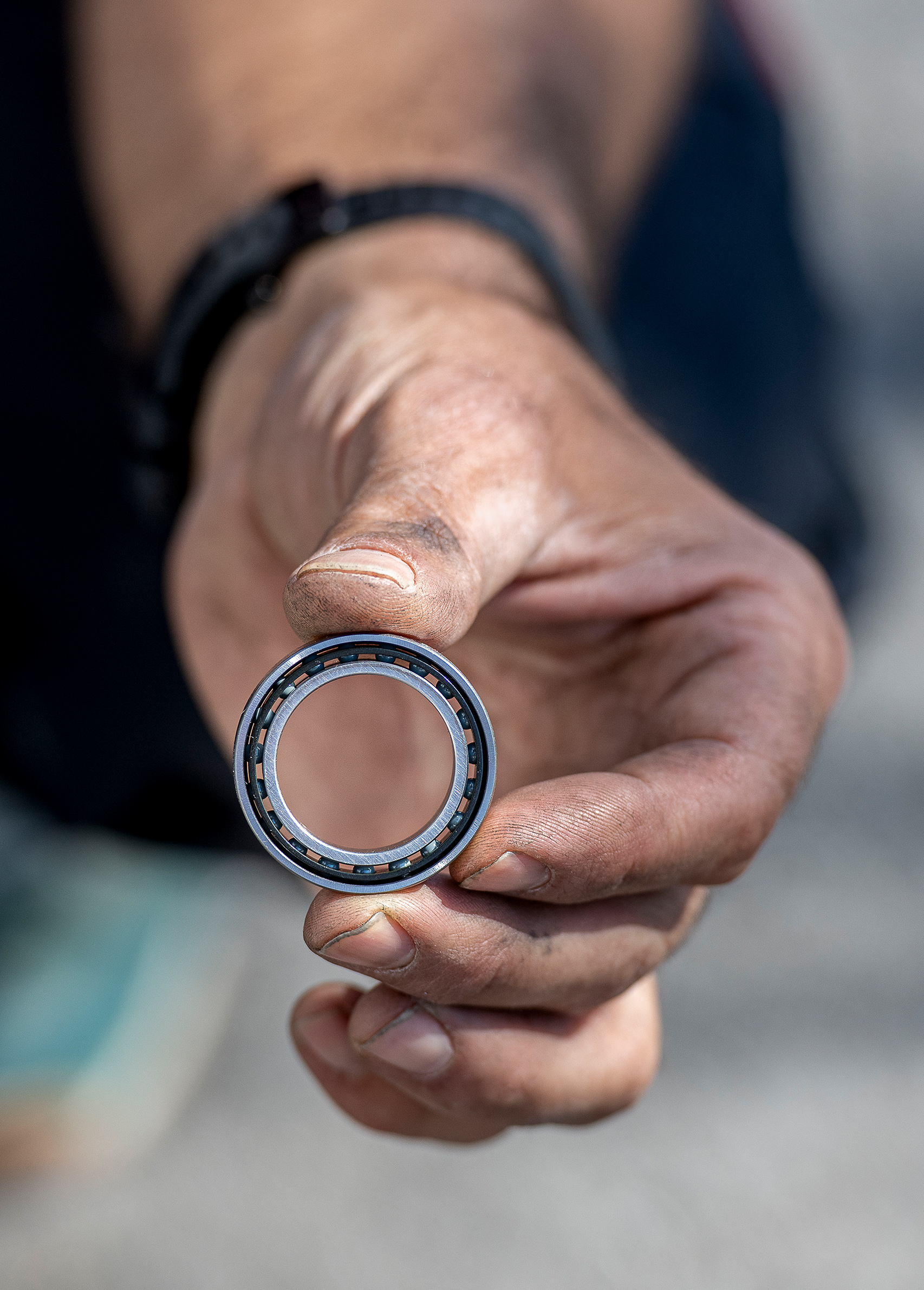
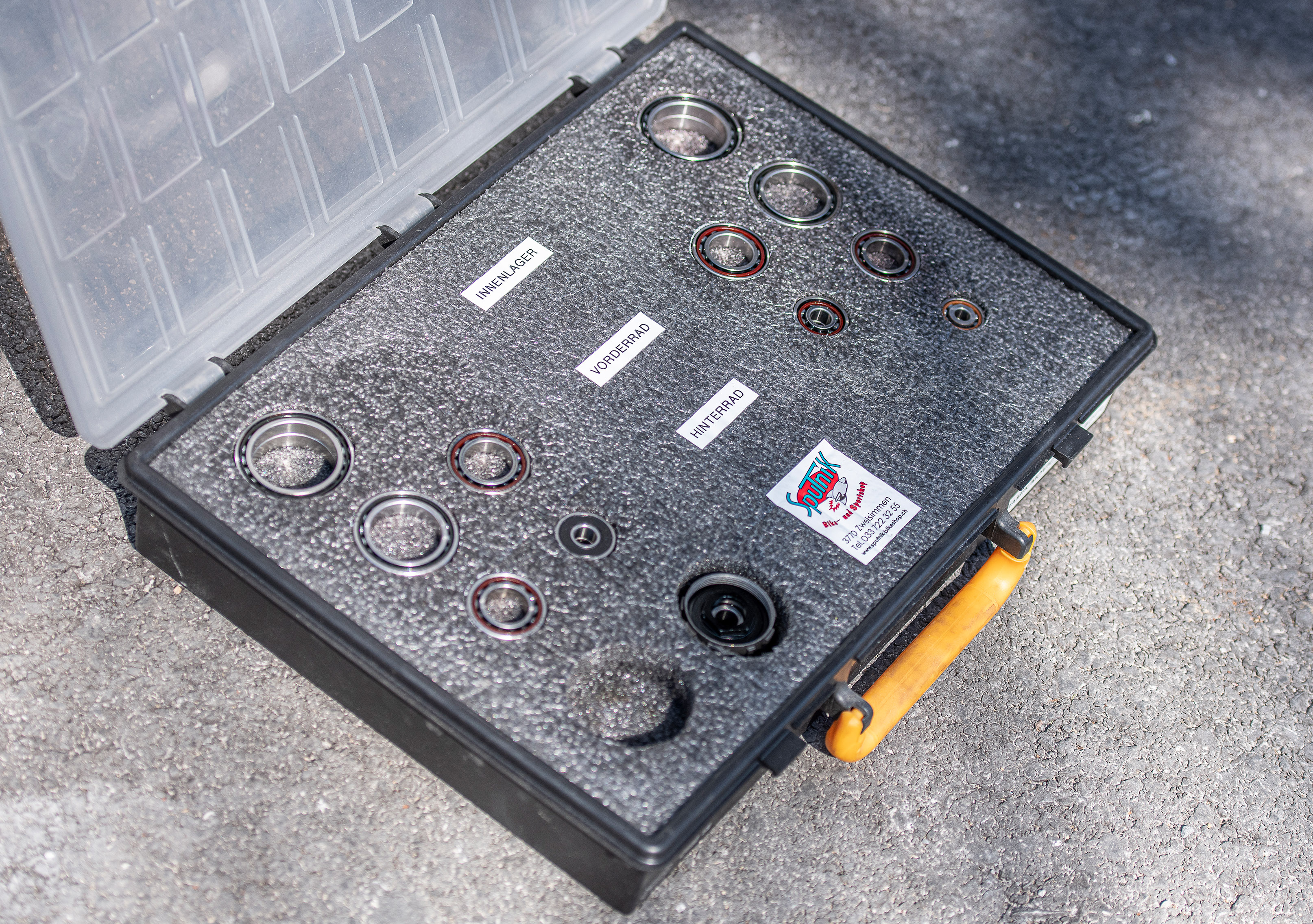
Mavic's Crossmax SL was used for the wheels. These were the benchmark among wheels at the time. For the races, however, they were modified to run smoothly with unsealed ceramic bearings. In training, however, Sauser only rode with standard bearings packed with grease. Mavic rims were fitted with Hutchinson's classic Python tires in 26x2.0 inch. Christoph Sauser rode this tire profile in practically all weather conditions. At the races, however, the heavy tubeless versions remained in the cellar. Instead, the light models had to be used, sealed with tire repair foam.
Incredible change in technology
The Cannondale team was the dream team of many athletes at the time, not least because of the bikes. The suspension fork - although technically not a fork - was and still is revolutionary and its electronic locking system was way ahead of its time. The gear ratio on the other hand - a 32 sprocket at the rear? Today, smaller sizes are used as a single chainring and rear sprockets with around 50 teeth.
Apart from the wheel size, the geometry has also changed considerably. Although the seating positions are still similar, the bikes have become more elongated under the rider. Tires, rims, axles and handlebars have become wider, and the suspension travel sometimes exceeds the hundred millimeter limit. Today, good downhill characteristics are also in demand: smooth running and stability as well as versatility, instead of just as little weight as possible and a maneuverable bike.
What the Olympic bikes will look like in 2036 is still open to speculation.
Note: This content has been automatically translated from German. Please report any incorrect translations.