

World Cup review, World Cup preview and what Corona has to do with it
Young, fast and consistent
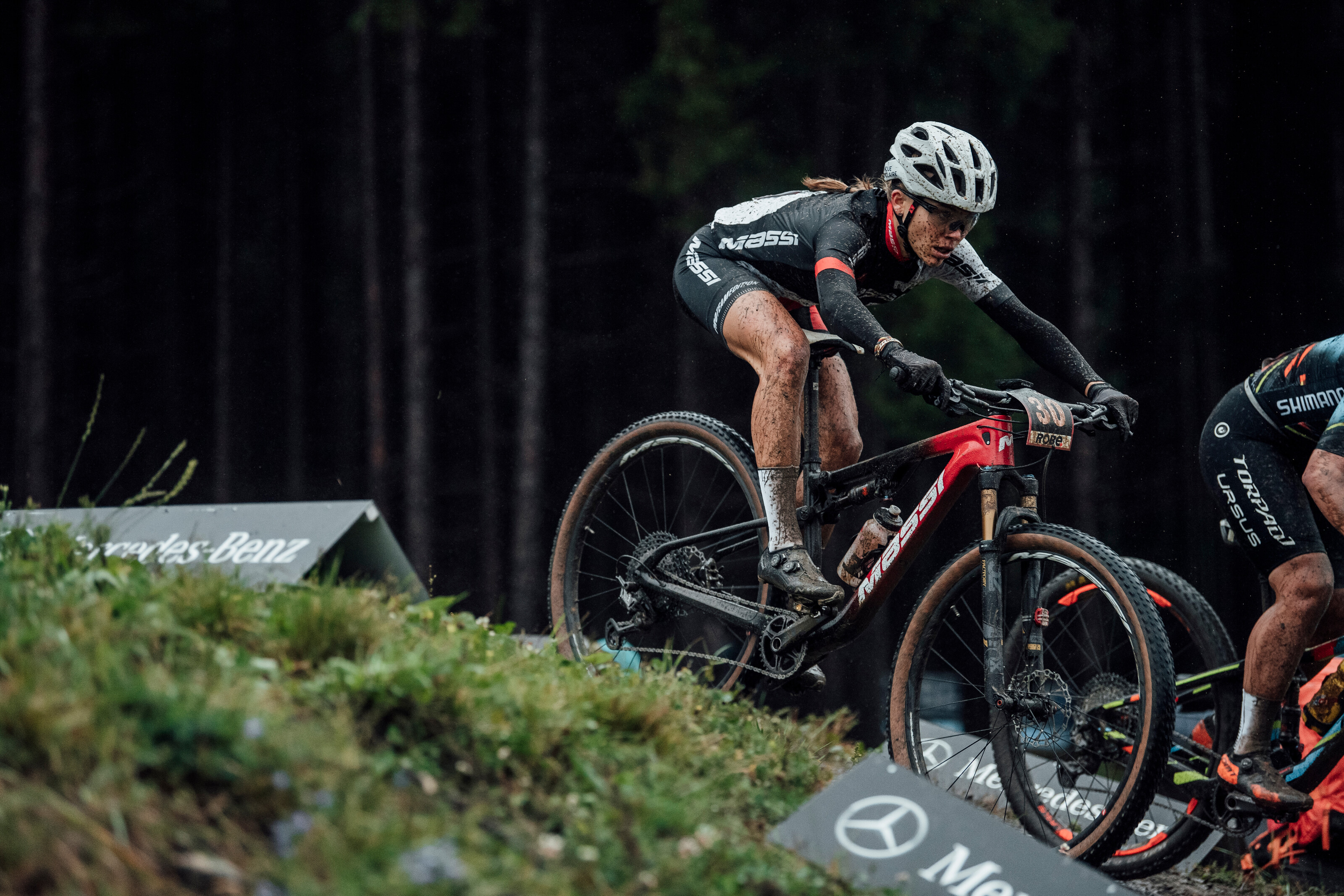
Loana Lecomte, Evie Richards and Laura Stigger in the women's race, Simon Andreassen, Milan Vader, Max Brandl, Jose Ulloa and Filippo Colombo in the men's race: for once, it wasn't the old hands who dominated the World Cup opener. It was refreshing to see how the young riders suddenly dominated the racing action in the short track and cross country - to a small extent with a little youthful recklessness, but above all with tactical flair, good power management and courage.
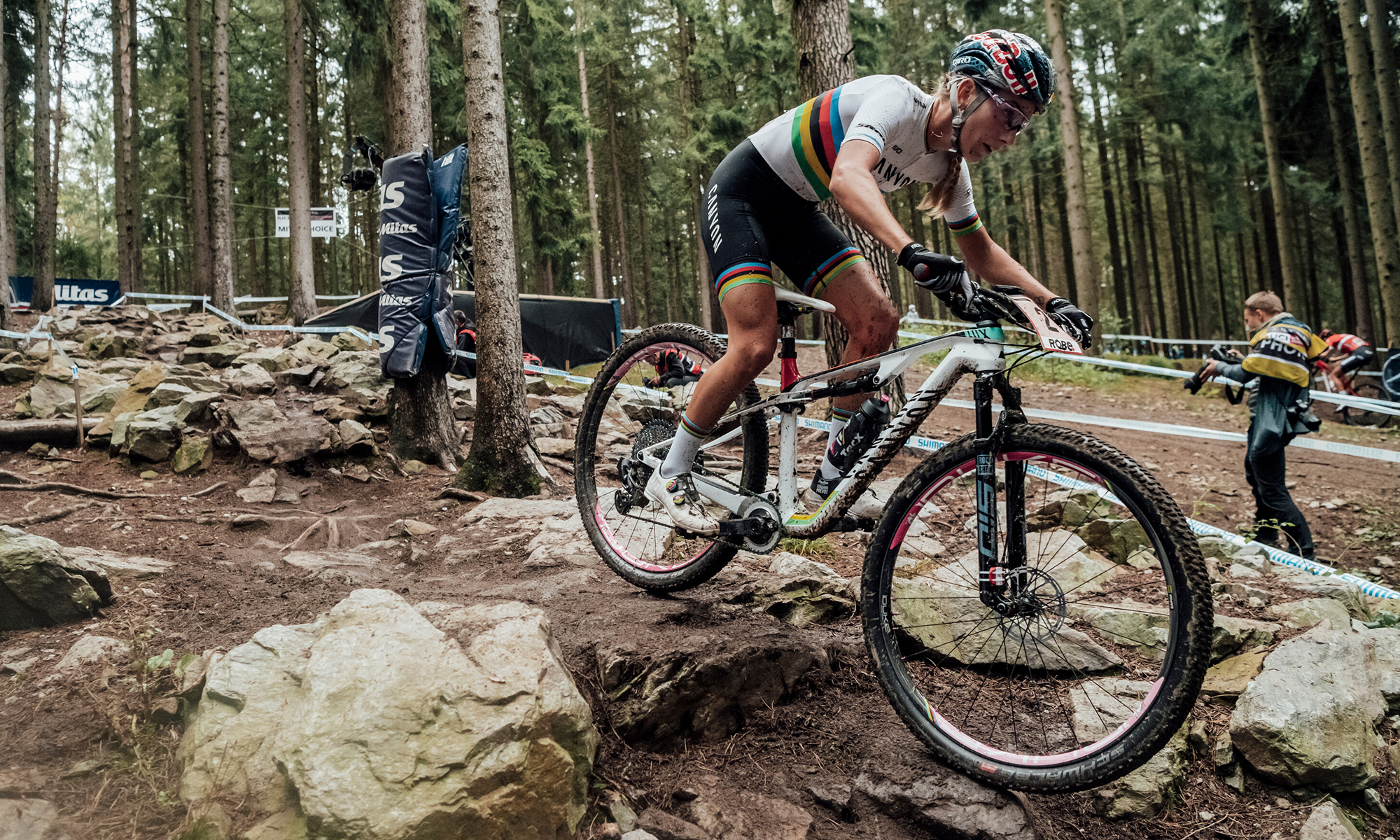
While the first rounds of short track and cross country were completely dominated by the boys, the experienced riders were shaken up in the second round, but the boys didn't go away. The two U23 riders Loana Lecomte (FRA) and Laura Stigger (AUT) surprised everyone in the elite category with their consistent performances. Too bad, the two are riding in the U23 category again at the World Championships. But Evie Richards also surprised not only with her two short track victories, she also finished in the top 10 twice in cross country in her first elite year.
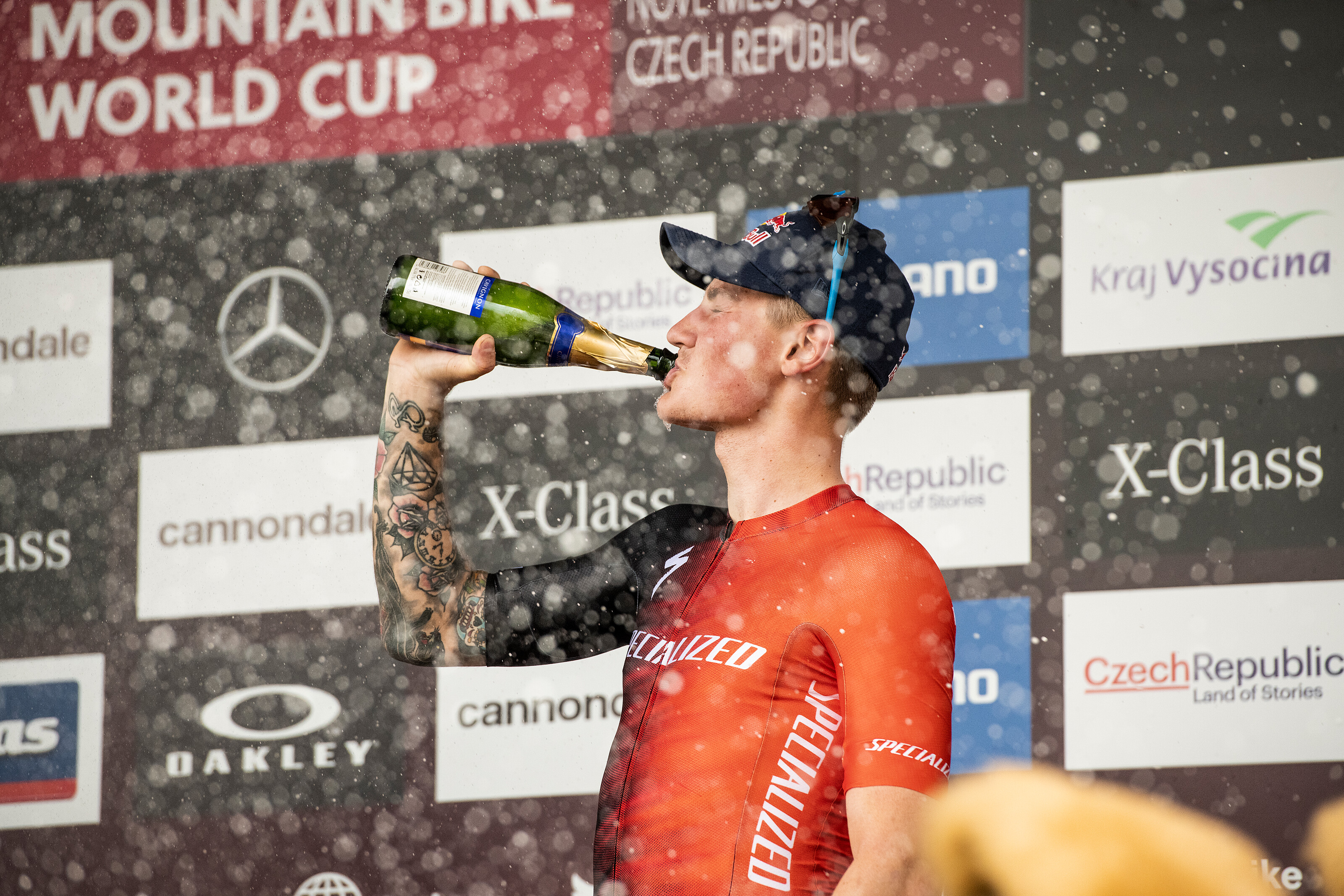
The same for the men: Simon Andreassen's victory in the first Cross Country World Cup was certainly the big surprise - also because the Dane had to start from midfield. He was then also allowed to compete in the short track at the second World Cup, where he rode to eighth place, and 13th place in the cross country on Sunday. This placement does not seem particularly spectacular, but this performance is very impressive in this densely packed starting field.
This jump is all the more astonishing for the Danish champion, as during his U23 years he did not give the impression that he could quickly gain a foothold at elite level. Now he has proved all critics wrong.
Corona and the racing psyche
Four races in six days is a tough program at this intensity, which can only be compared to stage races to a limited extent. However, the fact that the body is challenged almost every day is very similar. If you put your fingers on the pulse, the older, more experienced riders have an advantage. This is because the physical training of young racers is often not yet so advanced as to be able to deliver such performances over several days.
The reasons why the U23 and U23 graduates in particular have given the established pros such a run for their money are therefore not just to be found in their physical condition.
While young athletes tend to cope better with shorter competitions than long races such as marathons, they probably cope with other "stresses" much better than their more experienced colleagues - the corona break.
Of course, it could also be down to training, but if a conspicuous number of young athletes return to the World Cup so strongly after a year off, the following theory is obvious. Older, experienced racers have stored many seasons in a similar pattern in their subconscious. The more there are, the more difficult it is to break out of this pattern. Young drivers, on the other hand, are hardly "used up" in this respect. Their subconscious reacts far more flexibly to such drastic changes in the racing calendar.
The fact that the second World Cup in Nove Mesto was once again dominated by more experienced athletes confirms the theory. After the first World Cup, the mental stimulus matched the patterns in the subconscious again.
The World Championships for the youngsters
Thanks to the two World Cup races in the run-up, Saturday's cross-country races should also be very exciting - despite the larger time gaps that could occur in the women's race.
Loana Lecomte will certainly be at the forefront, but she will have nothing to do with the outcome of the elite race. At the age of 21, she has to ride in the U23 category at the World Championships, and the title will certainly go to her. With Laura Stigger, the Frenchwoman has probably lost her fiercest rival. The Austrian will have to forgo the start as she is suffering from a stomach bug.
And the Swiss women? While Sina Frei and Alessandra Keller were still out of reach of the top in Nove Mesto, this could also change. The course is still in poor condition, which could benefit the strong technicians, as well as Evie Richards from Great Britain and her Swiss team-mate Jolanda Neff. If she is back to full strength after her cold, Neff can be trusted to do anything.
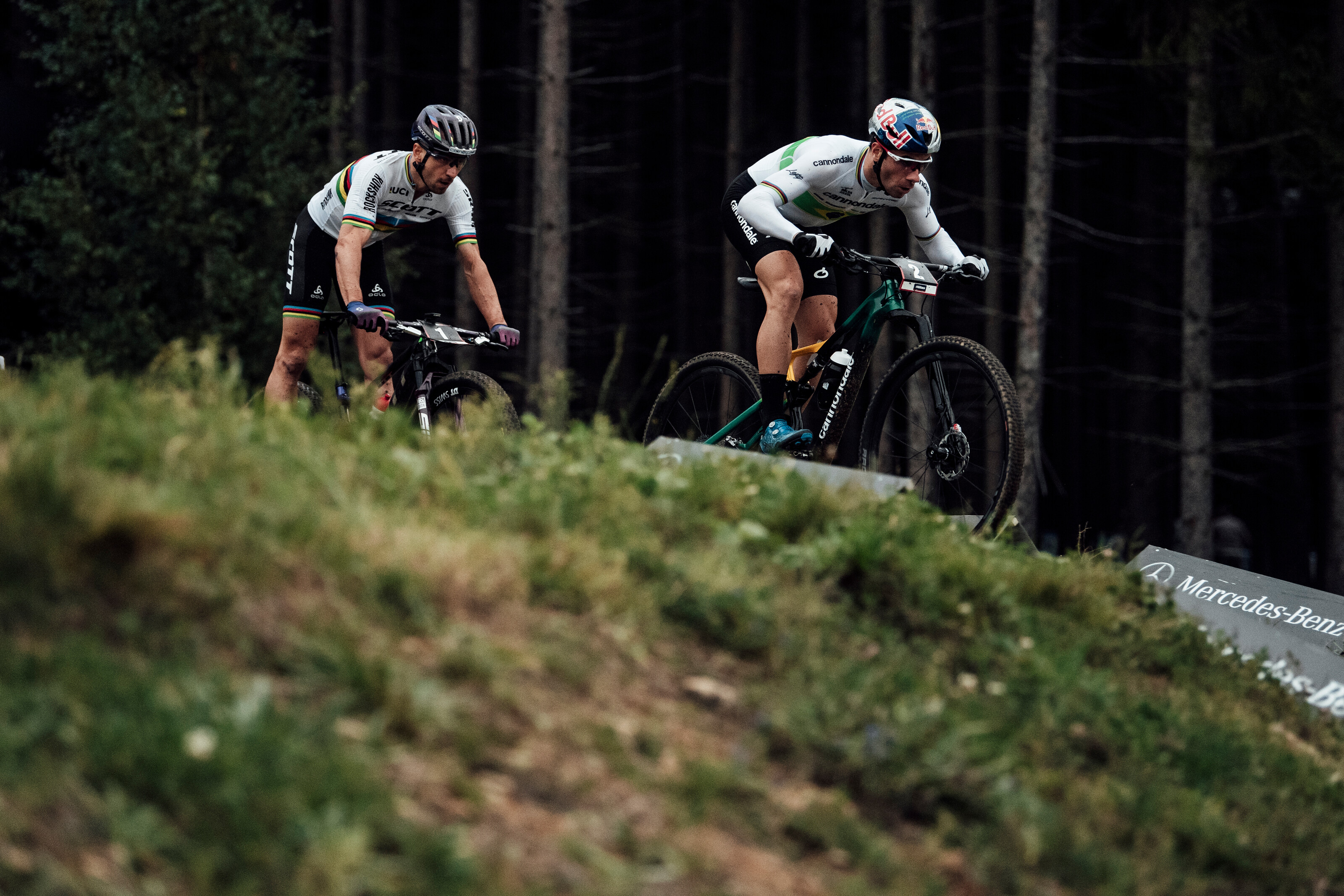
The youngsters are actually likely to play a bigger role in the elite men's race than in the women's race. With Simon Andreassen and Milan Vader, two youngsters have underlined their podium chances and Alan Hatherly (RSA), Maximilian Brandl (GER) and Filippo Colombo (SUI) could also be good for a surprise.
But as already mentioned, the veterans are awake. So the bill will by no means be settled without them. Alongside defending champion Nino Schurter, Henrique Avancini (BRA), Maxime Marotte, Jordan Sarrou and Victor Koretzky (all FRA), as well as the Swiss Mathias Flückiger, Lars Forster and Thomas Litscher, there is a whole load of "big dogs" on the start line who could have more than just a word to say at the front.
Further content on this article
Note: This content has been automatically translated from German. Please report any incorrect translations.