

Cannondale's Lefty gets even more rad

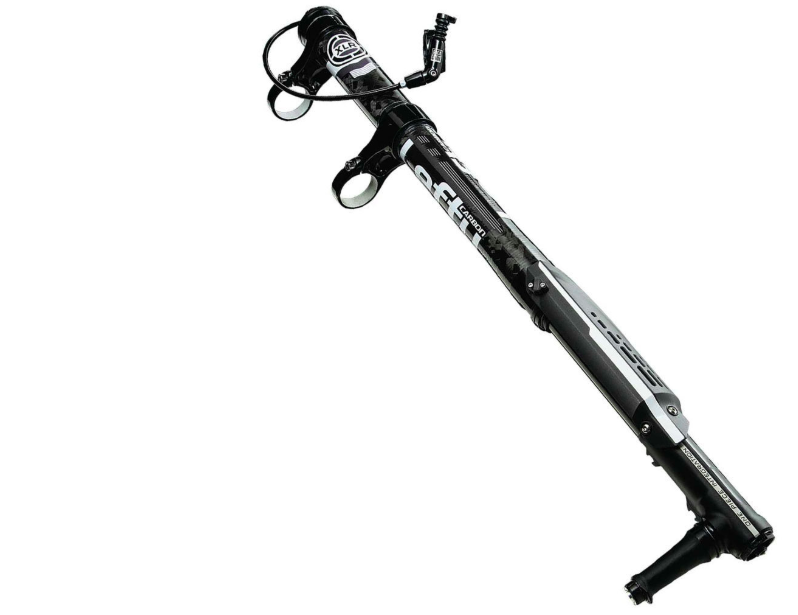
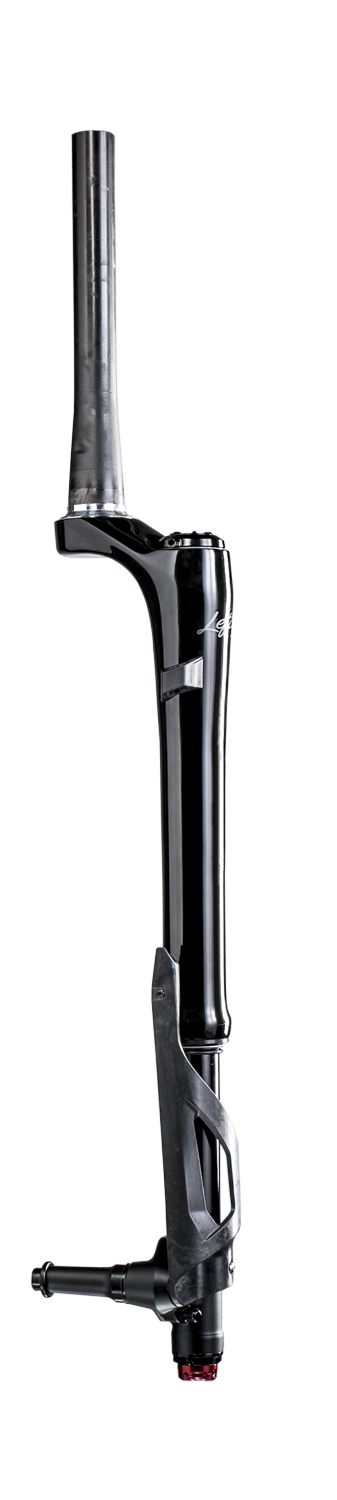
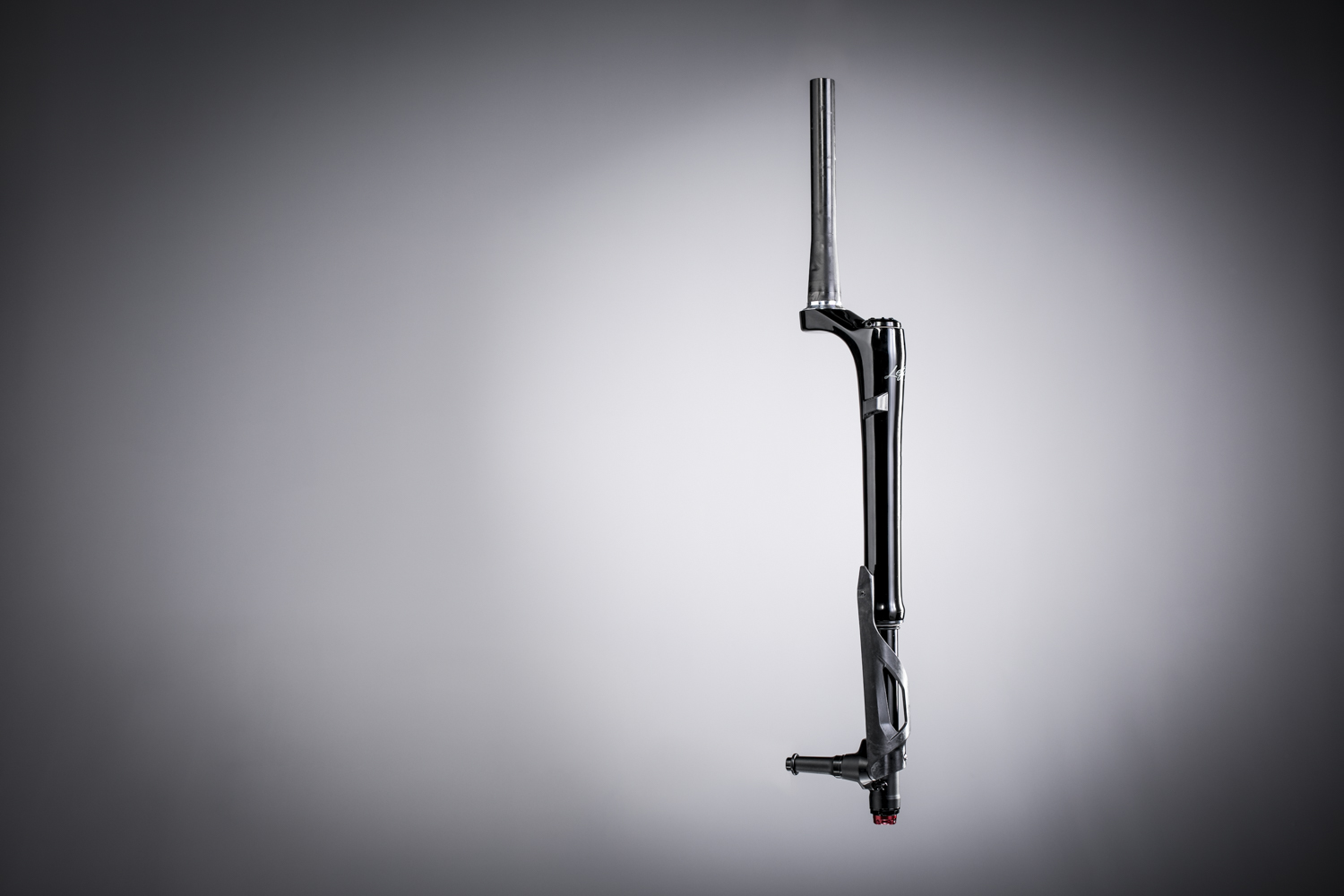
Lefty Ocho: The Spanish eight defines the next evolutionary stage of Cannondale's in-house and idiosyncratic suspension fork. The single-arm design, which has now been on the market for 18 years, has always divided and polarized the paddock. Either you love it, or you just don't like it at all. The one-sided wheel suspension breaks with the traditions of bicycle construction, which are mainly based on symmetry. Consider the suspension of a wind turbine, a wheel on a car or some motorcycle rear wheels: It's the most normal thing in the world for a wheel to be bolted to one side, except on a bicycle.
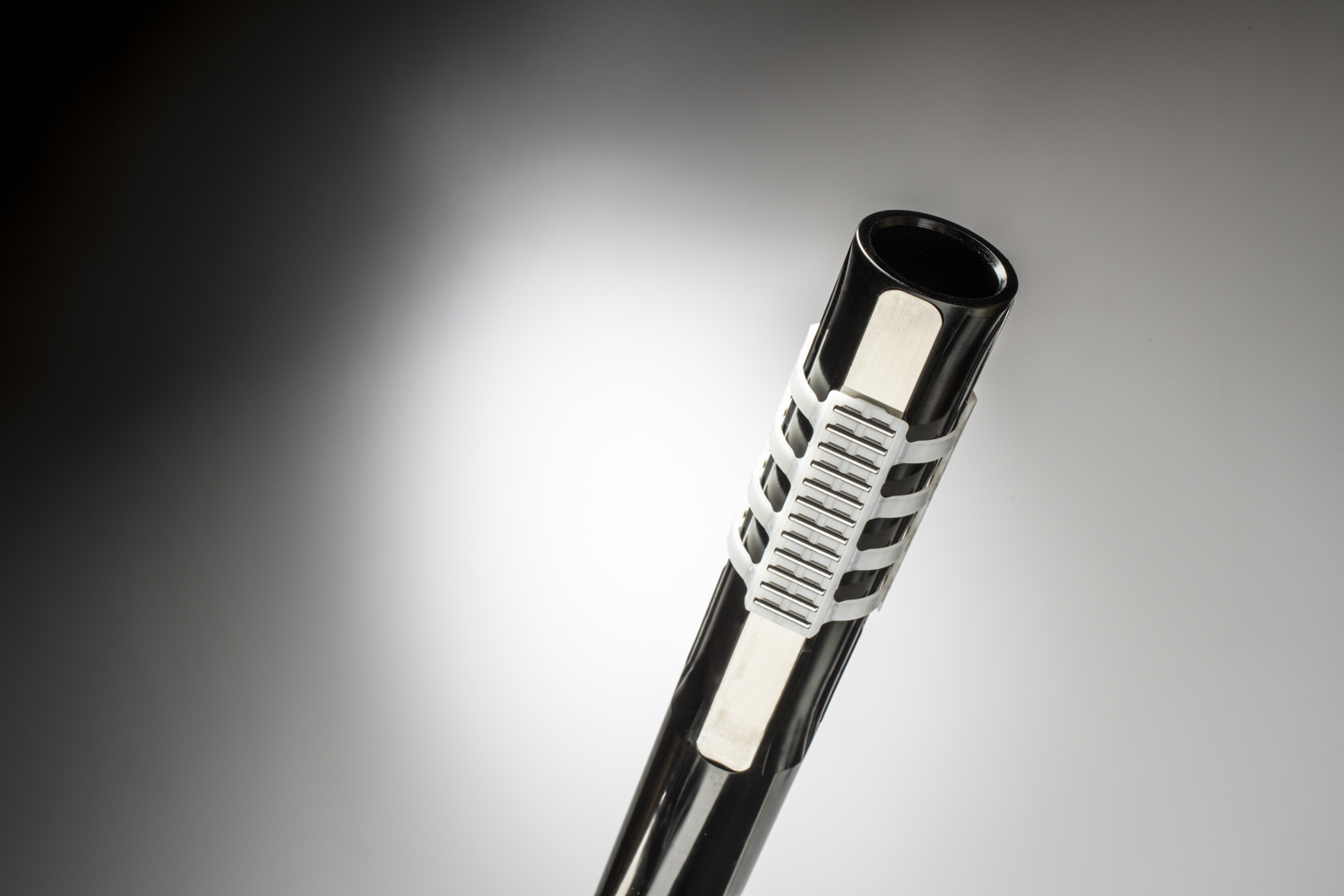
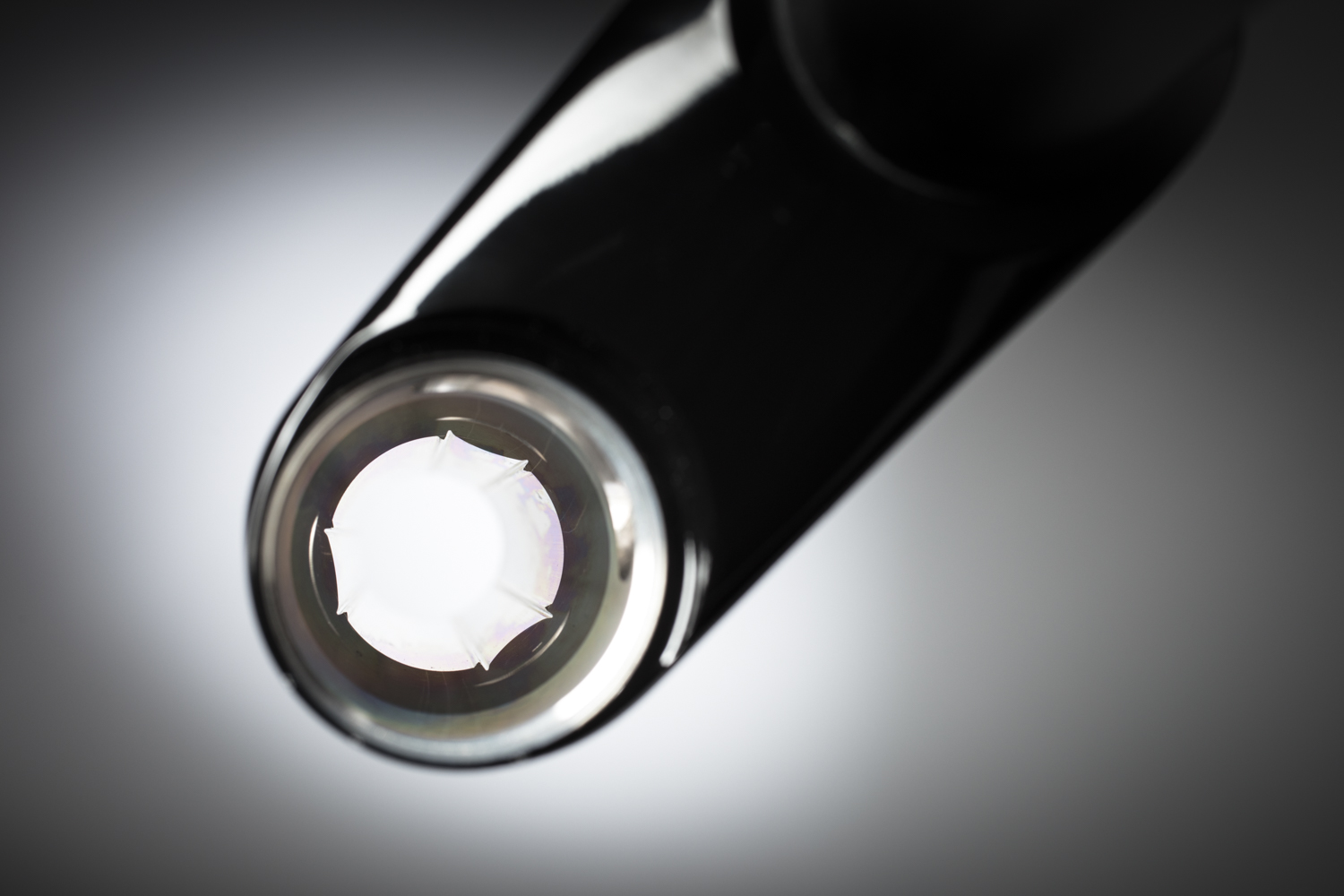
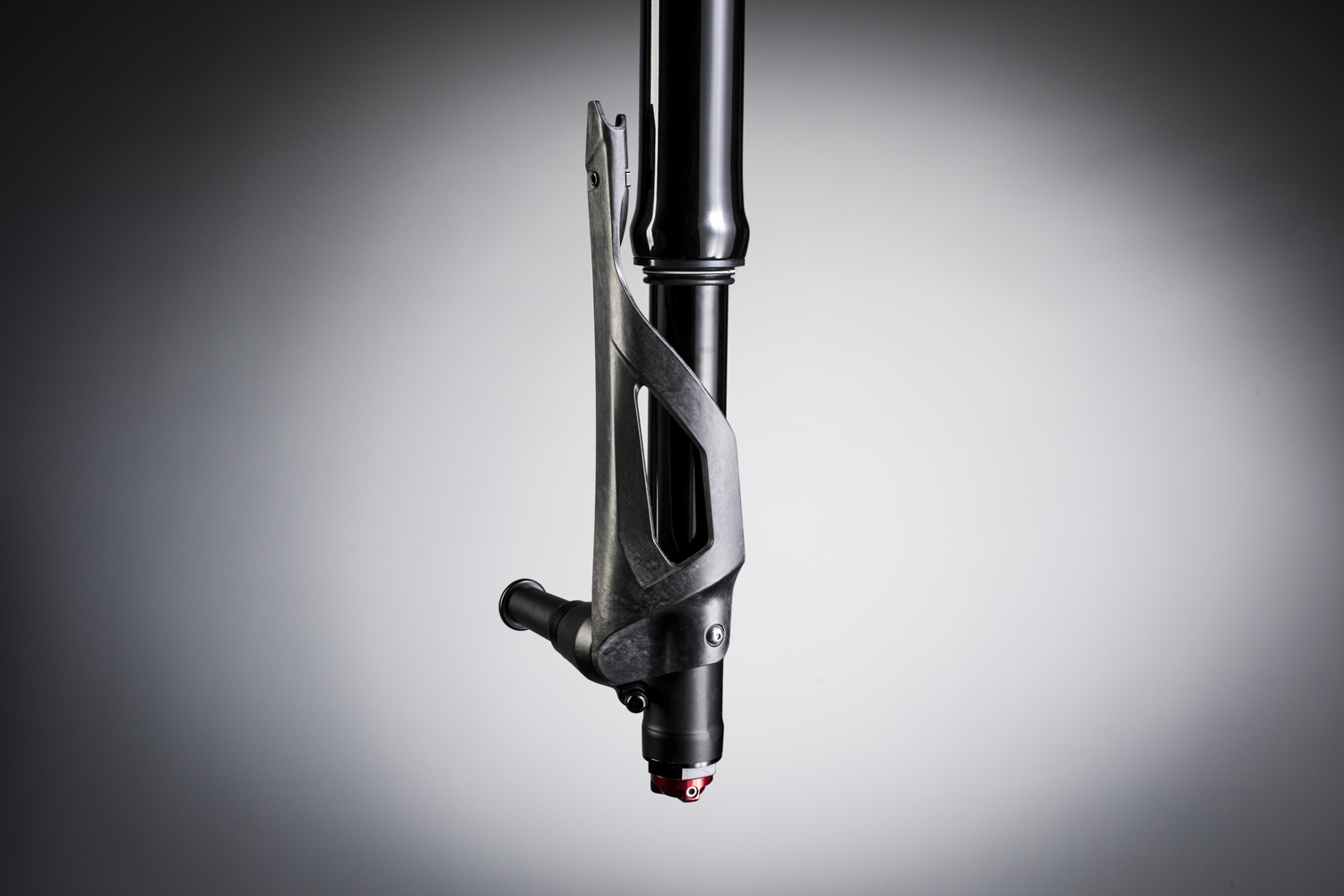
The heart of the Lefty is and remains the support with needle bearings, which enable a sensitive response and uniquely high torsional rigidity. The engineers have now eliminated one of the Lefty's shortcomings: the inner workings of the needle bearings have been redesigned to prevent the needle bearings from moving and to reduce the need for a reset, meaning the fork requires significantly less maintenance.
Adieu double bridge
With the Lefty Ocho, Cannondale is breaking with a tradition that has lasted since its introduction: the double crown is gone. The fork now has a conventional, tapered head tube. This saves weight - and presumably also opens up the market for the unconventional fork. Until now, adapters had to be fiddled around with in order to install the fork in non-Cannondale frames.
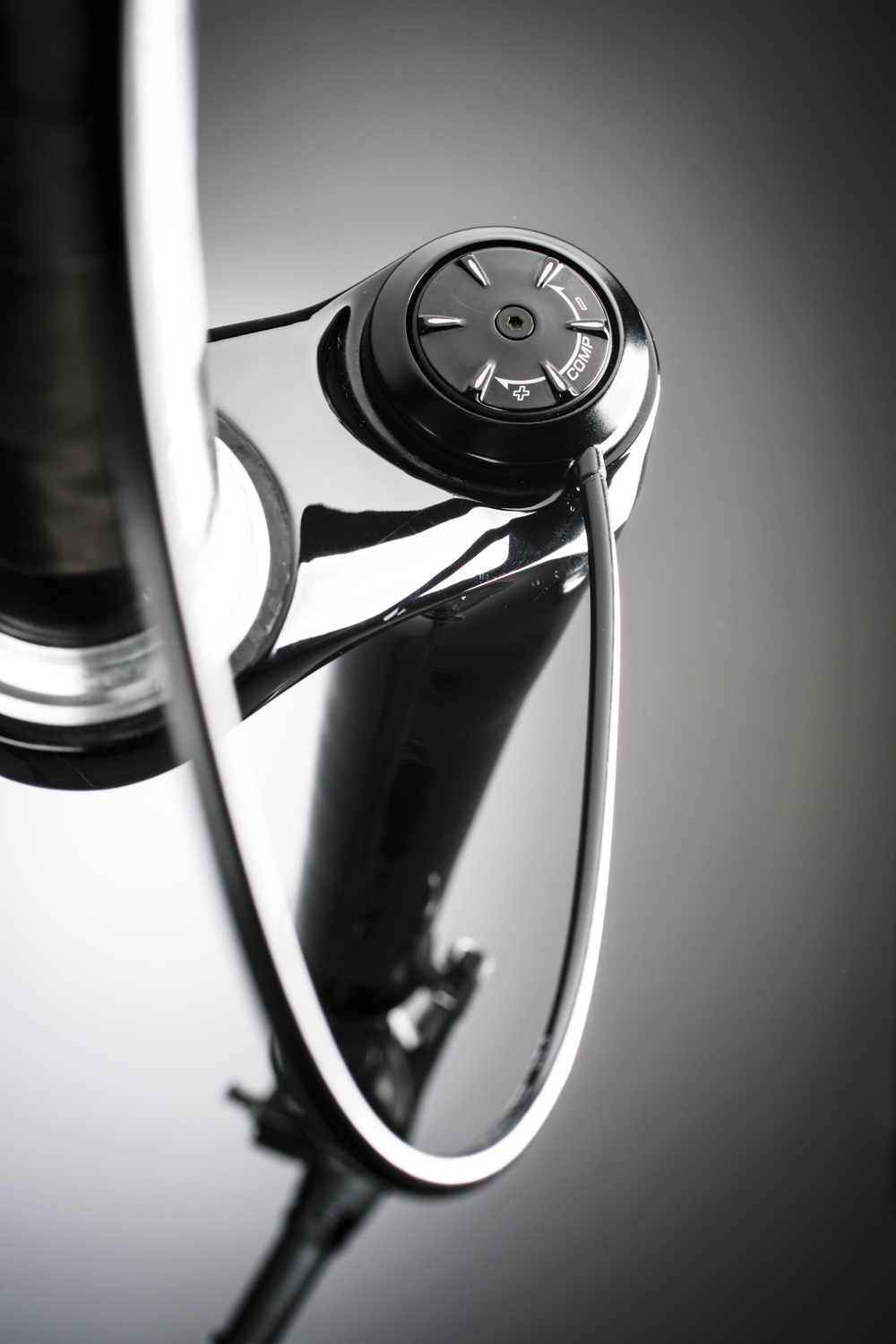
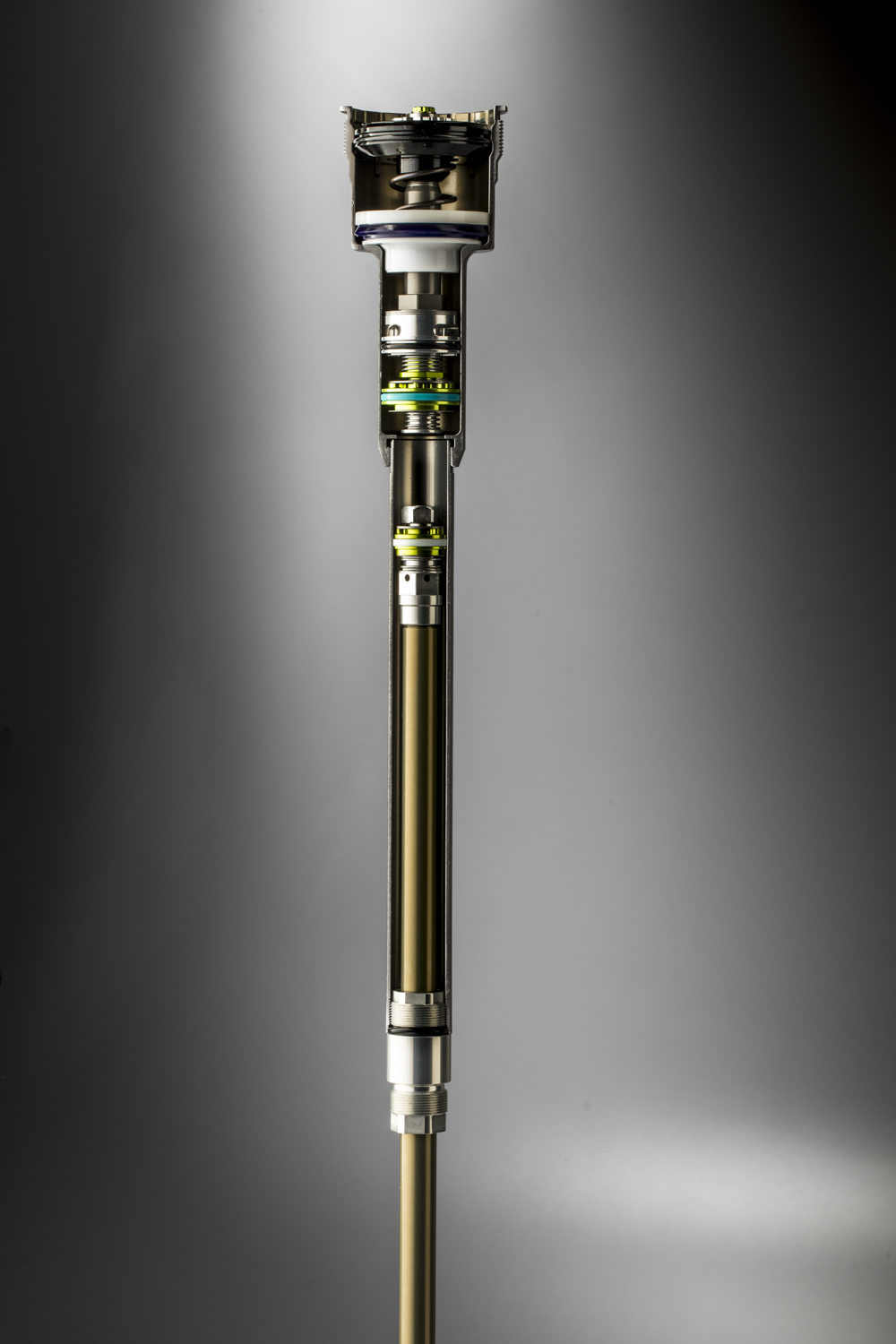
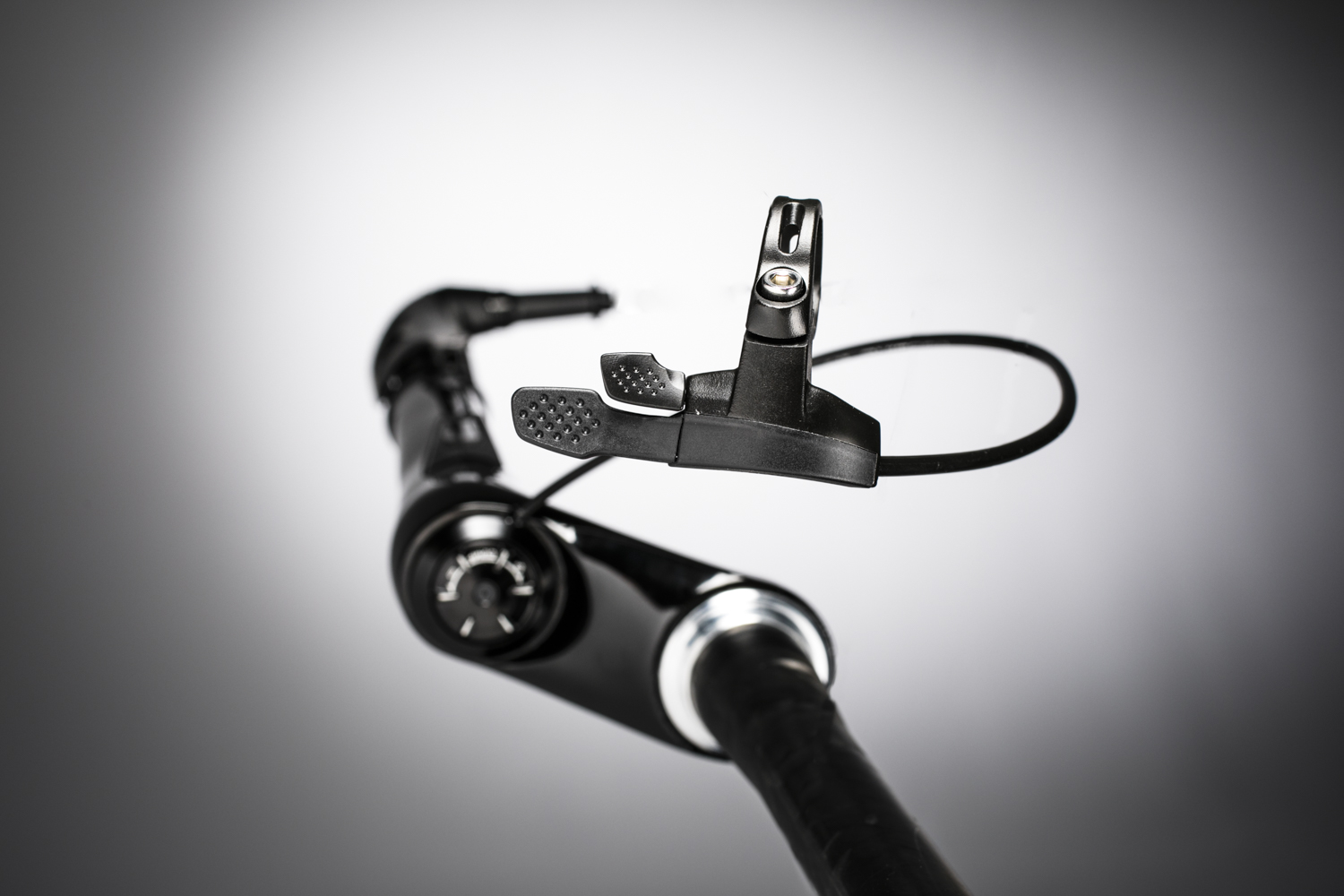
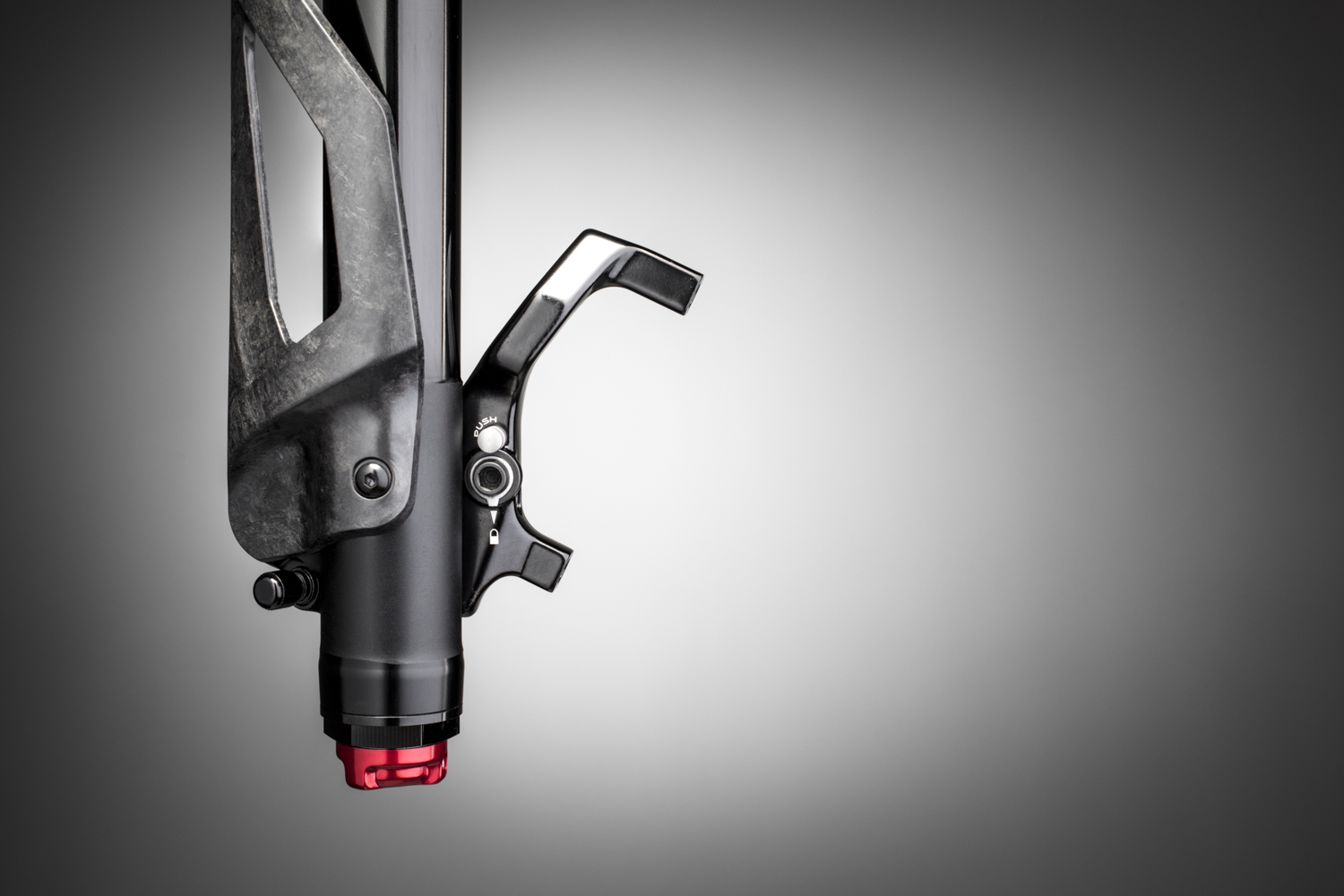
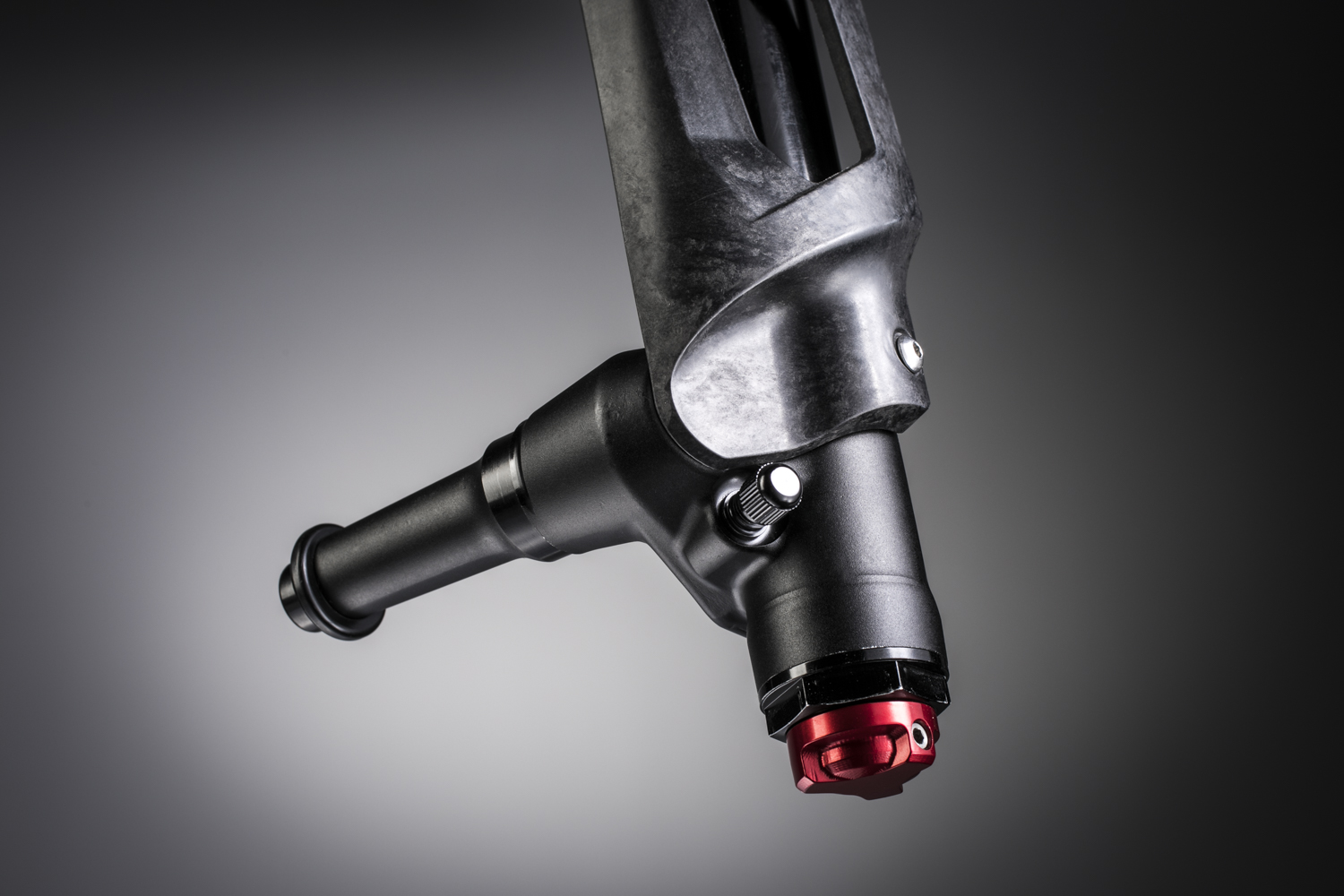
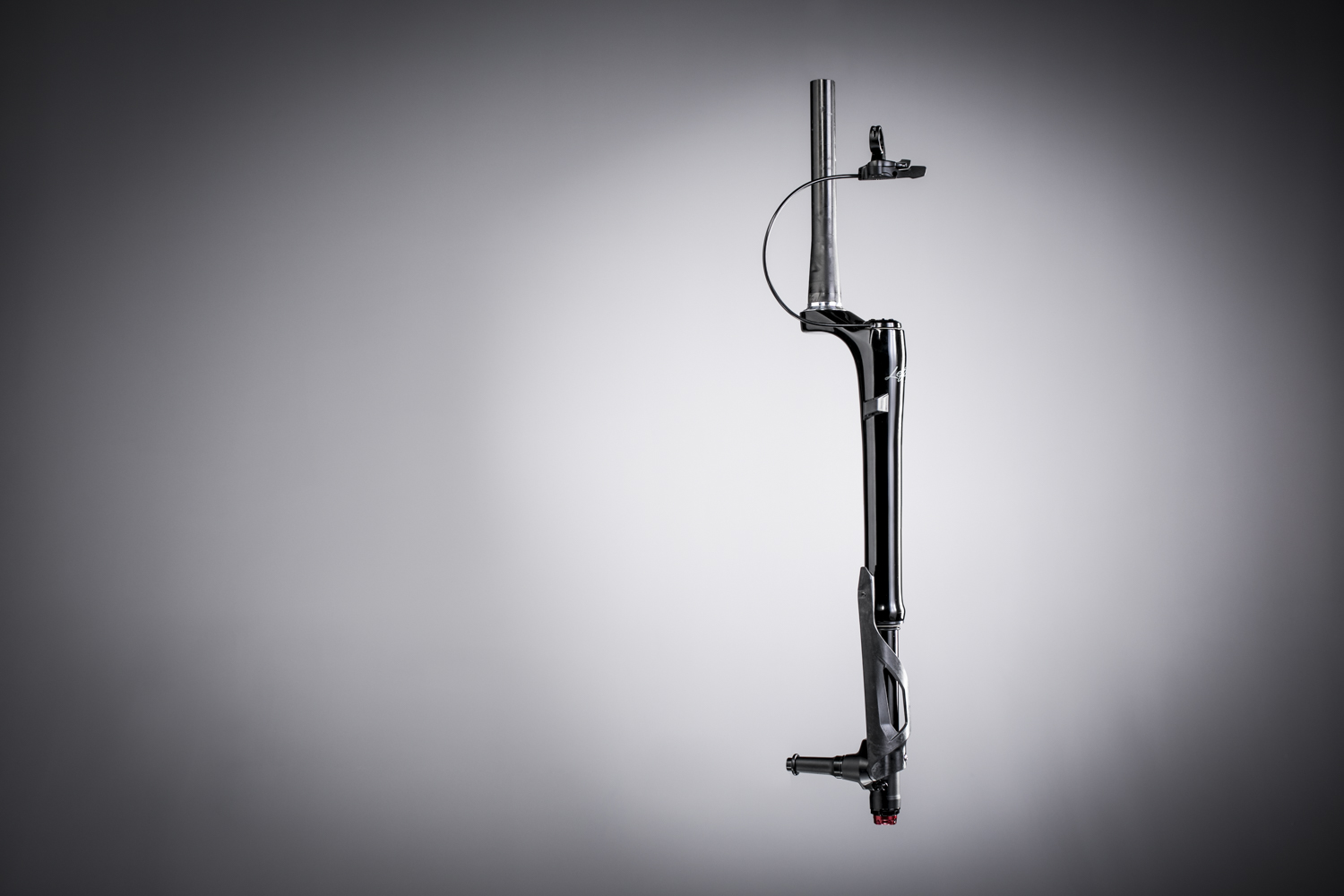
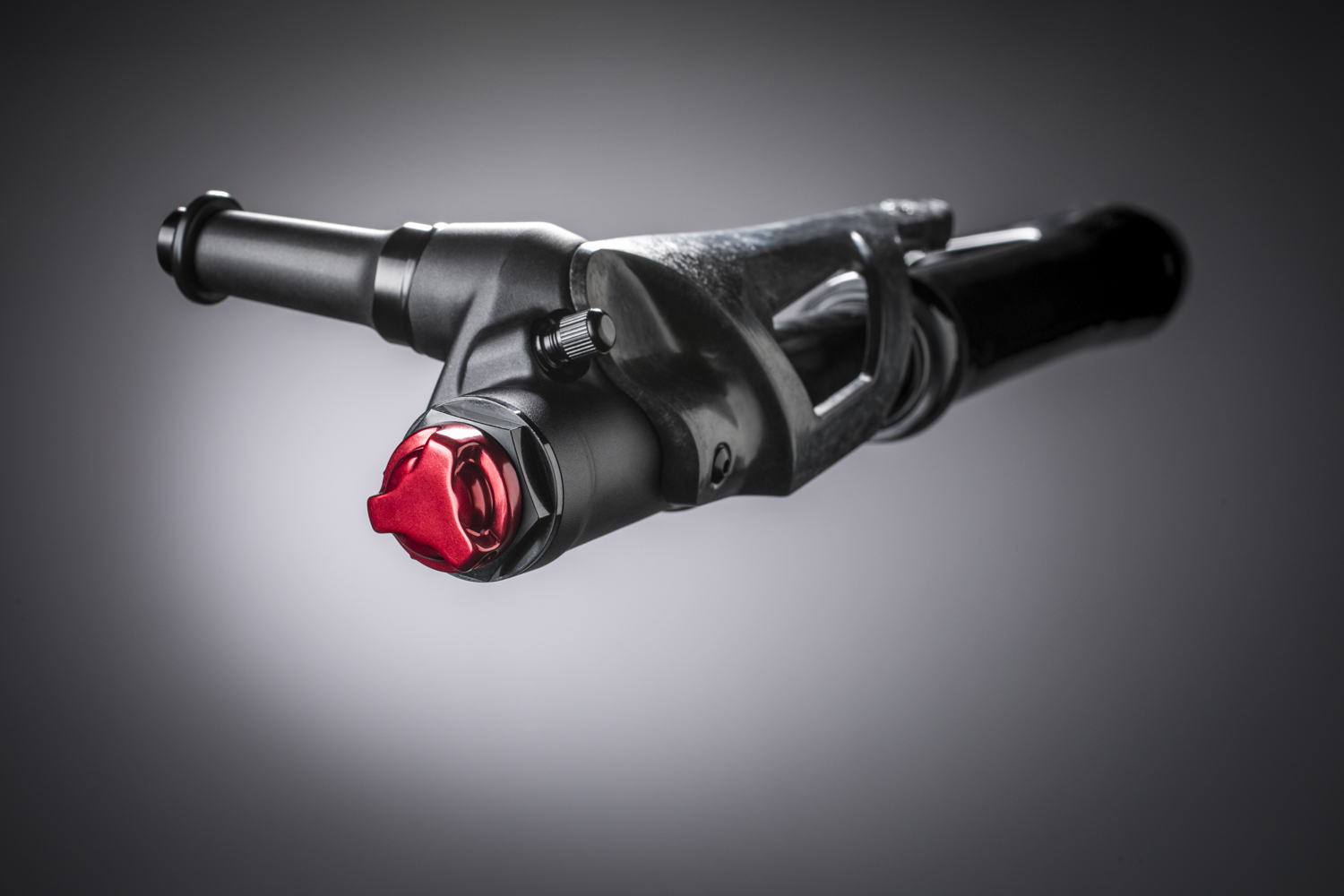
Detail work has also gone into the Ocho: the air valve is now located on the side. This makes it easier to adjust the air pressure, and any leaking oil can no longer contaminate the brake disk. Gone are the somewhat annoying times of hydraulic lockouts, which were prone to failure; a cable-activated lockout is now on board. Work has also been done on easy wheel removal, as the brake calliper on the Lefty has to be swung away from the rotor to remove the wheel. All that is now required is a 5 mm Allen key and pressing a safety button and the brake calliper releases the front wheel for removal.And, very importantly, the weight of the Lefty Ocho. This has slimmed down by around 250 grams compared to its predecessor and weighs 1,446 grams in the carbon version and 1,735 grams in the aluminum version. This makes the Fox 32 Stepcast a tick lighter at 1,327 grams, while the Rockshox SID Worldcup is one mark heavier at 1,530 grams. In addition to the sheer weight, Cannondale's other specifications are interesting: the Lefty has a 141 percent lower breakaway torque and 75 percent lower friction in suspension mode than the Fox 32 and Rock Shox SID due to the clever, unique design with three needle bearing surfaces.
And last but not least: The Ocho is compatible with 27.5" and 29" forks and offers 100 millimeters of travel. A unit price is not yet known, as the fork is currently only available in complete bikes - from around June. We're talking about the new Cannondale F-Si hardtail, more on that here shortly.
Note: This content has been automatically translated from German. Please report any incorrect translations.