

How do you make an (almost) perfect hub even better?
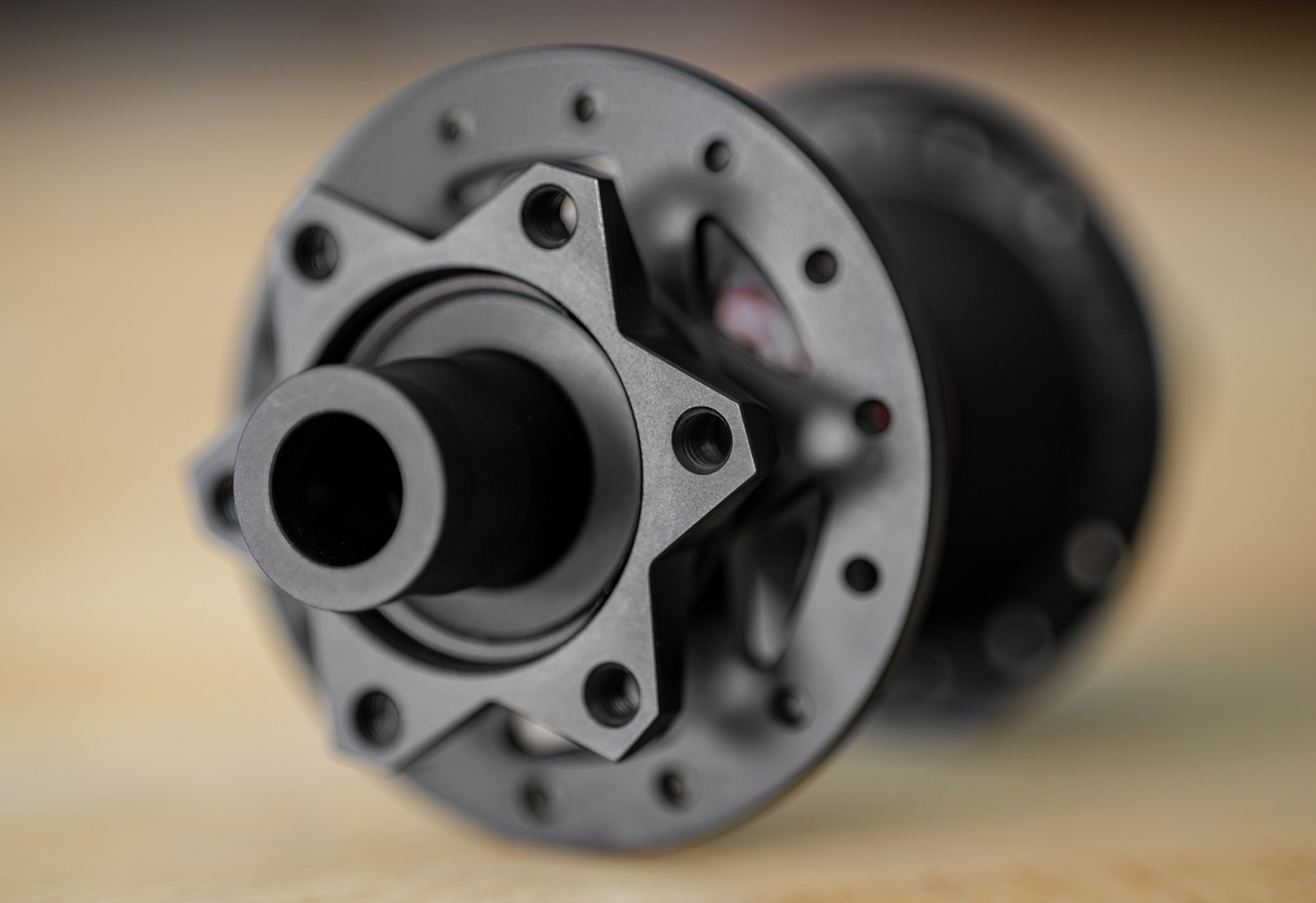
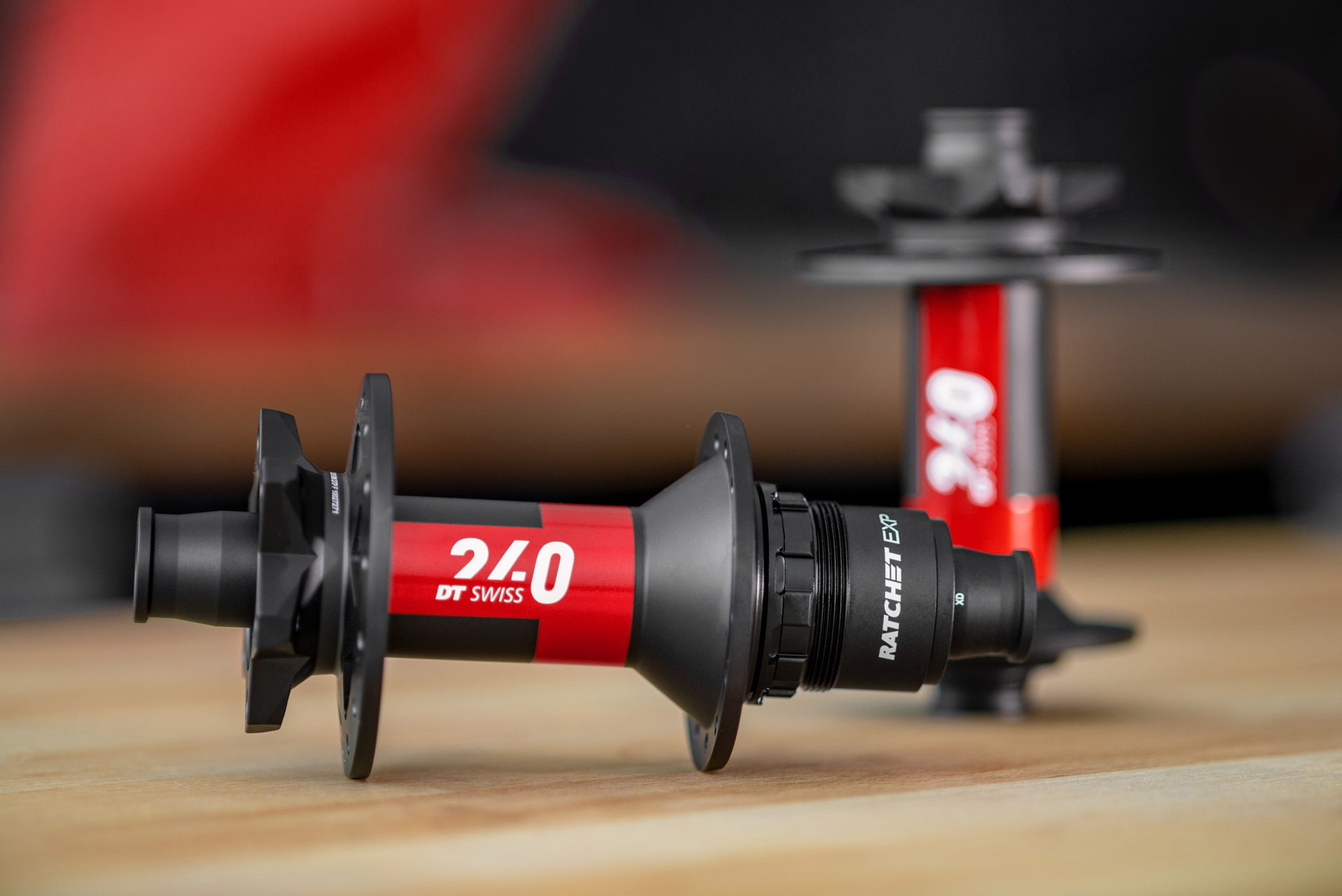
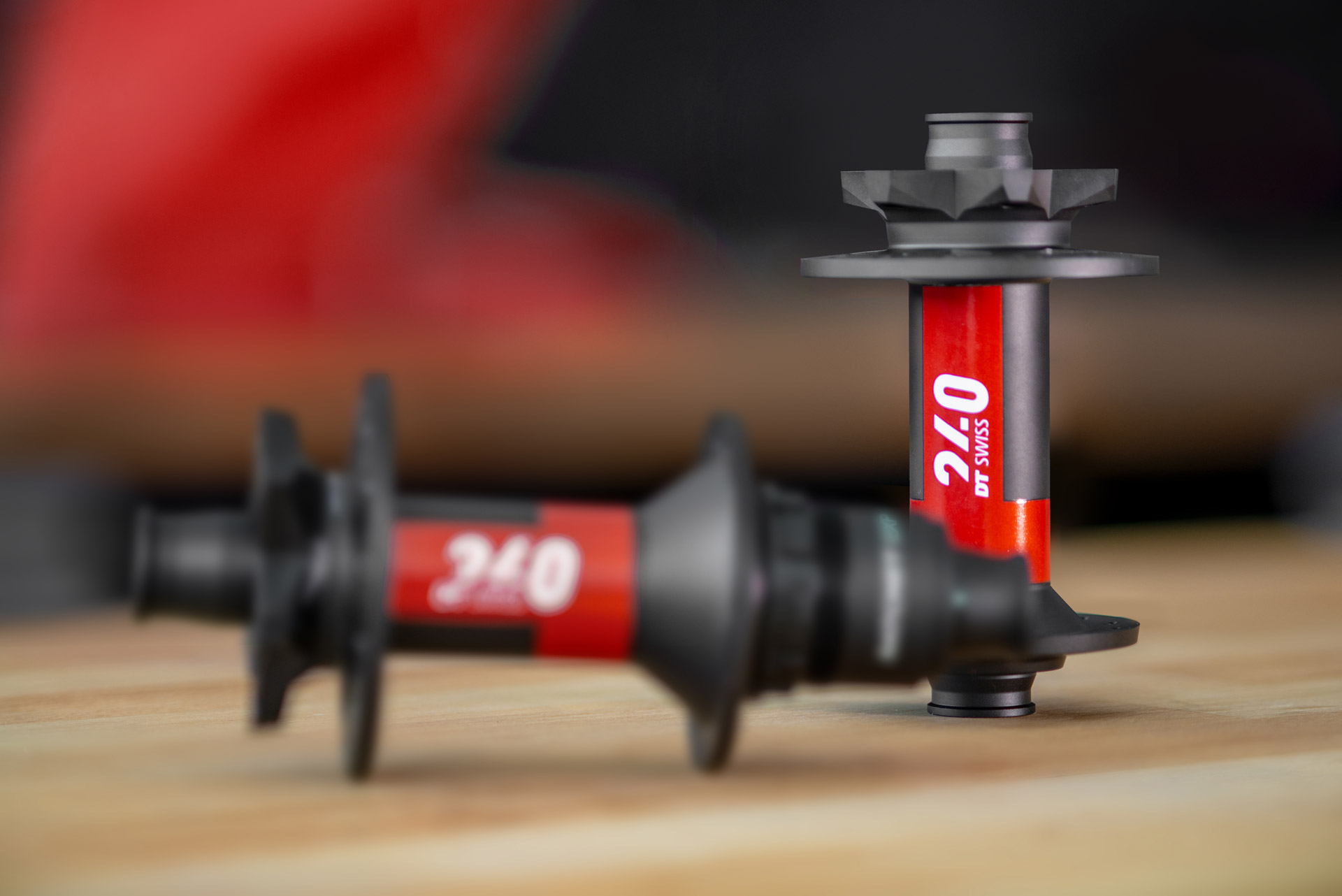
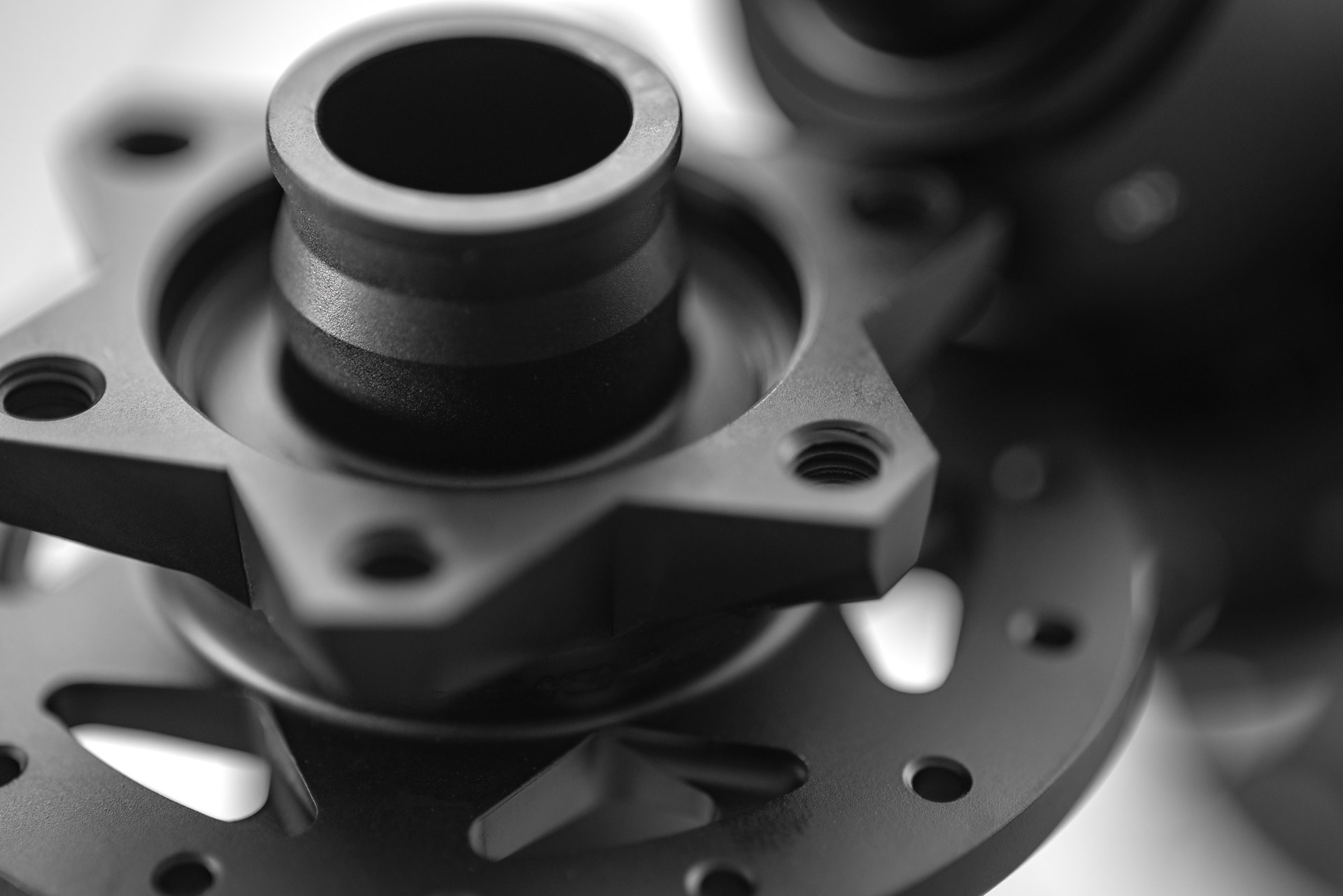
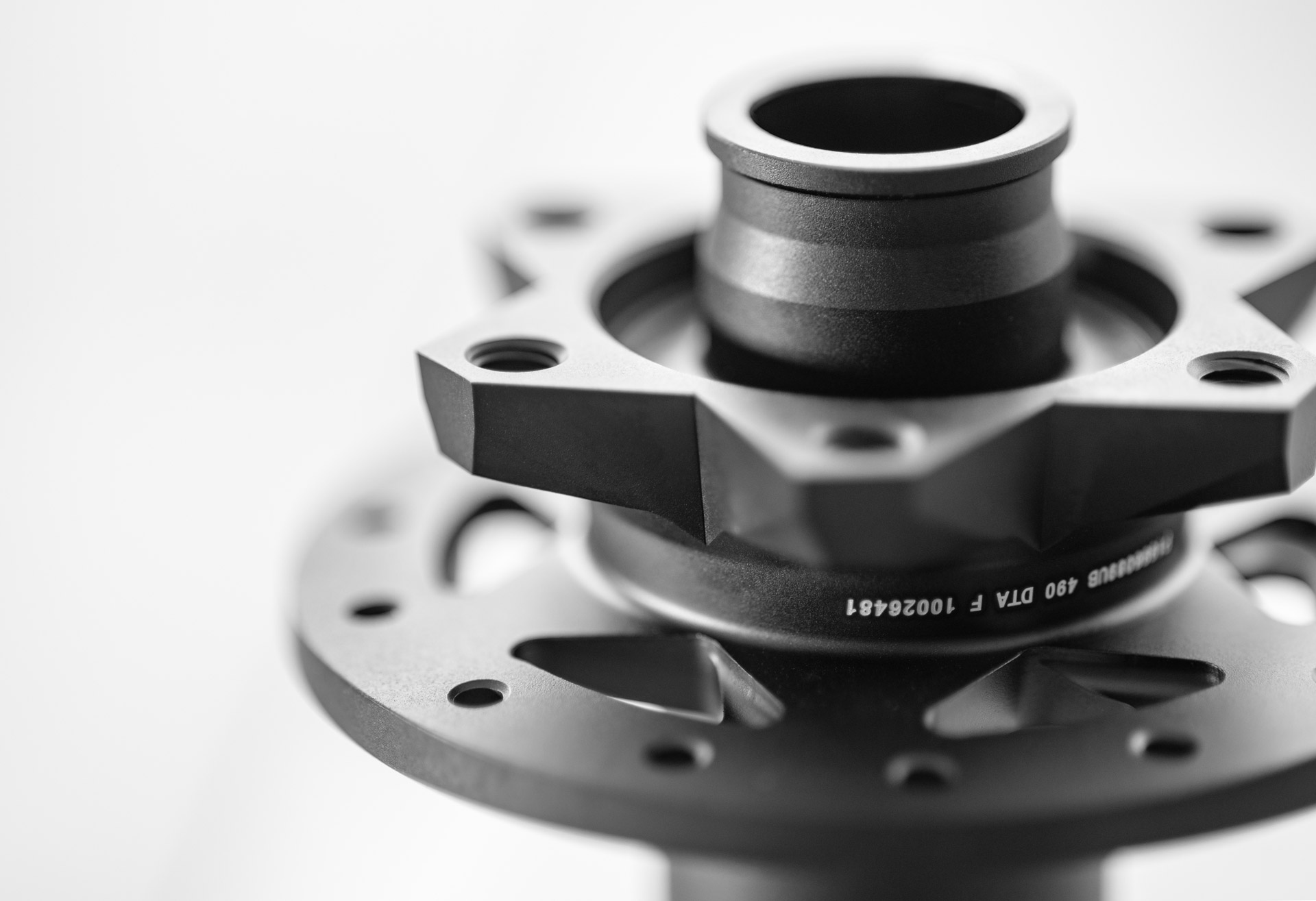
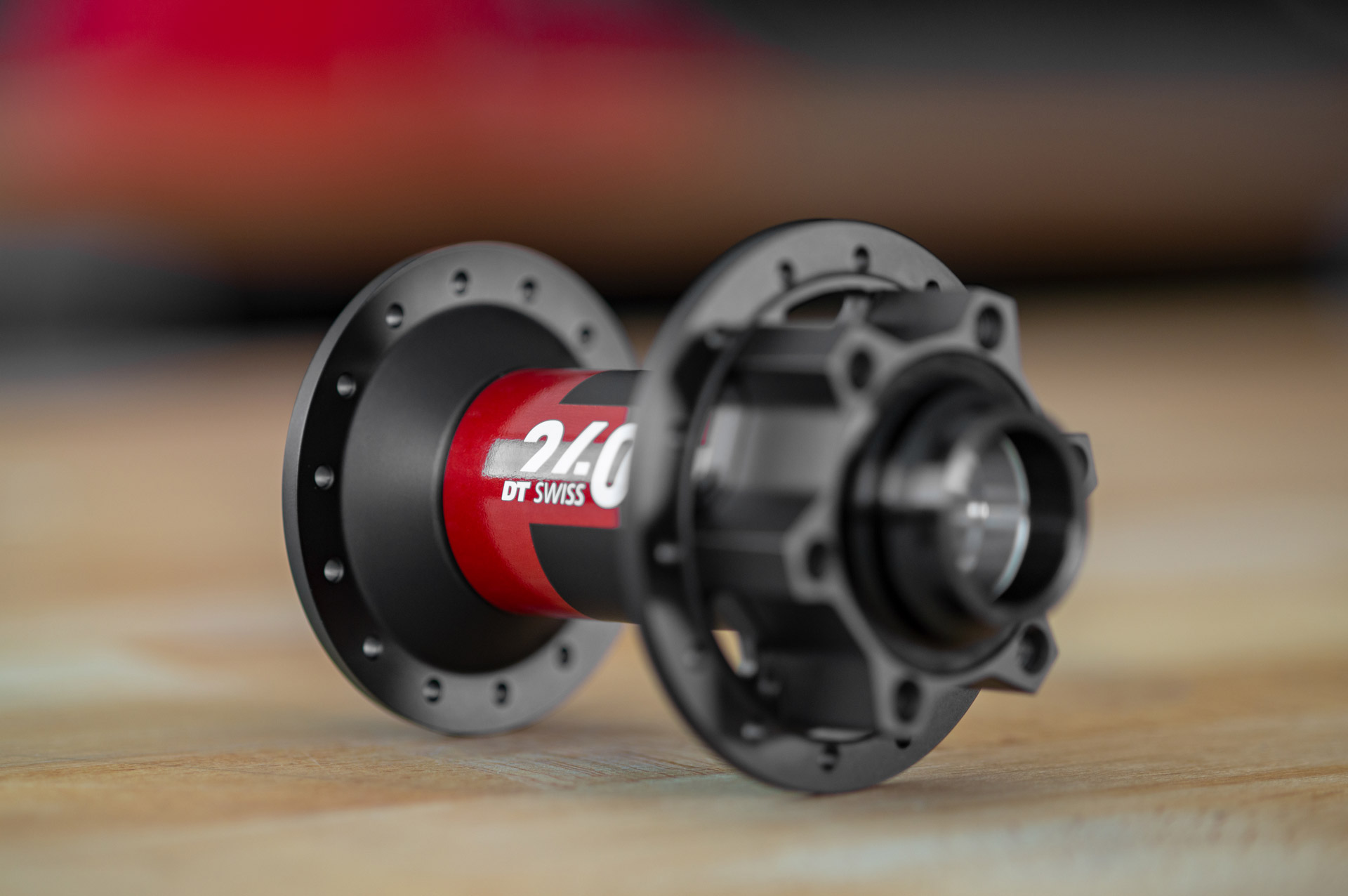
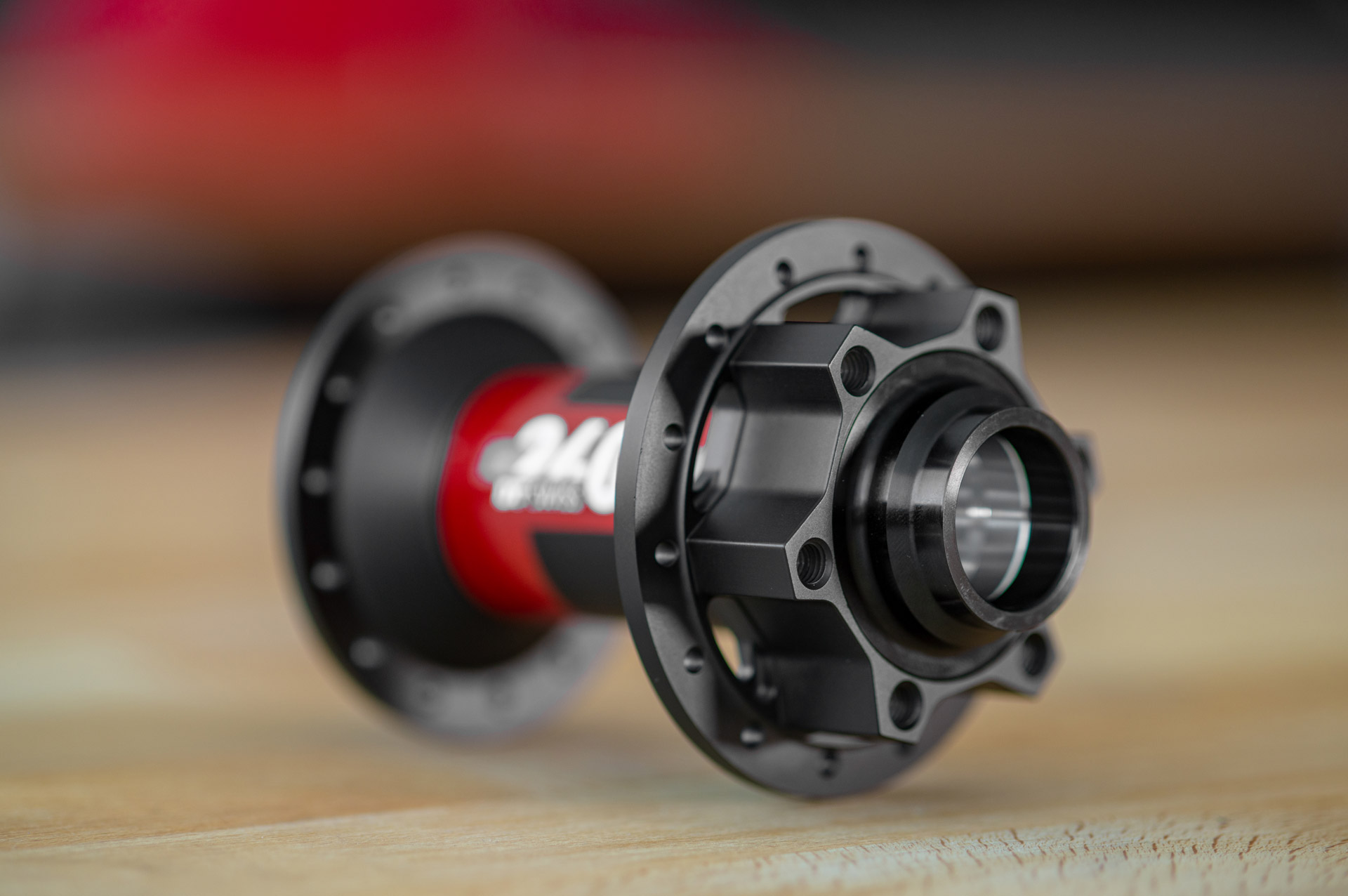
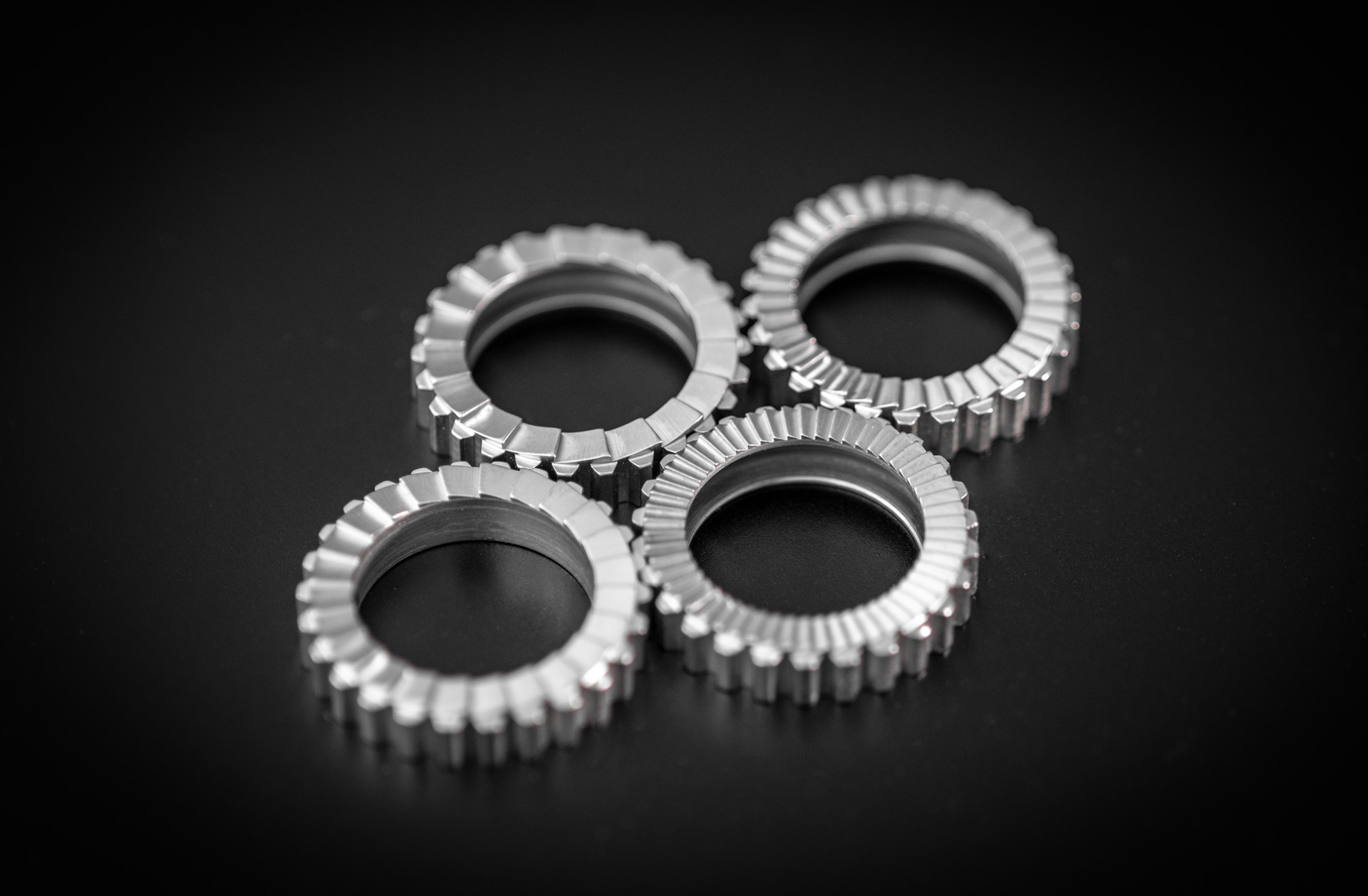
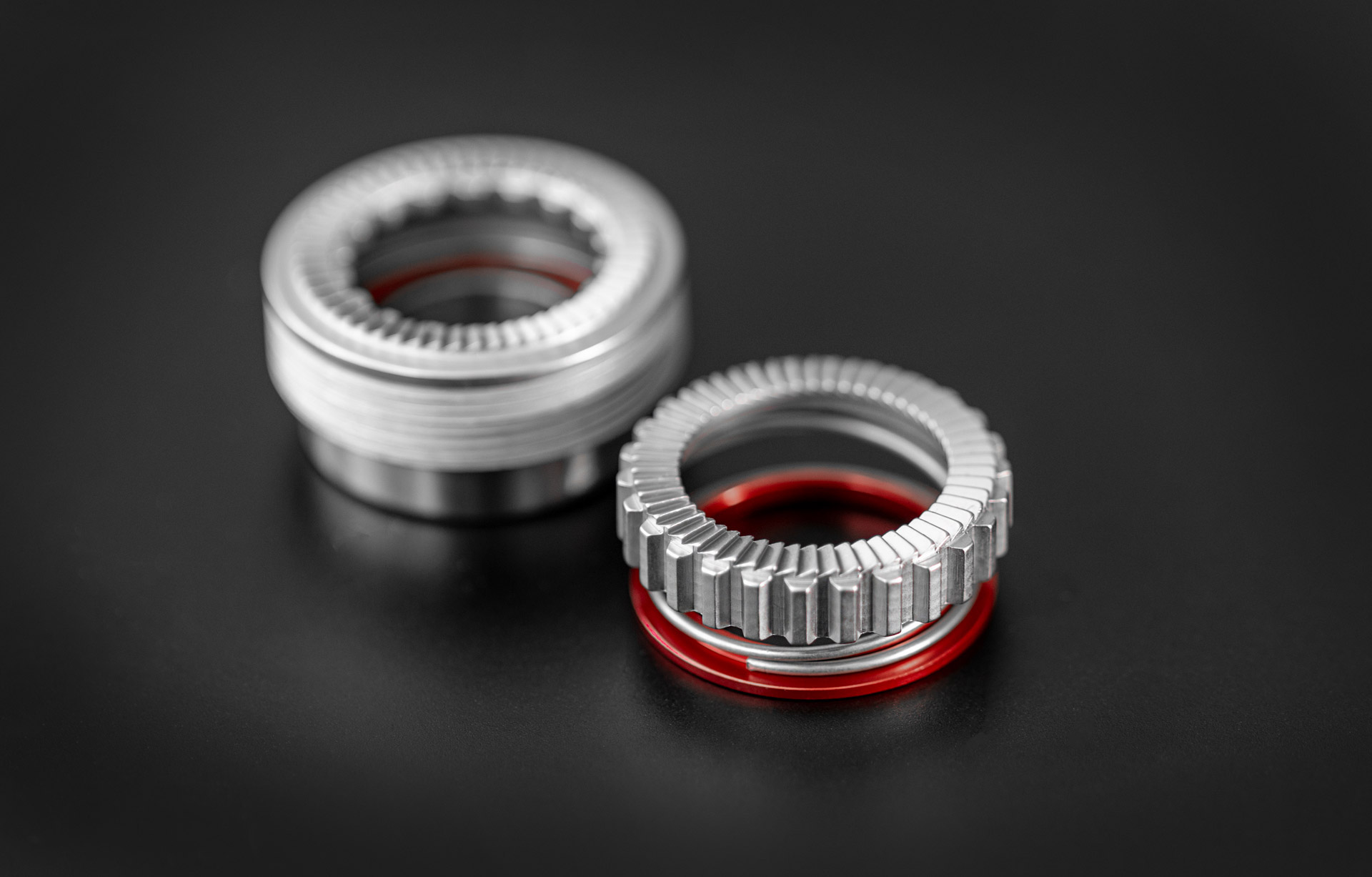
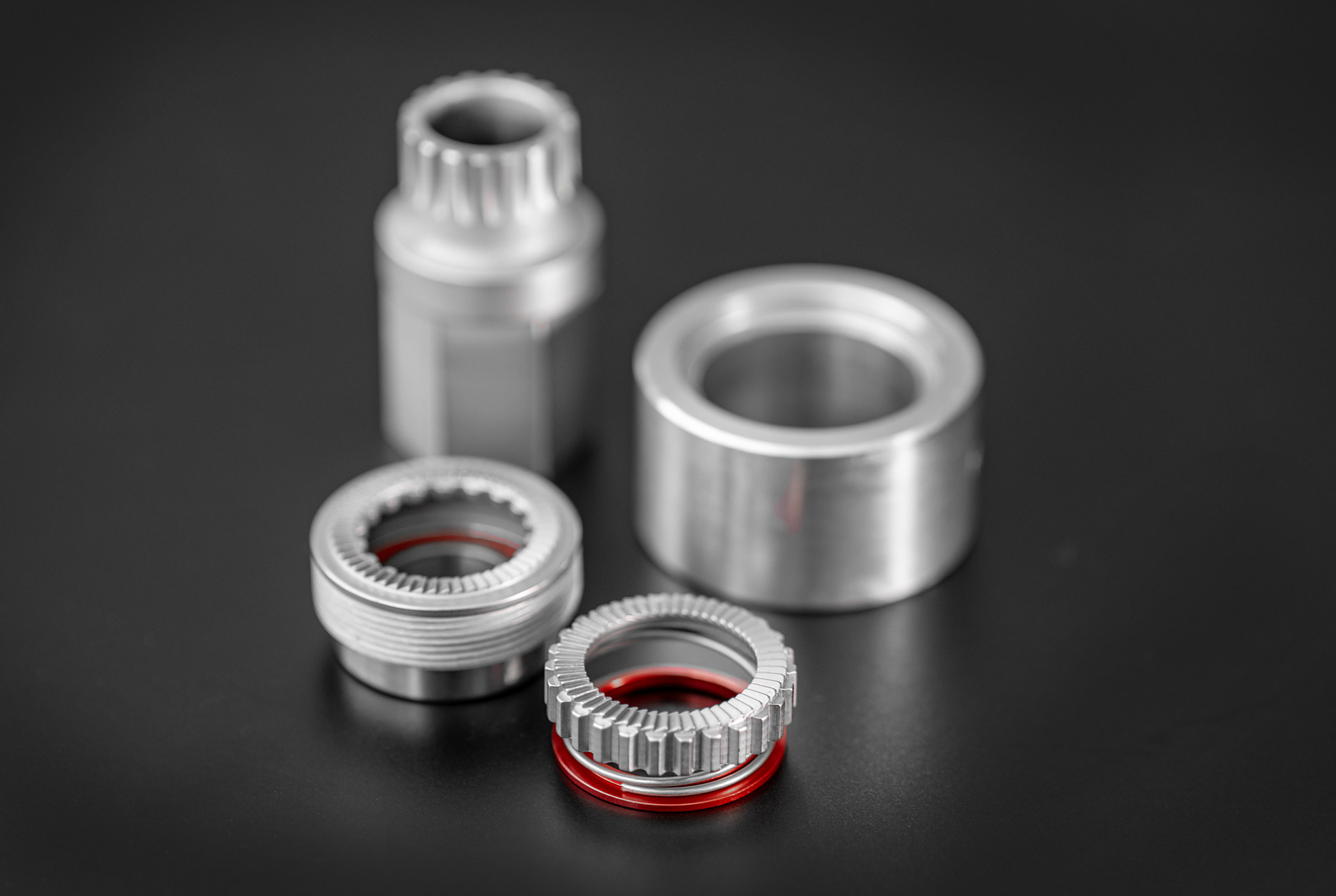
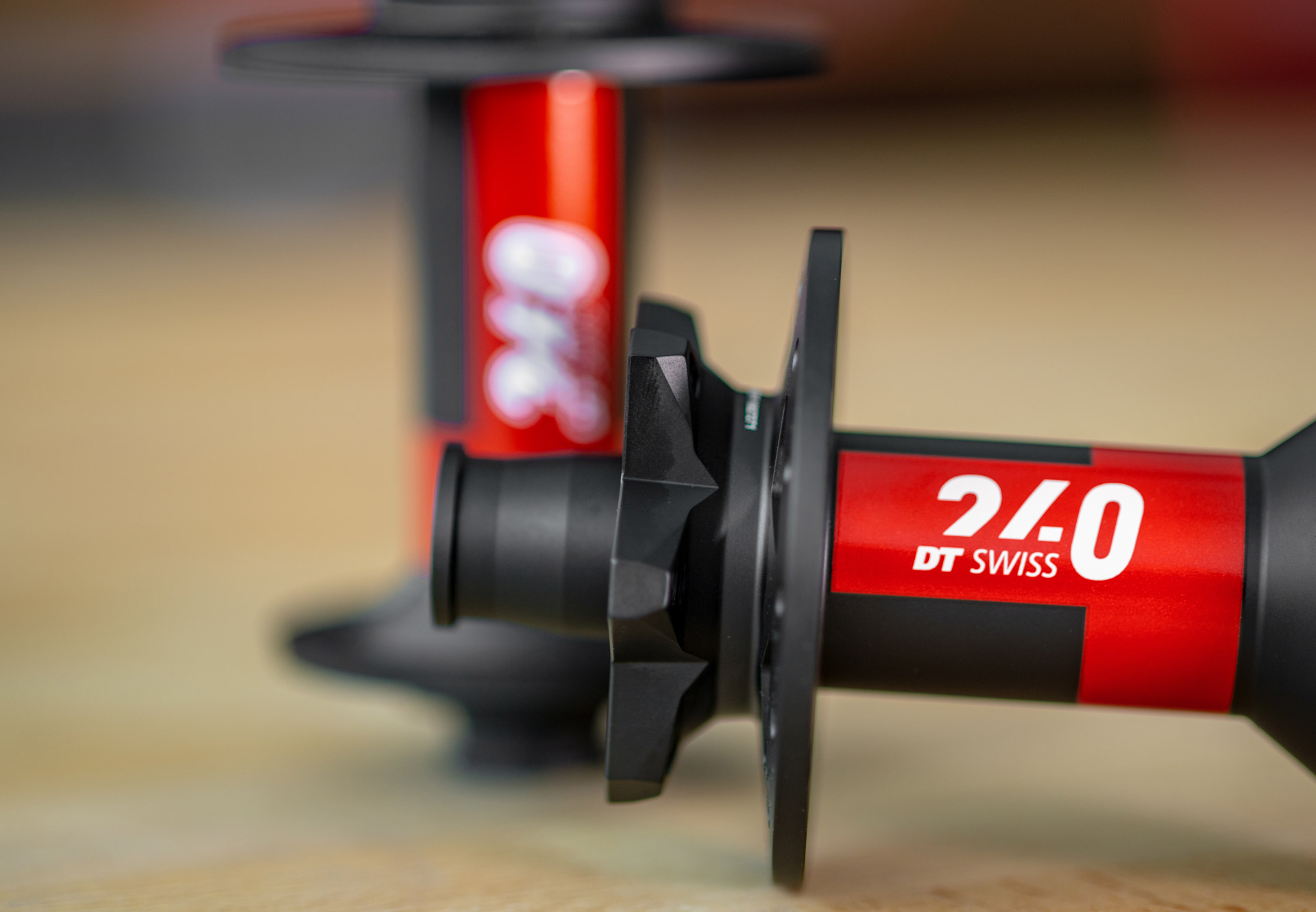
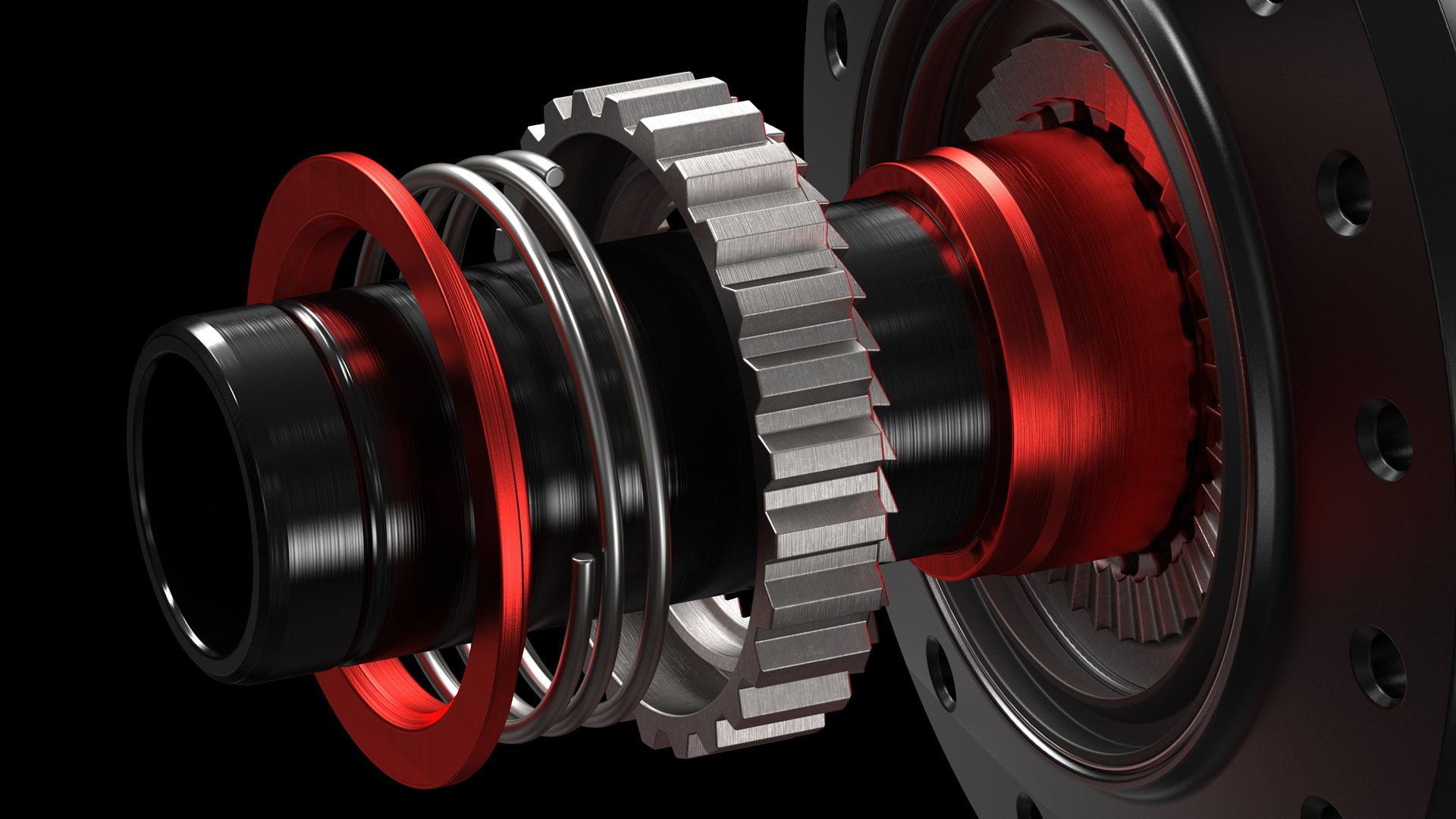
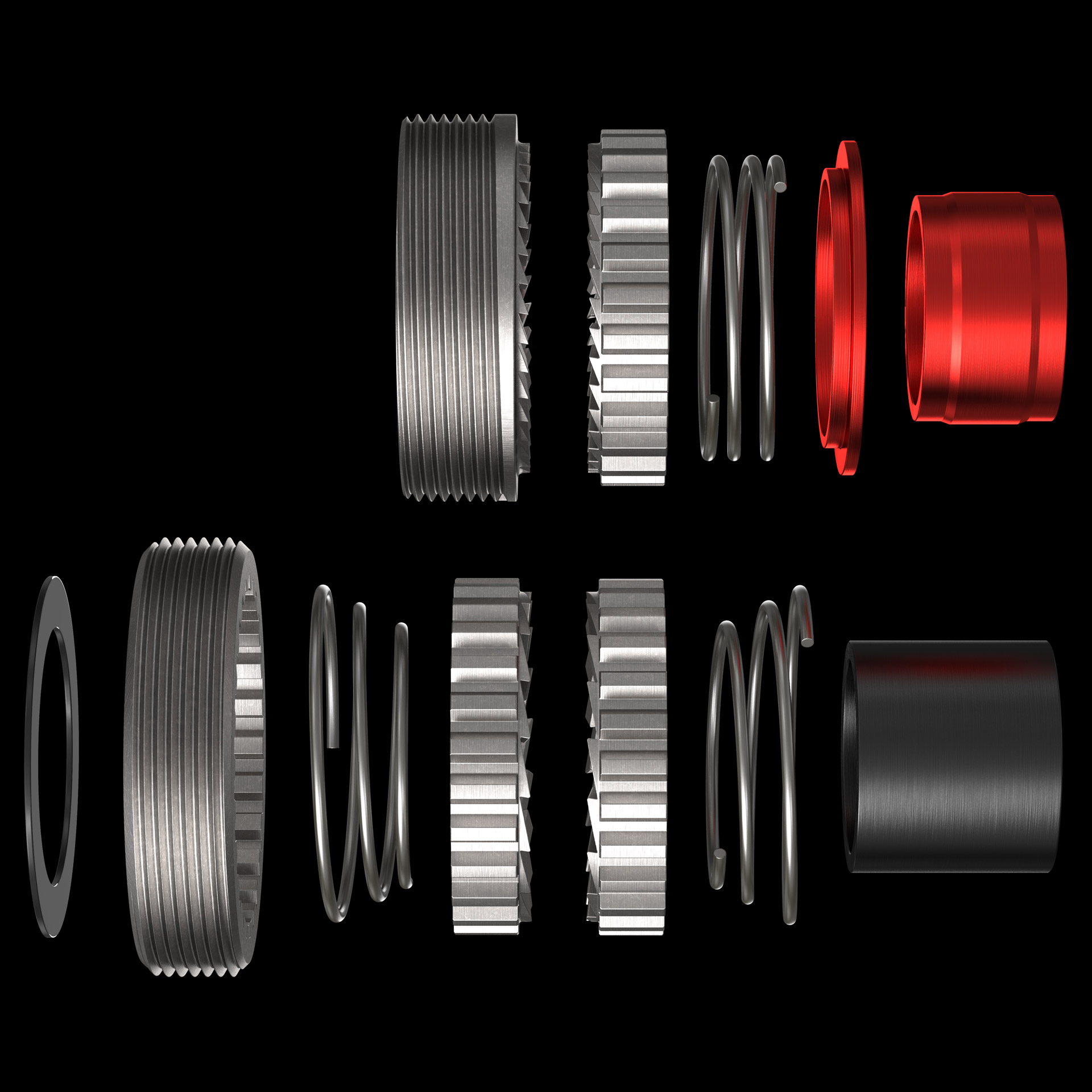
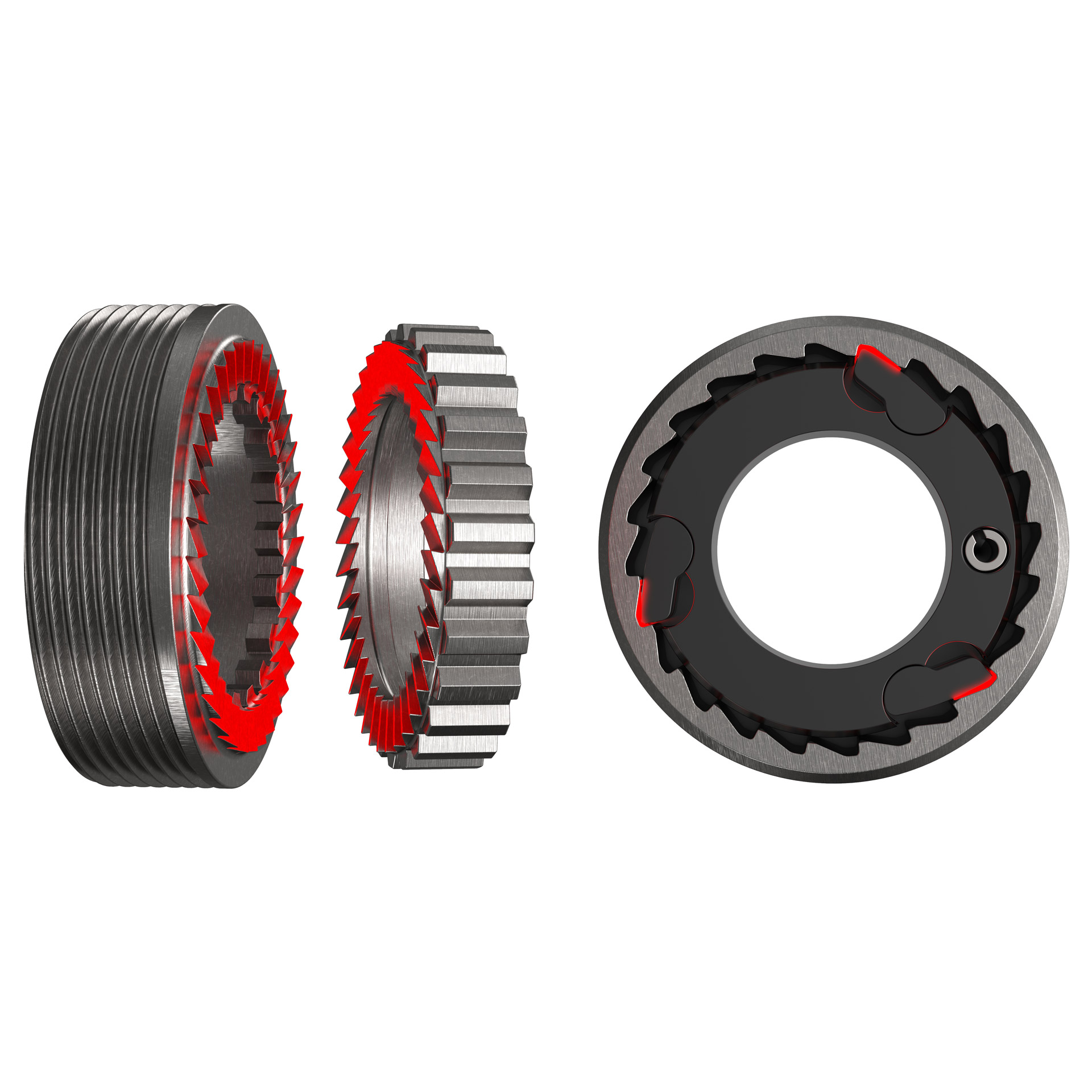
A year ago, DT Swiss took the 180 hub series to a new level. The means to achieve this? A new freehub design. The Biel-based wheel experts have now also given the 240 hub series this so-called Ratchet EXP. The old ratchet system consisted of a washer, threaded ring, two springs, two spur gear rings and a bushing. The new system has been slimmed down and, as Ratchet-EXP, manages with one spring and one spur gear ring less. The inner spur toothing now sits directly on the threaded ring, which is screwed into the hub shell.
Rightly lightweight: 104 grams at the front, 199 grams at the rear
The new design inside the hub ensures that the freewheel engages faster and more precisely, especially during rapid load changes. On the one hand, the weight is also lower, but more importantly, the freehub should also be more durable and reliable. Speaking of weight: The lightest mountain bike version of the front hub with straight-pull spoke mount starts at 104 grams, while the rear hub starts at 199 grams. A precisely manufactured 36-tooth ring ensures power transmission in the freewheel, and a ring with 54 teeth is also available as an option for retrofitting.
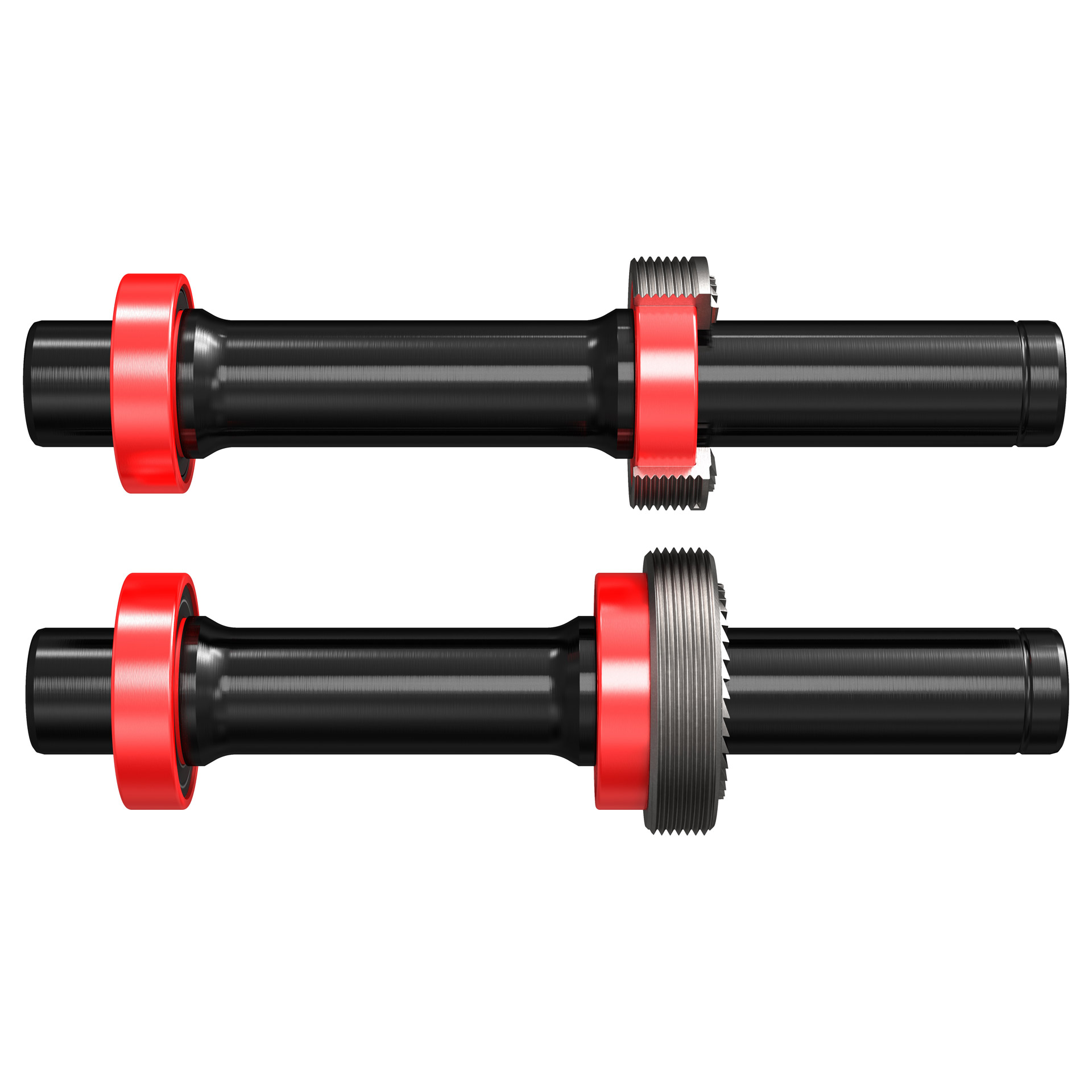
The new 240 will also top its predecessor in terms of stiffness. The new hub is said to be 15 percent stiffer because the wheel bearings have been moved further outwards. While the threaded ring was still screwed onto the bearing on the predecessor, it now surrounds the bearing, which can therefore be positioned further outwards.
The new 240 hubs are available in all conceivable standards for numerous areas of application, such as mountain bike and road for J-bend spokes as well as straight pull spokes, in even more installation widths, freehub variants, disc standards and numbers of holes.
Service without many special tools
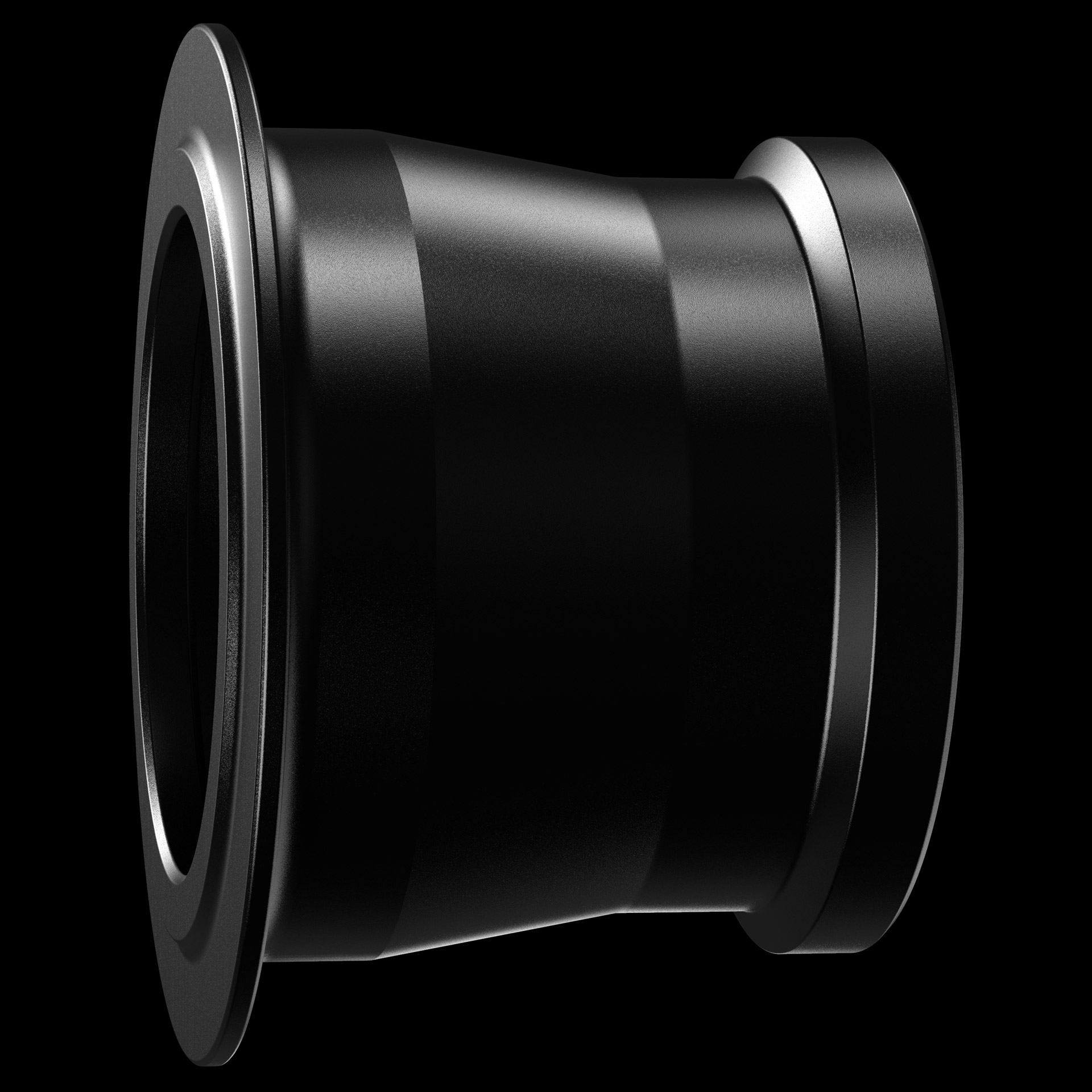
If you've ever serviced a 240 hub, you'll know that it's quite easy to do. Except. The end caps can be quite difficult to remove. DT Swiss has made improvements here, in line with the 180 counterpart: The end caps have a raised edge, which provides a better surface to pull them out of the hub body. The well-known "Notool Concept" is also retained on the new 240s. This means that freewheels and end caps can be removed by simply pulling them off, without tools.
www.dtswiss.com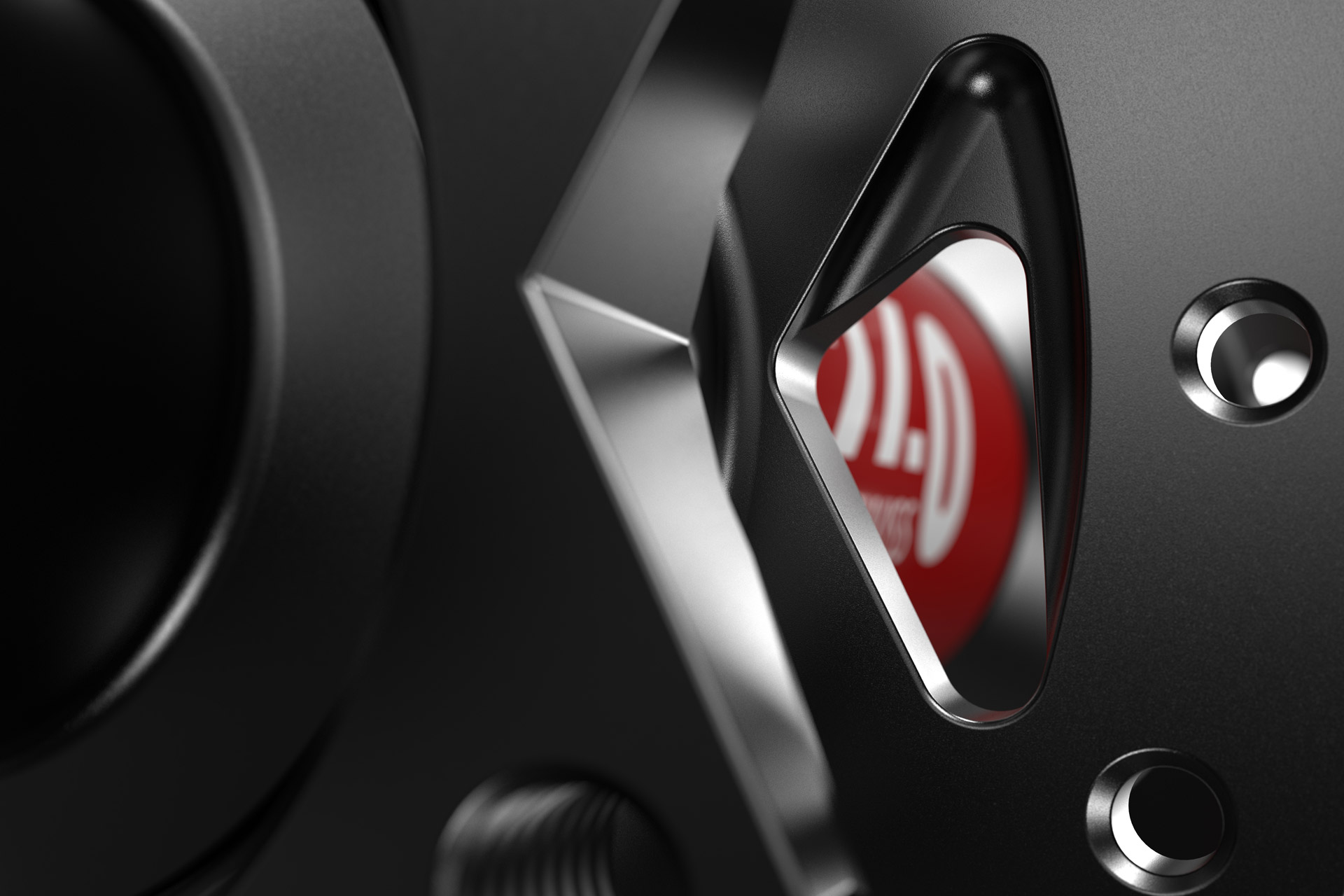
Further content on this article


Note: This content has been automatically translated from German. Please report any incorrect translations.