

I've never experienced a situation like this in 40 years.
How much fun is it to be a bicycle manufacturer at the moment?
I have been working in the bicycle industry for over 40 years and I still find it very interesting, exciting and motivating to produce bikes. Due to the increased environmental awareness, bikes are perceived even more positively. But what we are currently experiencing is the craziest time of my career.
The reason for this is the coronavirus pandemic?
That's right. In spring 2020, our biggest concern was sales. The stores had to close and they told us that they wouldn't be able to pay us. Three months later, we had a bike boom. The sales worries turned into supply bottlenecks. It was quite a rodeo ride.
How do you deal with the supply bottlenecks?
We contacted our suppliers in Asia very quickly in order to be able to order enough parts for the coming years. The delivery time from the component manufacturers increased from 90 to over 400 days and we then told our dealers that they should order early so that we could buy enough.
Could Rocky Mountain produce as many bikes as they wanted for 2021?
Yes, but they are all already sold. The 2022 models, which we will produce in even larger numbers and for which we had to place our orders last fall, are also 95 percent sold. We can't produce any more. We placed the first orders for the 2023 models this spring. We will also increase production there compared to the previous year. Compared to before the boom, demand has risen by around 30 percent.
How are travel restrictions affecting production?
Our employees in North America, who are responsible for quality control, have not been able to fly to Asia for a year and a half. Fortunately, we have a few good local employees there who take over quality control for us. We are in the process of developing quality control systems. Robots will ride through the factories and film the production.
Don't you have to hold a bike frame in your hand to see if it's well made?
Yes, you have to. Fortunately, we have our local employees who do this for us.
The frame manufacturers work specifically for us - they have the molds we need for our carbon and aluminum frames. We have closer contact with them and special solutions are easier to find. What we order from Shimano and Sram, all other bike manufacturers also order. That's where the biggest bottleneck is. But the situation is always changing. For the 2021 models, we suddenly had trouble getting enough saddles. And if a part is missing from a bike, you can't sell it.
Does nobody have any more bike parts in reserve?
All warehouses are empty and everyone is struggling with delivery times of over a year. Many bike parts manufacturers are only supplying existing customers and are no longer accepting new ones. Launching a new bike brand in this situation is very difficult because you can hardly buy any components.
The factories are not producing at full capacity due to the pandemic. That makes the situation even more difficult!
Yes, Asia is currently experiencing the third wave. Despite this, factories are producing more than ever before, but not enough to meet demand. In 40 years of bicycle production, I have never seen prices rise in the middle of the season. That's the case this year and it's happening at very short notice.
Who is increasing the prices?
Suppliers are increasing them because their costs have risen and also because demand is so high. We placed our component orders last fall. Six months later, the manufacturers told us that we would have to pay more. We therefore also had to increase the prices that we had already agreed with our dealers. It's a global situation that affects everyone, from the factories in Asia to the end customers all over the world.
Does that mean Rocky Mountain could sell more bikes than have been produced?
Yes, that is the case. We couldn't produce as much as we could sell.
Do you lose people as customers if they can't buy the bike they want?
The die-hard bikers are waiting for their dream bike. Many others buy what they can get. Some dealers do the same. In two or three years, they will realize that they have too many brands in their range. I assume that demand will fall again. Some have bought a bike because they could no longer travel during the pandemic. It's quite possible that they will lose interest again. On the other hand, some have rediscovered the mountain bike. They are more likely to stick with it and buy more bikes.
Do you expect an oversupply of bikes in a few years' time?
Yes, everyone is ordering more now and in about two years there will be too many bikes on the market. There is always this ripple effect, it's nothing new for us.
Have you hired people that you will have to lay off again when the boom is over?
We are cautious about that. Since last year, we have expanded and improved our customer service and communication with our customers - the dealers and distributors. If the dealers sell brands again in a few years, we want them to keep Rocky Mountain.
When will the situation on the bike market return to normal?
I think we will be able to work normally again in 2022. This will then affect the 2023 and 2024 models.
They are all doing well at the moment because they have been able to sell a lot and their profitability is good. I can't say how they will cope if demand falls.
How much longer will you continue to run Rocky Mountain?
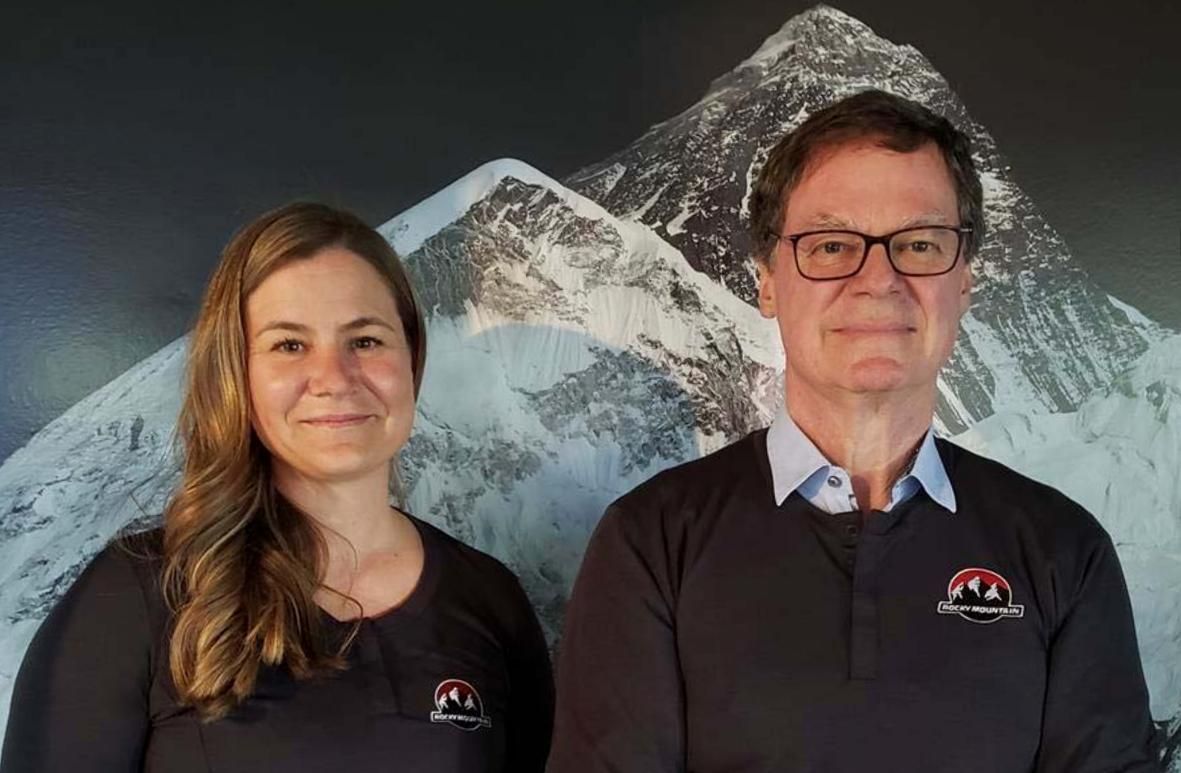
I have already appointed my successor as CEO. Katy Bond is currently General Manager and will take over as CEO. As I own 100 percent of the company, I will continue to be involved, but a little more in the background.
About the person
In 1977, Québécois Raymond Dutil founded the company Procycle, which primarily produced department store bicycles. The history of Rocky Mountain began in Vancouver in 1981. In 1997, Procycle took over Rocky Mountain, which caused deep frowns in the mountain bike community. However, Dutil succeeded in maintaining the profile of the cult brand. In 2018, he parted ways with the other brands and renamed his parent company Rocky Mountain.
Note: This content has been automatically translated from German. Please report any incorrect translations.