

Technical Chinese department: Trek builds the shock with "Thru Shaft
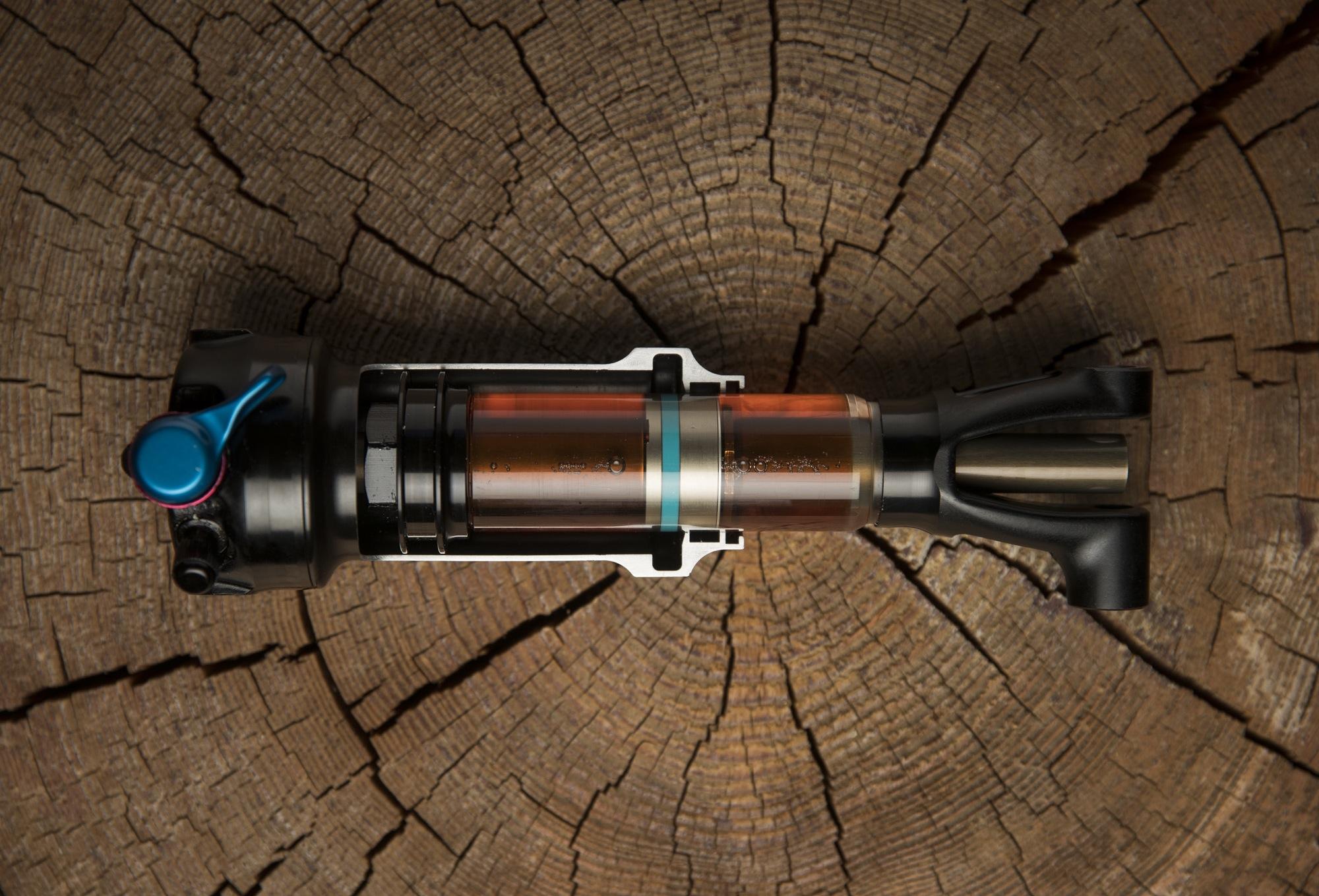
With a conventional shock, it works like this: during compression, the shaft displaces oil while the rear end moves through the suspension travel. The oil cannot be compressed, so space must be created for the displaced oil. The IFP (=Internal Floating Piston) - a floating piston that separates a nitrogen section from the damper oil - compensates for the adjustment in the damper volume and the displacement of the piston. This design causes a sharp increase in pressure in the second damper air chamber during compression and creates measurable friction between the moving parts, which prevents a more sensitive and reactive compression and rebound. The result of a damper with IFB is a higher breakaway torque and a slower response to the road surface.
Trek engineers have teamed up with Rock Shox, Fox and Penske Racing Shocks to solve this problem. Trek had already teamed up with Penske, a market leader for motorsport suspension systems, in 2014, resulting in the "RE:aktiv" damping technology. The result this year is one Fox and one Rock Shox shock each, which go by the name of "RE:aktiv Thru Shaft" and, of course, put an end to the IFP.
A shock built in this way has a piston rod - or a "shaft", through which the oil rushes through, so that the floating separating piston and the nitrogen charge can be dispensed with. In the large-volume Rock Shox damper, an external reservoir ensures that the damper oil heated by friction can expand. In the Fox shock, this thermal compensation takes place inside the shock absorber without a reservoir.
Cam MacCaul can also explain the new technology quite well:
Suitable Ride Brandguides
Further content on this article
Note: This content has been automatically translated from German. Please report any incorrect translations.