

Test: Trek Slash 9.9 X01 - The return of the freerider

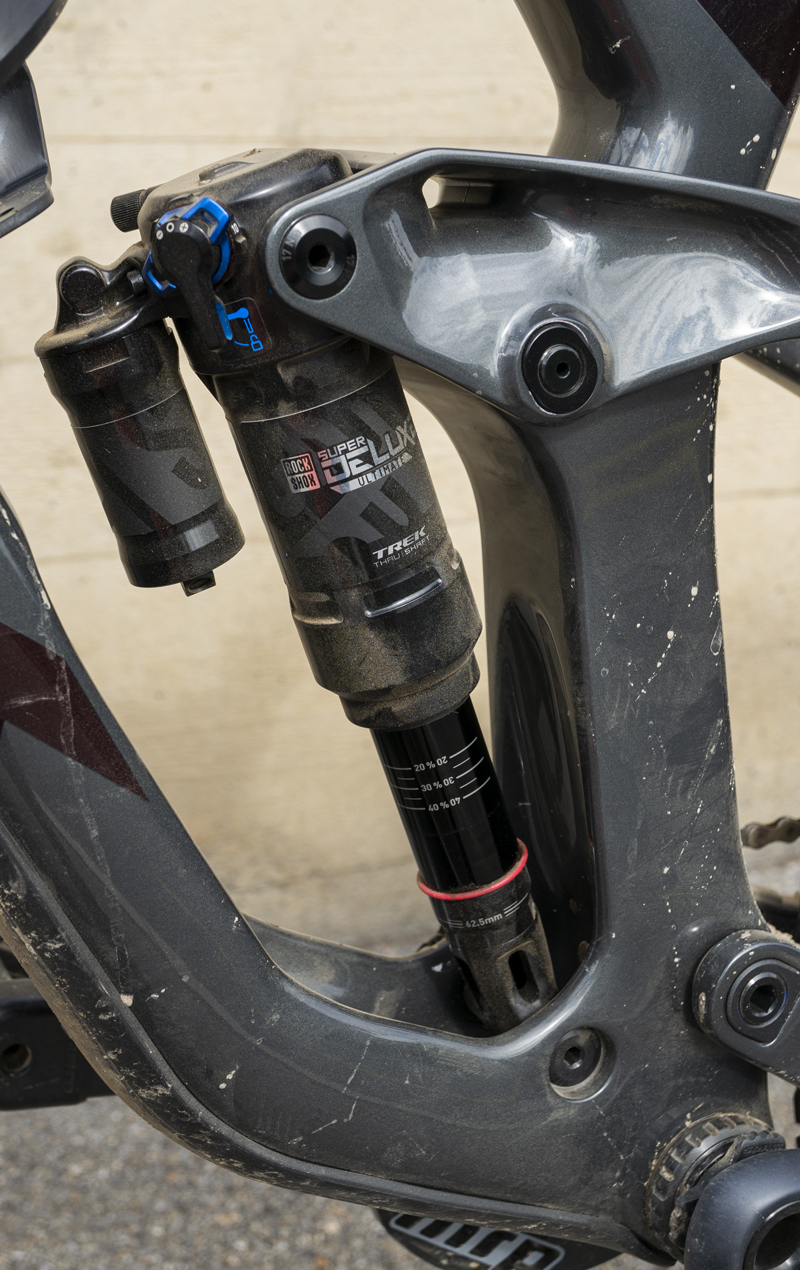
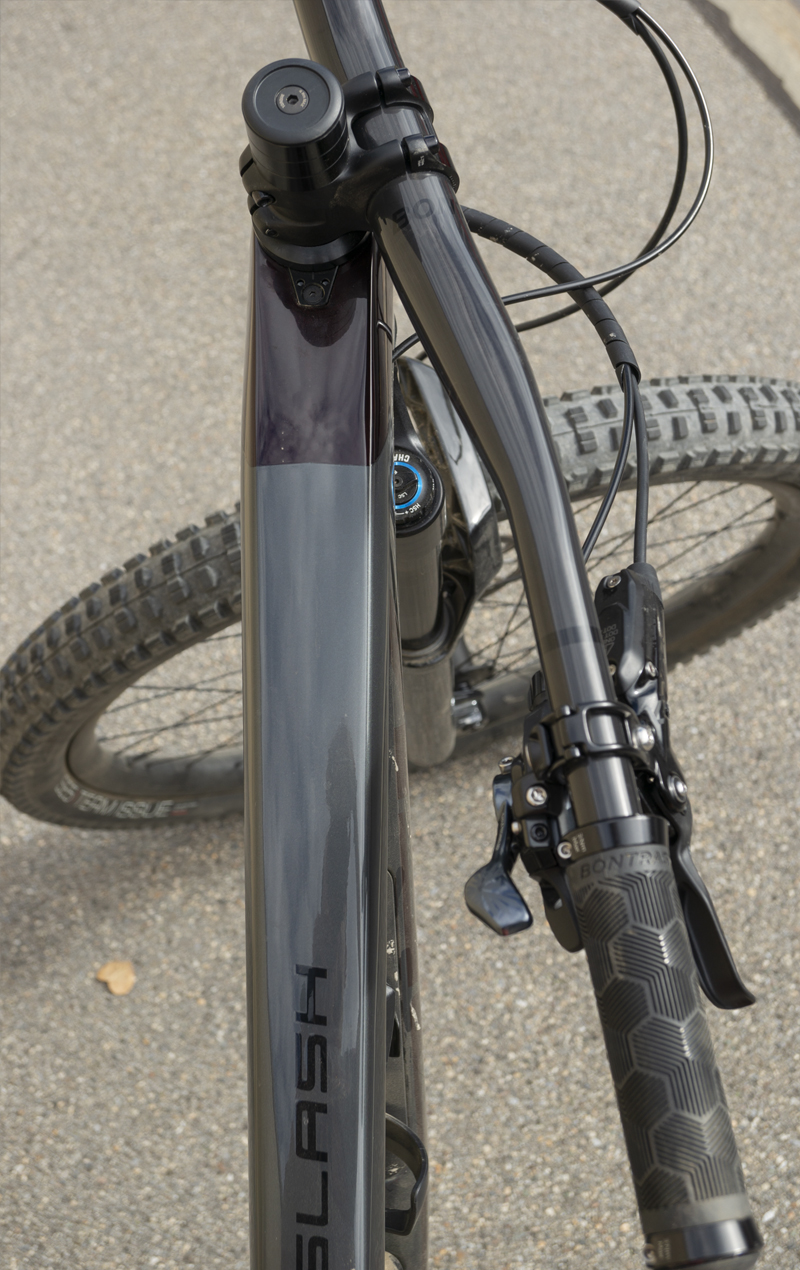
Together with the 10 millimeter longer stroke - 170 millimeters at the front and 160 millimeters at the rear - the new "Super Deluxe Thru Shaft" shock absorber from Rock Shox is the most important new feature. This significantly improves the ride quality of the bike. But there is even more to Trek's new enduro rocket:
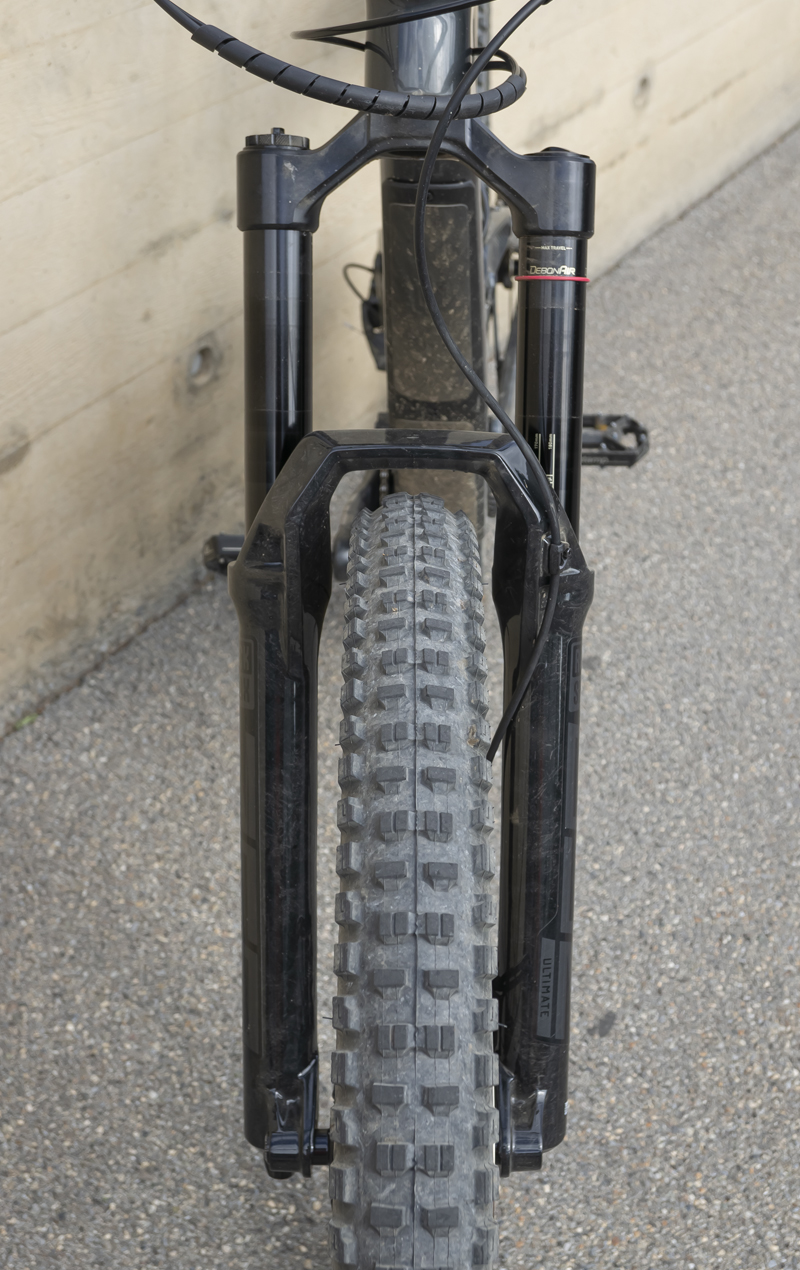
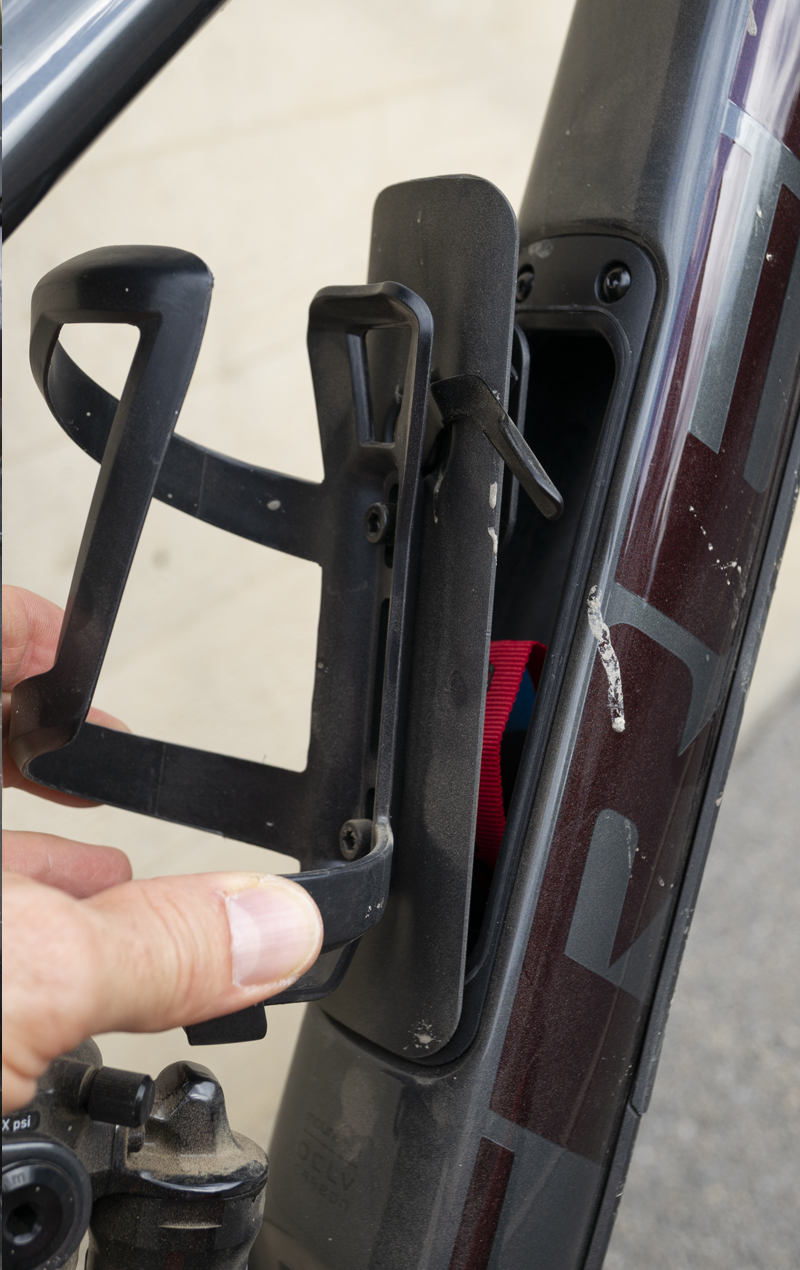
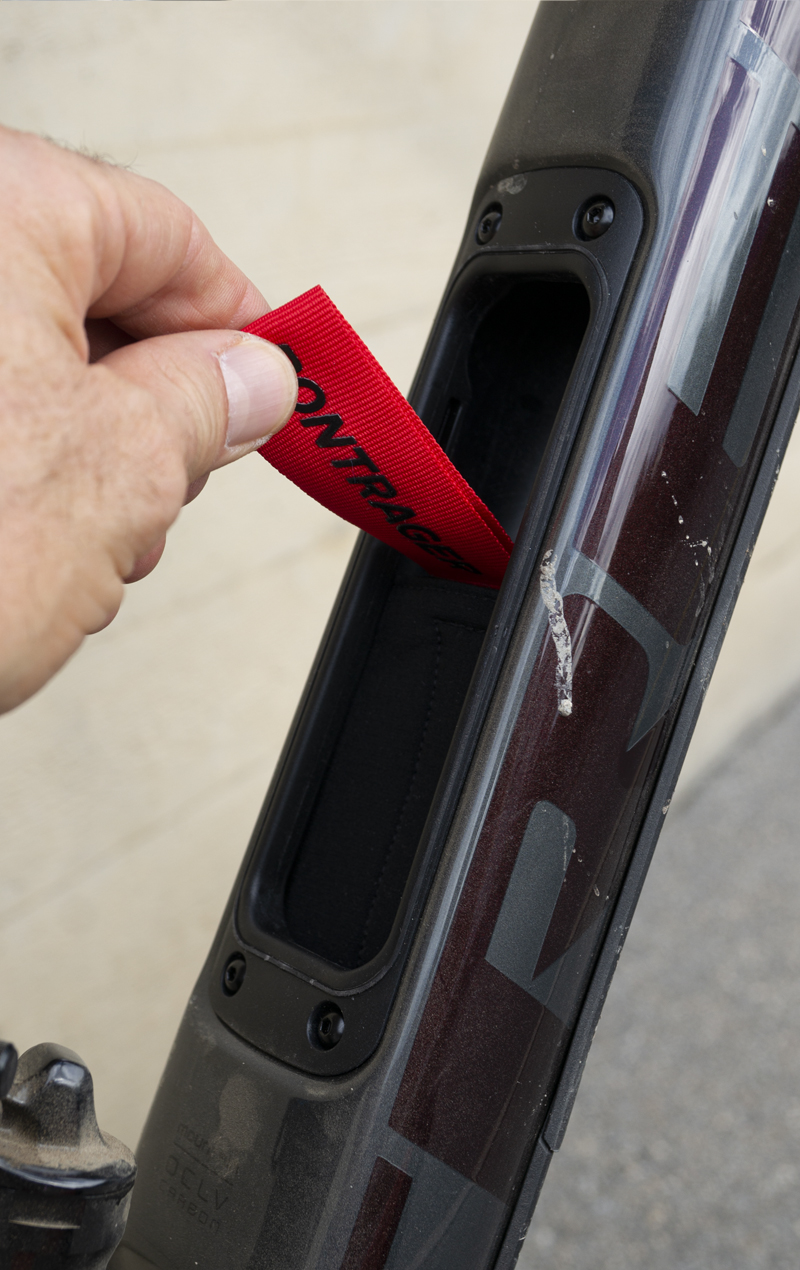
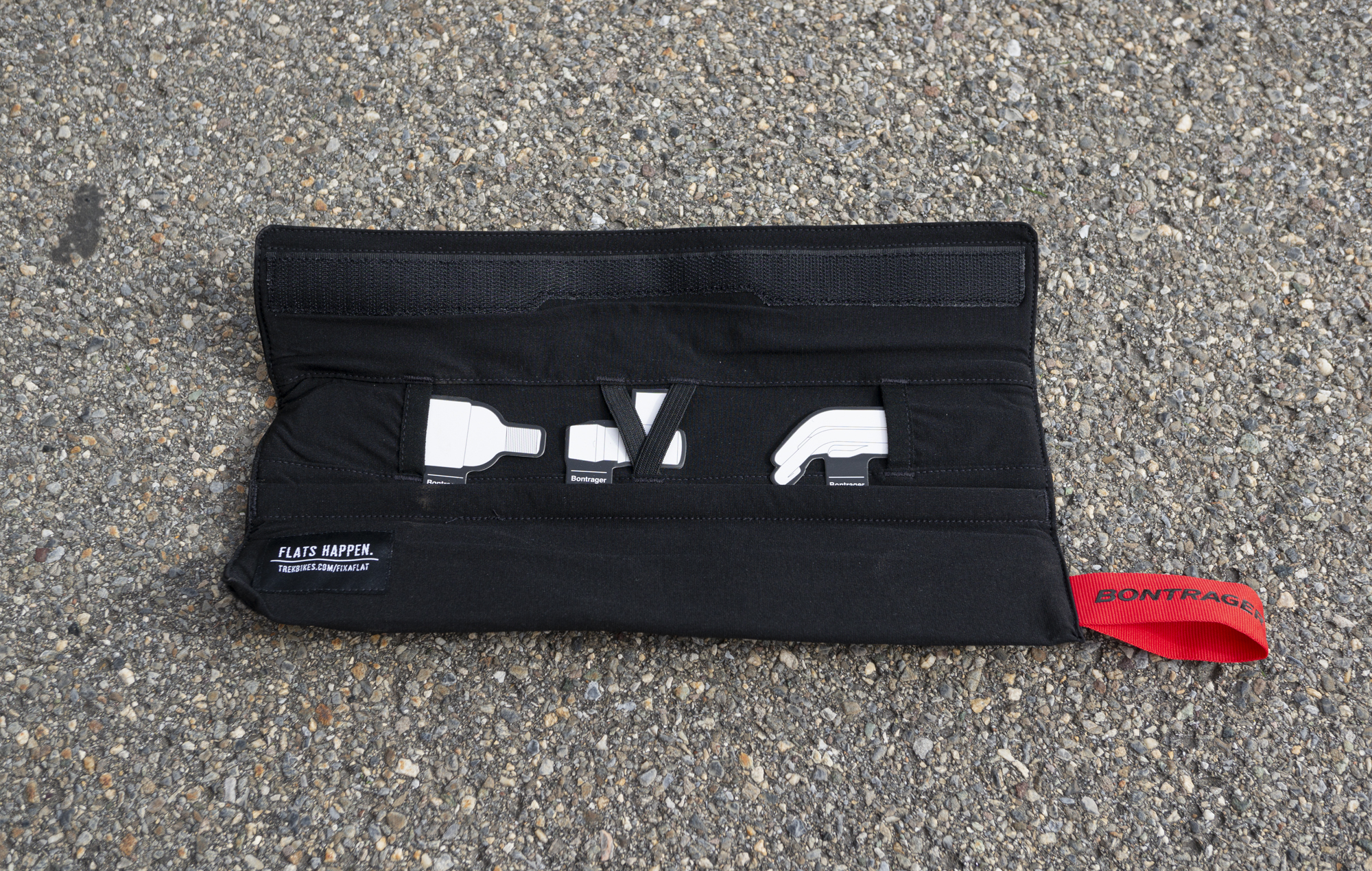
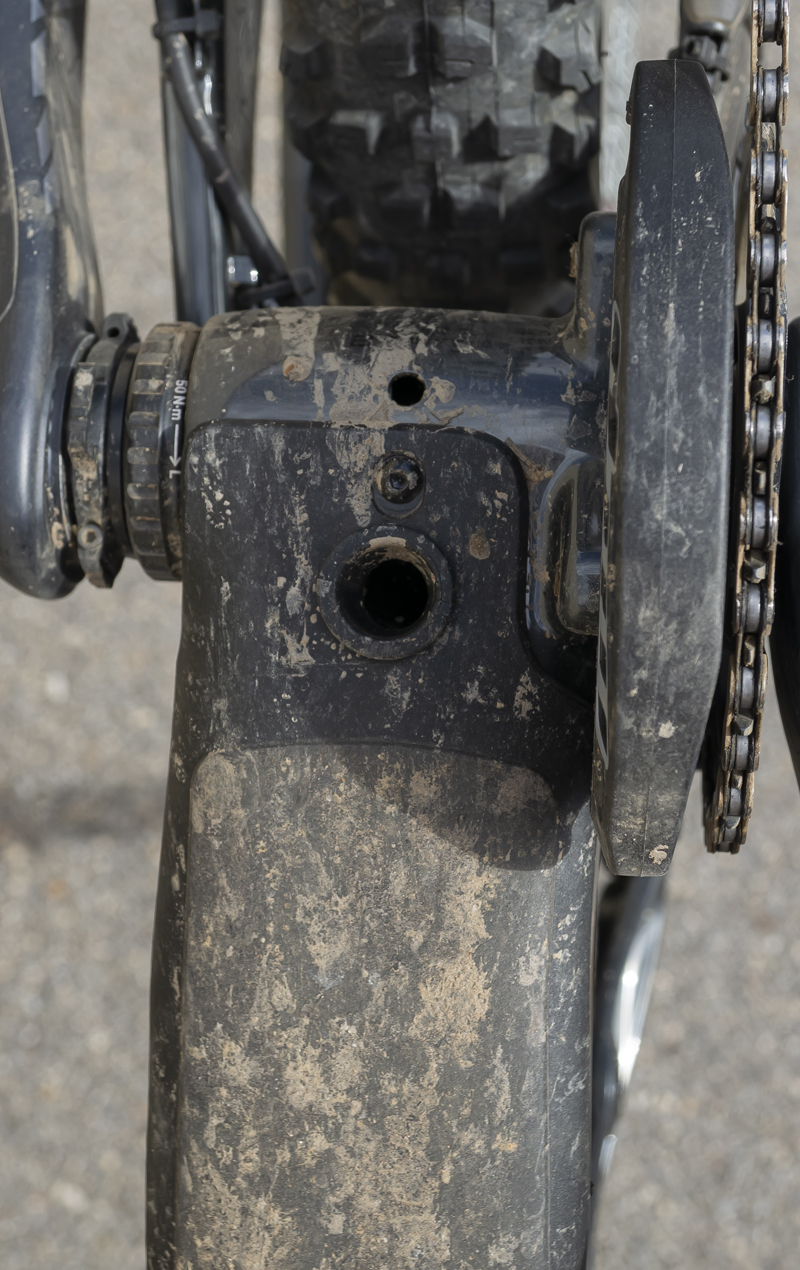
The new Slash - in both the carbon and aluminum versions - has a very light frame for enduro bikes, which nevertheless has a variety of features. In addition to a threaded bottom bracket, there is also an ISCG-05 mount and a seat tube with a diameter of 34.5 millimetres. Furthermore, both frame versions are equipped with an integrated storage compartment - a first in the Enduro category. The new Slash also comes with more suspension travel. The fork measures 170 millimetres and the shock 160 millimetres, with the latter featuring a brand new "Super Deluxe Ultimate Thru Shaft" shock developed in collaboration with Rock Shox. The Knock-Block is not completely new, but has been revised and now allows a larger turning circle than before. The brand new Slash is the trail bike among trail bikes. With its 29-inch wheels, it is built for high speeds, comfortable flow and lots of fun in the wildest terrain. It reveals its full potential in enduro use, where it masters even tough climbs with ease and confidence. And in the bike park, the Slash guarantees endless fun lap after lap.
Statement from: Veit Hammer, Communications Manager, Trek
Special features
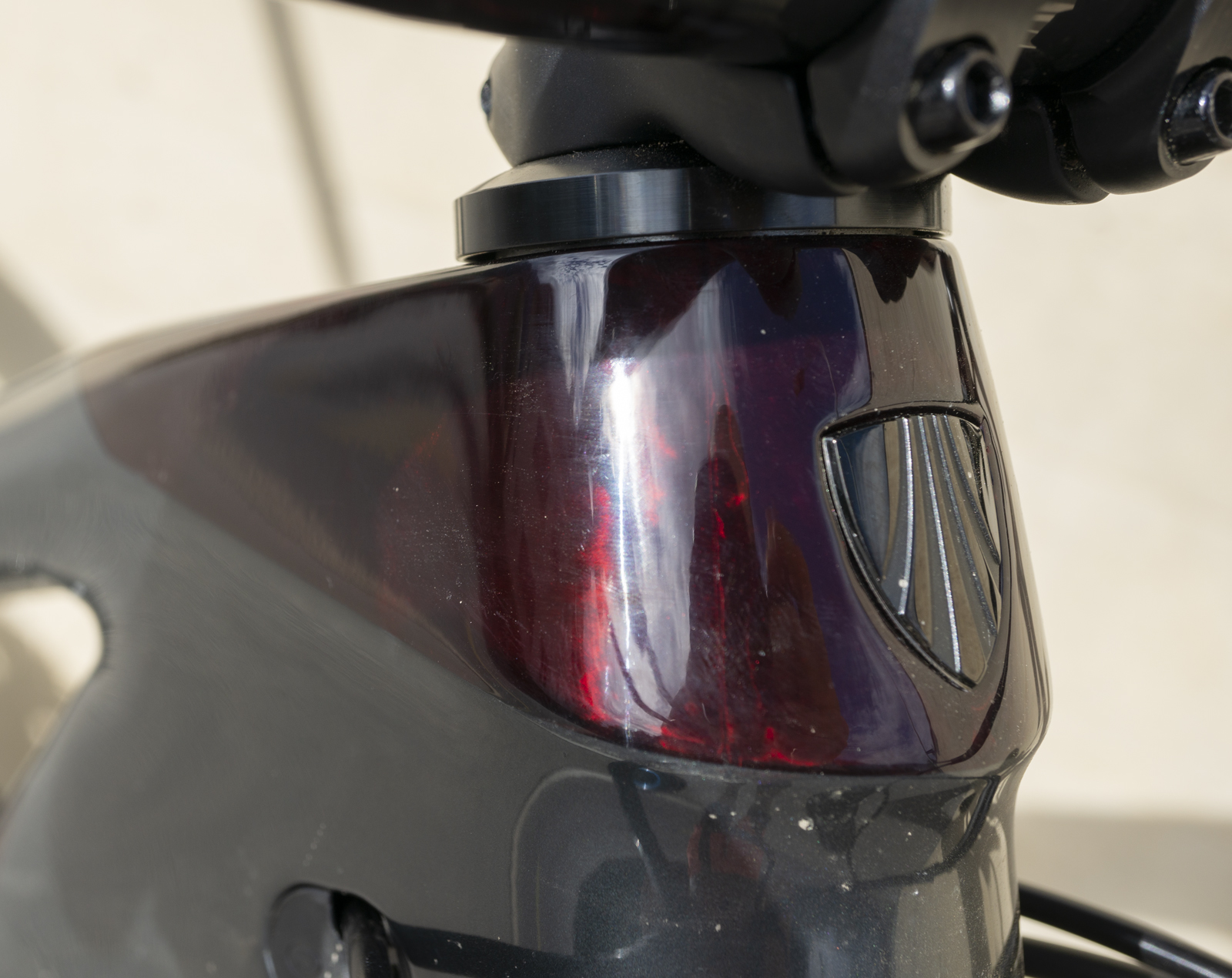
- High-quality and visually striking paint finish with colored clear coat
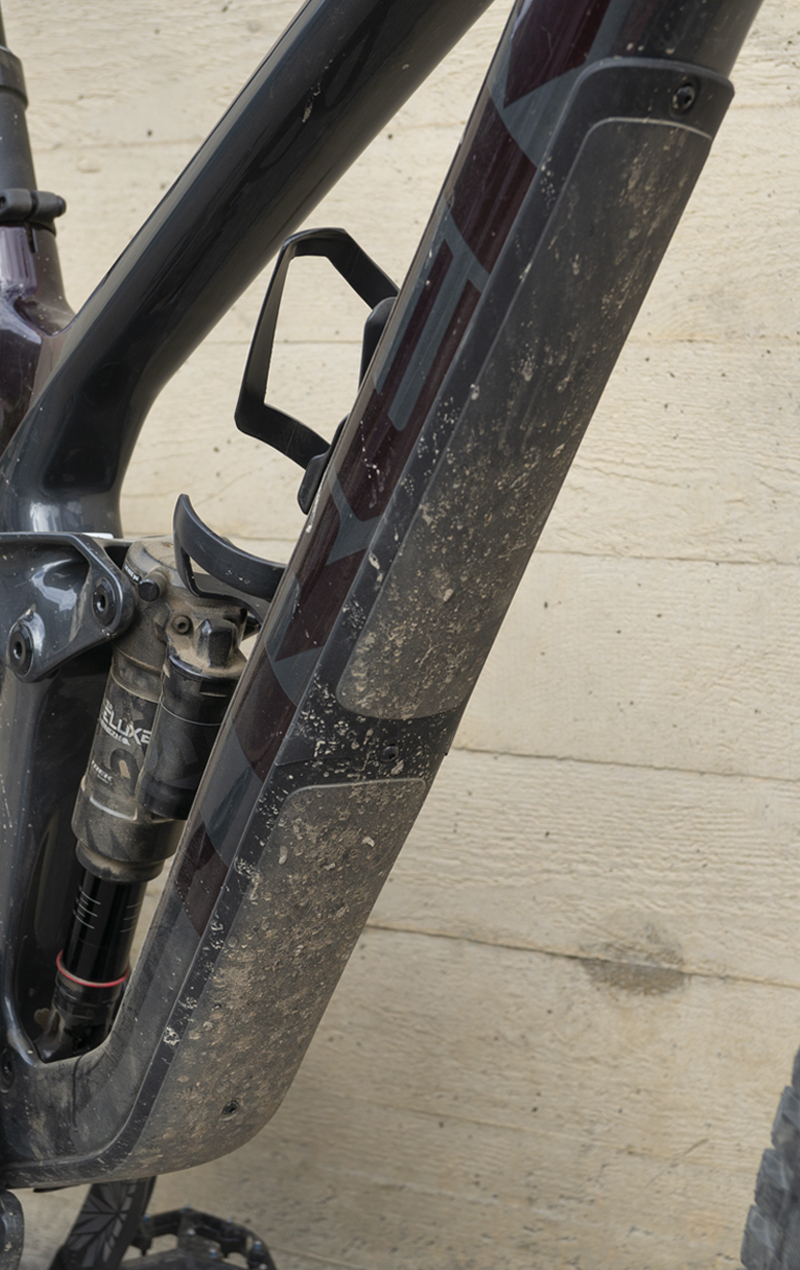
- "Snack box" storage compartment
- Mino-Link (flip chip)
- Thru-Shaft shock from Rock Shox
- Knock-Block headset
- Water drain in the bottom bracket area under the shock
- Chain guide
- Saddle post with a diameter of 34.9 millimetres
On the flat
On flat terrain, it becomes clear that you are sitting on a race-oriented enduro bike. The handling is somewhat sluggish due to the high weight, but basically neutral when pedaling. The riding position is comfortable and upright. The Slash is agile around bends and takes small obstacles in its stride without being overly sensitive.
Up the mountain
In combination with the tough rolling Bontrager tires, riding uphill becomes a sweaty affair. Slight inclines go quite well, and the Slash also climbs well over hill and dale. However, when it gets steep, you need a lot of "oomph" in your legs to pedal the bike uphill. It helps a lot if you activate the platform function of the suspension strut.
Downhill
Slow downhill speeds are not particularly fun. You immediately notice that this bike wants to be ridden fast. The faster you ride the Slash, the more fun it is. It masters moderate terrain well, but can't show off its advantages there. Need for speed! Yes, the more you let it rip, the smoother and firmer the Slash lies on the ground. The Zeb from Rock Shox is a race fork and less sensitive than its little sisters Lyrik and Pike. Even the biggest hole in the ground doesn't upset it. The rear end responds a lot softer and really knows how to inspire. The progression comes late and the suspension travel is used optimally. Trek's "Active Braking Pivot" technology is impressive: if you brake late and hard, the suspension remains unimpressed and always keeps good contact with the ground.
The bike is easy to push off jumps and landings are always smooth, regardless of whether they are clean or you jump too short or too long. Like a downhiller, it flattens the ground and never loses its track thanks to the stiff suspension fork. In the bike park, it pulls "sidäfiin" through berms.
Conclusion
Yes, the Slash brings Trek's forgotten "freerider" back to life. Downhill, this bike plays all its trump cards and provides a thrill downhill. It is made for shuttling and "Bähnlä". There are more suitable candidates in the Trek fleet for riding classic tours. It is one of the test bikes that you will be reluctant to return.
Recommendation
If you want to ride the bike outside of parks and rough trails, it is recommended to set up the suspension for more moderate terrain. This contributes a lot to the riding fun on classic tours. For shuttle rides, you need to set it up more firmly to exploit its full potential and push its limits.
Specifications
| Frame material: | Carbon |
| Price: | CHF 9099.00 (from CHF 3299.00 with aluminum frame) |
| Weight: | 14.9 kg (frame size M, with pedals) |
| Suspension travel: | 170 mm front / 160 mm rear |
| Suspension fork: | Rock Shox Zeb Ultimate |
| Suspension strut: | Rock Shox Super Deluxe Ultimate |
| Shift: | Sram X01 Eagle |
| Brakes: | Sram Code RSC, 200/180 mm |
| Crankset: | Sram X01 Eagle, 170 mm |
| Wheels: | Bontrager Line Elite 30 |
| Tires: | V: Bontrager SE5 Team Issue, 29 x 2.6 H: Bontrager SE4 Team Issue, 27.5 x 2.4 |
| Saddle: | Bontrager Arvada |
| Saddle post: | Bontrager Line Elite dropper, 150 mm |
| stem: | Bontrager Line Pro, 35 mm |
| Handlebars: | Bontrager Line Pro, 820 mm, 27.5 mm rise |
Geometry
All data here: Link
Manufacturer/distribution
www.trekbikes.com
Test report published in issue 01/2021 of Ride Magazine
Suitable Ride Brandguides
Further content on this article


Note: This content has been automatically translated from German. Please report any incorrect translations.