

The first ride impression of the Trek "Fuel EX 9.8 - 27.5 Plus
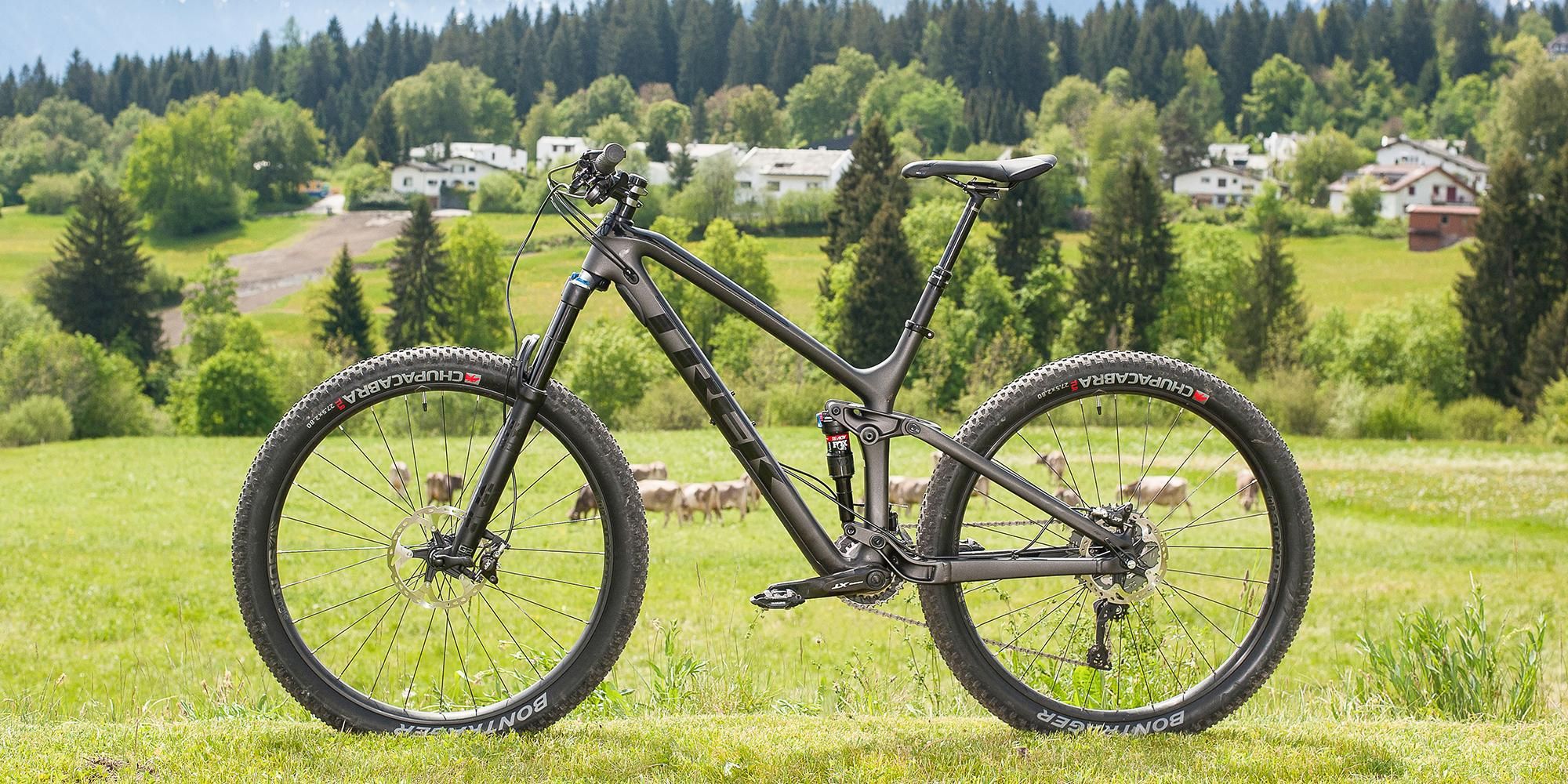
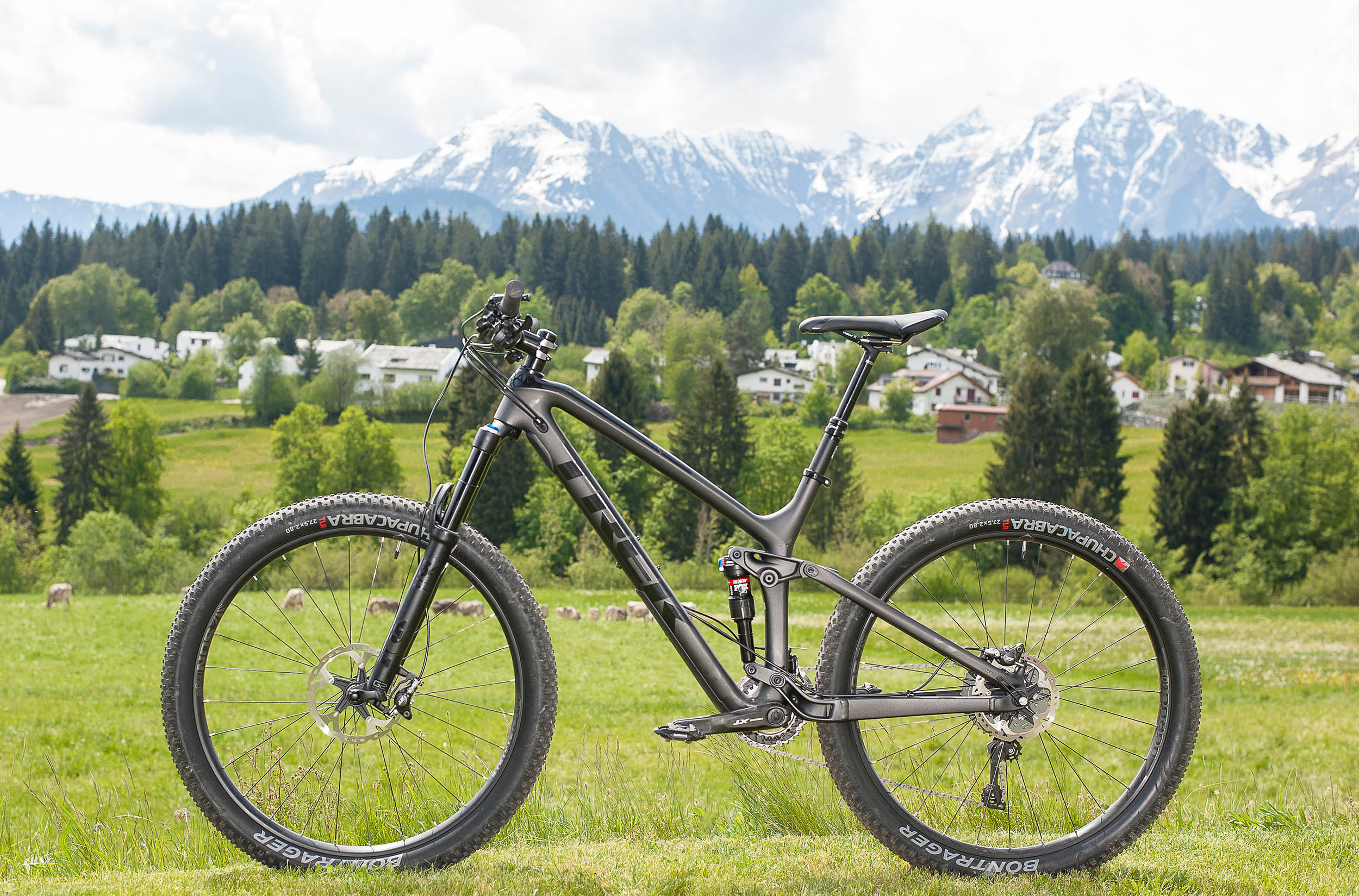
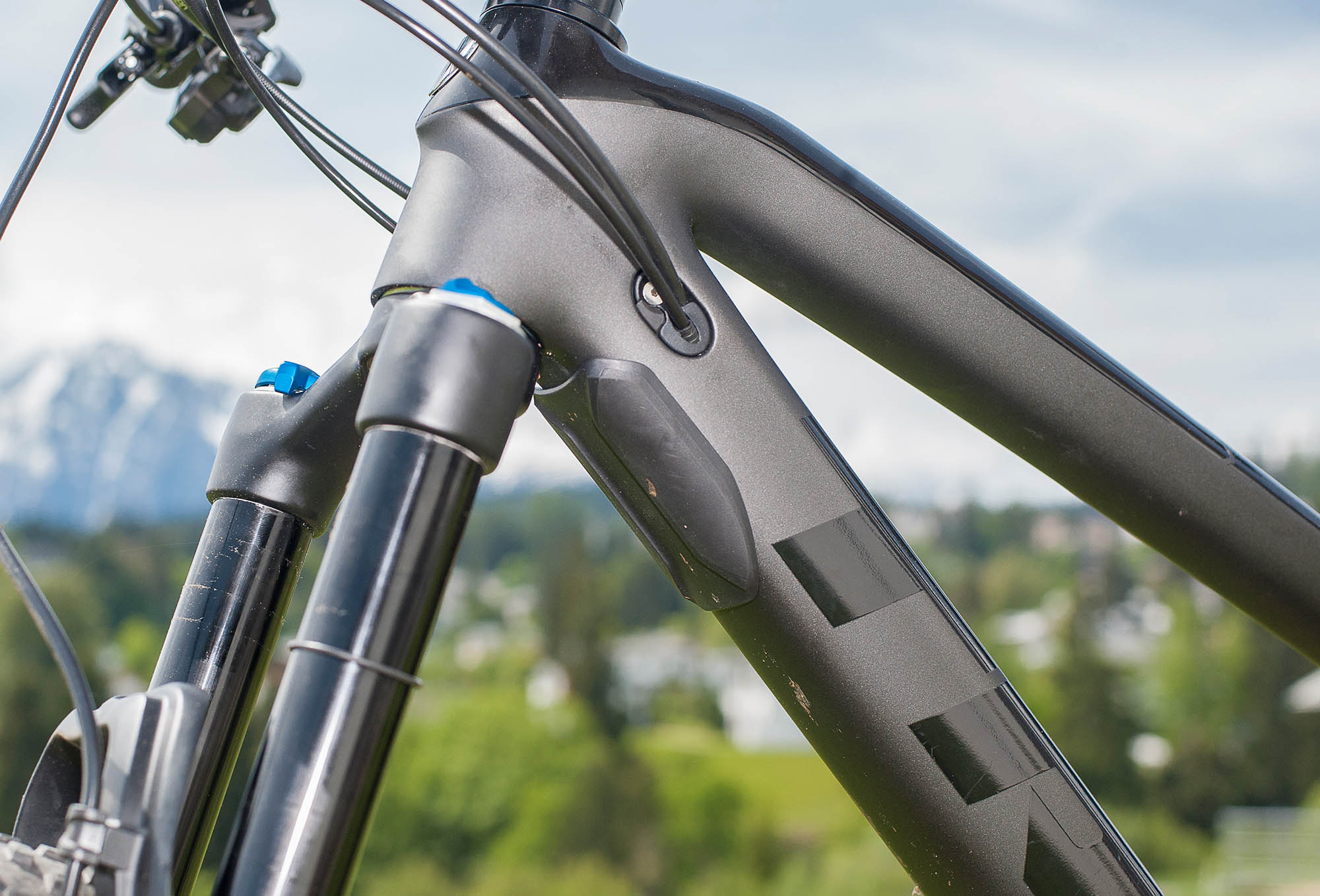
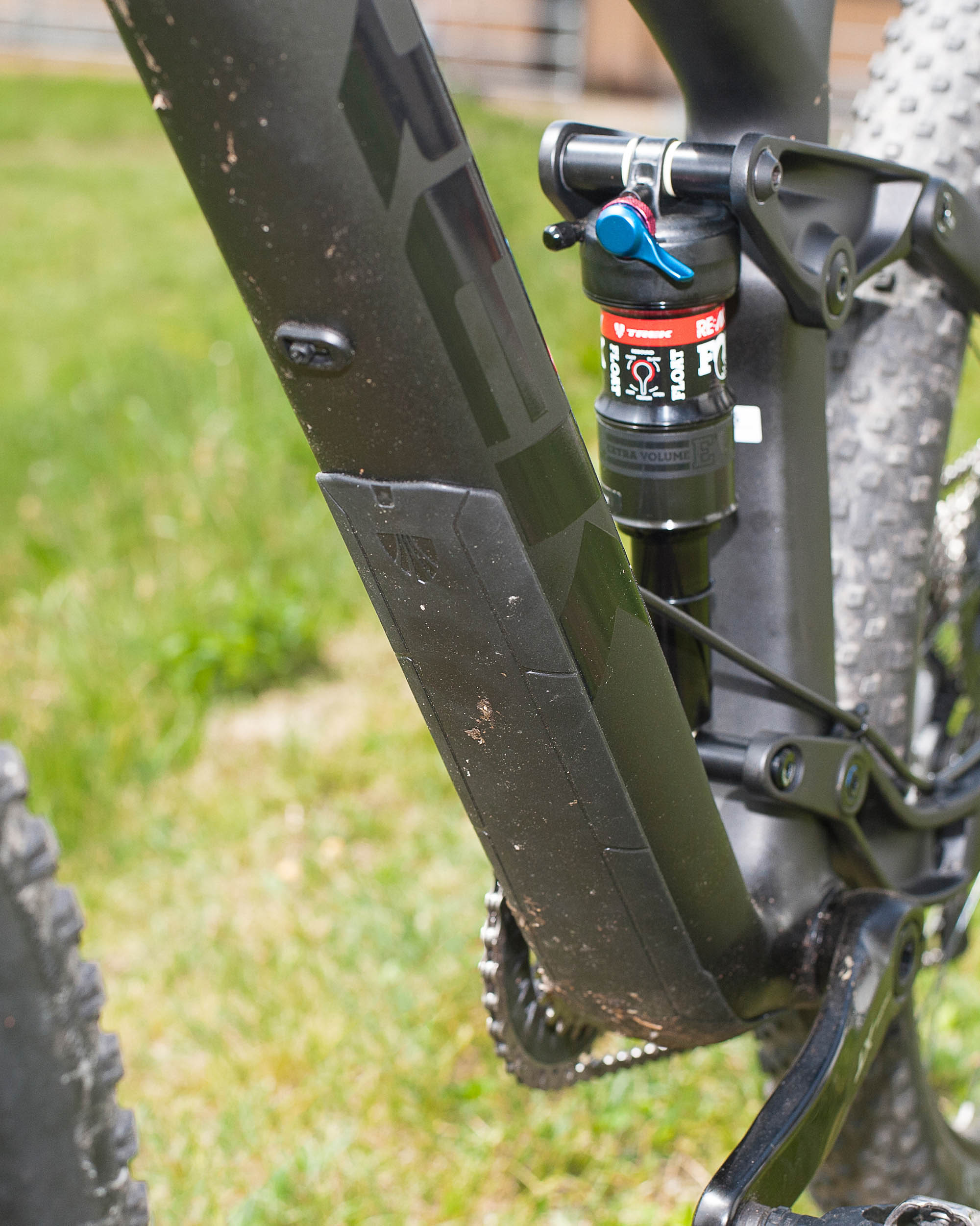
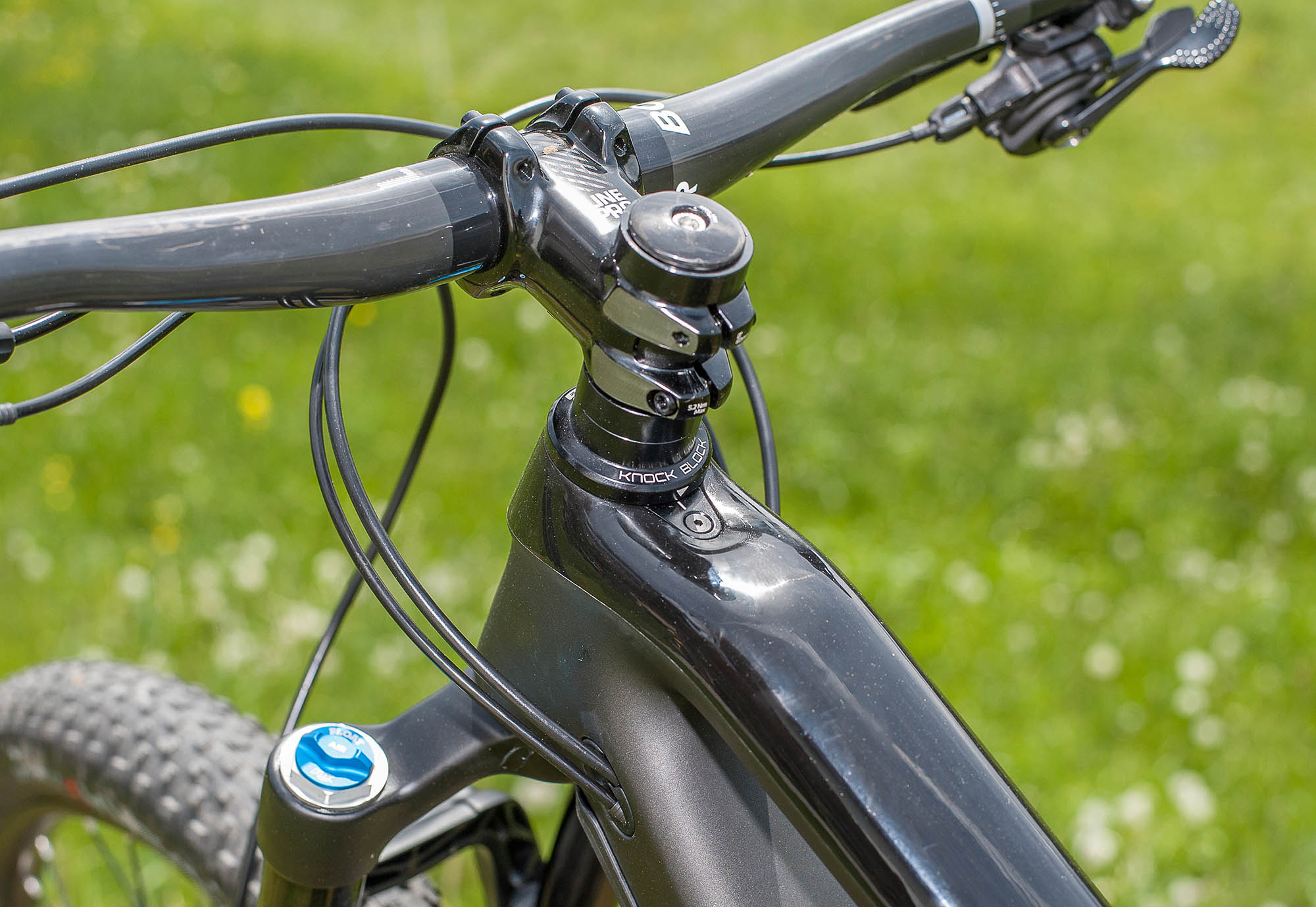
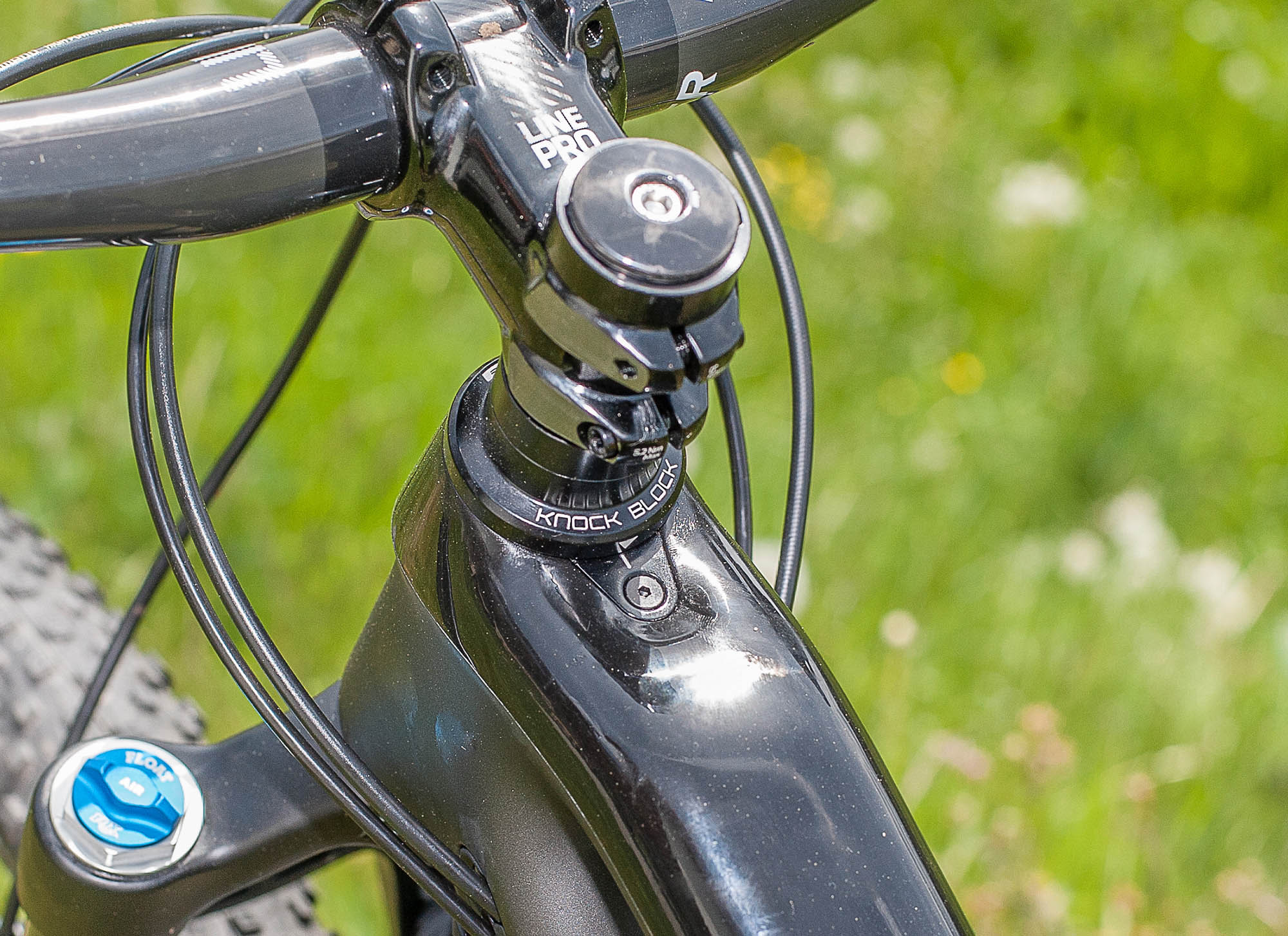
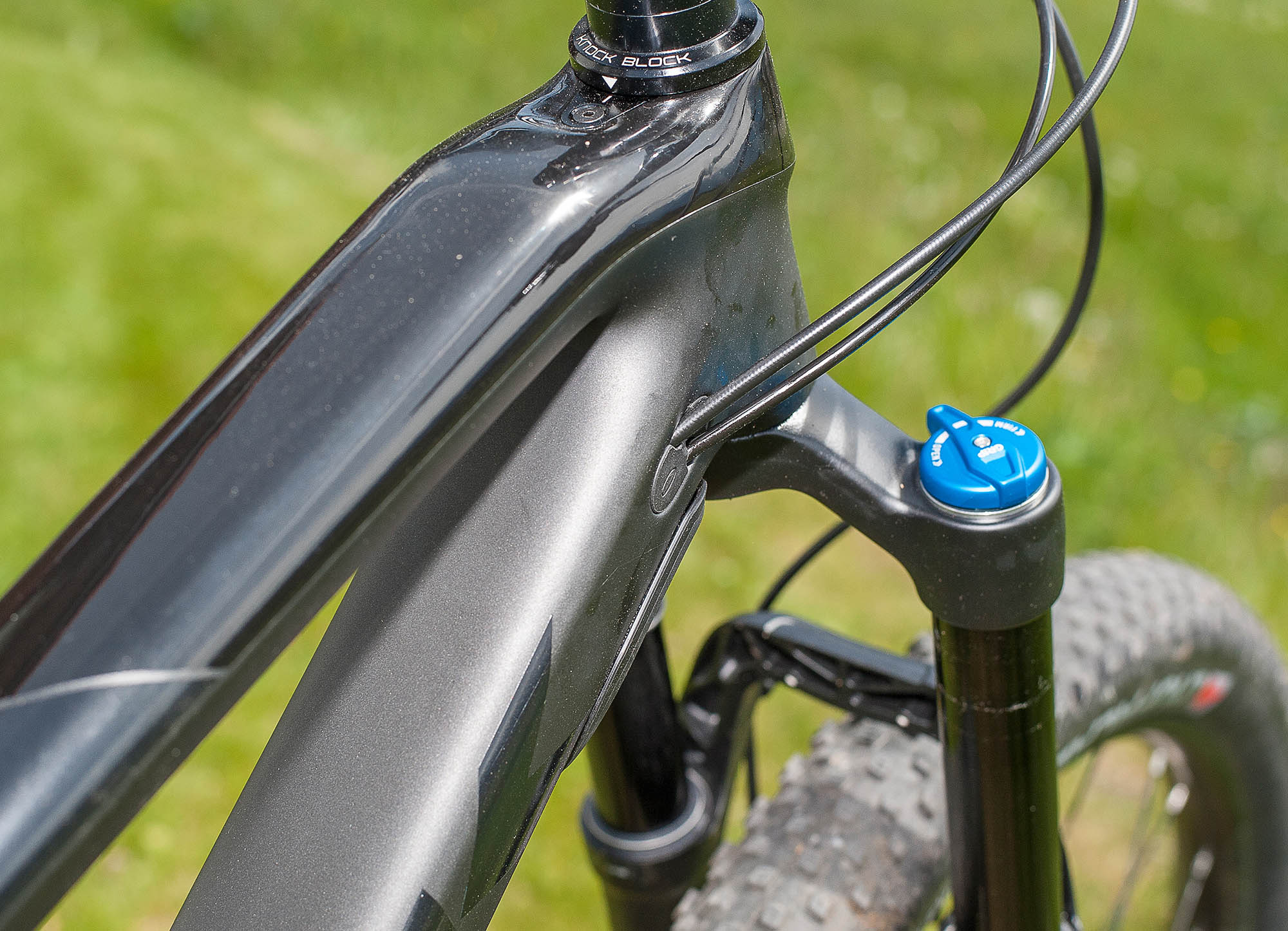
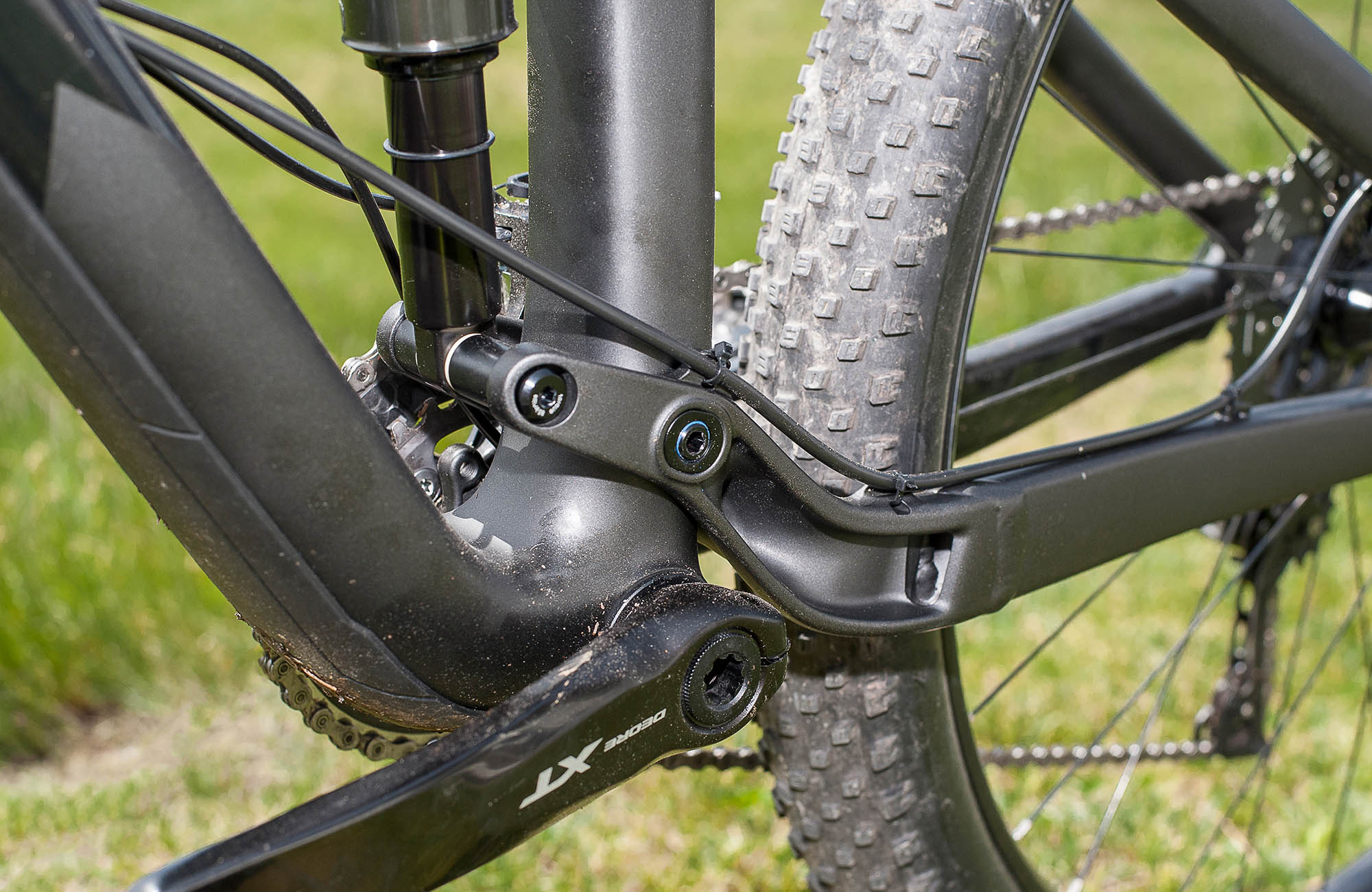
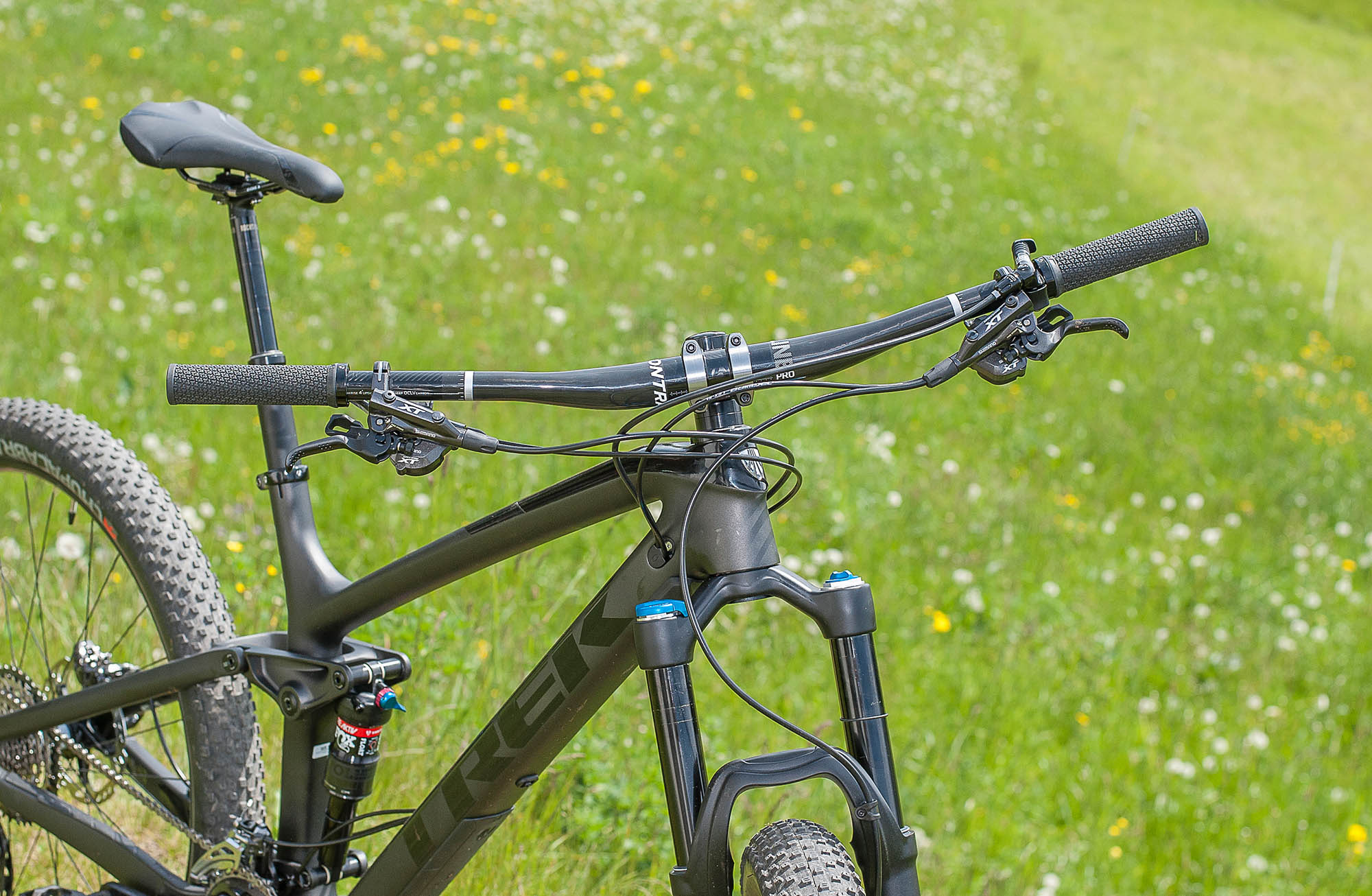
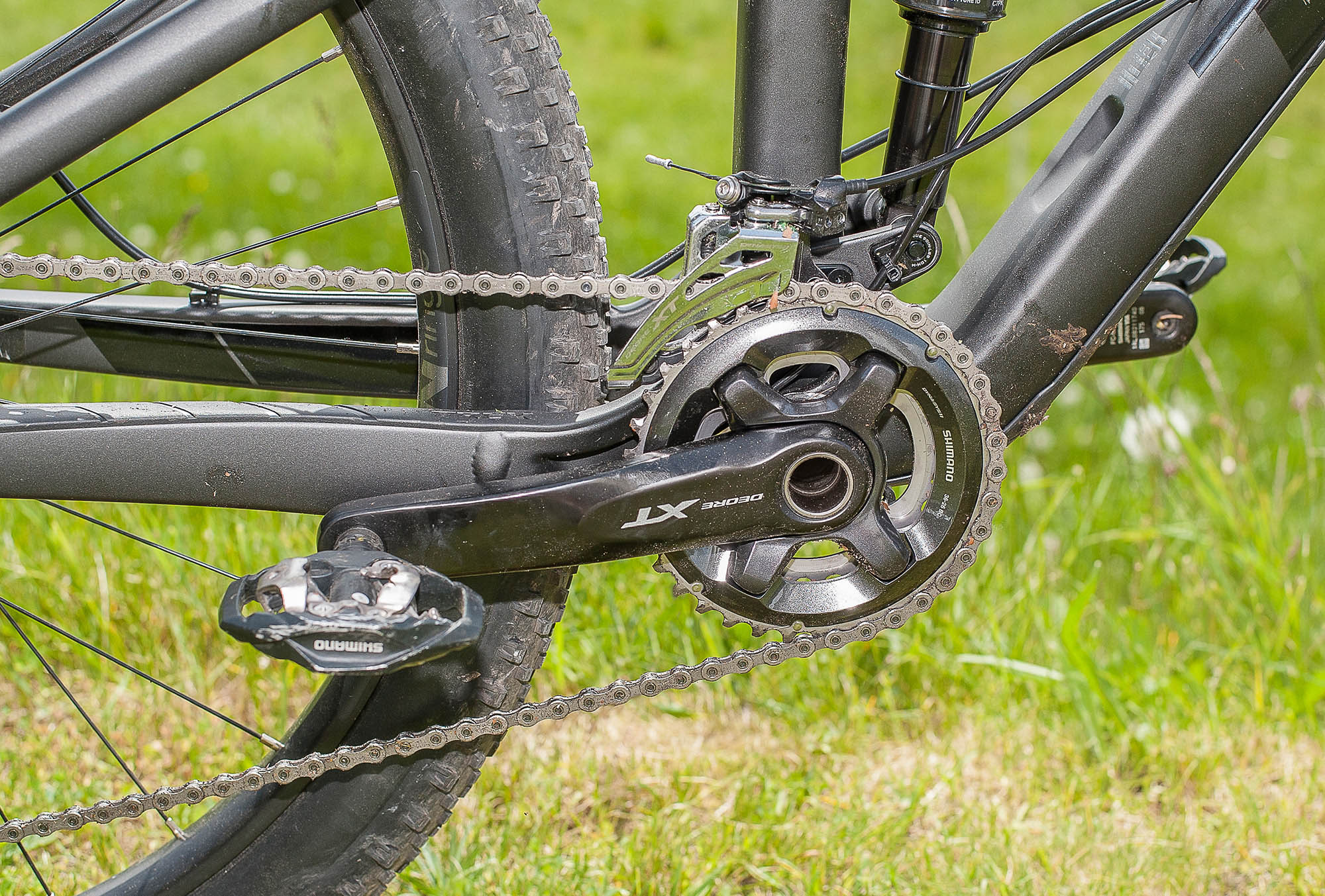
The new Fuel EX looks classy with its black matt look and glossy lettering. However, it clearly stands out visually from the old model. The frame is completely new and stiffer, especially in the down tube area - or so I am told. The cables run through the inside of the frame and make for a tidy look. The Knock Block, a headset system that only allows the handlebars to be turned by just under 90 degrees, is striking and useful. This prevents ugly damage to the paintwork on the top tube. The down tube is protected below the headset with a bumper and above the bottom bracket with an impact guard.
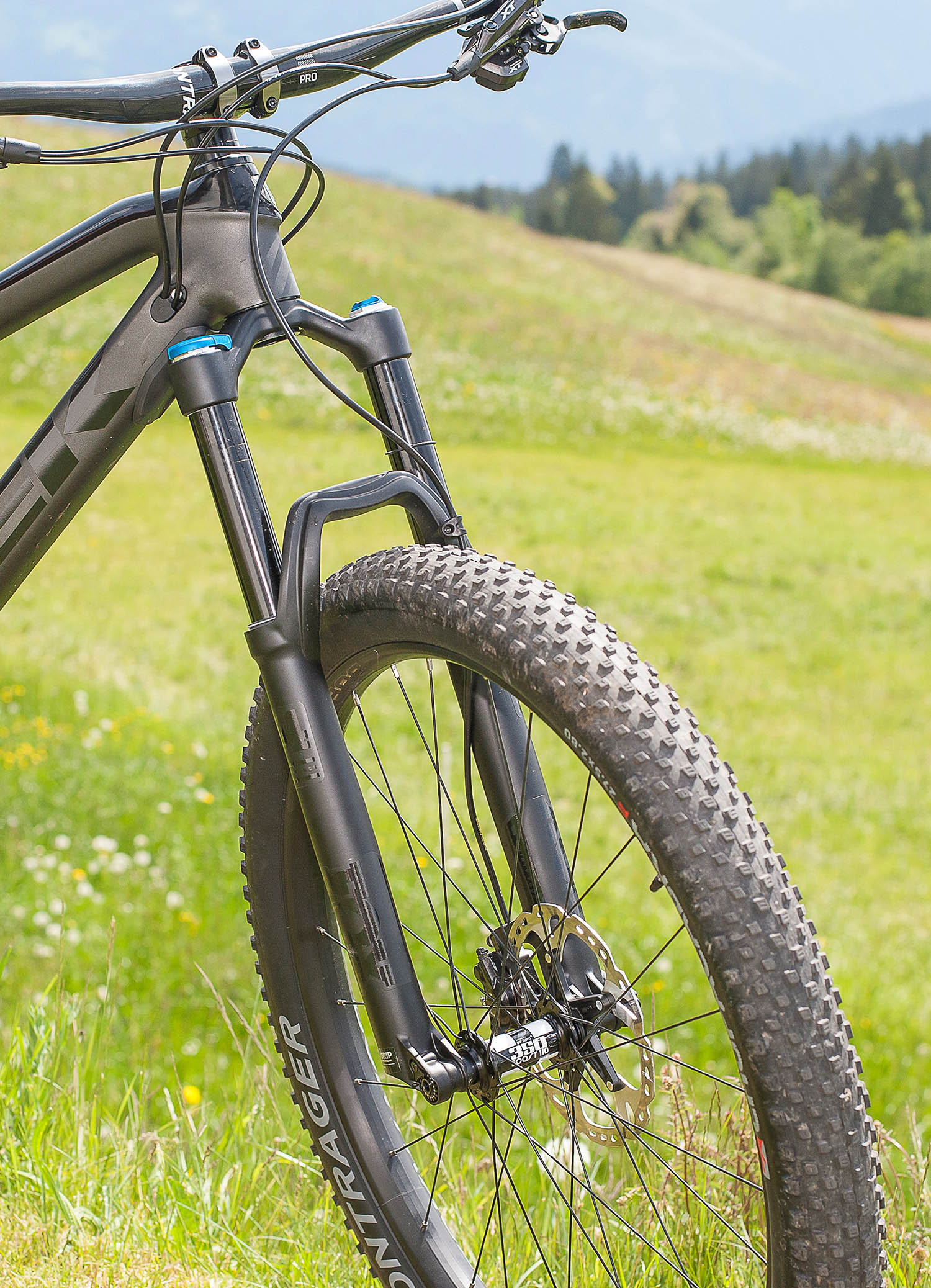
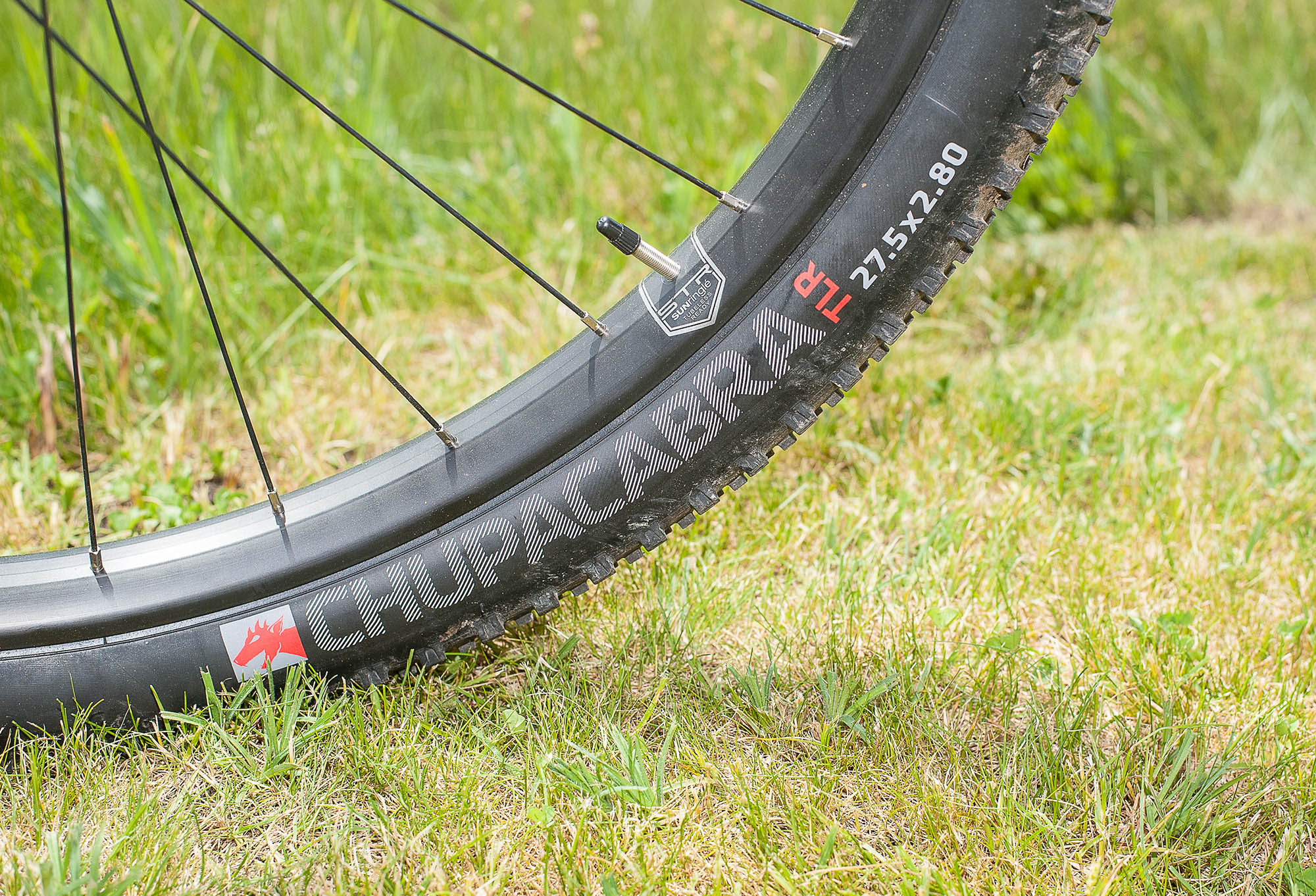
The steering angle has become significantly slacker, which should make the bike smoother. Thanks to the adjustable geometry, it is 66.6 degrees in the slack setting and 67.2 degrees in the steeper setting. Nevertheless, the bike should still be agile. Trek only offers the Fuel EX with plus-size tires: Bontrager Chupacabra tires measuring 27.5x2.80 on 40 millimeter wide Sun Ringlé rims. However, if you also want to ride the bike with 29-inch wheels, you are free to purchase additional tires. The Fuel EX offers space for tires up to 2.4 inches wide. Fittingly wider and stiffer, the trail bike is steered with Bontrager's new Line stem and handlebars with a 35 millimeter clamp diameter.
On the trail
As time is a little short to test the bike and take some photos of it, I race up the asphalt road to the trail entrance in old cross-country style. Even though the climb only takes about ten minutes, the position feels good and climbs well. As far as the new frame is concerned, not too much has been promised: The new Fuel EX is actually very laterally stiff and it goes mighty far in the cradle. But you forget that the bike rides on plus-size tires. The Bontrager Chupacabra tires roll excellently, but hopefully they also have enough grip off-road.
However, the suspension is not free from drivetrain influences. It bobs quite a bit when pedaling out of the saddle, and a little less when Climb mode is switched on. Well, for a trail bike with plus-size tires, this is not such a negative thing, after all, it's not a cross-country race bike that I have to pedal with all my might out of every corner. Pedaling in a seated position, the suspension remains nice and quiet even in downhill mode.
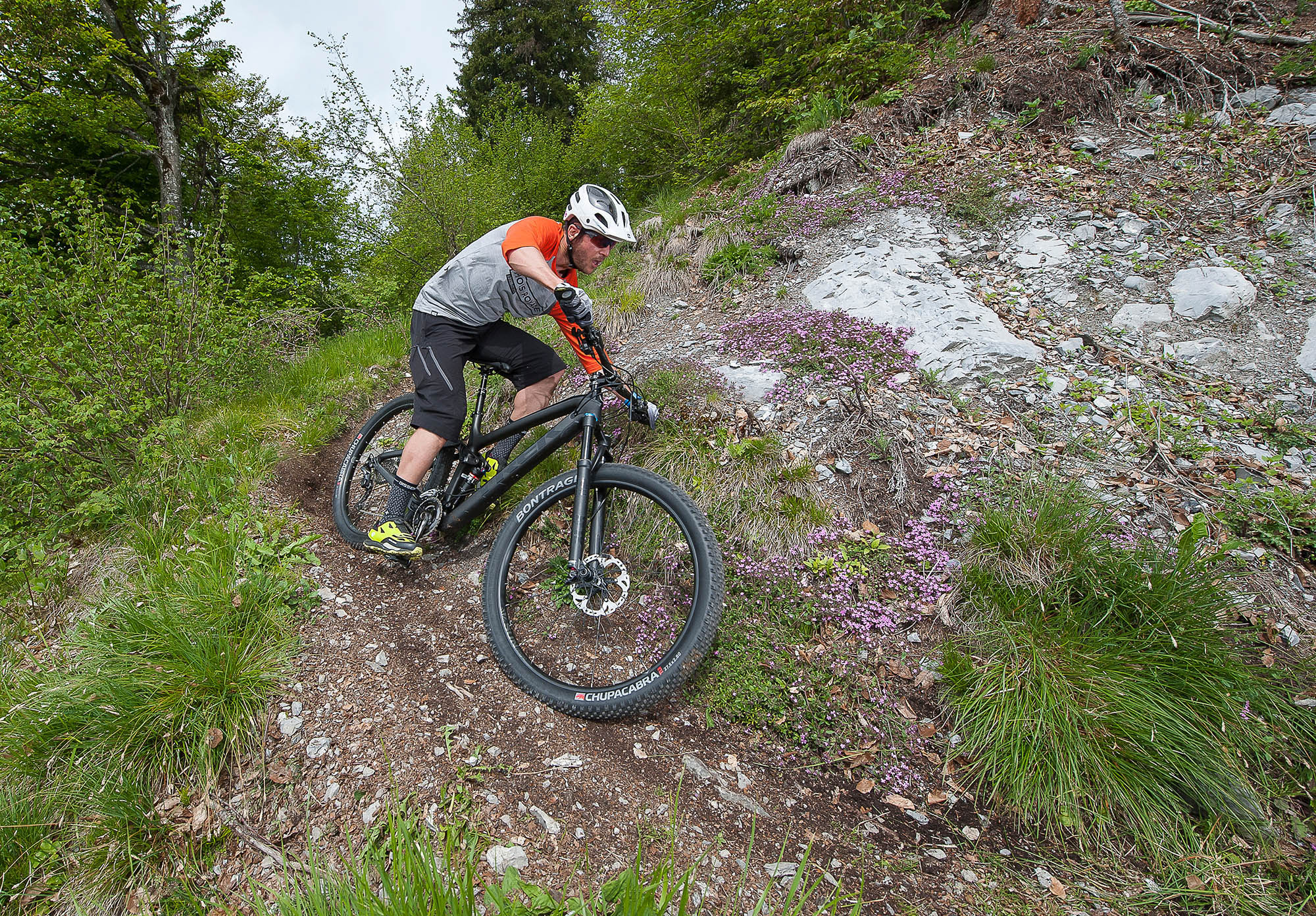
The trail that the bike has to master is a gem in the Flims region. It offers hairpin bends from tight to wide, fast sequences of bends and fast sections - fortunately very clearly laid out - and a few small edges that invite you to jump off. The surface also offers everything from loose gravel, solid stones and roots to earthy ground to make the most of the short test time.
The handling
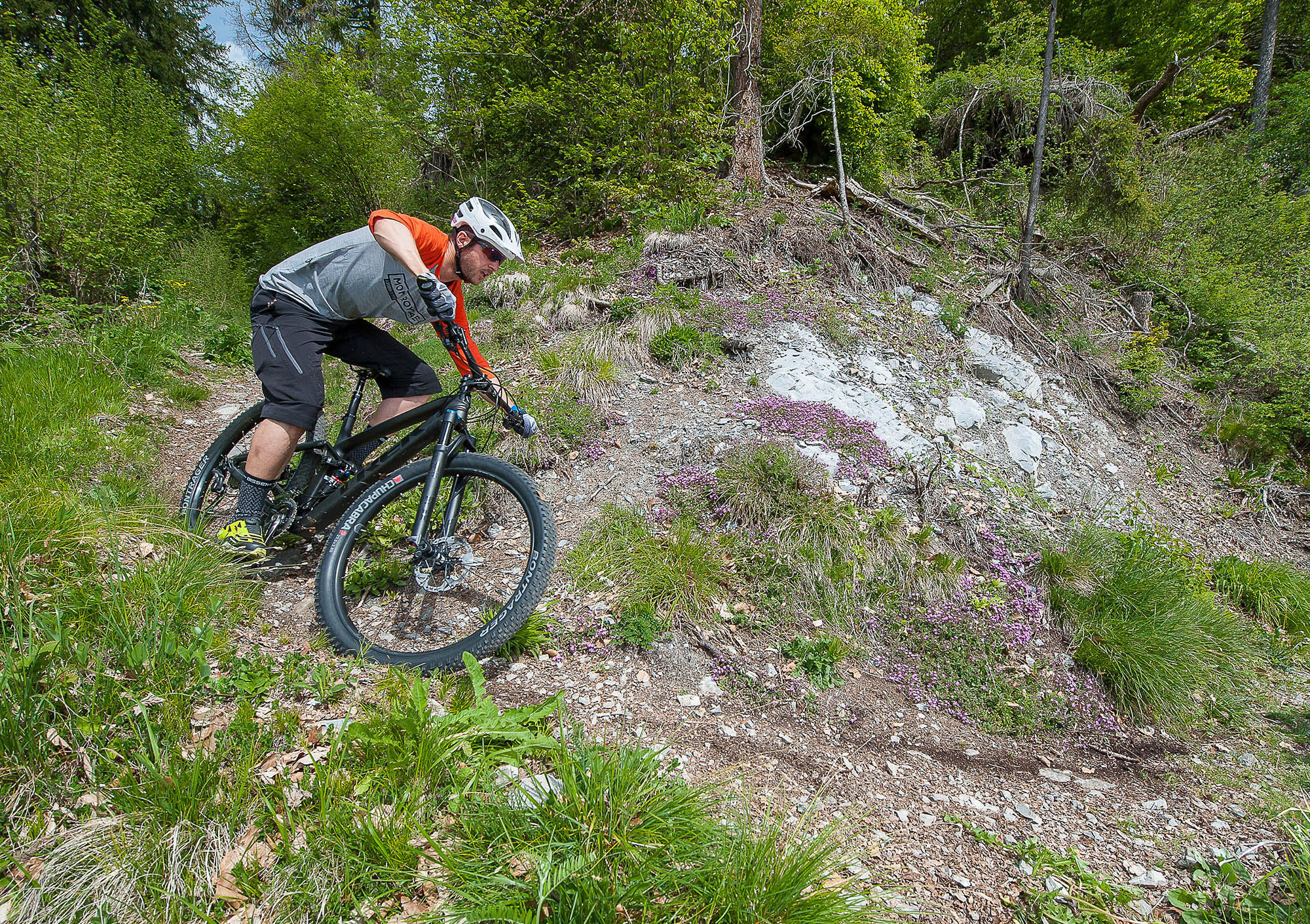
The plus-size tires are a little more sluggish than their narrower counterparts, but they literally offer more air to smooth out direct bumps. This is very noticeable on this trail, which we have been riding on with 2.4-inch tires at maximum - you feel less. Nevertheless, the 13.2 kilogram Fuel EX remains fun to ride. The same edges are used to get air under the tires and the hairpins are almost as nimble as on the private bike - with a little more time to get used to it, probably just as fast. On fast sections, the Fuel EX impresses with its very smooth ride.
The pitfalls of suspension adjustment
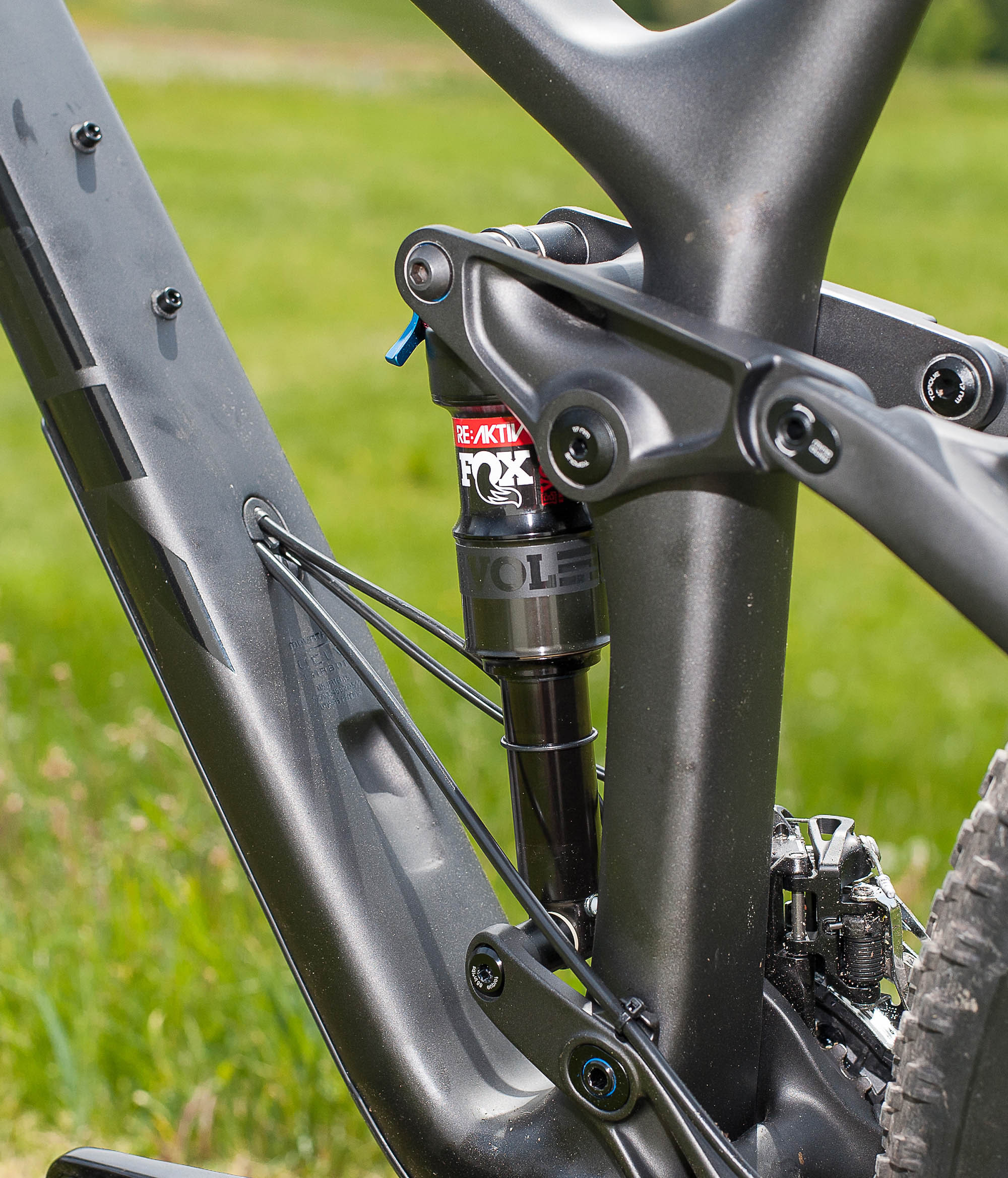
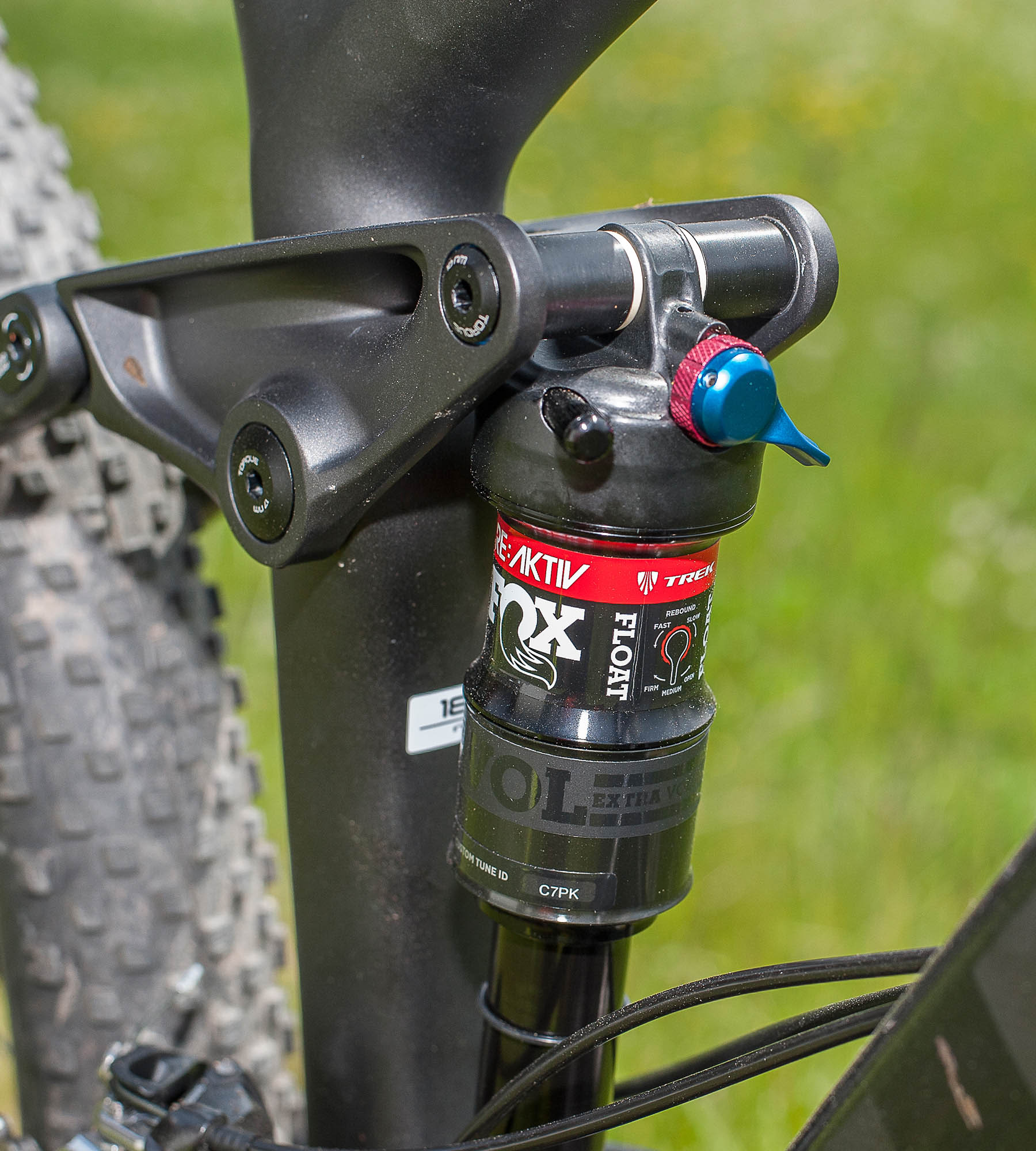
Plus tires require different settings, as the thick tires develop a lot of momentum of their own. In the heat of the moment, I made the mistake of setting the shock absorber the way I'm used to - too hard. As a result, the rear suspension travel was initially nowhere near fully utilized. After carefully reducing the air a little, the ride still doesn't feel perfect, but it feels much better. The rear suspension with Fox Float shock and Re-Active damping already makes an excellent impression: sensitive in its response, easy to swallow and with a full end progression. Thanks to the latter, it feels as if the shock has endless reserves - with "only" 130 millimeters of travel. The Fox 34 Float is also top. With its 140 millimetres of travel, it works with practically the same characteristics as the rear shock - front and rear therefore harmonize perfectly with each other.
Rolling material at the limit
The first few minutes on the trail are used to get to grips with the new bike, albeit quite actively and powerfully. The wheels provide good feedback on what happens when you turn the steering wheel. They are therefore sufficiently stiff. The Bontrager tires have been convincing so far. However, the air pressure is reduced from the initial 1.2 to 1 bar. The feedback from the ground fades a little, but comfort increases. Thanks to the wide rims, the tire remains stable even when changing direction quickly and powerfully.
Now I want to know what's in the bike and let it rip. The ground is no longer quite so grippy and the speed in the open bend is high - too high. Now the grip is gone - the rear smears over the edge of the trail. With the bike still firmly in my grasp, I can barely keep one foot on the trail and avert a fall. The limit of the tires has been tested. It's rather surprising that the fine tread has held up for so long.
Conclusion
With the top model Fuel EX 9.8, Trek has created a great trail bike - both visually and technically. Everything about this bike fits together and skillfully combines climbing strength, composure and agility - in short: it's a lot of fun on the trail - even for riders like me who prefer narrower tires in private. Grippier tires are only needed for bad weather riders or those who are often out and about on loose terrain.
www.trekbikes.com
Suitable Ride Brandguides
Further content on this article

Note: This content has been automatically translated from German. Please report any incorrect translations.