

This is how Shimano will screw the cassette onto the hub in future

When Sram introduced the XX1 in 2013 and from then on always pushed ahead with the single-chainring drivetrain, a cassette with a 10 mm sprocket was part of the package. This sprocket is too small in diameter to be mounted on a conventional freehub body, and Sram therefore introduced a new freehub with the XD body. Until the introduction of the XTR M9100, Shimano had not really enthusiastically joined the single-chainring party with wide-range cassettes and bolted the sprocket packs onto the existing body.
New 23 instead of 13 toothing grooves
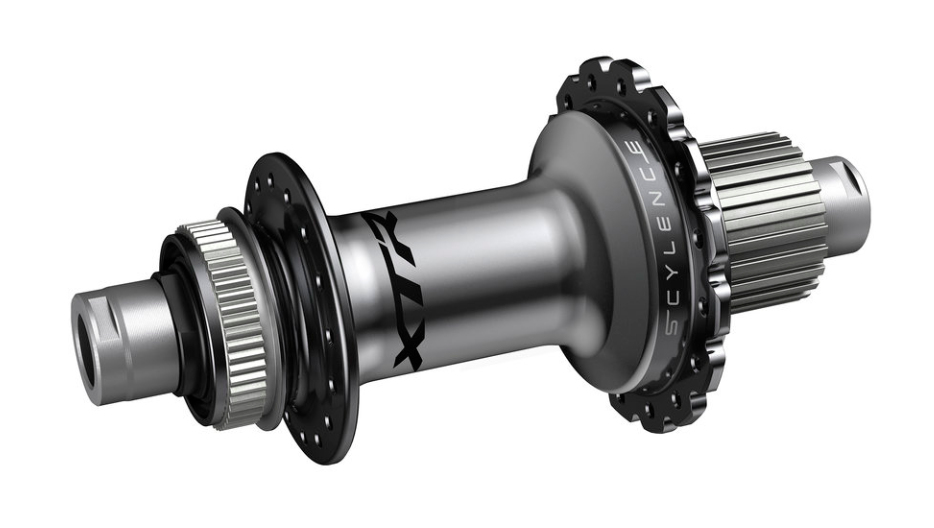
With the new wide-range XTR cassette with 10-51 teeth, Shimano is now opening a new chapter on the rear wheel. This is called Micro Spine, where the cassette is now connected to the freehub using 23 toothing grooves. Previously, Shimano used 13 splines, and before Sram started using XD bodies, the freewheels and cassettes of the two shifting giants were compatible with each other. The Micro Spline body is slightly shorter than the familiar HG body, because with Mirco Spline the 10 mm sprocket sits outside the splines with the hub, the 10 mm sprocket is directly splined with the 12 mm sprocket.
It is now only a matter of time before Shimano passes on the new hub standard to the XT, SLX and Deore groupsets - and new rear hubs, new rear wheels or even new bikes will be needed to keep up with the Japanese innovation. It's easier for owners of high-quality DT Swiss hubs, more on this in the next paragraph.
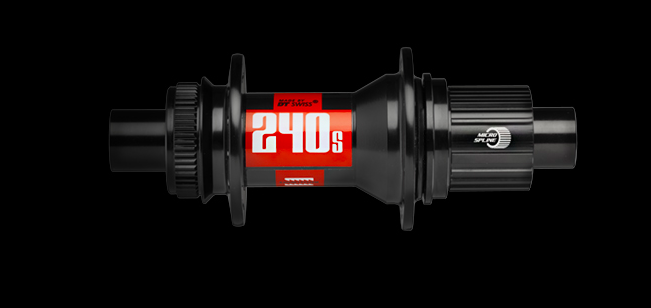
The new Micro Spline body is not an open standard, which means that its use is subject to licensing and costs. In future, Shimano will of course manufacture hubs with this spline pattern. So far only DT Swiss has a license from Shimano to produce Micro Spline hubs, DT Swiss recently presented a 240s hub with the new interface and promised more on the subject at Eurobike. DT Swiss has also announced that the new Shimano body will fit most DT hubs that are equipped with a splined freehub. This is the case, for example, with hubs from the 240 and 350 series. The existing body can simply be removed and the Micro Spline body fitted (the end cap must first be removed and then refitted).
How "future-proof" is the system?
A lot has happened to the rear hub in recent years with the Boost standard, the XD body and the introduction of thru axles. When asked how "future-proof" the new Micro Spline system is when new axles with larger diameters or lengths come along, Ben Hillsdon from Shimano replies: "The Micro Spline hub is designed to work with 12-millimeter axles, which are the current standard. I don't think anyone can predict for sure what axle diameters and lengths will come in the future. What we can say, however, is that the Micro Spline hub has been tested and designed with the current 12mm axle standard, and we can guarantee performance in that diameter and length."
In response to the heretical question of why Shimano has not licensed Sram's XD interface, Hillsdon replies somewhat matter-of-factly: "We have a freehub system that has been developed to a certain level and standard according to XTR. It's not designed to be compatible with systems from other manufacturers."
Whether Shimano will grant further Micro Spline licenses is currently open - Shimano's PR man Hillsdon is not letting us look into the Map: "At the moment, only DT Swiss is approved for the production of the Micro Spline hub".

Note: This content has been automatically translated from German. Please report any incorrect translations.