

World Cup downhill skier Max Hartenstern on the art of never giving up
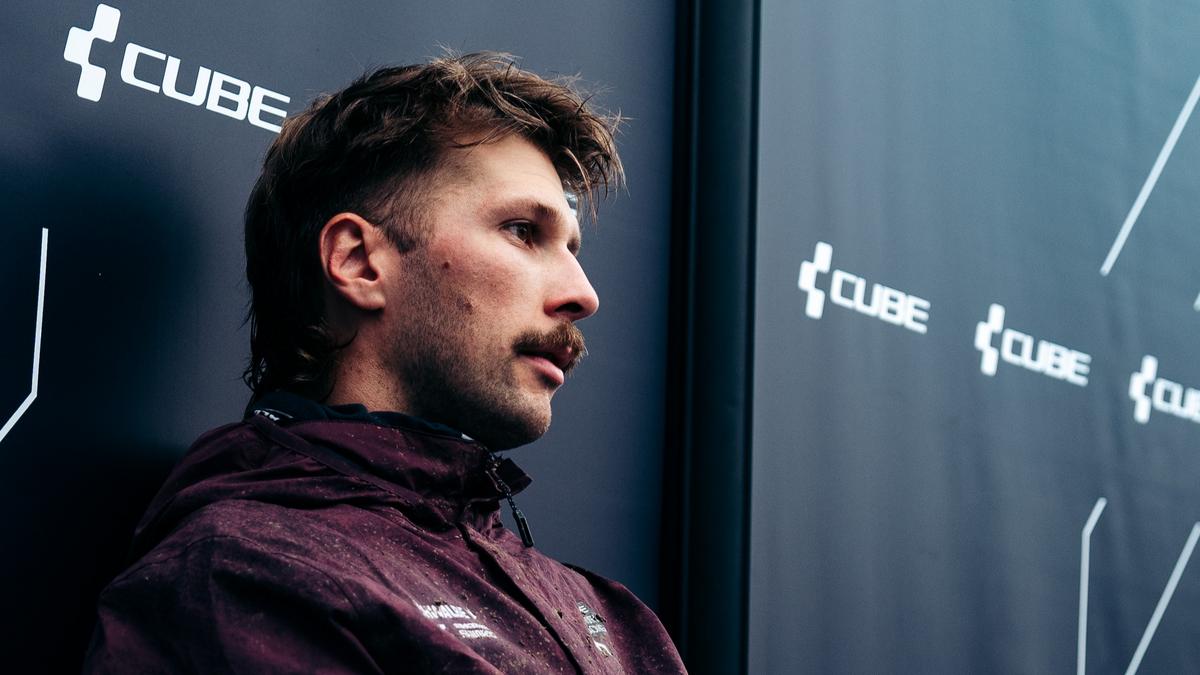
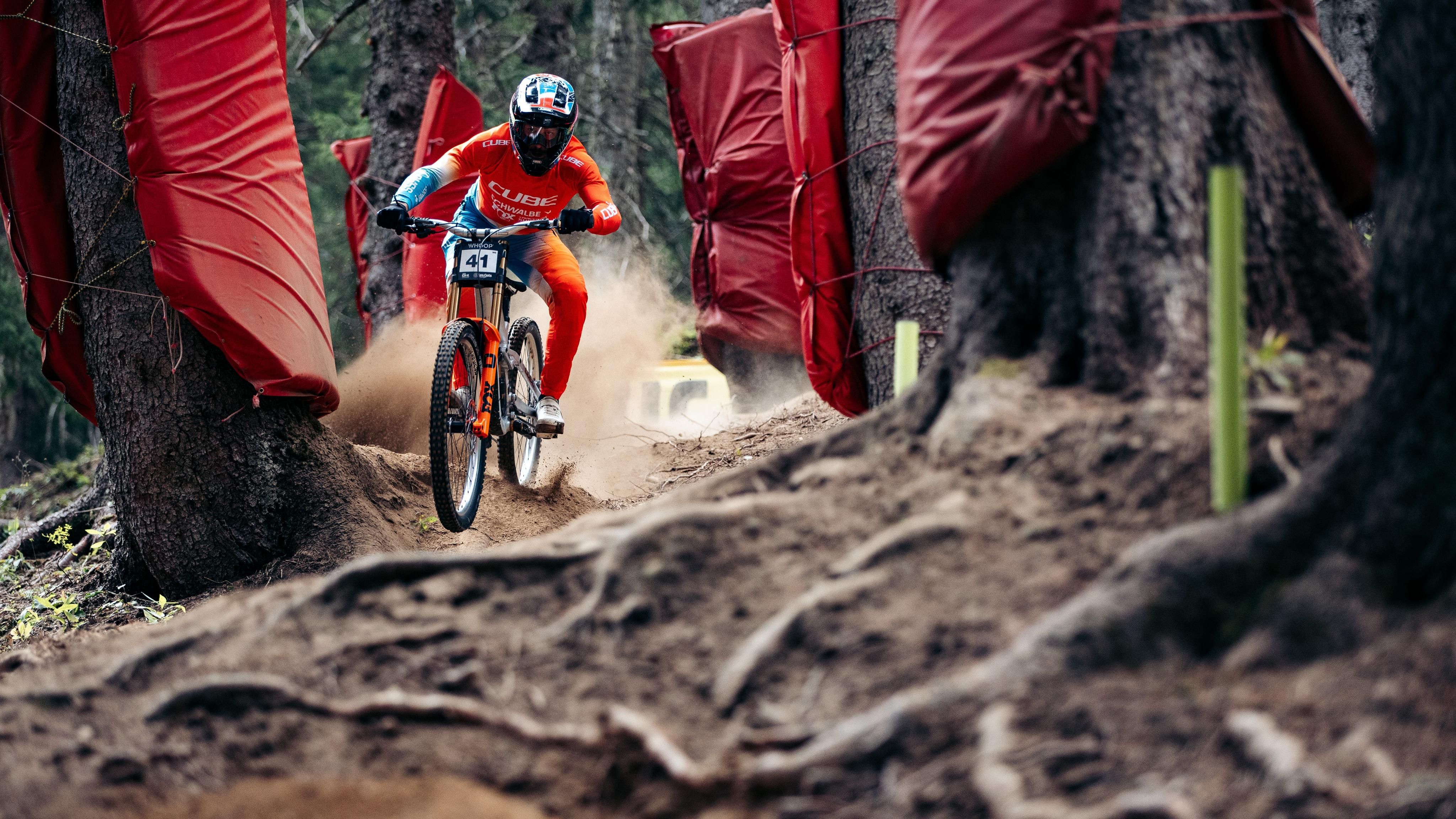
Behind the big stars like Jackson Goldstone, Asa Vermette, and Amaury Pierron, there are a multitude of riders in the Downhill World Cup who are nearly their equals, but who are rarely granted a spot in the media spotlight. The 27-year-old German Max Hartenstern is one of these racers who, although he has been posting more or less solid results for years, is still largely overlooked. This battle for attention is just as important for pros as the fight for podium spots. After all, only those in the spotlight are suitable as advertising vehicles for sponsors. Hartenstern knows this fierce competition all too well, as he explains in an interview with Ride , and he says it has actually become even tougher recently.
Tough Battle for Starting Spots in the World Cup Final
“The level of performance among the riders has been incredibly high for years, but recently, bike technology in particular has improved significantly once again. As a result, on a good day, any of the top 50 riders can win a race, but there are only 30 starting spots in the final,” he says, explaining the intensified competition, which has also been influenced by rule changes. He has mixed feelings about the two qualifying heats held beforehand. Q1, in which the first 20 spots in the final are awarded, is the easier of the two, says Hartenstern: “Once you’ve got the hang of it and understand how to approach this heat mentally, it’s relatively easy to find the rhythm to get through it. I managed that quite well last year.” The situation is completely different in Q2, where another ten starting spots for the final are awarded. That’s always a nerve-wracking experience for the riders: “It’s a real nail-biter every time—in my opinion, it’s actually more exciting for the fans to watch than the final itself. Because there are always really good riders competing who push each other to their limits and beyond.”
Hartenstern considers the limit of 30 riders in the final—which, since the broadcasting rights were awarded to Warner Bros. Discovery, is now shown exclusively on pay TV—to be a step in the wrong direction: “High visibility and good ratings are important for the athletes. The new regulations, along with the new broadcast format, have made that more difficult for us.” He also believes that moving away from the five-person podium in the Downhill World Cup was a mistake: “It doesn’t hurt anyone whether there are three or five people on the podium, but for the riders in particular, it means valuable visibility in a sport that doesn’t offer many opportunities to be seen anyway.”
Setbacks and Setbacks in 2026
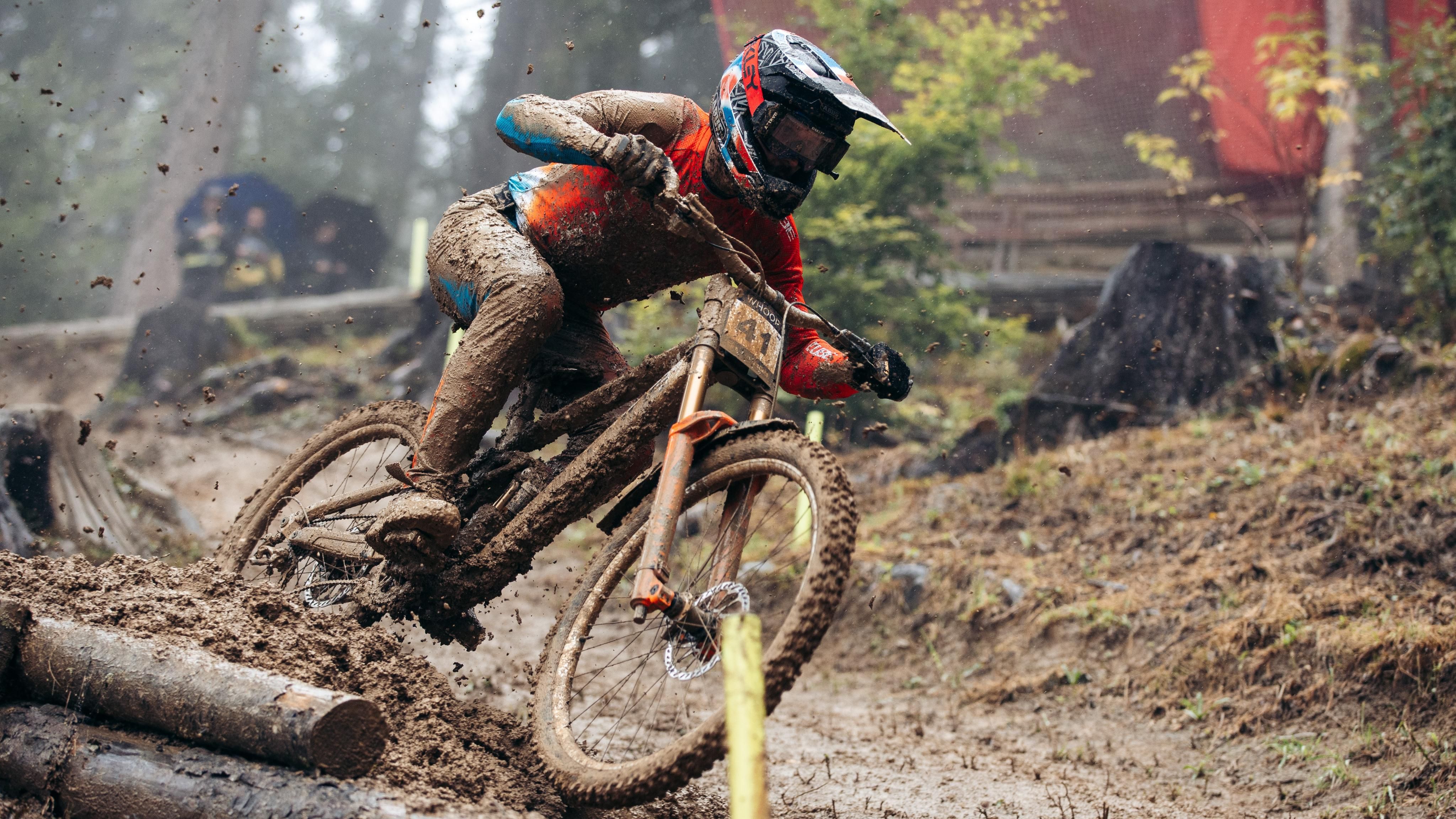
For privateers, the World Cup circuit has become even more difficult in light of these changes, which also include new tour stops like the one in faraway South Korea. Hartenstern has been fortunate enough to be part of Cube Factory Racing since 2017, as he himself says. That said, even this spot on the factory team has to be earned anew time and again. “Whether I’ll continue to race for Cube in 2027 isn’t guaranteed yet. I really hope so, but discussions are still ongoing, and I can’t speculate on that.” After a solid 2025 season, in which he achieved top-ten finishes and finished in the top 20 overall, the current season has been less successful for the Saxon. He’s also currently forced to take a break due to a broken kneecap sustained at the World Championships in Val di Sole. Before that, it was mainly mechanical issues that held him back during races. That’s frustrating, says Hartenstern, but it’s precisely in situations like these that you can’t give up.
“I hadn’t had a major injury for over eight years. That’s a long time in this sport. And even now, fortunately, the healing process is going surprisingly well,” Hartenstern says confidently. Even after Max had publicly declared his season over, he was still secretly hoping to compete in the World Cup race in Whistler, Canada, at the end of September. Last week, however, he did not receive medical clearance to do so. His focus is now entirely on comprehensive rehabilitation so that he can make the best possible use of the off-season and return as strong as possible in 2027. It is precisely this unshakable mindset that is essential in the Downhill World Cup, which he describes as the “Formula 1 of mountain biking.” You always have to push yourself to the limits of your abilities. To achieve this, technique and physical fitness alone aren’t enough—mental strength is also part of it. That’s why, in addition to riding and strength training, the German also relies on a mental coach during his preparation. This has become standard practice in the Downhill World Cup.
After the season is before the season
Just like the athletes’ fitness, the bikes’ technology is a constant focus. Together with his team, the German rider is working to perfect the setup. This involves making the tiniest adjustments, as Hartenstern believes no major technical innovations on the bikes are currently expected: “You can’t reinvent the bike. The state of the art is already incredibly advanced; there will likely only be fine-tuning of the equipment from here on out.” He sees little future in downhill racing for innovations like the 32-inch wheel, which rival Martin Maes tried in a race for the first time at the World Championships. Hartenstern himself rides a mullet setup on his Cube, with a 29-inch wheel in the front and a 27.5-inch wheel in the back. He was heavily involved in the development of his new race bike, which wasn’t easy. The many changes and adjustments to the bike slowed him down: “After the 2025 season, I had high expectations, but with the new bike, we got a little bogged down at the start this year. During the summer break, we put a lot of work into it again and downsized my frame a bit—suddenly, the speed was back.” But then came the injury.
Since he won’t be able to compete overseas this season, the German is now focusing on winter training so he can make a comeback in 2027. Anyone who wants to see Hartenstern training away from the race circuit has the best chance of doing so at the Klínovec bike park in the Czech Republic (also known as Keilberg in German). The Saxon is drawn there during the off-season because it’s close to his home and offers him perfect training conditions. “We have our own test track there, and for me, the area is better than Morzine. I can only recommend the Czech Republic to everyone: good food, even better trails, and all at a fair price,” says Hartenstern.
About the Athlete: Max Hartenstern (27) is a German professional mountain biker who has been racing for the Cube team in the Downhill World Cup since 2017. He began his cycling career on a BMX, where he enjoyed success in junior competitions until 2012. In 2016, Hartenstern became German Downhill Champion in the elite class for the first time as a junior. The title was awarded to him retroactively because his junior-level time was faster than that of the top men. Five more German championship titles followed. In the World Cup, he achieved his best result to date in 2021 with a second-place finish in Les Gets.

About the author: Steffen Kanduth
Note: This content has been automatically translated from German. Please report any incorrect translations.