

Wie aus Fischernetzen Bidonhalter werden
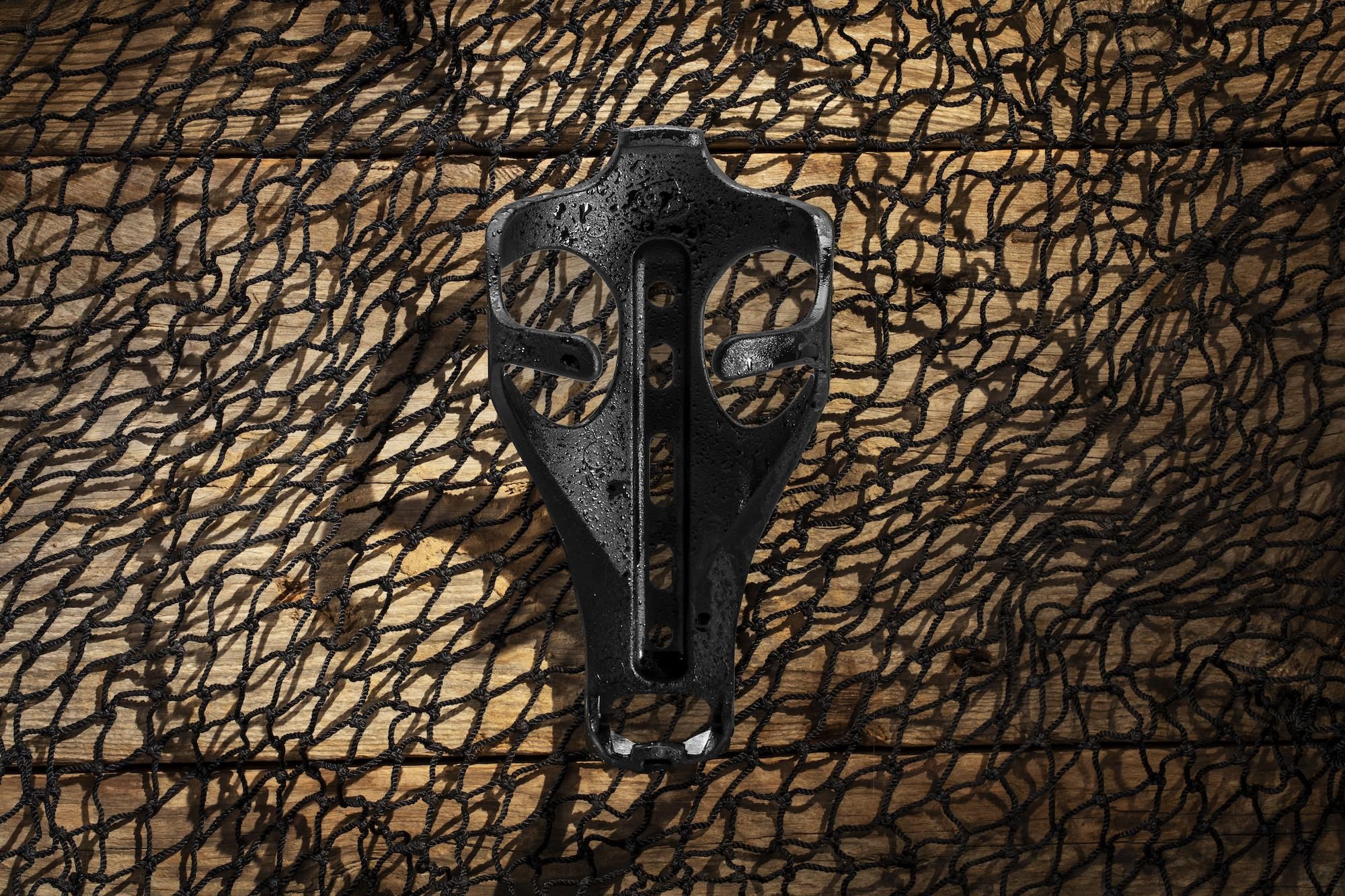
Möglich wurde diese Veränderung hin zum besseren Umweltschutz durch die Partnerschaft von Trek mit dem Unternehmen Bureo und die Mitgliedschaft bei NextWave, einem branchenübergreifenden Konsortium von Unternehmen, das daran arbeitet, die unglaubliche Menge an Kunststoffen, die unsere Umwelt plagen, zu reduzieren. Trek ist Gründungsmitglied des Konsortiums, zu dem auch Dell, General Motors, Ikea, HP Interface, Humanscale, Herman Miller und Bureo gehören.
In den letzten 22 Jahren hat Trek Hunderttausende von Bat Cages in Oconomowoc, Wisconsin, 30 Meilen vom Hauptsitz des Unternehmens in Waterloo entfernt, hergestellt. Der Käfig ist gemäss Trek einfach, leicht und langlebig - und jetzt gibt es diesen aus Recycling-Material.
Trek arbeitet dazu mit der Firma Bureo zusammen. Das Unternehmen sammelt in Chile ausgediente Fischernetze und recycelt sie zu winzigen Pellets, die für spritzgegossene Kunststoffprodukte wie den besagten Bidonhalter Bat Cage, Sonnenbrillen, Skateboards und mehr verwendet werden können.
«Das Bat Cage mag ein kleines Produkt sein, aber es ist das kleine Scharnier, das eine große Tür öffnet», sagte Justin Henkel von Trek. «Allein in diesem Jahr wird es 44.000 Quadratfuß (3.850 Pfund) ausgemusterte Fischernetze für eine gute Nutzung verwenden. Das macht einen echten Unterschied, und Bat Cage ist nur der Anfang.»
Bontragers neuer Bat Cage aus recyceltem Kunststoff ist ab sofort auf trekbikes.com und über Treks Netzwerk von Fachhandelspartnern erhältlich.


