

Exoskeletons: Game-Changer or Marketing Hype?
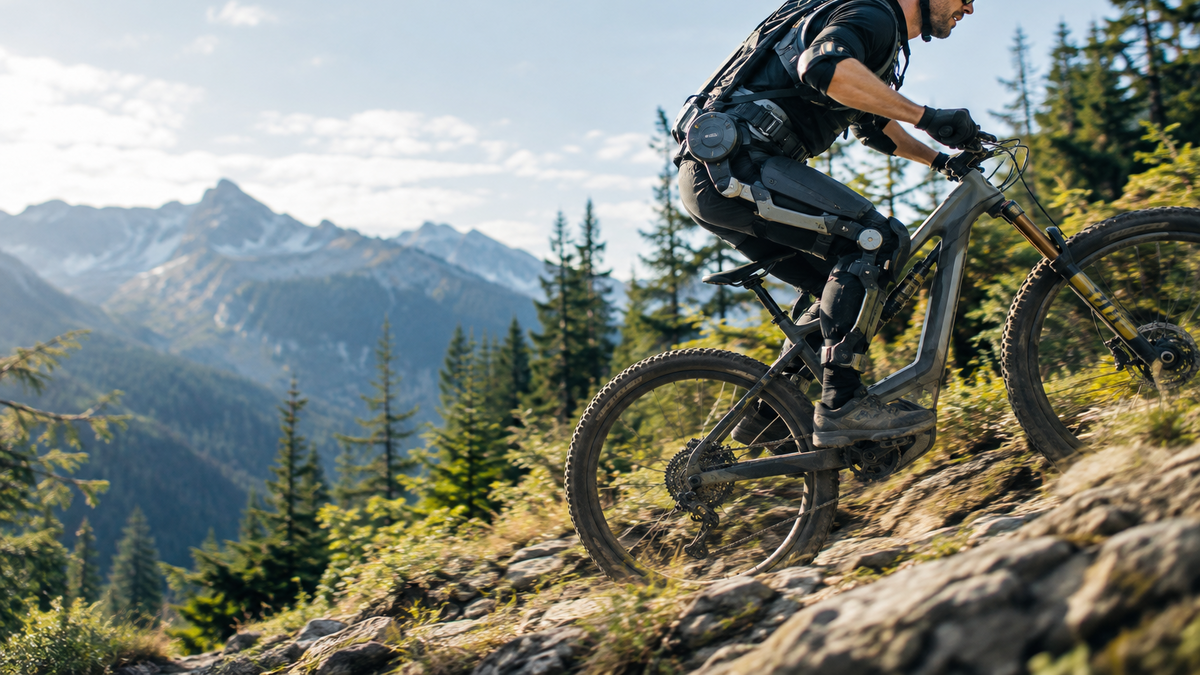
"Einstein" host Tobias Müller tests an exoskeleton while climbing stairs and riding a bike. The manufacturers promise less strain and up to 30 percent more endurance. Researchers at ETH Zurich have investigated what effects the technology actually has on the body.
The exoskeleton is also being used for hiking, and the researchers are analyzing its effects: 85-year-old Brigitte Eberhard suffers from osteoarthritis and can therefore hardly go on long hikes anymore. With an exoskeleton, however, she is able to venture out on a hike lasting several hours. Can the technology give her new freedom of movement?
Exoskeletons are also being used in auto repair shops, logistics, and waste management. They are designed to relieve strain on the back and shoulders during physically demanding work. But the technology also raises a question: Do they actually protect employees—or do they simply end up raising performance expectations?
Further content on this article


Note: This content has been automatically translated from German. Please report any incorrect translations.